Tire Cushion
CN → US| HS Code | Tariff Rate | Origin | Destination | Doc |
|---|---|---|---|---|
| 8708995500 | 37.5% | CN | US | Official Doc |
| 3926901000 | 20.9% | CN | US | Official Doc |
| 4016910000 | 37.7% | CN | US | Official Doc |
| 4016996050 | 37.5% | CN | US | Official Doc |
| 3926909989 | 22.8% | CN | US | Official Doc |
Product Images
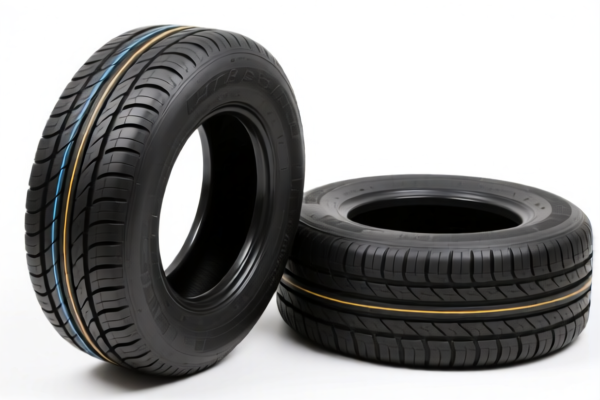
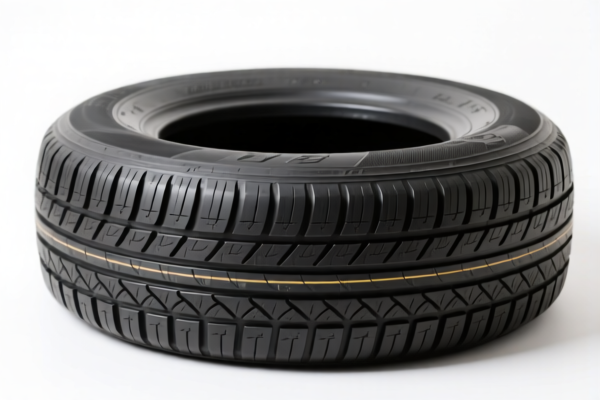
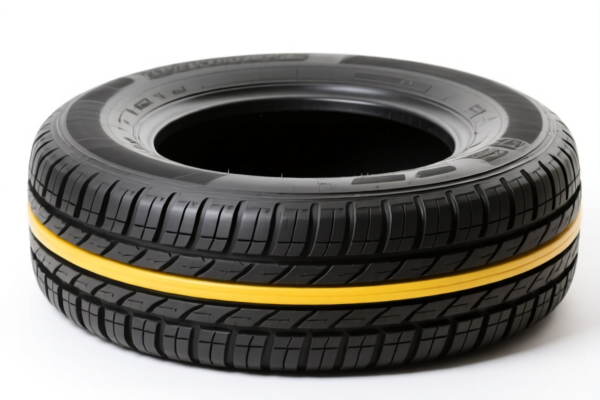
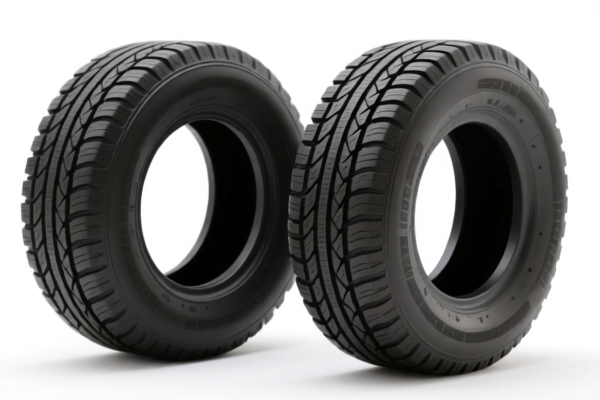
AI Analysis
🛞 Tire Cushion (Tire Liners / Inner Protectors)
🌐 HS Code Reference & Customs Clearance Guide | 2026 Latest Tariff Analysis | Professional Clearance Strategy
📌 I. Product Definition & Classification: What Exactly is a "Tire Cushion"?
Tire Cushions (often called Tire Liners, Inner Protectors, or Flatless Tire Inserts) are rubber or polymer components inserted inside pneumatic tires to prevent punctures, eliminate air leaks, and provide shock absorption. They are critical for off-road vehicles, ATVs, UTVs, and industrial machinery.
In international trade, classification depends heavily on material composition (natural/synthetic rubber vs. plastic/polymer) and specific function (shock absorption vs. general protection).
⚠️ Key Distinction Point:
- If the primary function is vibration damping/shock absorption in a mechanical context → Often classified under Chassis Parts (8708) or Rubber Articles (4016).
- If the material is primarily synthetic rubber/polymer and used as a general protective insert → Often classified under Plastic/Rubber Articles (3926 or 4016).
📦 II. HS Code Classification Details (2026 Latest Tariff Authority Comparison)
Based on the provided data, here are the most relevant HS Codes for Tire Cushions, along with their logical justification:
| HS Code | Product Description | Justification & Summary from Data |
|---|---|---|
8708.99.55.00 |
Parts and accessories of motor vehicles (Other) | Match Successful: The item name explicitly contains "Rubber" material and is in a shock-absorbing/protective form, fitting the characteristics of rubber shock-absorption products for vehicles. |
4016.91.00.00 |
Other articles of vulcanized rubber other than hard rubber: Mats, tiles and other floor covering; Floor coverings and other articles of cellular rubber | Match Successful: "Rubber" matches the material; "Protective Pad/Cushion" falls under the specific use category of "mats and pads." |
4016.99.60.50 |
Other articles of vulcanized rubber other than hard rubber: Other | Match Successful: "Rubber" matches HS Code 4016 material; "Protective Pad" belongs to vulcanized rubber articles, fitting the classification logic for "other vulcanized rubber articles." |
3926.90.10.00 |
Other articles of plastic: Other | Material Match: Product material is rubber, belonging to the polymer product category; form is a pad/insert, falling under "other articles" as a reasonable category. |
3926.90.99.89 |
Other articles of plastic: Other, Other | Material Match: "Rubber" is treated as synthetic rubber/plastic class in this code; form belongs to "other articles" with no specific use or shape conflict. |
🔍 Critical Note:
- Codes under 4016 (Rubber) are generally preferred for vulcanized rubber tire inserts because they specifically cover "mats, tiles, and other floor coverings" or "other articles" of rubber. - Codes under 3926 (Plastic/Other Polymers) may apply if the cushion is made of non-vulcanized synthetic polymers or if customs interprets the material broadly as "plastic-like." - Code 8708 is used if the item is deemed a specific vehicle part rather than a general rubber good.
💰 III. 2026 Latest Tariff Rate Breakdown (Including Surtaxes & Policy Surcharges)
✅ Applicable Country: United States (US)
✅ Origin: China (CN)
✅ Effective Date: 2025/2026 (Current Trade War Surtaxes Apply)
🎯 1. 8708.99.55.00 —— Vehicle Parts (Rubber Shock Absorbers)
| Item | Content |
|---|---|
| Base Duty Rate | 2.5% (ad valorem) |
| Section 301 Surcharge | +25.0% (High tariff for Chinese origin) |
| Section 122 Surcharge | +10% (Specific provision for certain goods) |
| Total Duty Rate | 37.5% |
| Tax Calculation | CIF Value × 37.5% |
| De Minimis Exemption | ❌ Not Applicable (Denied) |
| Legal Basis Path | USITC:8708.99.55.00 → Section 301: 25% → Section 122: 10% |
📌 Explanation:
- This code carries a high total tariff of 37.5%.
- It is classified as a "vehicle part," making it vulnerable to Section 301 tariffs.
🎯 2. 4016.91.00.00 —— Rubber Mats/Pads (Cellular Rubber)
| Item | Content |
|---|---|
| Base Duty Rate | 2.7% (ad valorem) |
| Section 301 Surcharge | +25.0% (High tariff for Chinese origin) |
| Section 122 Surcharge | +10% |
| Total Duty Rate | 37.7% |
| Tax Calculation | CIF Value × 37.7% |
| De Minimis Exemption | ❌ Not Applicable |
| Legal Basis Path | USITC:4016.91.00.00 → Section 301: 25% → Section 122: 10% |
📌 Note:
- This is the highest total rate among the options at 37.7%.
- Use this only if the product is clearly identified as "cellular rubber mats/pads."
🎯 3. 4016.99.60.50 —— Other Rubber Articles
| Item | Content |
|---|---|
| Base Duty Rate | 2.5% (ad valorem) |
| Section 301 Surcharge | +25.0% |
| Section 122 Surcharge | +10% |
| Total Duty Rate | 37.5% |
| Tax Calculation | CIF Value × 37.5% |
| De Minimis Exemption | ❌ Not Applicable |
| Legal Basis Path | USITC:4016.99.60.50 → Section 301: 25% → Section 122: 10% |
📌 Explanation:
- Standard "other rubber articles" classification.
- Same high tariff burden as8708.99.55.00.
🎯 4. 3926.90.10.00 —— Other Plastic/Rubber Articles (Lower Tax Option)
| Item | Content |
|---|---|
| Base Duty Rate | 3.4% (ad valorem) |
| Section 301 Surcharge | +7.5% (Lower surcharge category) |
| Section 122 Surcharge | +10% |
| Total Duty Rate | 20.9% |
| Tax Calculation | CIF Value × 20.9% |
| De Minimis Exemption | ❌ Not Applicable |
| Legal Basis Path | USITC:3926.90.10.00 → Section 301: 7.5% → Section 122: 10% |
📌 Advantage:
- Significant Savings: Total duty is 20.9%, compared to 37.5%+ for rubber/vehicle parts.
- Condition: Must be justifiable as a "polymer/plastic" article rather than pure vulcanized rubber, or fall under specific "other" plastic categories with lower Section 301 rates.
🎯 5. 3926.90.99.89 —— Other Plastic Articles (Lowest Base, but Higher Base Rate)
| Item | Content |
|---|---|
| Base Duty Rate | 5.3% (ad valorem) |
| Section 301 Surcharge | +7.5% |
| Section 122 Surcharge | +10% |
| Total Duty Rate | 22.8% |
| Tax Calculation | CIF Value × 22.8% |
| De Minimis Exemption | ❌ Not Applicable |
| Legal Basis Path | USITC:3926.90.99.89 → Section 301: 7.5% → Section 122: 10% |
📌 Comparison:
- Slightly higher than3926.90.10.00due to a higher base rate (5.3% vs 3.4%).
- Still much cheaper than the 37%+ rubber/vehicle part codes.
🛠️ IV. Customs Clearance Practical Advice (Real-World Pitfall Guide)
✅ 1. Documentation Checklist (Essential)
| Document | Required | Notes |
|---|---|---|
| ✅ Product Specifications | ✔️ | Material composition (Natural Rubber vs. Synthetic/Polymer), Density, Hardness (Shore A). |
| ✅ Material Safety Data Sheet (MSDS) | ✔️ | To confirm polymer content and chemical composition. |
| ✅ Product Photos | ✔️ | Clear images showing the cushion inserted in a tire, highlighting the "pad" form. |
| ✅ Commercial Invoice | ✔️ | Description must be precise: "Rubber Tire Liner/Insert" or "Polymer Tire Cushion." Avoid vague terms like "Accessories." |
| ✅ Packing List | ✔️ | Net weight/Gross weight accurate for duty calculation. |
| ✅ Certificate of Origin | ✔️ | To prove Chinese origin (subject to tariffs). |
✅ 2. Declaration Strategy (Key Tips)
🔥 Golden Rule:
"Material Matters! Rubber = High Tax, Plastic/Polymer = Lower Tax (If Justified)!"
| Scenario | Recommended HS Code | Why? |
|---|---|---|
| Vulcanized Rubber Cushion | 4016.99.60.50 or 4016.91.00.00 |
Clearly rubber-based, fits Chapter 40. |
| Synthetic Polymer/Plastic Insert | 3926.90.10.00 |
Lowest Duty (20.9%). Must prove material is polymer/plastic. |
| Vehicle Part Definition | 8708.99.55.00 |
If marketed specifically as a "Vehicle Accessory" with no generic pad use. |
| Generic Rubber Good | 3926.90.99.89 |
Fallback if material is mixed or unclear. |
⚠️ Warning:
- Do not misdeclare a rubber product as plastic to save tax. Customs may audit material composition and impose penalties.
- However, if the product is thermoplastic elastomer (TPE) or polyurethane (PU), it may legitimately fall under 3926.
✅ 3. Special Cases
| Case | Handling Advice |
|---|---|
| TPE (Thermoplastic Elastomer) | Declare as Plastic/Rubber Hybrid under 3926. Can achieve 20.9%–22.8% duty. |
| Natural Rubber Only | Must use 4016 or 8708 codes. Expect 37.5%+ duty. |
| Kit with Adhesive/Install Tools | Declare as a complete kit. Ensure HS Code covers the main component (cushion). |
| OEM for Specific Vehicle | If exclusively for one vehicle model, 8708 might be argued, but 4016 is safer if material is rubber. |
🌍 V. Global Market Comparison (2026)
| Country/Region | Recommended HS Code | Tariff (China Origin) | Certification | Notes |
|---|---|---|---|---|
| 🇺🇸 USA | 3926.90.10.00 |
20.9% (Best Option) | None specific | High tariffs on rubber/vehicle parts (37%+). |
| 🇨🇳 China | 4016.99.00.00 |
~5-10% (Varies) | CCC (if applicable) | Lower domestic tax, but export duty may apply. |
| 🇪🇺 EU | 4016.93.00 |
~4-6% | REACH, RoHS | No major Section 301 equivalent, but anti-dumping may apply. |
| 🇨🇦 Canada | 4016.93.00 |
~0-5% (CUSMA Check) | Transport Canada | Check CUSMA eligibility for zero duty. |
📌 Conclusion:
- USA is the most expensive market due to Section 301 and 122 surcharges.
- Optimize Material Declaration: If the product can be classified as a polymer/plastic article (3926), you save ~16-17% in duty compared to rubber/vehicle parts.
📌 VI. Common Mistakes & Pitfalls (Blood Lessons)
❌ Mistake 1: Declaring as "Tire Accessory" under 8708 without justification.
👉 Result: 37.5% duty.
👉 Fix: Prove material is polymer/plastic if possible, or accept rubber classification.
❌ Mistake 2: Ignoring Section 122 Surcharge.
👉 Result: Underpayment by 10%.
👉 Fix: Always include 10% Section 122 in cost calculations for Chinese goods.
❌ Mistake 3: Confusing "Tire Inflator" (Air Pump) with "Tire Cushion" (Pad).
👉 Result: Wrong HS Code, penalty, delay.
👉 Fix: Ensure description says "Pad/Liner/Insert", not "Inflator."
✅ Correct Description Example:
"Polymer Tire Cushion Liner, 33-inch, Model XYZ, Non-Vulcanized Elastomer, for ATV Tires"
🎯 VII. Conclusion: Strategic Clearance for Tire Cushions
🎯 Key Takeaway:
🔹 "If it's Rubber, Tax is 37.5%. If it's Plastic/Polymer, Tax is ~21%."
🔹 "Material Composition is King!"
📌 Action Plan:
1. Analyze Material: Is it 100% Vulcanized Rubber? If yes, prepare for 37.5%.
2. Consider Material Shift: Can you use TPE/PU? If yes, declare under 3926 for 20.9%.
3. Consult Customs Broker: Submit a Pre-Ruling Request if material is ambiguous.
4. Document Everything: Keep MSDS and material certifications handy.
✨ Professional Clearance, Starting with Accurate Classification!
💼 Every Percent Saved is Profit Gained!
Customer Reviews
About HS Code Classification
The Harmonized System (HS) is an internationally standardized nomenclature developed by the World Customs Organization (WCO) to classify traded products. Over 200 countries use the HS system as the basis for customs tariffs, trade statistics, and import/export regulations.
Each HS code follows a hierarchical structure:
- Chapter (2 digits) — Broad category of goods (e.g., Chapter 84: Machinery and Mechanical Appliances)
- Heading (4 digits) — More specific grouping within the chapter
- Subheading (6 digits) — Internationally standardized breakdown, used by all WCO member countries
- National subdivisions (8-10 digits) — Country-specific extensions for further classification, such as US HTSUS 10-digit codes
Correct HS code classification is essential for smooth customs clearance, accurate duty payment, and compliance with trade regulations. Misclassification can lead to customs delays, overpayment of duties, or penalties.
When importing from CN to US, the applicable tariff rates may include:
- Most-Favored-Nation (MFN) rate — The standard duty rate applied to WTO members
- General rate — Applied to countries without trade agreements
- Trade remedy duties — Additional tariffs such as Section 301 (anti-dumping), Section 232 (national security), or countervailing duties
The information provided on this page is for reference purposes only. For official classification, please consult with your local customs authority or a licensed customs broker.