Tire Patch
CN → US| HS Code | Tariff Rate | Origin | Destination | Doc |
|---|---|---|---|---|
| 4016996010 | 37.5% | CN | US | Official Doc |
| 3926909989 | 22.8% | CN | US | Official Doc |
| 3926904590 | 13.5% | CN | US | Official Doc |
| 4016996050 | 37.5% | CN | US | Official Doc |
| 4012124035 | 39.0% | CN | US | Official Doc |
Product Images
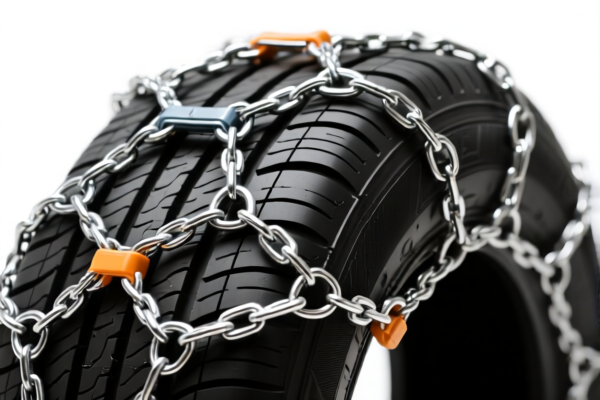
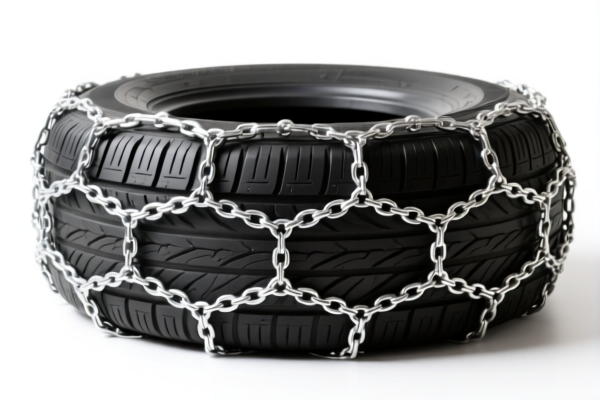
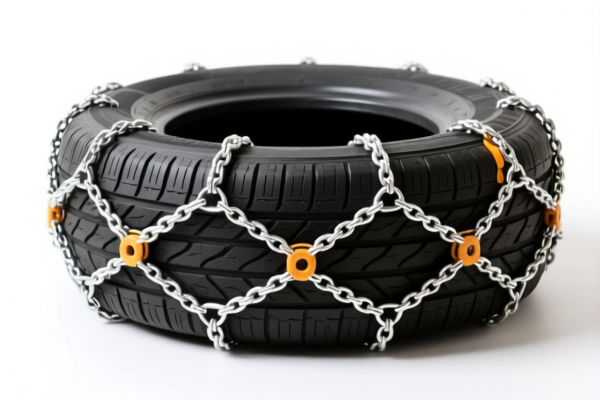
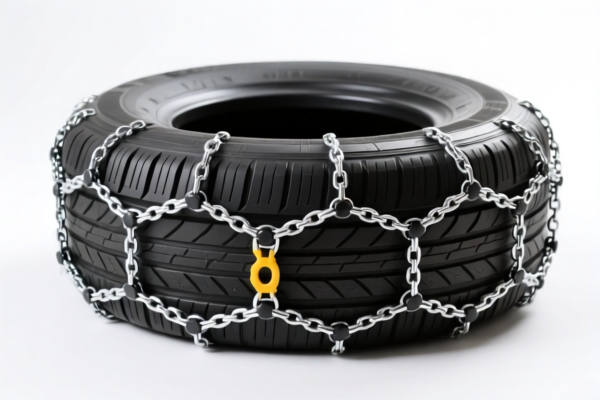
AI Analysis
🚗 Tire Patches (Rubber Repair Kits)
🌐 HS Code Reference & Customs Clearance Guide | 2026 Latest Tariff Analysis | Professional-Level Compliance Strategy
📌 Part 1: Product Definition & Classification: Do You Really Understand “Tire Patches”?
Tire patches are essential maintenance components in the automotive industry, used to repair punctures in pneumatic tires. In international trade, they are strictly differentiated by material composition, chemical processing state, and specific application.
Vulcanized Rubber Patches: The most common type, used for tire repair. Requires classification under Chapter 40 (Rubber).
Unspecified Plastic/Rubber Items: Non-listed composite or generic rubber/plastic items. Classification under Chapter 39.
Composite Sealing Pads/Gaskets: Composite materials used for sealing. Classification under Chapter 39 with specific subheadings.
⚠️ Key Distinction Points:
- If made of vulcanized rubber specifically for tire repair → Classify under 4016.99.60.10 or 4016.99.60.50.
- If made of plastic/rubber composite but not specifically for tires → Classify under 3926.90.45.90 or 3926.90.99.89.
- If it is a whole tire (not just a patch) → Classify under 4012.12.40.35.
📦 Part 2: HS Code Classification Details (2026 Latest Tariff Authority Comparison)
| HS Code | Product Description | Application Scenario | Tax Rate Structure |
|---|---|---|---|
4016.99.60.10 |
Rubber patches for tire repair | Automotive tire repair kits | Total: 37.5% |
4016.99.60.50 |
Other vulcanized rubber articles, non-automotive | Industrial rubber parts, non-vehicle mechanical parts | Total: 37.5% |
4012.12.40.35 |
Rubber tires (other categories) | Whole tires, not just patches | Total: 39.0% |
3926.90.99.89 |
Other articles of plastic or rubber, not specified elsewhere | Generic plastic/rubber goods | Total: 22.8% |
3926.90.45.90 |
Rubber/plastic composite gaskets/patches | Sealing items, composite materials | Total: 13.5% |
🔍 Key Reminder:
- Vulcanized Rubber (Ch40): Subject to higher tariffs (37.5%) due to specific USITC and IEEPA rules.
- Composite/Plastic (Ch39): May have lower tariffs (13.5%-22.8%) if classified correctly as non-rubber or composite sealing items.
- Whole Tires vs. Patches: Never confuse a "patch" with a "tire". Whole tires are classified under 4012, while patches are under 4016 or 3926.
💰 Part 3: 2026 Latest Tariff Rate Details (Including Surtaxes, Policy Additions)
✅ Applicable Country: United States (US)
✅ Origin: China (CN)
✅ Effective Time: 2025 November 10 onwards (including subsequent imports)
🎯 1. 4016.99.60.10 – Rubber Patches for Tire Repair
| Item | Content |
|---|---|
| Basic Tariff | 2.5% |
| USITC Surtax (Section 301) | +25.0% |
| 122 Clause Tariff (IEEPA) | +10.0% |
| Total Tariff | 37.5% |
| Tax Calculation | CIF Value × 37.5% |
| De Minimis Exemption? | ❌ No (High risk of audit) |
| Legal Basis Path | IEEPA:122 → USITC:4016.99.60.10 → FOOTNOTE:Section 301 |
📌 Explanation:
- "2.5% Basic" is the standard MFN rate.
- "25% USITC Surtax" is from Section 301 trade remedies.
- "10% 122 Clause" is an additional surcharge applied to specific rubber products from China.
- Total 37.5% is a high tariff. Must be factored into cost modeling.
🎯 2. 4016.99.60.50 – Other Vulcanized Rubber Articles (Non-Vehicle)
| Item | Content |
|---|---|
| Basic Tariff | 2.5% |
| USITC Surtax (Section 301) | +25.0% |
| 122 Clause Tariff (IEEPA) | +10.0% |
| Total Tariff | 37.5% |
| Tax Calculation | CIF Value × 37.5% |
| De Minimis Exemption? | ❌ No |
| Legal Basis Path | IEEPA:122 → USITC:4016.99.60.50 → FOOTNOTE:Section 301 |
📌 Note:
- Same tariff rate as tire patches.
- Applies to other rubber parts not specifically for vehicles.
- Do not misclassify as plastic items to avoid penalties.
🎯 3. 4012.12.40.35 – Rubber Tires (Other Categories)
| Item | Content |
|---|---|
| Basic Tariff | 4.0% |
| USITC Surtax (Section 301) | +25.0% |
| 122 Clause Tariff (IEEPA) | +10.0% |
| Total Tariff | 39.0% |
| Tax Calculation | CIF Value × 39.0% |
| De Minimis Exemption? | ❌ No |
| Legal Basis Path | IEEPA:122 → USITC:4012.12.40.35 → FOOTNOTE:Section 301 |
📌 Warning:
- This is for whole tires, not patches.
- Highest tariff in this list (39.0%).
- Misdeclaring patches as tires is rare, but misdeclaring tires as patches is a major red flag.
🎯 4. 3926.90.99.89 – Other Articles of Plastic or Rubber (Unspecified)
| Item | Content |
|---|---|
| Basic Tariff | 5.3% |
| USITC Surtax (Section 301) | +7.5% |
| 122 Clause Tariff (IEEPA) | +10.0% |
| Total Tariff | 22.8% |
| Tax Calculation | CIF Value × 22.8% |
| De Minimis Exemption? | ❌ No |
| Legal Basis Path | IEEPA:122 → USITC:3926.90.99.89 → FOOTNOTE:Section 301 |
📌 Note:
- Lower than rubber chapters (Ch40) if correctly classified as "unspecified plastic/rubber".
- Requires proof that it is not specifically "vulcanized rubber tire repair material".
🎯 5. 3926.90.45.90 – Rubber/Plastic Composite Gaskets/Patches
| Item | Content |
|---|---|
| Basic Tariff | 3.5% |
| USITC Surtax (Section 301) | +0.0% |
| 122 Clause Tariff (IEEPA) | +10.0% |
| Total Tariff | 13.5% |
| Tax Calculation | CIF Value × 13.5% |
| De Minimis Exemption? | ❌ No |
| Legal Basis Path | IEEPA:122 → USITC:3926.90.45.90 → FOOTNOTE:Section 301 |
📌 Optimization Tip:
- Lowest tariff (13.5%) in the list.
- Applies to composite materials (rubber + plastic) used as seals/pads, not specifically for tire repair.
- If your product is a composite sealing pad, not a tire patch, this code is highly advantageous.
🛠️ Part 4: Customs Clearance Practical Advice (Combat Pitfall Guide)
✅ 1. Required Documentation Checklist (None Can Be Omitted)
| Document | Must Provide | Description |
|---|---|---|
| ✅ Product Specification Sheet | ✔️ | Material composition (Vulcanized Rubber vs. Plastic Composite), dimensions, curing process. |
| ✅ Material Safety Data Sheet (MSDS) | ✔️ | Essential for rubber/plastic chemicals. |
| ✅ Product Photos | ✔️ | Clear view of label, texture, and any markings indicating use (e.g., "Tire Repair"). |
| ✅ Commercial Invoice | ✔️ | Must accurately describe the item. Avoid vague terms like "Rubber Part". |
| ✅ Packing List | ✔️ | Confirm no whole tires are included if declaring patches. |
| ✅ Certificate of Origin (CO) | ✔️ | If not China origin, may reduce IEEPA 122 Clause. |
✅ 2. Declaration Tips (Key Mantras)
🔥 “Material Dictates Chapter, Use Dictates Subheading, Avoid ‘Tire’ for Patches!”
| Scenario | Correct Declaration | Wrong Practice |
|---|---|---|
| Vulcanized Rubber Tire Patches | 4016.99.60.10 |
Misdeclare as Plastic → 22.8% (but risk penalty) |
| Composite Sealing Pads | 3926.90.45.90 |
Misdeclare as Tire Patches → 37.5% |
| Whole Rubber Tires | 4012.12.40.35 |
Misdeclare as Patches → 37.5% (underpayment) |
| Generic Plastic/Rubber Parts | 3926.90.99.89 |
Misdeclare as Specific Rubber → 22.8% vs 37.5% |
✅ 3. Special Case Handling
| Situation | Handling Advice |
|---|---|
| Composite Patches | Provide lab tests proving it is a rubber-plastic composite, not pure vulcanized rubber, to qualify for 13.5% (3926.90.45.90). |
| Tire Repair Kits | If it includes vulcanized rubber patches, declare as 4016.99.60.10. Do not split kits. |
| Non-Tire Rubber Parts | If not for tires, declare as 4016.99.60.50. Same tax but different legal description. |
| Origin Change | If rubber is processed in Mexico/Vietnam, IEEPA 122 Clause (10%) may be avoidable. Seek Advance Ruling. |
🌍 Part 5: Global Major Market Clearance Comparison (2026 Latest)
| Country/Region | Recommended HS Code | Tariff | Certification | Notes |
|---|---|---|---|---|
| 🇺🇸 USA | 4016.99.60.10 |
37.5% | None Specific | High due to Section 301 + 122 Clause |
| 🇨🇳 China | 4016.99.60.10 |
~2.5% | None | No additional surtaxes |
| 🇪🇺 EU | 4016.99.90 |
~0-4% | REACH | No Section 301 equivalent |
| 🇲🇽 Mexico | 4016.99.90 |
0% (NAFTA/USMCA) | None | Free trade with US |
📌 Conclusion:
- USA has the highest tariffs due to specific punitive clauses (301 + 122).
- Material definition is critical: Pure Vulcanized Rubber = 37.5%; Composite = 13.5%-22.8%.
- Optimization Strategy: If your product is a composite seal (not strictly a tire patch), consider3926.90.45.90for 13.5%.
📌 Part 6: Common Mistakes & Pitfall Guide (Lessons Learned)
❌ Mistake 1: Declaring Vulcanized Rubber Patches as Plastic Items
👉 Consequence: Customs audit → Penalty + Back Taxes + Potential seizure.
❌ Mistake 2: Using Vague Names like "Rubber Repair Kit"
👉 Consequence: Customs may default to the highest duty rate or detain shipment.
❌ Mistake 3: Confusing Patches with Whole Tires
👉 Consequence: Misclassification leads to incorrect tax calculation (39.0% vs 37.5%) and compliance flags.
❌ Mistake 4: Ignoring the 122 Clause
👉 Consequence: Unexpected 10% surcharge added at border if not pre-paid or accounted for.
✅ Correct Practice:
“Vulcanized Rubber Patch for Pneumatic Tire Repair, Model XYZ, 100% Rubber, Not for Aviation”
🎯 Part 7: Conclusion: Professional Declaration, Cost Optimization!
🎯 Remember the Mantras:
🔹 “Rubber is 37.5%, Composite is 13.5%!”
🔹 “Don’t hide the material, declare the truth!”
🔹 “122 Clause is 10%, plan your cost!”
📌 Pro Tip:
If your product can be legally classified as a composite sealing pad (3926.90.45.90) rather than a tire patch, you save 24% in tariffs.
Get a customs ruling from your supplier or a broker to confirm material classification.
📣 Take Action Now:
📞 Consult a Customs Broker + Provide Material Composition Test Report
🚀 Optimize your HS Code, clear customs faster, reduce costs!
✨ Professional Clearance Starts with Accurate Classification!
💼 Every cent of cost deserves precision!
Customer Reviews
About HS Code Classification
The Harmonized System (HS) is an internationally standardized nomenclature developed by the World Customs Organization (WCO) to classify traded products. Over 200 countries use the HS system as the basis for customs tariffs, trade statistics, and import/export regulations.
Each HS code follows a hierarchical structure:
- Chapter (2 digits) — Broad category of goods (e.g., Chapter 84: Machinery and Mechanical Appliances)
- Heading (4 digits) — More specific grouping within the chapter
- Subheading (6 digits) — Internationally standardized breakdown, used by all WCO member countries
- National subdivisions (8-10 digits) — Country-specific extensions for further classification, such as US HTSUS 10-digit codes
Correct HS code classification is essential for smooth customs clearance, accurate duty payment, and compliance with trade regulations. Misclassification can lead to customs delays, overpayment of duties, or penalties.
When importing from CN to US, the applicable tariff rates may include:
- Most-Favored-Nation (MFN) rate — The standard duty rate applied to WTO members
- General rate — Applied to countries without trade agreements
- Trade remedy duties — Additional tariffs such as Section 301 (anti-dumping), Section 232 (national security), or countervailing duties
The information provided on this page is for reference purposes only. For official classification, please consult with your local customs authority or a licensed customs broker.