Tire Rim Protective Strip
CN → US| HS Code | Tariff Rate | Origin | Destination | Doc |
|---|---|---|---|---|
| 4016996050 | 37.5% | CN | US | Official Doc |
| 7326190080 | 87.9% | CN | US | Official Doc |
| 3926305000 | 22.8% | CN | US | Official Doc |
| 7326908688 | 87.9% | CN | US | Official Doc |
| 4016910000 | 37.7% | CN | US | Official Doc |
Product Images
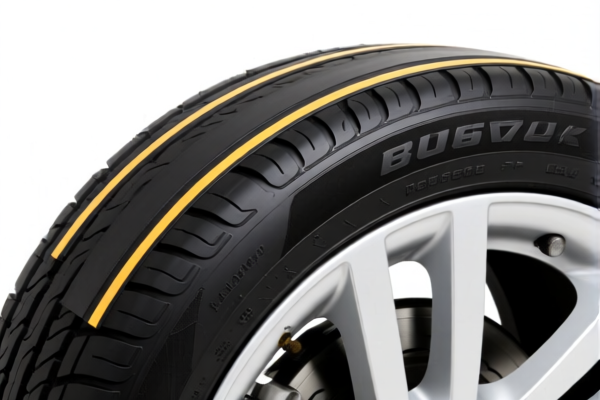
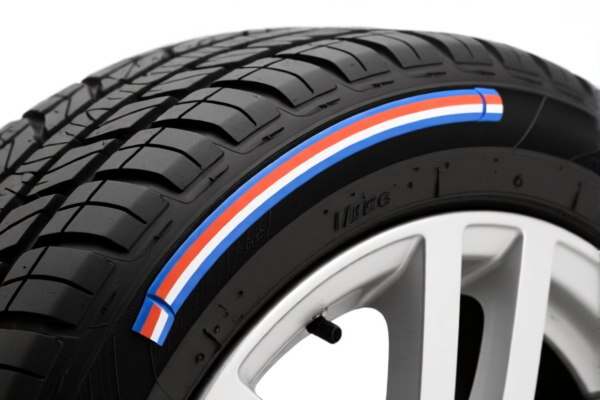
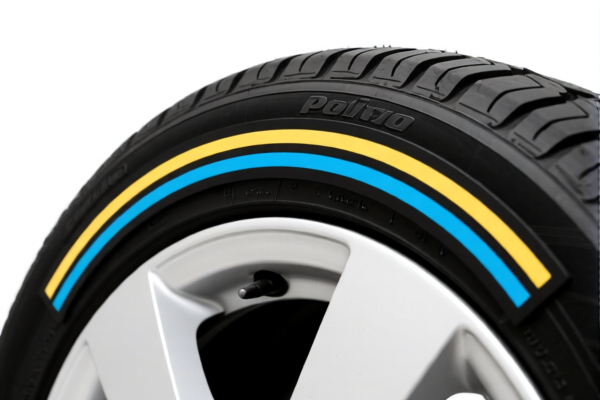
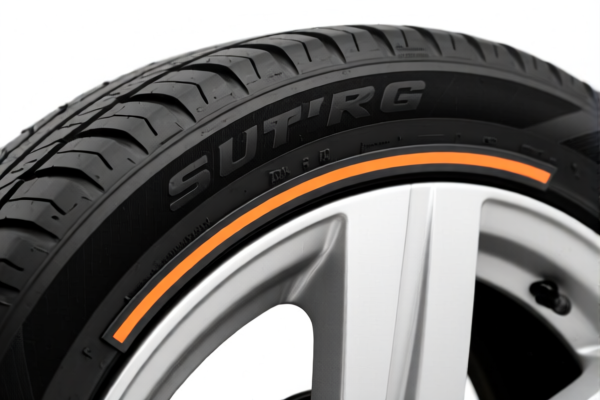
AI Analysis
🛡️ Tire Rim Protective Strip (Wheel Guard)
🌐 HS Code Reference & Clearance Guide | 2026 Latest Tariff Analysis | Professional Clearance Strategy 📌 I. Product Definition & Classification: What is a "Tire Rim Protective Strip"?
A Tire Rim Protective Strip (also known as a Wheel Guard, Rim Protector, or Wheel Trim) is an accessory designed to prevent damage to the wheel rim caused by curbs, potholes, or road debris. In international trade, the classification depends heavily on the material composition, as it determines whether it is treated as a rubber product, a metal product, or a plastic accessory.
Key Material Distinctions: * Rubber/Synthetic Rubber: Flexible, non-metallic strips often used as aftermarket accessories. * Steel/Metal: Rigid or semi-rigid guards, often chrome-plated or painted, used for aesthetic or protective purposes. * Plastic/Polymers: Lightweight, injection-molded strips, often used as connectors or trim pieces.
⚠️ Critical Classification Point:
- If the product is primarily rubber/synthetic rubber → It falls under Chapter 40.
- If the product is primarily steel/metal → It falls under Chapter 73.
- If the product is primarily plastic → It falls under Chapter 39.
Misclassification leads to significant tax differences (e.g., 37.5% vs. 87.9%).
📦 II. HS Code Classification Details (Based on Provided Data)
Based on the inference of material types, here are the four possible HS Codes and their corresponding tariff structures:
| HS Code | Material Inference | Product Description | Total Tax Rate | Key Tax Components |
|---|---|---|---|---|
4016.99.60.50 |
Rubber / Sulfurated Rubber | Other articles of vulcanized rubber, not elsewhere specified | 37.5% | Base: 2.5% + Section 301: 25% + 122 Tariff: 10% |
7326.19.00.80 |
Steel / Iron | Other articles of iron or steel (e.g., rigid guards) | 87.9% | Base: 2.9% + Section 301: 25% + 122 Tariff: 10% + Steel/Aluminum/Copper Surcharge: 50% |
3926.30.50.00 |
Plastic | Other articles of plastics (e.g., plastic connectors/trims for car bodies) | 22.8% | Base: 5.3% + Section 301: 7.5% + 122 Tariff: 10% |
7326.90.86.88 |
Steel / Iron | Other articles of iron or steel | 87.9% | Base: 2.9% + Section 301: 25% + 122 Tariff: 10% + Steel/Aluminum/Copper Surcharge: 50% |
🔍 Important Note:
- Steel Products (7326.19.00.80 & 7326.90.86.88) are subject to the highest tax burden (87.9%) due to the additional 50% surcharge for steel/aluminum/copper products.
- Rubber Products (4016.99.60.50) and Plastic Products (3926.30.50.00) have significantly lower rates (37.5% and 22.8% respectively).
- Accurate material declaration is crucial. If you declare a plastic strip as steel, you may face an unexpected 65% tax increase.
💰 III. Detailed Tariff Breakdown (2026 Latest Rates)
✅ Applicable Country: United States (US)
✅ Country of Origin: China (CN)
✅ Effective Date: Current rates apply as per 2025-2026 trade policies.
🎯 1. 4016.99.60.50 – Rubber/Synthetic Rubber Protective Strip
| Item | Detail |
|---|---|
| Base Tariff | 2.5% |
| Section 301 Surcharge | 25.0% |
| Section 122 Tariff | 10.0% |
| Total Tax Rate | 37.5% |
| Calculation | CIF Value × 37.5% |
| De Minimis Exemption | ❌ Not Eligible (High tariff rates typically exclude de minimis) |
| Legal Basis | USITC Footnote + IEEPA Authorities |
📌 Explanation:
- The 25% Section 301 tariff applies to most Chinese rubber products.
- The 10% Section 122 tariff is an additional national security surcharge.
- Total: 37.5%. This is a moderate-to-high tariff but significantly lower than steel equivalents.
🎯 2. 7326.19.00.80 & 7326.90.86.88 – Steel/Iron Protective Strip
| Item | Detail |
|---|---|
| Base Tariff | 2.9% |
| Section 301 Surcharge | 25.0% |
| Section 122 Tariff | 10.0% |
| Steel/Aluminum/Copper Surcharge | 50.0% |
| Total Tax Rate | 87.9% |
| Calculation | CIF Value × 87.9% |
| De Minimis Exemption | ❌ Not Eligible |
| Legal Basis | USITC Footnote + IEEPA Authorities + Steel Specific Provisions |
📌 Explanation:
- The 50% steel surcharge is the critical factor here. It applies to "steel, aluminum, copper products" under specific trade actions.
- Total: 87.9%. This is an extremely high tariff. Importing steel wheel guards from China is cost-prohibitive for most low-margin products.
- Recommendation: Avoid importing steel rim guards from China if possible, or explore alternative origins (e.g., Vietnam, Mexico) for preferential treatment.
🎯 3. 3926.30.50.00 – Plastic Protective Strip
| Item | Detail |
|---|---|
| Base Tariff | 5.3% |
| Section 301 Surcharge | 7.5% |
| Section 122 Tariff | 10.0% |
| Total Tax Rate | 22.8% |
| Calculation | CIF Value × 22.8% |
| De Minimis Exemption | ❌ Not Eligible |
| Legal Basis | USITC Footnote + IEEPA Authorities |
📌 Explanation:
- This is the most cost-effective option among the four.
- The Section 301 rate for plastics is lower (7.5%) compared to rubber (25%) or steel (25%).
- Total: 22.8%. If your product is plastic, ensure it is correctly classified here to minimize costs.
🛠️ IV. Clearance Operational Advice (Practical Pitfall Avoidance)
✅ 1. Document Preparation Checklist
| Document | Required | Reason |
|---|---|---|
| Product Specification Sheet | ✅ | Must clearly state material composition (e.g., "95% PVC, 5% Steel Core"). |
| Material Test Report | ✅ | Third-party lab report (e.g., SGS, Intertek) confirming material type. Crucial for customs verification. |
| Photos (Clear & Detailed) | ✅ | Show cross-section if possible to verify material layers. |
| Commercial Invoice | ✅ | Describe as "Plastic/Rubber/Steel Wheel Rim Protector," not just "Car Accessory." |
| Packing List | ✅ | List quantity and weight per unit. |
✅ 2. Declaration Strategy (Key Mnemonic)
🔥 “Material First, HS Code Second, Don’t Split!”
| Scenario | Correct Declaration | Consequence of Error |
|---|---|---|
| Plastic Strip | 3926.30.50.00 (22.8%) |
Misdeclare as Steel → 87.9% Tax + Penalties |
| Rubber Strip | 4016.99.60.50 (37.5%) |
Misdeclare as Plastic → 22.8% vs 37.5% (Underpayment penalty) |
| Steel Strip | 7326.19.00.80 (87.9%) |
Misdeclare as Rubber → 37.5% vs 87.9% (Severe underpayment) |
| Mixed Material | Declare Essential Character | Customs will inspect to find the primary material. |
✅ 3. Special Handling Tips
- Hybrid Products: If the guard has a steel core and rubber coating, customs may classify it based on the essential character. Typically, if rubber provides the primary function (protection/shock absorption), it may still be classified under Chapter 40. However, this is risky and requires Advance Ruling.
- Origin Labeling: Ensure "Made in China" is clearly marked. If you claim origin from elsewhere, you must provide proof of substantial transformation.
- Section 301 Exclusions: Check if the specific HS Code has been removed from the Section 301 list. As of 2026, most automotive rubber/plastic parts are still subject to tariffs.
🌍 V. Global Market Comparison (2026)
| Market | Recommended HS Code | Tariff (China Origin) | Remarks |
|---|---|---|---|
| 🇺🇸 USA | See Above | 22.8% - 87.9% | Highest Risk. Steel products face 87.9%. |
| 🇨🇳 China (Import) | Same HS Codes | 0% - 5% | Low tariffs, no Section 301/122. |
| 🇪🇺 EU | 4016.99 / 7326.90 / 3926.90 | 4.5% - 6.5% | No Section 301. Lower base tariffs. |
| 🇲🇽 Mexico | Varies | 0% - 5% | Under USMCA, if rules of origin met. |
| 🇻🇳 Vietnam | Varies | 0% - 10% | Potential alternative for assembly to avoid US tariffs. |
📌 Conclusion:
- USA is the most challenging market due to Section 301 + Section 122 + Steel Surcharge.
- Plastic products are the most tariff-efficient.
- Steel products are highly discouraged for direct export from China to the US due to 87.9% total tax.
📌 VI. Common Mistakes & Pitfalls
❌ Mistake 1: Declaring all rim guards as "Plastic" to avoid high taxes.
👉 Result: Customs inspection reveals steel content → 87.9% tax + 200% penalty.
❌ Mistake 2: Not providing material test reports.
👉 Result: Customs defaults to the highest possible tariff or holds the shipment.
❌ Mistake 3: Ignoring the "Steel/Aluminum/Copper Surcharge" for Chapter 73 products.
👉 Result: Unexpected 50% additional tax on top of Section 301.
✅ Correct Approach:
"Wheel Rim Protector, Plastic, Black, Model XYZ, Material: PVC, HS Code: 3926.30.50.00"
🎯 VII. Final Recommendation: Cost-Effective Clearance
🎯 Remember:
🔹 “Plastic Wins: 22.8% is the sweet spot.”
🔹 “Steel Loses: 87.9% is a deal-breaker.”
🔹 “Rubber in the Middle: 37.5% is manageable but not optimal.”
🚀 Strategic Advice:
- Switch Material: If possible, redesign the protective strip to use Plastic (PVC/TPU) instead of Steel or Rubber. This saves up to 65% in taxes compared to steel.
- Third-Country Assembly: If you must use steel, consider assembling or finishing the product in Vietnam or Mexico to mitigate US tariffs (subject to strict rules of origin).
- Advance Ruling: For hybrid products, file an Advance Ruling with US Customs to get a binding classification decision before shipment.
📣 Immediate Action:
📞 Contact your customs broker with material test reports.
📊 Calculate landed cost based on HS Code 3926.30.50.00 (Plastic) vs. 7326.19.00.80 (Steel).
🚀 Optimize your supply chain to avoid steel imports from China to the US.
✨ Precise Classification Saves Millions!
💼 Every percentage point in tariff is pure profit lost or gained!
Customer Reviews
About HS Code Classification
The Harmonized System (HS) is an internationally standardized nomenclature developed by the World Customs Organization (WCO) to classify traded products. Over 200 countries use the HS system as the basis for customs tariffs, trade statistics, and import/export regulations.
Each HS code follows a hierarchical structure:
- Chapter (2 digits) — Broad category of goods (e.g., Chapter 84: Machinery and Mechanical Appliances)
- Heading (4 digits) — More specific grouping within the chapter
- Subheading (6 digits) — Internationally standardized breakdown, used by all WCO member countries
- National subdivisions (8-10 digits) — Country-specific extensions for further classification, such as US HTSUS 10-digit codes
Correct HS code classification is essential for smooth customs clearance, accurate duty payment, and compliance with trade regulations. Misclassification can lead to customs delays, overpayment of duties, or penalties.
When importing from CN to US, the applicable tariff rates may include:
- Most-Favored-Nation (MFN) rate — The standard duty rate applied to WTO members
- General rate — Applied to countries without trade agreements
- Trade remedy duties — Additional tariffs such as Section 301 (anti-dumping), Section 232 (national security), or countervailing duties
The information provided on this page is for reference purposes only. For official classification, please consult with your local customs authority or a licensed customs broker.