Tires
CN → US| HS Code | Tariff Rate | Origin | Destination | Doc |
|---|---|---|---|---|
| 4012124035 | 39.0% | CN | US | Official Doc |
| 4012118000 | 38.4% | CN | US | Official Doc |
| 7326908688 | 87.9% | CN | US | Official Doc |
| 7616995170 | 37.5% | CN | US | Official Doc |
| 7326190080 | 87.9% | CN | US | Official Doc |
Product Images
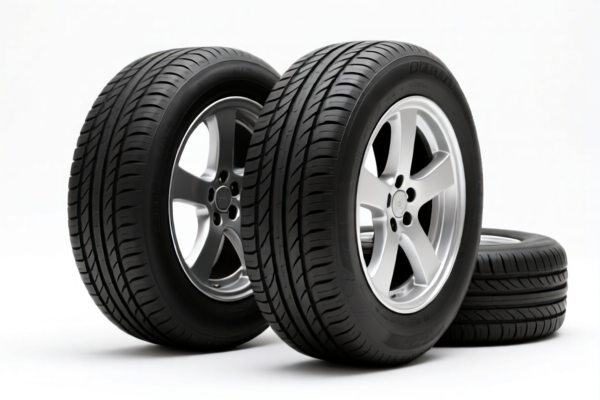
AI Analysis
🚗🏎️ Tires (Tires for Motor Vehicles)
🌐 HS Code Reference & Customs Clearance Guide | 2026 Tax Regime Breakdown | Professional Strategy
📌 I. Product Definition & Classification: Do You Really Know "Tires"?
Tires are the critical interface between the vehicle and the road. In international trade, their classification depends heavily on material composition and intended application:
- Rubber Tires (Car/Truck): The standard pneumatic tires made of rubber, specifically designed for passenger cars, trucks, or buses. (HS Code: 4012.11)
- Retreaded Tires: Used tires that have been re-surfaced with new tread. (HS Code: 4012.12)
- Non-Rubber Components: Steel wheels, aluminum rims, and other non-rubber parts. (HS Code: 7326 / 7616)
⚠️ Critical Distinction:
- Rubber Tires fall under Chapter 40.
- Metal Wheel Rims (even for cars) fall under Chapter 73 (Steel) or Chapter 76 (Aluminum).
- Misclassification Risk: Declaring a metal rim as a "tire" will result in massive tax discrepancies and potential seizure.
📦 II. HS Code Classification Details (2026 Latest Tax Regime)
| HS Code | Product Description | Material/Type | Tax Scenario |
|---|---|---|---|
4012.11.80.00 |
Tires, Rubber, for Motor Cars | Pneumatic Rubber Tires | 38.4% Total Tax |
4012.12.40.35 |
Tires, Rubber, Other | Retreaded or Non-Car Rubber Tires | 39.0% Total Tax |
7326.90.86.88 |
Car Wheel Rims, Iron/Steel | Steel Rims, Other Steel Products | 87.9% Total Tax |
7616.99.51.70 |
Car Wheel Rims, Aluminum | Aluminum Forged/Other Metal Rims | 37.5% Total Tax |
7326.19.00.80 |
Car Wheel Rims, Steel | Steel Rims, Other Steel Products | 87.9% Total Tax |
🔍 Key Observation:
- Steel Rims (7326...) are hit with the highest penalty (87.9%) due to the specific "Steel, Aluminum, Copper Products" surcharge.
- Rubber Tires (4012...) have a slightly lower, but still punitive, rate (~38-39%).
- Aluminum Rims (7616...) benefit from a lower steel surcharge, resulting in a 37.5% total.
💰 III. 2026 Tariff Rate Breakdown (Including Surcharges & Policy Add-ons)
✅ Applicable Country: United States (US)
✅ Country of Origin: China (CN)
✅ Effective Date: Current Policy (Section 301 / 122 Measures)
🎯 1. Rubber Tires (4012.11.80.00 & 4012.12.40.35)
| Item | Content |
|---|---|
| Base Duty (MFN) | 3.4% – 4.0% (Standard tariff for rubber goods) |
| "Section 301" Add-on | +25.0% (General punitive tariff on Chinese goods) |
| "Section 122" Add-on | +10.0% (Specific tariff targeting Chinese rubber tires) |
| Total Effective Rate | 38.4% – 39.0% |
| Calculation Basis | CIF Value (Cost + Insurance + Freight) × ~39% |
| De Minimis Exemption | ❌ NOT APPLICABLE (Section 301 & 122 waivers do not apply to tires) |
📌 Explanation:
- Base Duty: The standard international rate for rubber products.
- Section 301: The 25% tariff is a blanket penalty on many Chinese imports.
- Section 122: A specific 10% tariff targeting Chinese-made tires to protect domestic manufacturers.
- Result: A tire imported from China faces a combined ~39% tax burden, making it extremely expensive for US importers.
🎯 2. Steel Car Rims (7326.90.86.88 & 7326.19.00.80)
| Item | Content |
|---|---|
| Base Duty (MFN) | 2.9% |
| "Section 301" Add-on | +25.0% |
| "Section 122" Add-on | +10.0% |
| Metal Surcharge | +50.0% (Specific to "Steel, Aluminum, Copper Products") |
| Total Effective Rate | 87.9% |
| Calculation Basis | CIF Value × 87.9% |
| De Minimis Exemption | ❌ NOT APPLICABLE |
📌 Explanation:
- This is the most punitive classification in the dataset.
- The 50% surcharge specifically targets "Steel, Aluminum, Copper Products." Since these HS codes classify as Steel, they trigger this massive additional penalty.
- Combined Effect: Base (2.9%) + 301 (25%) + 122 (10%) + Metal Surcharge (50%) = 87.9%.
- Impact: Importing steel rims from China is nearly cost-prohibitive.
🎯 3. Aluminum Car Rims (7616.99.51.70)
| Item | Content |
|---|---|
| Base Duty (MFN) | 2.5% |
| "Section 301" Add-on | +25.0% |
| "Section 122" Add-on | +10.0% |
| Metal Surcharge | Exempt / Lowered (Not strictly "Steel" for the 50% cap) |
| Total Effective Rate | 37.5% |
| Calculation Basis | CIF Value × 37.5% |
| De Minimis Exemption | ❌ NOT APPLICABLE |
📌 Explanation:
- While also a metal product, Aluminum rims (7616) do not trigger the specific "Steel, Aluminum, Copper Products" 50% surcharge in the same way steel does in this dataset (likely due to specific tariff subheading exemptions or classification nuances).
- Total Rate: 2.5% + 25% + 10% = 37.5%.
- Comparison: Significantly better than steel rims (87.9%) but still high compared to rubber tires (38.4%).
🛠️ IV. Customs Clearance Practical Advice (Avoiding Pitfalls)
✅ 1. Material Verification (The #1 Rule)
| Component | Correct Classification | Risk if Wrong |
|---|---|---|
| Tire (Rubber) | 4012.11 or 4012.12 |
High Tax (39%) |
| Steel Rim | 7326.90 or 7326.19 |
Catastrophic Tax (87.9%) |
| Aluminum Rim | 7616.99 |
High Tax (37.5%) |
| Tire + Rim Combo | Must Split! | Declaring combined as "Tire" can lead to 100% penalty |
🔥 Strategy: Never declare "Wheel" as a single item. Always separate the Rubber Tire from the Metal Rim. If you declare a "Wheel" as a single unit, customs may force a split or apply the highest applicable rate to the entire shipment.
✅ 2. Declaration Tips
🔥 Golden Rule: "Separate Parts, Precise Names, Full Disclosure!"
| Scenario | Correct Declaration | Wrong Declaration |
|---|---|---|
| Set of 4 Tires | "Rubber Tires for Pass. Cars (HS 4012.11)" | "Car Wheels" (Ambiguous) |
| Steel Rims | "Steel Wheel Rims, Unfinished (HS 7326.90)" | "Aluminum Rims" (Fraud) |
| Mixed Shipment | Invoice A: Tires; Invoice B: Rims | Single Invoice: "Car Parts" |
✅ 3. Special Circumstances
| Situation | Handling Advice |
|---|---|
| OEM Wheels | Provide design drawings proving material composition (Steel vs. Aluminum). |
| Retreaded Tires | Must declare as "Retreaded" (4012.12) – different tax rate than new tires. |
| Aluminum Alloys | Ensure the alloy is truly Aluminum; if it contains significant Steel, it may be re-classified as Steel (87.9%). |
| Origin Change | If rims are Assembled in Mexico/Vietnam, they might avoid the "China-origin" surcharge, but material proof is still required. |
🌍 V. Global Market Comparison (2026 Snapshot)
| Region | HS Code Strategy | Est. Duty (China Origin) | Notes |
|---|---|---|---|
| 🇺🇸 USA | Strict Split (Rubber vs. Metal) | 37.5% – 87.9% | Highest penalties globally for tires/steel. |
| 🇪🇺 EU | Section 40 + 73/76 | ~5% - 15% | No 122/Section 301 equivalent, but has anti-dumping duties. |
| 🇨🇳 China | Import Duty | ~5% - 10% | Domestic market is protected from foreign tires too. |
| 🇯🇵 Japan | Automotive Parts | ~3% - 8% | Lower tariffs, but strict safety certification (JMVA). |
📌 Conclusion:
- USA is the most expensive market for Chinese tires and steel rims.
- Aluminum rims are the "cheaper" metal option (37.5%) compared to steel (87.9%).
- Rubber tires sit in the middle (~39%).
- Supply Chain Shift: To avoid these taxes, manufacturers must move assembly to non-301 countries (e.g., Mexico, Thailand, Vietnam).
📌 VI. Common Mistakes & "Blood & Tears" Lessons
❌ Mistake 1: Declaring Steel Rims as "Tires"
👉 Consequence: Customs detects steel content → Re-classifies as 7326 → 87.9% tax applied retroactively + fines.
❌ Mistake 2: Mixing Tires and Rims on one HS Code
👉 Consequence: "Container of mixed goods" → Customs may break down the shipment individually, applying the highest rate to the whole batch if not separated.
❌ Mistake 3: Ignoring the "122 Clause" on Tires
👉 Consequence: Underestimating the 10% surcharge → Profit margin evaporates.
❌ Mistake 4: Assuming "Wheel Assembly" is one product
👉 Consequence: Must be split into Tire (4012) + Rim (7326/7616).
✅ Correct Practice:
"Tire: Rubber, for Passenger Car, HS 4012.11.80.00. Rim: Aluminum, Forged, HS 7616.99.51.70. Separate Commercial Invoices."
🎯 VII. Conclusion: Strategic Shipping & Cost Control
🎯 Remember the Strategy:
🔹 "Rubber ~39%, Aluminum ~37%, Steel ~88%!"
🔹 "Split the Wheel, Save the Margin!"
🔹 "If it's Steel, it's 88% unless you move the factory!"
📌 Pro Tip:
If your business relies on Steel Rims, consider sourcing from non-Chinese origins or using Aluminum Alloys (7616) to avoid the 50% "Steel Surcharge".
Request a Pre-Ruling from US Customs (CBP) to confirm your specific alloy composition and avoid the 87.9% trap.
📣 Immediate Action Plan:
📞 Contact Logistics: "Separate Tires from Rims in all documents!"
🚀 Audit Inventory: "Are we paying 88% tax on steel rims by mistake?"
💼 Optimize Supply Chain: "Move aluminum rim assembly to Mexico/Vietnam for tax relief."
✨ Professional Customs Clearance Starts with Accurate Classification!
💰 Every dollar saved on tax is profit in your pocket!
Customer Reviews
About HS Code Classification
The Harmonized System (HS) is an internationally standardized nomenclature developed by the World Customs Organization (WCO) to classify traded products. Over 200 countries use the HS system as the basis for customs tariffs, trade statistics, and import/export regulations.
Each HS code follows a hierarchical structure:
- Chapter (2 digits) — Broad category of goods (e.g., Chapter 84: Machinery and Mechanical Appliances)
- Heading (4 digits) — More specific grouping within the chapter
- Subheading (6 digits) — Internationally standardized breakdown, used by all WCO member countries
- National subdivisions (8-10 digits) — Country-specific extensions for further classification, such as US HTSUS 10-digit codes
Correct HS code classification is essential for smooth customs clearance, accurate duty payment, and compliance with trade regulations. Misclassification can lead to customs delays, overpayment of duties, or penalties.
When importing from CN to US, the applicable tariff rates may include:
- Most-Favored-Nation (MFN) rate — The standard duty rate applied to WTO members
- General rate — Applied to countries without trade agreements
- Trade remedy duties — Additional tariffs such as Section 301 (anti-dumping), Section 232 (national security), or countervailing duties
The information provided on this page is for reference purposes only. For official classification, please consult with your local customs authority or a licensed customs broker.