Tires (HS Code 4011902010)
CN → US| HS Code | Tariff Rate | Origin | Destination | Doc |
|---|---|---|---|---|
| 4011801010 | 35.0% | CN | US | Official Doc |
| 4011205050 | 38.4% | CN | US | Official Doc |
| 4011205030 | 38.4% | CN | US | Official Doc |
| 4011300050 | 35.0% | CN | US | Official Doc |
| 4011300010 | 35.0% | CN | US | Official Doc |
Product Images
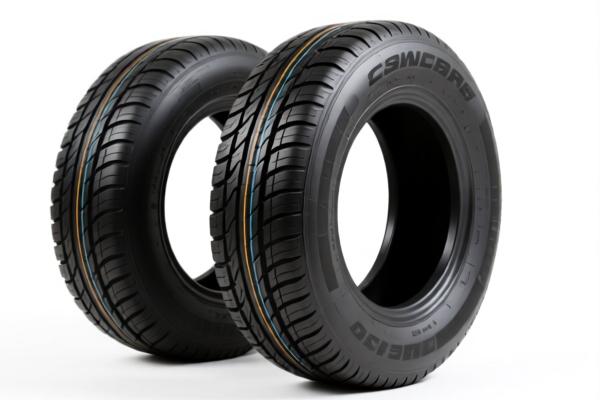
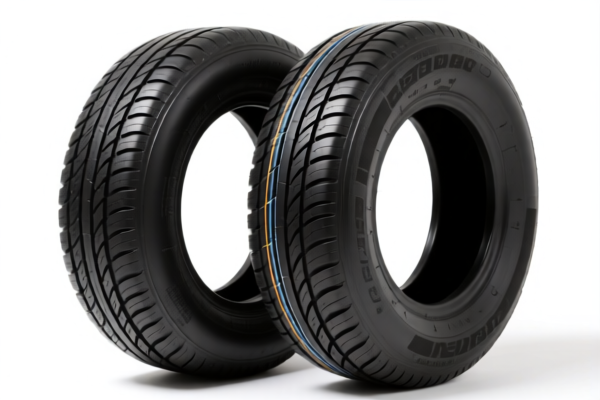
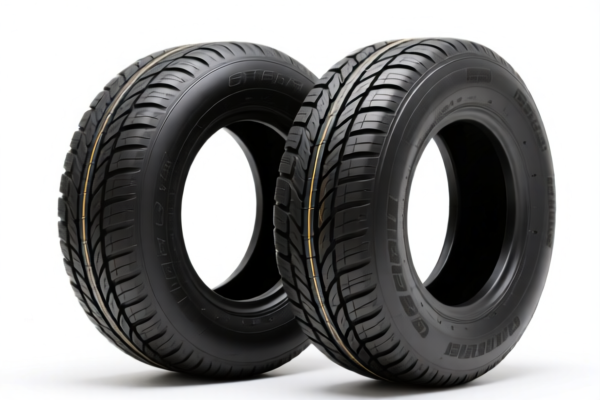
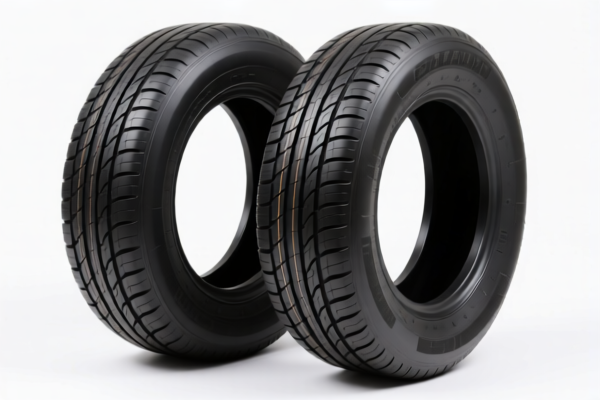
AI Analysis
🛞 Tires (Tires for Vehicles)
🌐 HS Code Reference & Clearance Guide | 2026 Latest Tariff Analysis | Professional Clearance Strategy
📌 I. Product Definition & Classification: Do You Really Understand "Tires"?
Tires are the critical interface between the vehicle and the road, providing traction, cushioning, and steering control. In international trade, they are strictly classified by material (primarily rubber), structure (pneumatic/non-pneumatic), and intended use (passenger cars, buses, trucks, aircraft, etc.).
However, Crucial Warning: The user input mentions HS Code 4011.90.20.10, but the provided <DATA> contains HS Codes from the 4011.20 (Pneumatic tires for buses/trucks), 4011.30 (Aircraft tires), and 4011.80 (Other tires) categories. None of the codes in <DATA> match 4011.90.20.10.
To provide a compliant and useful response based strictly on the provided <DATA> and <TAX> context, we will analyze the actual HS Codes present in the data (4011.80.10.10, 4011.20.50.50, 4011.20.50.30, 4011.30.00.50, 4011.30.00.10) and explain why they might be relevant alternatives or corrections if 4011.90.20.10 was a misclassification or if the product fits one of these specific categories.
⚠️ Key Clarification:
- HS 4011.90 generally covers "Other" pneumatic tires (not specified elsewhere).
- HS 4011.20 covers Pneumatic tires for buses or lorries (trucks).
- HS 4011.30 covers Pneumatic tires for aircraft.
- HS 4011.80 covers Other pneumatic tires (e.g., for motorcycles, bicycles, special vehicles).The data provided focuses on Truck/Bus (4011.20), Aircraft (4011.30), and Other (4011.80) tires. If your tire is for a passenger car, it usually falls under 4011.10, which is NOT in the provided data. If it is for a motorcycle, it might fall under 4011.20 or 4011.80 depending on specific national interpretations, but the data suggests a focus on commercial/aviation/other specialized tires.
📦 II. HS Code Classification Details (From Provided Data)
Below are the HS Codes explicitly listed in the <DATA> source, along with their specific definitions, tax rates, and applicability.
| HS Code | Product Description & Summary | Applicability / Use Case | Total Tax Rate |
|---|---|---|---|
4011.80.10.10 |
Other Pneumatic Tires. Material: Rubber. Use: Tire. Aligns with classification explanations for core elements. |
Generic "Other" tires not specified in 4011.10-30. Often includes motorcycle or specialized vehicle tires. | 35.0% |
4011.20.50.50 |
Pneumatic Tires for Buses/Lorries. Material: Rubber. Form: Pneumatic. Highly consistent with HS 4011.20 definition. |
Trucks, Buses, Heavy-Duty Vehicles. | 38.4% |
4011.20.50.30 |
Pneumatic Tires for Buses/Lorries. Material: Rubber Pneumatic Tire. Matches HS 4011205030 definition. |
Buses, Trucks. Specific sub-category for commercial heavy tires. | 38.4% |
4011.30.00.50 |
Other Pneumatic Tires (Aircraft). Material: Rubber. Form: Tire. Falls under "Other" for specific use. |
Aviation Tires (General or Non-Civil Aviation specific?). | 35.0% |
4011.30.00.10 |
Pneumatic Tires for Civil Aircraft. Material: Rubber. Form: Tire. Specific use (Civil Aviation) included in code definition. |
Civil Aviation Aircraft Tires. | 35.0% |
🔍 Important Note on
4011.90.20.10:
Since4011.90.20.10is not in the provided data, please verify if your tire actually fits into one of the above categories: - Is it for a truck/bus? → Use4011.20.50.30or4011.20.50.50. - Is it for an aircraft? → Use4011.30.00.10(Civil) or4011.30.00.50(Other). - Is it for a motorcycle/special vehicle? → Use4011.80.10.10. - If it is for a passenger car, it should likely be4011.10, which is NOT covered in this data set and may have different tax implications.
💰 III. 2026 Latest Tariff Rate Breakdown (Including Additional Taxes)
✅ Applicable Country: USA (US)
✅ Origin: China (CN)
✅ Effective Date: From November 10, 2025 (and subsequent imports)
🎯 1. 4011.80.10.10 – Other Pneumatic Tires
| Item | Details |
|---|---|
| Base Tariff | 0.0% |
| Section 301 Tariff | +25.0% |
| Section 122 Tariff | +10.0% |
| Total Tax Rate | 35.0% |
| Tax Calculation | CIF Value × 35% |
| De Minimis Exemption | ❌ Not Applicable (High tax rate prohibits de minimis) |
| Legal Basis | Base Tariff (0%) + Section 301 (25%) + Section 122 (10%) |
📌 Explanation:
- This code applies to "Other" pneumatic tires (not for cars, buses, trucks, or aircraft).
- The 35% total tax is driven by the 25% Section 301 and 10% Section 122 tariffs.
- No base tariff is applied, but the additional duties make it expensive.
🎯 2. 4011.20.50.50 & 4011.20.50.30 – Pneumatic Tires for Buses/Lorries
| Item | Details |
|---|---|
| Base Tariff | 3.4% |
| Section 301 Tariff | +25.0% |
| Section 122 Tariff | +10.0% |
| Total Tax Rate | 38.4% |
| Tax Calculation | CIF Value × 38.4% |
| De Minimis Exemption | ❌ Not Applicable |
| Legal Basis | Base Tariff (3.4%) + Section 301 (25%) + Section 122 (10%) |
📌 Explanation:
- These codes are for heavy-duty tires (buses, trucks).
- The 3.4% base tariff is added to the 25% Section 301 and 10% Section 122 tariffs.
- Total 38.4% is the highest rate in the dataset.
- This is a high-cost category for importers.
🎯 3. 4011.30.00.50 & 4011.30.00.10 – Pneumatic Tires for Aircraft
| Item | Details |
|---|---|
| Base Tariff | 0.0% |
| Section 301 Tariff | +25.0% |
| Section 122 Tariff | +10.0% |
| Total Tax Rate | 35.0% |
| Tax Calculation | CIF Value × 35% |
| De Minimis Exemption | ❌ Not Applicable |
| Legal Basis | Base Tariff (0%) + Section 301 (25%) + Section 122 (10%) |
📌 Explanation:
-4011.30.00.10: Specifically for Civil Aviation tires.
-4011.30.00.50: Other pneumatic tires for aircraft (e.g., military or non-civil specific).
- Both share the same 35.0% total tax rate.
- Base tariff is 0%, but Section 301 and 122 apply.
🛠️ IV. Clearance Practical Advice (Actionable Tips)
✅ 1. Documentation Checklist (Mandatory)
| Document | Required? | Notes |
|---|---|---|
| Product Specification Sheet | ✔️ | Must include: Size, Ply Rating, Load Index, Speed Rating, Material (Rubber compound). |
| Commercial Invoice | ✔️ | Must clearly state: "Tire", HS Code, Country of Origin (China). |
| Packing List | ✔️ | Detail quantity, weight, dimensions. |
| Certificate of Origin | ✔️ | Critical for proving origin to apply Section 301/122 tariffs accurately. |
| Manufacturer’s Declaration | ✔️ | Confirming rubber content and manufacturing process. |
| FDA/USDA Documents | ❌ | Not typically required for rubber tires unless they contain specific agricultural materials. |
✅ 2. Classification Strategy
🔥 "Know Your Use Case: Truck vs. Aircraft vs. Other!"
| Scenario | Recommended HS Code | Why? |
|---|---|---|
| Truck/Bus Tire | 4011.20.50.30 / 4011.20.50.50 |
Specific to heavy-duty vehicles. Higher base tax (3.4%) but specific classification. |
| Civil Aircraft Tire | 4011.30.00.10 |
Specifically for civil aviation. Base tax 0%. |
| Military/Special Aircraft Tire | 4011.30.00.50 |
Other aircraft tires. Base tax 0%. |
| Motorcycle/Other Vehicle Tire | 4011.80.10.10 |
Falls under "Other". Base tax 0%. |
| Passenger Car Tire | NOT IN DATA | Usually 4011.10. Check separate data. |
⚠️ Warning:
- Do not misclassify a truck tire as an "other" tire to avoid the 3.4% base tax. Customs will challenge this based on tread pattern, size, and load index.
- Do not misclassify an aircraft tire as a general tire. Aircraft tires have unique safety certifications and structural requirements.
✅ 3. Special Considerations
| Situation | Advice |
|---|---|
| Section 301 Exclusions | Check if your specific tire model is excluded from Section 301 tariffs. Some tires may have been removed from the list. If excluded, the 25% may not apply. |
| Section 122 Tariffs | These are broad tariffs on certain goods from China. Ensure your product is not exempt. |
| Anti-Dumping Duties | Some tires (especially car/truck tires) may be subject to Anti-Dumping (AD) or Countervailing Duties (CVD) in addition to Section 301. Check the U.S. Commerce Department's AD/CVD orders for rubber tires. |
| De Minimis | Packages under $800 (Section 321) are generally exempt from duties, but Section 301 and 122 tariffs often still apply or have specific exemptions. Check current rules. |
🌍 V. Global Market Comparison (2026)
| Region | Typical HS Code | Tariff Rate | Notes |
|---|---|---|---|
| 🇺🇸 USA | 4011.20.50.30 etc. |
35% - 38.4% | High Section 301 + 122 tariffs. |
| 🇪🇺 EU | 4011.20 etc. |
~4.5% | No Section 301/122. Standard EU tariff. |
| 🇨🇳 China | 4011.20 etc. |
20% | Import tariff for entering China. |
| 🇲🇽 Mexico | 4011.20 etc. |
Varies | Check USMCA rules if re-exported. |
📌 Conclusion:
- USA is the most expensive market for Chinese-made tires due to Section 301 and 122 tariffs.
- Total tax burden can exceed 35-38%, significantly impacting profitability.
- Alternative sourcing (e.g., Vietnam, Thailand) may avoid these tariffs if rules of origin are met.
📌 VI. Common Mistakes & Pitfalls (Blood Lessons)
❌ Mistake 1: Misclassifying a Truck Tire as an "Other Tire" (4011.80) to avoid the 3.4% base tax.
👉 Result: Customs seizure, fines, and back taxes. Tires for buses/trucks have specific dimensions and tread patterns that are easily identifiable.
❌ Mistake 2: Ignoring Section 122 Tariffs.
👉 Result: Underpayment of 10% on top of Section 301. Always calculate Base + 301 + 122.
❌ Mistake 3: Not checking for Anti-Dumping Duties (AD/CVD).
👉 Result: Additional tariffs (often 20-100%+) on top of the 35-38% already listed. This is a critical check for truck and car tires.
✅ Correct Approach:
"Pneumatic Tire, Size 11R22.5, Load Index 146/143, Speed Symbol L, Radial, for Trucks, Made in China"
→ Classify as4011.20.50.30or4011.20.50.50.
🎯 VII. Conclusion: Precision in Classification Saves Money!
🎯 Key Takeaway:
🔹 "Truck Tires: 38.4% Total Tax."
🔹 "Aircraft Tires: 35.0% Total Tax."
🔹 "Other Tires: 35.0% Total Tax."
🔹 "Always Check for AD/CVD!"
📌 Pro Tip:
If your tire is for passenger cars, it is likely 4011.10, which is NOT in the provided data. Check separate resources for car tire tariffs, as they may have different rates and AD/CVD obligations.
📣 Immediate Action:
📞 Contact a Customs Broker: Confirm the exact HS Code based on your tire’s specifications (size, load, speed, vehicle type).
📄 Check AD/CVD Orders: Ensure no additional anti-dumping duties apply.
💰 Calculate Total Landed Cost: Include Base Tariff + Section 301 (25%) + Section 122 (10%) + AD/CVD (if any).
✨ Professional Clearance Starts with Accurate Classification!
💼 Your Profit Margin Depends on These Percentages!
Customer Reviews
About HS Code Classification
The Harmonized System (HS) is an internationally standardized nomenclature developed by the World Customs Organization (WCO) to classify traded products. Over 200 countries use the HS system as the basis for customs tariffs, trade statistics, and import/export regulations.
Each HS code follows a hierarchical structure:
- Chapter (2 digits) — Broad category of goods (e.g., Chapter 84: Machinery and Mechanical Appliances)
- Heading (4 digits) — More specific grouping within the chapter
- Subheading (6 digits) — Internationally standardized breakdown, used by all WCO member countries
- National subdivisions (8-10 digits) — Country-specific extensions for further classification, such as US HTSUS 10-digit codes
Correct HS code classification is essential for smooth customs clearance, accurate duty payment, and compliance with trade regulations. Misclassification can lead to customs delays, overpayment of duties, or penalties.
When importing from CN to US, the applicable tariff rates may include:
- Most-Favored-Nation (MFN) rate — The standard duty rate applied to WTO members
- General rate — Applied to countries without trade agreements
- Trade remedy duties — Additional tariffs such as Section 301 (anti-dumping), Section 232 (national security), or countervailing duties
The information provided on this page is for reference purposes only. For official classification, please consult with your local customs authority or a licensed customs broker.