Tissue Holder
CN → US| HS Code | Tariff Rate | Origin | Destination | Doc |
|---|---|---|---|---|
| 3924901050 | 13.3% | CN | US | Official Doc |
| 3924905650 | 20.9% | CN | US | Official Doc |
| 6307909891 | 24.5% | CN | US | Official Doc |
| 4202929700 | 52.6% | CN | US | Official Doc |
| 6307908995 | 17.0% | CN | US | Official Doc |
Product Images

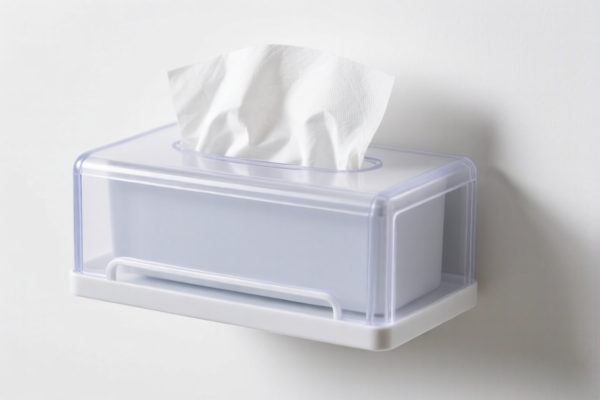

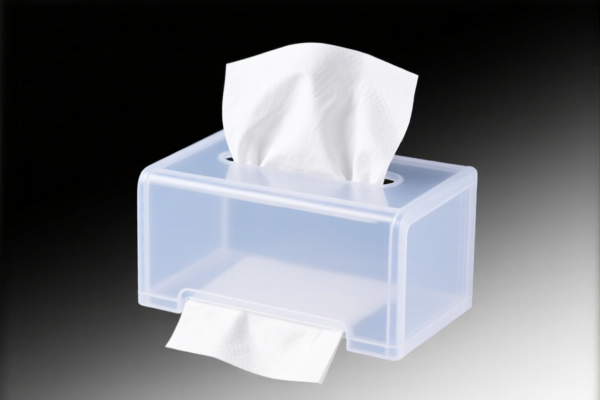
AI Analysis
📦 Tissue Holder (Tissue Box Cover)
🌐 HS Code Reference & Customs Clearance Guide | 2026 Latest Tariff Analysis | Professional Strategy
📌 I. Product Definition & Classification: What Exactly is a "Tissue Holder"?
A tissue holder, also known as a tissue box cover, is a household accessory designed to hold and dispense facial tissues. In international trade, the classification is highly sensitive to material composition and form factor. There is no single HS code for "tissue holder"; instead, it splits into Plastic, Textile/Fabric, and Other Container categories.
⚠️ Key Distinction:
- If made of Plastic (rigid or flexible) → Classified under Chapter 39 (Plastics).
- If made of Fabric/Textile (cloth, cotton, woven material) → Classified under Chapter 63 (Other made-up textile articles).
- If it is a container-like structure made of textile or plastic sheeting → May fall under Chapter 42 (Articles of leather, travel goods, etc.).
📊 II. HS Code Classification Details (2026 Latest Tariff Concordance)
Based on the provided data, here are the 5 valid classifications for tissue holders, ranked by potential tax efficiency.
| HS Code | Product Description | Material/Use Case | Total Tax Rate |
|---|---|---|---|
| 3924.90.10.50 | Plastic household articles (Tissue box) | Plastic, rigid/flexible, household use | 13.3% ✅ Lowest Tax |
| 3924.90.56.50 | Other plastic household articles | Plastic, general household item | 20.9% |
| 6307.90.89.95 | Other made-up textile articles (Quilt-like/Cover) | Fabric/Textile, cotton or woven, soft cover | 17.0% ✅ Lowest Textile Tax |
| 6307.90.98.91 | Other made-up textile articles | Textile, general finished good | 24.5% |
| 4202.92.97.00 | Articles of a kind normally carried in pocket/handbag | Textile/Plastic sheet, container-like structure | 52.6% ❌ Highest Tax |
🔍 Critical Insight:
- Plastic Tissue Holders generally fall under 3924.90 (Plastic tableware/kitchenware/household articles).
- Fabric Tissue Covers (soft, squeezable) often fall under 6307.90 (Other made-up articles).
- Avoid 4202.92.97.00 unless the item is strictly a "case" or "pouch" for carrying tissues, as the tax rate is 52.6%.
💰 III. 2026 Latest Tariff Rate Breakdown (Detailed Tax Clauses)
✅ Applicable Country: United States (US)
✅ Origin: China (CN)
✅ Effective Date: Post-November 2025 (Current Policy)
🎯 1. 3924.90.10.50 —— Plastic Tissue Box (Lowest Tax)
| Item | Detail |
|---|---|
| Base Tariff | 3.3% (Most Favored Nation) |
| Section 301 Tariff (Add-on) | 0.0% (Exempt or low tier) |
| Section 122 Tariff (De Minimis/China) | 10% |
| Total Effective Tax | 13.3% |
| Legal Basis | USITC:3924.90.10.50 → Section 122: 10% |
📌 Explanation:
- This is the most cost-effective classification for plastic tissue holders.
- The base tariff is low (3.3%), and Section 122 adds 10%, totaling 13.3%.
- Note: Section 301 tariff is 0% for this specific subheading, making it highly competitive.
🎯 2. 3924.90.56.50 —— Other Plastic Household Articles
| Item | Detail |
|---|---|
| Base Tariff | 3.4% |
| Section 301 Tariff (Add-on) | 7.5% |
| Section 122 Tariff (De Minimis/China) | 10% |
| Total Effective Tax | 20.9% |
| Legal Basis | USITC:3924.90.56.50 → Section 301: 7.5% → Section 122: 10% |
📌 Explanation:
- Applies if the plastic tissue holder does not fit the "tableware/kitchenware" definition of 3924.90.10.50.
- Higher tax due to Section 301 (7.5% add-on).
🎯 3. 6307.90.89.95 —— Fabric/Cotton Tissue Cover (Lowest Textile Tax)
| Item | Detail |
|---|---|
| Base Tariff | 7.0% |
| Section 301 Tariff (Add-on) | 0.0% |
| Section 122 Tariff (De Minimis/China) | 10% |
| Total Effective Tax | 17.0% ✅ Lowest for Fabric |
| Legal Basis | USITC:6307.90.89.95 → Section 122: 10% |
📌 Explanation:
- Ideal for soft, fabric-based tissue covers (e.g., cotton, polyester weave).
- No Section 301 surcharge, only base + Section 122.
- Must be clearly made of textile material to qualify.
🎯 4. 6307.90.98.91 —— Other Textile Articles
| Item | Detail |
|---|---|
| Base Tariff | 7.0% |
| Section 301 Tariff (Add-on) | 7.5% |
| Section 122 Tariff (De Minimis/China) | 10% |
| Total Effective Tax | 24.5% |
| Legal Basis | USITC:6307.90.98.91 → Section 301: 7.5% → Section 122: 10% |
📌 Explanation:
- Generic textile classification. Higher tax due to Section 301.
🎯 5. 4202.92.97.00 —— Container-Like Article (High Risk)
| Item | Detail |
|---|---|
| Base Tariff | 17.6% |
| Section 301 Tariff (Add-on) | 25.0% |
| Section 122 Tariff (De Minimis/China) | 10% |
| Total Effective Tax | 52.6% ❌ Highest |
| Legal Basis | USITC:4202.92.97.00 → Section 301: 25% → Section 122: 10% |
📌 Explanation:
- This code is for "articles of a kind normally carried in pocket or handbag."
- Avoid this code for standard tissue holders unless it is explicitly a travel pouch/case.
- 25% Section 301 tariff makes this extremely expensive.
🛠️ IV. Customs Clearance Practical Advice
✅ 1. Documentation Checklist (Must-Have)
| Document | Requirement | Notes |
|---|---|---|
| Product Photos | ✔️ Front, back, side, and material close-up | Must clearly show if it’s plastic or fabric |
| Material Composition Label | ✔️ "100% Polypropylene" or "100% Cotton" | Critical for HS Code determination |
| Commercial Invoice | ✔️ Description: "Plastic Tissue Box Cover" or "Fabric Tissue Cover" | Avoid vague terms like "Home Decor" |
| HS Code Pre-Ruling | ✔️ Recommended | Submit to US CBP for binding decision |
| Origin Certificate | ✔️ If applicable | For any potential FTA benefits (unlikely for US) |
✅ 2. Declaration Strategy (Key Tips)
🔥 “Material First, Use Second, Avoid ‘Container’ Trap!”
| Scenario | Recommended HS Code | Tax Rate | Why? |
|---|---|---|---|
| Rigid Plastic Box | 3924.90.10.50 |
13.3% | Lowest tax, clear plastic household article |
| Flexible Plastic Cover | 3924.90.10.50 or 3924.90.56.50 |
13.3% or 20.9% | Check if it fits "tableware/kitchenware" definition |
| Fabric/Cotton Cover | 6307.90.89.95 |
17.0% | Lowest tax for textile items |
| Travel Tissue Pouch | 4202.92.97.00 |
52.6% | Only if explicitly a "pouch/case" |
⚠️ Warning:
- Do not declare a plastic tissue box as a "container" (4202) to avoid plastic tariffs; the opposite happens! Plastic has lower taxes (13.3%) than the generic container (52.6%).
- Ensure fabric content is clearly stated for6307codes. If it’s a plastic-coated fabric, CBP may reclassify as plastic (3924).
✅ 3. Special Considerations
| Case | Advice |
|---|---|
| Mixed Materials | If 51% fabric, 49% plastic, it may be classified as textile (6307) |
| Set with Tissues | Declare tissue box only; tissues are separate (4823.69) |
| Promotional Items | Still subject to full duty; no exemption for free goods |
| De Minimis (Section 321) | Not Applicable for China-origin goods under Section 122 |
🌍 V. Global Market Comparison (2026)
| Country/Region | Recommended HS Code | Tariff (China Origin) | Notes |
|---|---|---|---|
| 🇺🇸 USA | 3924.90.10.50 (Plastic) |
13.3% | Best option for plastic |
| 🇺🇸 USA | 6307.90.89.95 (Fabric) |
17.0% | Best option for fabric |
| 🇪🇺 EU | 3924.00 / 6307.90 |
0% - 4.5% | No Section 301/122; low tariffs |
| 🇨🇳 China | 3924.90 / 6307.90 |
5% - 9.5% | Lower base rates; no Section 122 |
| 🇬🇧 UK | 3924.00 / 6307.90 |
0% - 4% | Post-Brexit; preferential rates possible |
📌 Conclusion:
- USA has Section 122 (10%) and Section 301 tariffs, making classification critical.
- Plastic (3924.90.10.50) is the cheapest at 13.3%.
- Fabric (6307.90.89.95) is the cheapest textile option at 17.0%.
📌 VI. Common Mistakes & Pitfalls (Learn from Others)
❌ Mistake 1: Declaring a plastic tissue box as 4202.92.97.00 ("Container")
👉 Result: Tax jumps from 13.3% to 52.6% → +$39.30 per $100 extra duty!
❌ Mistake 2: Using vague description "Home Accessory"
👉 Result: CBP may apply worst-case tariff (e.g., 52.6%) or delay clearance.
❌ Mistake 3: Not specifying material (Plastic vs. Fabric)
👉 Result: CBP may reclassify as textile (24.5%) if they suspect it’s fabric, or vice versa.
✅ Correct Declaration Example:
"Plastic Tissue Box Cover, Household Use, 100% Polypropylene, HS Code 3924.90.10.50"
🎯 VII. Conclusion: Optimize Your Clearance, Maximize Profit!
🎯 Key Takeaways:
🔹 Plastic Tissue Holder →
3924.90.10.50→ 13.3% Tax
🔹 Fabric Tissue Cover →6307.90.89.95→ 17.0% Tax
🔹 Avoid4202.92.97.00→ 52.6% Tax (Unless it’s a travel pouch!)
🔹 Always specify material in commercial invoice.
📌 Pro Tip:
If you have both plastic and fabric options, choose plastic (
3924.90.10.50) for the lowest tax rate (13.3%).
If fabric is required by design, ensure it’s 100% textile to qualify for6307.90.89.95(17.0%).
📣 Next Steps:
📞 Contact a licensed customs broker to apply for a CBP Pre-Ruling.
📦 Update your commercial invoices with specific HS codes and material details.
🚀 Save up to 40% in duties by choosing the correct classification!
✨ Precision in Classification, Savings in Clearance!
💼 Every dollar saved in duty is pure profit!
Customer Reviews
About HS Code Classification
The Harmonized System (HS) is an internationally standardized nomenclature developed by the World Customs Organization (WCO) to classify traded products. Over 200 countries use the HS system as the basis for customs tariffs, trade statistics, and import/export regulations.
Each HS code follows a hierarchical structure:
- Chapter (2 digits) — Broad category of goods (e.g., Chapter 84: Machinery and Mechanical Appliances)
- Heading (4 digits) — More specific grouping within the chapter
- Subheading (6 digits) — Internationally standardized breakdown, used by all WCO member countries
- National subdivisions (8-10 digits) — Country-specific extensions for further classification, such as US HTSUS 10-digit codes
Correct HS code classification is essential for smooth customs clearance, accurate duty payment, and compliance with trade regulations. Misclassification can lead to customs delays, overpayment of duties, or penalties.
When importing from CN to US, the applicable tariff rates may include:
- Most-Favored-Nation (MFN) rate — The standard duty rate applied to WTO members
- General rate — Applied to countries without trade agreements
- Trade remedy duties — Additional tariffs such as Section 301 (anti-dumping), Section 232 (national security), or countervailing duties
The information provided on this page is for reference purposes only. For official classification, please consult with your local customs authority or a licensed customs broker.