Titanium Cup
CN → US| HS Code | Tariff Rate | Origin | Destination | Doc |
|---|---|---|---|---|
| 7323999030 | 88.4% | CN | US | Official Doc |
| 7323999080 | 88.4% | CN | US | Official Doc |
| 7615107180 | 63.1% | CN | US | Official Doc |
| 7615109100 | 70.6% | CN | US | Official Doc |
| 8108903060 | 40.5% | CN | US | Official Doc |
| 8108906075 | 50.0% | CN | US | Official Doc |
Product Images
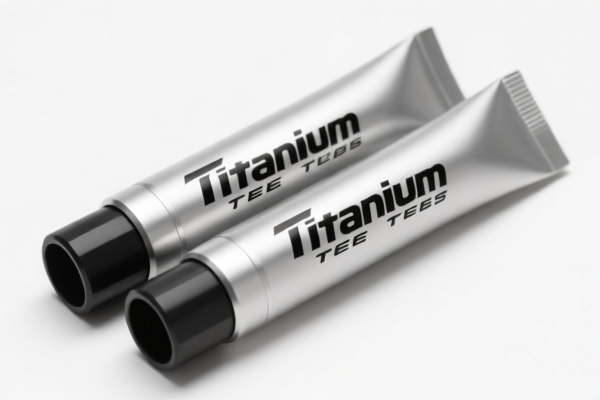
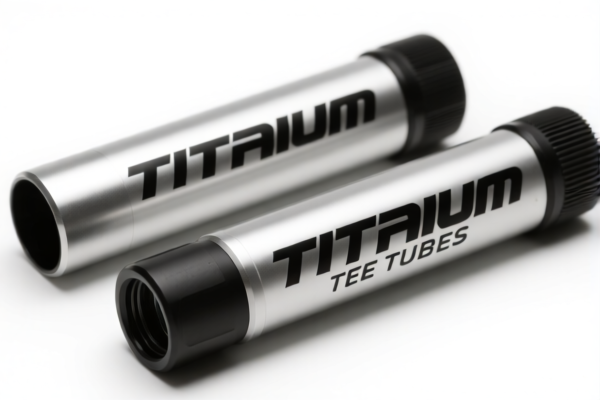
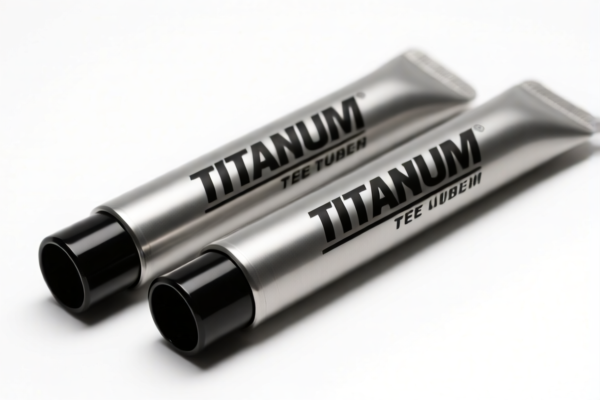
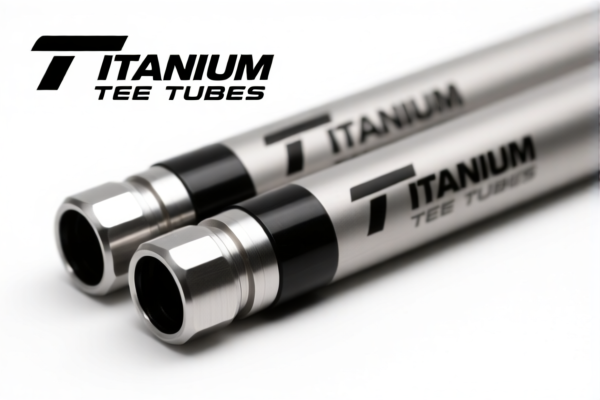
AI Analysis
☕ Titanium Cup (Titanium Tableware)
🌐 HS Code Reference & Clearance Guide | 2026 Latest Tariff Analysis | Professional Strategy for Metal Drinkware 📌 I. Product Definition & Classification: Is it Just a "Cup"?
Titanium cups, mugs, and tumblers are high-end drinkware valued for their lightweight nature, corrosion resistance, and health benefits. In international trade, they are strictly categorized under Household Articles of Aluminum or Titanium Articles, depending on the material. Crucially, they are NOT classified as glass, ceramic, or plastic.
⚠️ Key Distinction: - If made of Titanium: Must fall under Chapter 81 (Other Base Metals), specifically Heading 8108. - If made of Aluminum: Must fall under Chapter 76 (Aluminum), specifically Heading 7615. - Do NOT misclassify as Glassware (7013) or Plastic (3924); doing so leads to severe penalties and shipment delays.
📦 II. HS Code Classification Details (2026 Latest Tariff Concordance)
Based on the provided data, here are the specific HS Codes relevant to titanium drinkware and related metal household items. Note that pure "Titanium Cups" primarily map to Heading 8108.
| HS Code | Product Description | Applicable Scenario | Material |
|---|---|---|---|
8108.90.30.60 |
Articles of titanium (Other) | Pure titanium or titanium-alloy cups, mugs, thermoses | ✅ Titanium |
8108.90.60.75 |
Other articles of titanium | Generic titanium household items not specified elsewhere | ✅ Titanium |
7615.10.71.80 |
Aluminum cooking/kitchen ware (Non-nonstick, not enameled) | Aluminum mugs, pots, or kitchen accessories | ⚠️ Aluminum Only |
7615.10.91.00 |
Other aluminum table/kitchen articles | General aluminum household items | ⚠️ Aluminum Only |
7323.99.90.30 |
Iron/Steel table/kitchen articles | Stainless steel utensils (if not pure titanium) | ⚠️ Steel/Iron |
7323.99.90.80 |
Other iron/steel household articles | General steel household items | ⚠️ Steel/Iron |
🔍 Critical Alert for Titanium Cups: - Pure titanium cups must be declared under HS 8108.90. - Do not use Aluminum (7615) or Steel (7323) codes for titanium products, even if they look similar. Customs will demand material certificates (Mill Test Certificates) to verify the alloy composition.
💰 III. 2026 Latest Tariff Rate Breakdown (Including Additional Duties)
✅ Applicable Country: United States (US)
✅ Origin: China (CN)
✅ Effective Time: Current trade rules (2026)
🎯 1. 8108.90.30.60 & 8108.90.60.75 – Titanium Articles
| Item | Content |
|---|---|
| Base Tariff | 5.5% (for 8108.90.30.60) / 15.0% (for 8108.90.60.75) |
| Section 301 Additional Tariff | +25.0% (Standard for most Chinese titanium articles) |
| Total Tariff Rate | 30.5% (for 8108.90.30.60) 40.0% (for 8108.90.60.75) |
| Tax Calculation | CIF Value × Total Rate |
| De Minimis Exemption? | ❌ NO (Denied for Section 301 goods) |
📌 Explanation: - 30.5% Total Duty: Applies to specific titanium articles (e.g., specialized cups or parts). Base 5.5% + 25% Section 301. - 40.0% Total Duty: Applies to other generic titanium articles. Base 15.0% + 25% Section 301. - Warning: Titanium is considered a strategic material. Customs inspections are rigorous. Ensure your product description explicitly states "100% Titanium" or "Ti-Grade 2 Titanium" to avoid being misclassified as steel or aluminum, which might have different (potentially higher) penalty rates.
🎯 2. 7615.10.71.80 & 7615.10.91.00 – Aluminum Articles (Comparison)
If the cup is actually Aluminum (not Titanium), the rates are significantly higher due to specific steel/aluminum/copper additional tariffs.
| Item | Content |
|---|---|
| Base Tariff | 3.1% |
| Additional Tariff (Steel/Al/Cu) | +50.0% (Specific to Aluminum/Copper/Steel articles under certain trade actions) |
| Total Tariff Rate | 53.1% (7615.10.71.80) / 60.6% (7615.10.91.00) |
📌 Explanation: - Aluminum tableware is subject to a 50% additional tariff on top of the base rate, making it extremely costly to import compared to titanium. - Do not assume a metallic cup is aluminum unless verified. If it is Titanium, use HS 8108 (30.5-40%). If it is Aluminum, expect 53-60%. If it is Steel, expect ~78.4%.
🛠️ IV. Clearance Practical Advice (Real-World Pitfall Guide)
✅ 1. Required Documentation List (Non-Negotiable)
| Document | Required? | Description |
|---|---|---|
| ✅ Material Test Report (MTR) | YES | Must prove the item is Titanium (Ti-Gr 2/5), not stainless steel or aluminum. |
| ✅ Product Photos | YES | Clear images of the inside, outside, and any laser engravings (e.g., "100% Ti"). |
| ✅ Commercial Invoice | YES | Must specify: "Titanium Cup, Model XYZ, Material: Grade 2 Titanium." |
| ✅ Packing List | YES | Include net/gross weight accurately. |
| ✅ FCC/CE Certs | Optional | Generally not required for passive metalware, but helpful for branding. |
✅ 2. Declaration Tips (Key Mnemonics)
🔥 "Material First, Code Second, Never Guess!"
| Scenario | Correct Declaration | Wrong Declaration | Consequence |
|---|---|---|---|
| Titanium Cup | 8108.90.30.60 (Titanium) |
7323.99.90.30 (Steel) |
Misclassification Penalty + Back Duty (~78% vs 30%) |
| Aluminum Cup | 7615.10.71.80 (Aluminum) |
8108.90.30.60 (Titanium) |
Audit Trigger + Rejection |
| Mixed Material | Split declaration | One HS Code | Seizure Risk |
✅ 3. Special Cases
| Scenario | Handling Advice |
|---|---|
| Titanium + Plastic Lid | Declare as Titanium Article (8108) if titanium is the principal material. Include lid in description. |
| Titanium + Steel Reinforcement | If steel >5%, customs may reclassify as Steel (7323). Ensure Titanium is >90%. |
| OEM Custom Cups | Provide mold drawings. Proof of exclusivity helps in dispute resolution. |
| Sample vs. Commercial | Both are subject to duties. No "gift" exemption for commercial samples >$800 (if applicable). |
🌍 V. Global Market Comparison (2026)
| Country/Region | Recommended HS Code | Tariff Rate (China Origin) | Notes |
|---|---|---|---|
| 🇺🇸 USA | 8108.90.30.60 / .75 |
30.5% - 40.0% | High due to Section 301. |
| 🇨🇳 China | 8108.90 |
~5-10% | Low entry tariff. |
| 🇪🇺 EU | 8108.90 |
~5-7% | No additional trade war tariffs. |
| 🇯🇵 Japan | 8108.90 |
~5% | Stable rates. |
📌 Conclusion: - The US market is the most expensive for titanium cups due to the 25% Section 301 tariff. - Aluminum cups are even more expensive (53-60%) in the US. - Strategic Advice: If targeting the US, ensure strict material compliance to avoid being misclassified as steel (78.4%) or aluminum (60%). Titanium at 30.5-40% is still competitive, but only if correctly declared.
📌 VI. Common Mistakes & Pitfalls (Lessons Learned)
❌ Mistake 1: Declaring a Titanium Cup as "Stainless Steel" (7323) to save tax.
👉 Result: Customs detects titanium density/magnetism test. Penalty + 78.4% duty + fines.
❌ Mistake 2: Declaring an Aluminum Cup as "Titanium" to avoid the 50% aluminum surcharge. 👉 Result: Material test fails. Confiscation.
❌ Mistake 3: Ignoring the "Additional Tariff" line in the tax detail. 👉 Result: Budget shortfall. You expected 5% base, but paid 30.5% total.
✅ Correct Action:
"Titanium Insulated Cup, Grade 2 Pure Titanium, Vacuum Insulated, Model XYZ, Origin: China" HS Code:
8108.90.30.60
🎯 VII. Conclusion: Professional Clearance Saves Money
🎯 Remember the Golden Rule:
🔹 "Titanium is 8108, Aluminum is 7615, Steel is 7323. Don't mix them!" 🔹 "US Tariff: Ti ~35%, Al ~55%, Steel ~75%. Choose wisely."
📌 Pro Tip: If you are importing large volumes of titanium cups, consider applying for an HS Code Advance Ruling from US Customs (CBP) to lock in the classification and avoid surprises during clearance.
✨ Professional Clearance Starts with Accurate Classification! 💼 Your Cup's Value Depends on Your Code's Precision!
Customer Reviews
About HS Code Classification
The Harmonized System (HS) is an internationally standardized nomenclature developed by the World Customs Organization (WCO) to classify traded products. Over 200 countries use the HS system as the basis for customs tariffs, trade statistics, and import/export regulations.
Each HS code follows a hierarchical structure:
- Chapter (2 digits) — Broad category of goods (e.g., Chapter 84: Machinery and Mechanical Appliances)
- Heading (4 digits) — More specific grouping within the chapter
- Subheading (6 digits) — Internationally standardized breakdown, used by all WCO member countries
- National subdivisions (8-10 digits) — Country-specific extensions for further classification, such as US HTSUS 10-digit codes
Correct HS code classification is essential for smooth customs clearance, accurate duty payment, and compliance with trade regulations. Misclassification can lead to customs delays, overpayment of duties, or penalties.
When importing from CN to US, the applicable tariff rates may include:
- Most-Favored-Nation (MFN) rate — The standard duty rate applied to WTO members
- General rate — Applied to countries without trade agreements
- Trade remedy duties — Additional tariffs such as Section 301 (anti-dumping), Section 232 (national security), or countervailing duties
The information provided on this page is for reference purposes only. For official classification, please consult with your local customs authority or a licensed customs broker.