Toe Socks
CN → US| HS Code | Tariff Rate | Origin | Destination | Doc |
|---|---|---|---|---|
| 6217108500 | 24.6% | CN | US | Official Doc |
| 6115959000 | 31.0% | CN | US | Official Doc |
| 6217109550 | 32.1% | CN | US | Official Doc |
| 6115969020 | 24.6% | CN | US | Official Doc |
| 6217108500 | 24.6% | CN | US | Official Doc |
Product Images
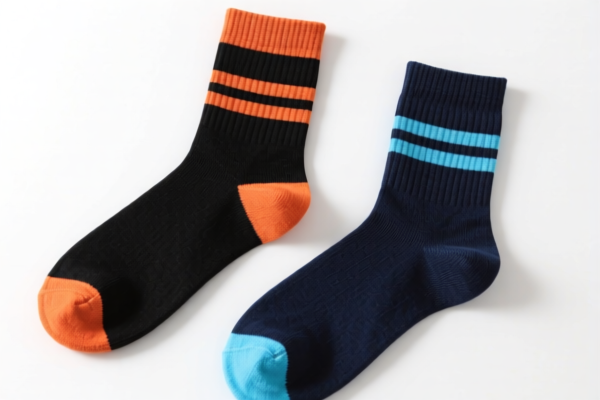
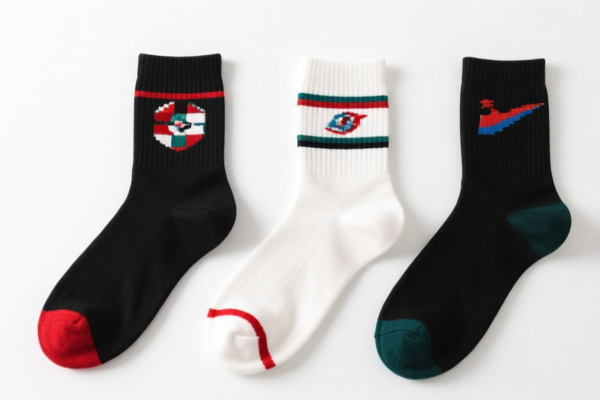
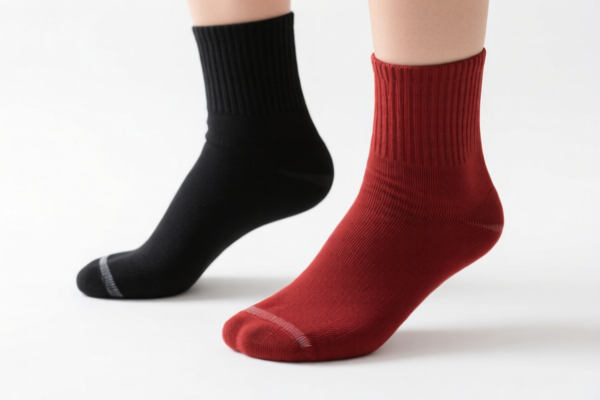
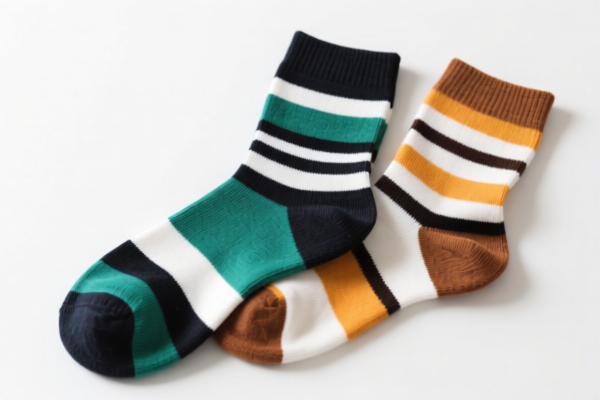
AI Analysis
🦶 Toe Socks (Split-Toe Socks)
🌐 HS Code Reference & Clearance Guide | 2026 Latest Tariff Analysis | Professional Customs Strategy
📌 I. Product Definition & Classification: Do You Really Understand "Toe Socks"?
Toe socks, also known as split-toe socks, are a specialized type of hosiery that separates each toe individually. In international trade, they are primarily classified based on their material composition (Cotton vs. Synthetic Fibers) and their structural nature (Knitted Hosiery vs. General Clothing Accessories).
Key Distinction Criteria: * Knitted Hosiery (Chapter 61): If the socks are knitted or crocheted and intended for wearing on the feet as standard footwear liners, they fall under Chapter 61. The specific sub-heading depends on whether the main material is cotton or synthetic fibers. * Clothing Accessories (Chapter 62): In some interpretations, if the product is deemed a non-knitted accessory or a specific garment part not covered by the hosiery chapter, it may be classified under Chapter 62 as "Other made-up clothing accessories."
⚠️ Critical Classification Point:
- If the product is Cotton-based and knitted → Likely6115.95.90.00
- If the product is Synthetic-based and knitted → Likely6115.96.90.20
- If classified broadly as a Garment Accessory (non-specific hosiery) → Likely6217.10.95.50or6217.10.85.00
📦 II. HS Code Classification Details (2026 Latest Tariff Authority Comparison)
Based on the provided data, here are the four potential HS Codes for Toe Socks, along with their tax implications.
| HS Code | Product Description | Material Inference | Category Logic |
|---|---|---|---|
6115.95.90.00 |
Toe Socks (Cotton) | Cotton | Classified as "Other knitted/crocheted socks" under Cotton category. |
6217.10.95.50 |
Toe Socks (Accessory) | Knitted Cotton or Synthetic | Classified as "Other made-up clothing accessories." |
6217.10.85.00 |
Toe Socks (Apparel Accessory) | Knitted / Cotton | Classified as "Other made-up clothing accessories" (Alternative Accessory Code). |
6115.96.90.20 |
Toe Socks (Synthetic) | Synthetic Fibers | Classified as "Other knitted/crocheted socks" under Synthetic Fibers category. |
🔍 Important Note:
- The choice between6115(Hosiery) and6217(Accessories) often depends on national customs interpretation and specific product construction.
-6115codes are generally preferred for standard foot-covering socks.
-6217codes may apply if the product is viewed as a detachable accessory rather than a primary garment.
💰 III. 2026 Latest Tariff Rate Breakdown (Including Additional Taxes & Policies)
✅ Applicable Country: United States (US)
✅ Country of Origin: China (CN)
✅ Effective Time: 2025/2026 (Based on provided 122-Clause and Additional Tariffs)
🎯 1. 6115.95.90.00 —— Toe Socks (Cotton Material)
| Item | Content |
|---|---|
| Basic Tariff | 13.5% |
| Section 301 Additional Tariff | 7.5% |
| Section 122 Tariff | 10.0% |
| Total Tariff Rate | 31.0% |
| Tax Calculation | CIF Value × 31.0% |
| De Minimis Exemption | ❌ Not Applicable (Section 301 & 122 tariffs typically void de minimis for China) |
| Legal Basis Path | HTSUS:6115.95.90.00 → Section 301 (7.5%) → Section 122 (10%) |
📌 Explanation:
- This code assumes the socks are cotton.
- The 31.0% total rate is high due to the combination of base tariff, Section 301, and Section 122 tariffs.
- Section 122 refers to specific trade remedies or additional duties imposed on certain Chinese goods.
🎯 2. 6217.10.95.50 —— Toe Socks (Garment Accessory)
| Item | Content |
|---|---|
| Basic Tariff | 14.6% |
| Section 301 Additional Tariff | 7.5% |
| Section 122 Tariff | 10.0% |
| Total Tariff Rate | 32.1% |
| Tax Calculation | CIF Value × 32.1% |
| De Minimis Exemption | ❌ Not Applicable |
| Legal Basis Path | HTSUS:6217.10.95.50 → Section 301 (7.5%) → Section 122 (10%) |
📌 Explanation:
- This code classifies toe socks as a general clothing accessory.
- It has the highest total tax rate (32.1%) among the options due to a higher base tariff (14.6%) compared to the cotton hosiery code.
- Use this only if customs explicitly requires classification outside of Chapter 61 hosiery.
🎯 3. 6217.10.85.00 —— Toe Socks (Alternative Accessory)
| Item | Content |
|---|---|
| Basic Tariff | 14.6% |
| Section 301 Additional Tariff | 0.0% |
| Section 122 Tariff | 10.0% |
| Total Tariff Rate | 24.6% |
| Tax Calculation | CIF Value × 24.6% |
| De Minimis Exemption | ❌ Not Applicable (Section 122 still applies) |
| Legal Basis Path | HTSUS:6217.10.85.00 → Section 122 (10%) |
📌 Explanation:
- This code also classifies toe socks as a clothing accessory.
- Key Advantage: It avoids the 7.5% Section 301 tariff, resulting in a lower total rate of 24.6% compared to6217.10.95.50.
- This is a strategic option if the product is deemed an accessory but qualifies for exemption from Section 301.
🎯 4. 6115.96.90.20 —— Toe Socks (Synthetic Fiber Material)
| Item | Content |
|---|---|
| Basic Tariff | 14.6% |
| Section 301 Additional Tariff | 0.0% |
| Section 122 Tariff | 10.0% |
| Total Tariff Rate | 24.6% |
| Tax Calculation | CIF Value × 24.6% |
| De Minimis Exemption | ❌ Not Applicable (Section 122 still applies) |
| Legal Basis Path | HTSUS:6115.96.90.20 → Section 122 (10%) |
📌 Explanation:
- This code is for synthetic fiber toe socks (e.g., polyester, nylon blends).
- Like6217.10.85.00, it avoids the 7.5% Section 301 tariff.
- Strategic Value: If your socks are primarily synthetic, this is the optimal classification to minimize costs at 24.6%.
🛠️ IV. Clearance Practical Advice (Avoid Pitfalls)
✅ 1. Material Verification is Crucial
| Material | Recommended HS Code | Total Tax | Why? |
|---|---|---|---|
| 100% Cotton | 6115.95.90.00 |
31.0% | Standard cotton hosiery classification. |
| Synthetic (Polyester/Nylon) | 6115.96.90.20 |
24.6% | Avoids Section 301; lower total tax. |
| Blended/Unclear | 6217.10.85.00 |
24.6% | Safer alternative if synthetic content is significant but not 100%. |
| Accessory-Only | 6217.10.95.50 |
32.1% | Avoid unless required; highest tax. |
📌 Tip:
- If your product contains both cotton and synthetic fibers, classify based on the principal material by weight.
- For synthetic-heavy socks,6115.96.90.20is the most cost-effective.
✅ 2. Documentation Checklist
| Document | Required? | Notes |
|---|---|---|
| ✅ Fabric Content Label | ✔️ | Must clearly state % of cotton vs. synthetic. |
| ✅ Product Photos | ✔️ | Show split-toe design clearly. |
| ✅ Bill of Lading / Invoice | ✔️ | Must match HS Code description exactly. |
| ✅ Origin Certificate | ✔️ | Essential for determining Section 301/122 applicability. |
✅ 3. Clearance Tips
-
Be Specific in Description:
Use: "Knitted Toe Socks, Synthetic Fiber, Split-Toe Design"
Avoid: "Socks" (Too vague) or "Cotton Socks" (If synthetic, leads to misclassification penalties). -
Section 301 Exemption Check:
Verify if your specific synthetic product qualifies for any exclusions from Section 301. If not, the 0% Section 301 under6115.96.90.20and6217.10.85.00is a major advantage. -
Section 122 Compliance:
Ensure all imports from China are declared correctly under Section 122, as it adds a flat 10% to the duty.
🌍 V. Global Market Comparison (2026)
| Country/Region | Recommended HS Code | Tariff Rate | Notes |
|---|---|---|---|
| 🇺🇸 USA | 6115.96.90.20 (Synthetic) |
24.6% | Best rate for synthetic; avoids Section 301. |
| 🇺🇸 USA | 6115.95.90.00 (Cotton) |
31.0% | Higher rate for cotton; includes Section 301. |
| 🇨🇳 China | 6115.96.00.00 |
~10-15% | Check local HTS for exact rate; no Section 301/122. |
| 🇪🇺 EU | 6115.96.00 |
~10-12% | No Section 301/122; standard MFN rate. |
| 🇬🇧 UK | 6115.96.00 |
~10-12% | Post-Brexit tariff schedule applies. |
📌 Conclusion:
- For US imports, classifying toe socks as synthetic hosiery (6115.96.90.20) or accessory (6217.10.85.00) saves 6.4% compared to cotton or higher accessory codes.
- Always verify the principal material to choose between6115.95(Cotton) and6115.96(Synthetic).
📌 VI. Common Mistakes & Pitfalls
❌ Mistake 1: Misclassifying synthetic socks as cotton
👉 Result: Using 6115.95.90.00 (31.0%) instead of 6115.96.90.20 (24.6%) → Overpayment of 6.4%.
❌ Mistake 2: Classifying as generic accessory (6217.10.95.50)
👉 Result: Paying 32.1% tax instead of 24.6% → Overpayment of 7.5%.
❌ Mistake 3: Ignoring Section 122
👉 Result: Under-declaring duties → Penalties and delays.
❌ Mistake 4: Using "Socks" without material specification
👉 Result: Customs may reclassify based on suspicion, leading to audits.
✅ Correct Practice:
"Toe Socks, Knitted, 95% Polyester, 5% Spandex, Split-Toe Design, Model XYZ"
→ Use HS Code6115.96.90.20→ Tax Rate 24.6%
🎯 VII. Conclusion: Smart Classification, Cost Savings!
🎯 Remember the Key Rule:
🔹 Synthetic Socks = 24.6% (
6115.96.90.20)
🔹 Cotton Socks = 31.0% (6115.95.90.00)
🔹 Accessory Classification = 24.6%-32.1% (Check material)🔹 "Material Matters! Synthetic Saves 6.4%!"
📌 Pro Tip:
If you are exporting to the US, ensure your product labels clearly state "Synthetic Fiber" if applicable. This supports the use of 6115.96.90.20 and avoids higher duties.
📣 Immediate Action:
📞 Confirm material composition with your supplier.
🚀 Select6115.96.90.20for synthetic toe socks to optimize tax at 24.6%.
📄 Ensure all documentation reflects the correct material % to pass customs smoothly.
✨ Professional Clearance Starts with Accurate Classification!
💼 Every Percent Counts in Global Trade!
Customer Reviews
About HS Code Classification
The Harmonized System (HS) is an internationally standardized nomenclature developed by the World Customs Organization (WCO) to classify traded products. Over 200 countries use the HS system as the basis for customs tariffs, trade statistics, and import/export regulations.
Each HS code follows a hierarchical structure:
- Chapter (2 digits) — Broad category of goods (e.g., Chapter 84: Machinery and Mechanical Appliances)
- Heading (4 digits) — More specific grouping within the chapter
- Subheading (6 digits) — Internationally standardized breakdown, used by all WCO member countries
- National subdivisions (8-10 digits) — Country-specific extensions for further classification, such as US HTSUS 10-digit codes
Correct HS code classification is essential for smooth customs clearance, accurate duty payment, and compliance with trade regulations. Misclassification can lead to customs delays, overpayment of duties, or penalties.
When importing from CN to US, the applicable tariff rates may include:
- Most-Favored-Nation (MFN) rate — The standard duty rate applied to WTO members
- General rate — Applied to countries without trade agreements
- Trade remedy duties — Additional tariffs such as Section 301 (anti-dumping), Section 232 (national security), or countervailing duties
The information provided on this page is for reference purposes only. For official classification, please consult with your local customs authority or a licensed customs broker.