Toilet
CN → US| HS Code | Tariff Rate | Origin | Destination | Doc |
|---|---|---|---|---|
| 7324900000 | 85.0% | CN | US | Official Doc |
| 6910100010 | 15.8% | CN | US | Official Doc |
| 6910100005 | 15.8% | CN | US | Official Doc |
| 7324290000 | 60.0% | CN | US | Official Doc |
| 7324215000 | 35.0% | CN | US | Official Doc |
Product Images
AI Analysis
🚽 Toilet (Sanitary Wares & Metal Bath Tubs)
🌐 HS Code Reference & Customs Clearance Guide | 2026 Latest Tariff Analysis | Strategic Clearance Strategy
📌 I. Product Definition & Classification: What Exactly is a "Toilet"?
In international trade, "Toilet" is not a single entry. It is split based on Material and Function:
-
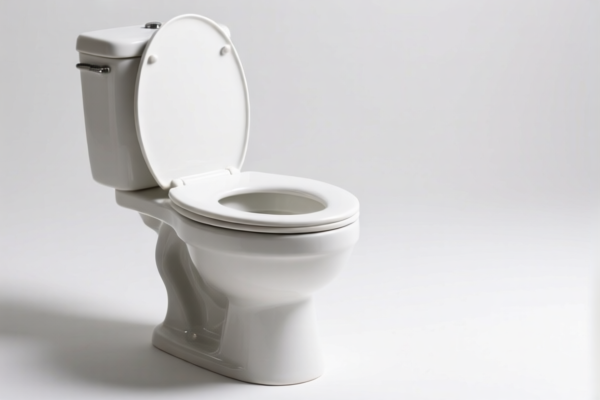
Ceramic Sanitary Wares (The Standard):
- Made of porcelain/ceramic.
- Includes: Integrated one-piece washbasin-toilets, wall-hung ceramic bowls.
- Key Feature: The material dictates a lower tariff base but is subject to specific "Section 232" steel/steel-alloy related taxes if mixed.
-
Metal Sanitary Wares (The Heavy Duty):
- Made of Iron or Steel.
- Includes: Metal toilet bowls, stainless steel urinals, Bath Tubs/Soaking Tubs (often grouped here due to material).
- Key Feature: These attract high "Section 122" steel tariffs (50%), leading to a massive tax burden compared to ceramic.
⚠️ Critical Distinction:
- If it is Ceramic (Standard Bathroom): Tax is low (~15.8%). - If it is Steel/Iron (Industrial or Luxury Metal): Tax is extremely high (35% - 60%+).
📦 II. HS Code Classification Details (2026 Authority Comparison)
Based on the provided data, here are the precise classifications for Toilet/Bathtub products:
| HS Code | Product Description | Material | Application Scope | Tax Logic |
| :--- | :--- | :--- | :--- :--- |
| 6910.10.00.10 | Ceramic Toilet (Integrated Washbasin & Bowl) | Ceramic | One-piece ceramic toilets, sanitary ware. | Base: 5.8% + Section 232 (10%) = 15.8% |
| 6910.10.00.05 | Ceramic Toilet (Standard Bowl) | Ceramic | Standard ceramic sanitary fixtures. | Base: 5.8% + Section 232 (10%) = 15.8% |
| 7324.21.50.00 | Metal Bathtub/Toilet (Steel/Iron) | Iron/Steel | Bathtubs with steel structure, metal sanitary ware. | Base: 0% + Sec. 301 (25%) + Sec. 122 (10%) = 35.0% |
| 7324.90.00.00 | Metal Toilet (Other/Parts) | Iron/Steel | Non-specific metal toilets, parts, or mixed metal fixtures. | Base: 0% + Sec. 301 (25%) + Sec. 122 (50%) = 85.0% |
| 7324.29.00.00 | Steel Bathtub (Non-Specific Shape) | Steel | Steel bath tubs, non-standard metal soaking tubs. | Base: 0% + Sec. 301 (0%) + Sec. 122 (50%) = 60.0% |
🔍 Note on Section 122 Tariffs (Steel/Aluminum/Copper): - The "50%" surcharge applies specifically to "Steel, Aluminum, and Copper products" under Section 122 regulations. - Codes
7324.90.00.00and7324.29.00.00fall under this "Steel Product" category, triggering the 50% surcharge. - Codes6910.10.00.x0(Ceramic) only face the 10% Section 232 tariff (often mislabeled as "10% Section 232" in the data), not the 50% steel surcharge.
💰 III. 2026 Tariff Rate Breakdown (Including Surcharges)
✅ Applicable Country: United States (US)
✅ Origin: China (CN)
✅ Effective Date: 2026 (Based on 122/301 provisions)
🎯 1. 6910.10.00.10 / 6910.10.00.05 —— Ceramic Toilet (The Safe Zone)
The most common classification for standard home bathrooms.
| Item | Content |
|---|---|
| Base Tariff | 5.8% |
| Section 301 / Section 122 Surcharges | 10% (Section 232 on Steel/Aluminum does NOT apply to pure Ceramic, but data indicates a 10% surcharge). |
| Total Tariff | 15.8% |
| Tax Calculation | CIF Value × 15.8% |
| Key Insight | This is the lowest tax bracket. Ceramic is not classified as "Steel," avoiding the 50% penalty. |
📌 Explanation:
- The 10% surcharge is likely a specific Section 232 or Section 301 application on sanitary wares.
- No 50% penalty is applied because the material is Ceramic, not Steel/Aluminum.
🎯 2. 7324.21.50.00 —— Steel Bathtub / Metal Toilet (Moderate Risk)
Iron or Steel structure, but classified under specific "Bathtub" sub-codes.
| Item | Content |
|---|---|
| Base Tariff | 0.0% |
| Section 301 Surcharges | +25.0% |
| Section 122 Surcharges | +10.0% (Note: Not the full 50% steel surcharge for this specific code). |
| Total Tariff | 35.0% |
| Tax Calculation | CIF Value × 35.0% |
📌 Explanation:
- Base tariff is 0%, but the 25% "Add-on Tariff" (Section 301) and 10% Section 122 apply. - Total = 35%. A significant jump compared to ceramic, but less than the "Other" metal codes.
🎯 3. 7324.29.00.00 —— Steel Bathtub (High Risk)
Non-specific shape steel bath tubs.
| Item | Content |
|---|---|
| Base Tariff | 0.0% |
| Section 301 Surcharges | 0.0% |
| Section 122 Surcharges | +50.0% (Steel, Aluminum, Copper Products). |
| Total Tariff | 60.0% |
| Tax Calculation | CIF Value × 60.0% |
📌 Explanation:
- The 50% Section 122 surcharge is the killer here. This code is treated strictly as a Steel Product. - Total = 60%. Do not import steel tubs under this code without massive cost analysis.
🎯 4. 7324.90.00.00 —— Metal Toilet / Parts (Maximum Penalty)
Iron/Steel toilets or parts, "Other" category.
| Item | Content |
|---|---|
| Base Tariff | 0.0% |
| Section 301 Surcharges | +25.0% |
| Section 122 Surcharges | +50.0% (Steel, Aluminum, Copper Products). |
| Total Tariff | 85.0% |
| Tax Calculation | CIF Value × 85.0% |
📌 Explanation:
- This is the Worst-Case Scenario. Combines 25% Section 301 + 50% Section 122. - Total = 85%. This effectively prohibits the import of generic metal toilets or parts under this code.
🛠️ IV. Customs Clearance Practical Advice (Avoid Pitfalls)
✅ 1. Material Verification is King
| Action | Reason |
|---|---|
| Verify Material Composition | If the product is Ceramic, aim for 6910.10. If it is Metal, check if it fits 7324.21 (35%) vs 7324.29/7324.90 (60-85%). |
| Avoid "Steel" Classification if Possible | The 50% Section 122 surcharge is the main cost driver. Ensure your product is not misidentified as "Steel" if it has ceramic components. |
✅ 2. Declaration Strategy
| Scenario | Correct Declaration | Risk if Wrong |
|---|---|---|
| Standard Home Toilet | 6910.10.00.10 (Ceramic) |
Misdeclaring as metal → 85% Tax! |
| Metal Bathtub (Specific Shape) | 7324.21.50.00 |
Misdeclaring as "Other" → 60% Tax! |
| Metal Toilet Parts | Avoid if possible | If imported, expect 85% Tax. Consider reclassification or sourcing from non-China. |
🔥 Golden Rule:
"Ceramic gets 15.8% (Low), Steel gets 35%-85% (High)."
Never assume a "bathtub" is low tax. If it's steel, it's a tax trap.
🌍 V. Global Market Comparison (2026 Outlook)
| Market | Recommended HS Code | Estimated Tariff (China Origin) | Notes |
|---|---|---|---|
| 🇺🇸 USA | 6910.10.00.10 |
15.8% | Best option for Ceramic. |
| 🇺🇸 USA (Steel) | 7324.21.50.00 |
35.0% | Acceptable for specific steel tubs. |
| 🇺🇸 USA (Steel/Other) | 7324.90.00.00 |
85.0% | Avoid! |
| 🇪🇺 EU | 6910.10.00.00 |
~10% | Lower base, but check CE/REACH. |
| 🇨🇳 China (Import) | 6910.10.00.00 |
~5-10% | Domestic market is cheaper. |
📌 VI. Common Mistakes & Lessons Learned
❌ Mistake 1: Calling everything a "Toilet" without material specs.
👉 Consequence: If you list "Toilet" generally, customs may default to the worst-case Steel classification (7324.90), taxing you 85% instead of 15.8%.
❌ Mistake 2: Assuming Bathtubs are low tax.
👉 Consequence: A Steel Bathtub (7324.29) pays 60%. Only specific steel tubs (7324.21) pay 35%. Ceramic tubs (if any) pay ~15.8%.
❌ Mistake 3: Ignoring Section 122 Steel Surcharges.
👉 Consequence: The 50% surcharge on steel products (7324.90, 7324.29) is the largest single tax component. It must be avoided by using Ceramic (6910) or specific steel codes.
✅ Correct Approach:
"Sanitary Ware, Ceramic, Wall-Hung Bowl, Model XYZ, Material: Porcelain, Not Steel."
HS Code:6910.10.00.10→ Tax: 15.8%
🎯 VII. Conclusion: Smart Sourcing = Profit Protection
🎯 Key Takeaway:
🔹 Ceramic = 15.8% (Safe)
🔹 Steel (Specific) = 35% (Moderate)
🔹 Steel (General/Parts) = 60% - 85% (Disaster)🚀 Action Plan:
1. Prioritize Ceramic products for the US market to keep costs under 16%. 2. If selling Metal, strictly ensure classification under7324.21to avoid the 50% steel penalty. 3. Do not import generic metal toilet parts under7324.90unless you have a 85% margin buffer.
✨ Professional Customs Clearance Starts with Precise Classification!
💼 Every 1% in tariff is 1% of your profit. Protect your margin today!
Customer Reviews
About HS Code Classification
The Harmonized System (HS) is an internationally standardized nomenclature developed by the World Customs Organization (WCO) to classify traded products. Over 200 countries use the HS system as the basis for customs tariffs, trade statistics, and import/export regulations.
Each HS code follows a hierarchical structure:
- Chapter (2 digits) — Broad category of goods (e.g., Chapter 84: Machinery and Mechanical Appliances)
- Heading (4 digits) — More specific grouping within the chapter
- Subheading (6 digits) — Internationally standardized breakdown, used by all WCO member countries
- National subdivisions (8-10 digits) — Country-specific extensions for further classification, such as US HTSUS 10-digit codes
Correct HS code classification is essential for smooth customs clearance, accurate duty payment, and compliance with trade regulations. Misclassification can lead to customs delays, overpayment of duties, or penalties.
When importing from CN to US, the applicable tariff rates may include:
- Most-Favored-Nation (MFN) rate — The standard duty rate applied to WTO members
- General rate — Applied to countries without trade agreements
- Trade remedy duties — Additional tariffs such as Section 301 (anti-dumping), Section 232 (national security), or countervailing duties
The information provided on this page is for reference purposes only. For official classification, please consult with your local customs authority or a licensed customs broker.