Toilet Seat Cushion
CN → US| HS Code | Tariff Rate | Origin | Destination | Doc |
|---|---|---|---|---|
| 6307909891 | 24.5% | CN | US | Official Doc |
| 6307908995 | 17.0% | CN | US | Official Doc |
| 3922900000 | 41.3% | CN | US | Official Doc |
| 4014905000 | 14.2% | CN | US | Official Doc |
| 3922200000 | 23.8% | CN | US | Official Doc |
Product Images
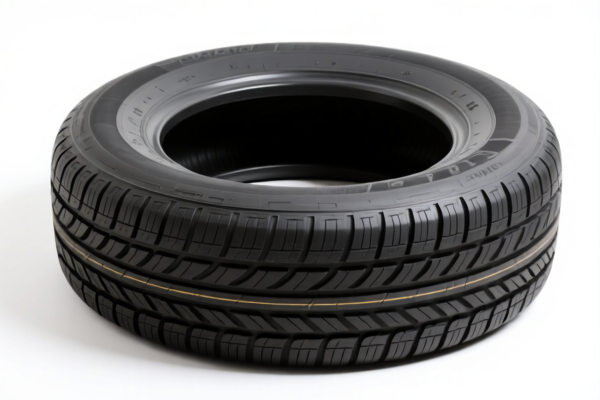
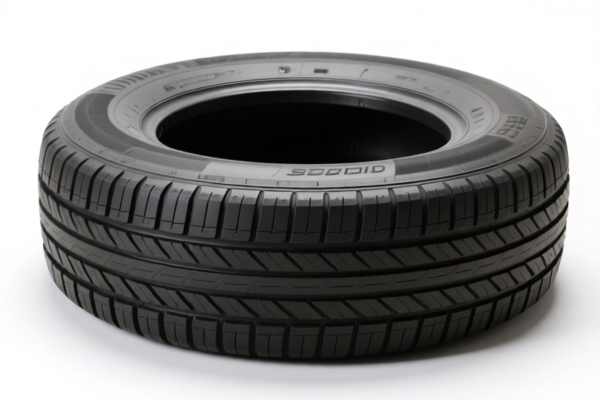
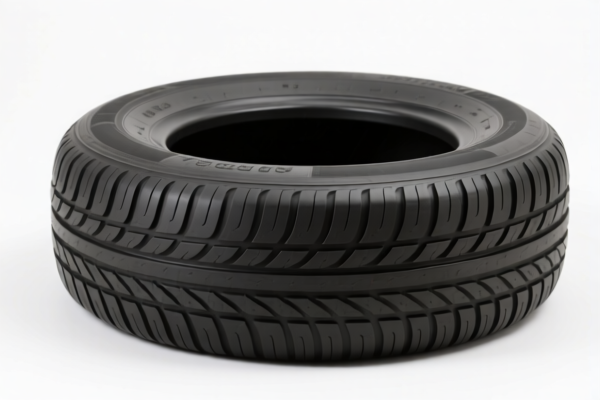
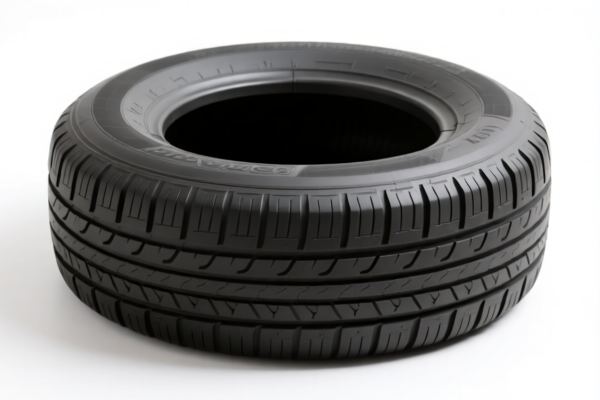
AI Analysis
🚽 Toilet Seat Cushion (Toilet Seat Cover/Pad)
🌐 HS Code Reference & Customs Clearance Guide | 2026 Latest Tariff Analysis | Professional Compliance Strategy
📌 I. Product Definition: What Exactly Is a "Toilet Seat Cushion"?
A toilet seat cushion (often referred to as a cover, pad, or ring) is an accessory designed to fit over or replace the existing seat or lid of a toilet. In international trade, the critical factor for classification is Material Composition and Functionality.
Key Classification Drivers: * Plastic Components: If the cushion is part of the rigid seat structure (rigid plastic), it falls under plastic sanitary ware. * Textile/Fabric: If it is a soft, upholstered, or fabric-covered pad, it falls under textile accessories. * Rubber/Elastic: If it is made of vulcanized rubber or soft elastic materials for sealing or cushioning, it falls under rubber products.
⚠️ Critical Distinction:
- Rigid plastic seats/covers → Chapter 39 (Plastics)
- Soft textile pads → Chapter 63 (Other made-up textile articles)
- Rubber gaskets/pads → Chapter 40 (Rubber articles)
- Misclassification leads to massive tariff differences (from 14.2% to 41.3%)!
📦 II. HS Code Classification Matrix (2026 Latest Tariff Data)
Based on the provided data, here are the five most likely HS Code classifications for "Toilet Seat Cushion," depending on material and construction.
| HS Code | Material/Structure | Classification Logic | Total Tax Rate |
|---|---|---|---|
3922.20.00.00 |
Plastic | Seats and covers of plastic; specific to toilet seats/lids. | 23.8% |
3922.90.00.00 |
Plastic | Other plastic sanitary ware (seats/covers); generic "other" plastic fit. | 41.3% |
4014.90.50.00 |
Vulcanized Rubber | Soft rubber pads/gaskets; classified as other rubber articles. | 14.2% |
6307.90.98.91 |
Textile/Fabric | Other made-up textile articles; interpreted as auxiliary/padding items. | 24.5% |
6307.90.89.95 |
Textile/Soft Material | Other finished products (textile/soft pad); fallback for non-specific soft items. | 17.0% |
🔍 Analysis of Tax Disparity:
- Lowest Tax:4014.90.50.00(Rubber) at 14.2%
- Highest Tax:3922.90.00.00(Plastic) at 41.3%
- Middle Ground: Textiles (6307...) range from 17.0% - 24.5%
- Why the difference? The US imposes different "Section 301" (122 Clause) and base tariffs based on whether the item is seen as a plastic sanitary fixture (high tax) vs. a textile/rubber accessory (lower tax).
💰 III. Detailed Tariff Breakdown (US Imports from China)
✅ Applicable Country: United States (US)
✅ Origin: China (CN)
✅ Effective Date: 2025/2026 Tariff Regime (Including Section 301 & IEEPA)
🎯 1. 3922.20.00.00 – Plastic Toilet Seats/Covers (Specific)
- Summary: Specifically for plastic seats and covers.
- Tariff Detail:
- Base Tariff: 6.3%
- Additional Tariff (Section 301/122 Clause): 7.5%
- IEEPA 122 Clause Tariff: 10%
- Total Tax: 23.8%
- Legal Path:
USITC:3922.20.00.00→FOOTNOTE:301.3922→IEEPA:122
📌 Note: This is the most precise code for rigid plastic toilet seats. The 7.5% additional tariff makes it more expensive than the generic plastic code in some contexts due to specific trade restrictions.
🎯 2. 3922.90.00.00 – Other Plastic Sanitary Ware
- Summary: Plastic seats/covers categorized under "other" plastic sanitary ware.
- Tariff Detail:
- Base Tariff: 6.3%
- Additional Tariff (Section 301/122 Clause): 25.0% (High Rate)
- IEEPA 122 Clause Tariff: 10%
- Total Tax: 41.3%
- Legal Path:
USITC:3922.90.00.00→FOOTNOTE:301.3922→IEEPA:122
⚠️ High Risk Alert: This code attracts the highest total tax (41.3%). Misclassifying a textile or rubber cushion as "other plastic ware" could result in this higher rate. Conversely, if you are importing rigid plastic seats, avoid this code if
3922.20is more accurate, as3922.90has a much higher additional tariff (25% vs 7.5%).
🎯 3. 4014.90.50.00 – Vulcanized Rubber Articles
- Summary: Toilet seat cushions made of vulcanized rubber.
- Tariff Detail:
- Base Tariff: 4.2%
- Additional Tariff (Section 301/122 Clause): 0.0%
- IEEPA 122 Clause Tariff: 10%
- Total Tax: 14.2%
- Legal Path:
USITC:4014.90.50.00→IEEPA:122
📌 Opportunity: If the cushion is rubber-based, this is the most cost-effective option. Ensure materials are certified as vulcanized rubber to qualify.
🎯 4. 6307.90.98.91 – Textile Accessories (Padding/Auxiliary)
- Summary: Made-up textile articles; classified as auxiliary/padding products.
- Tariff Detail:
- Base Tariff: 7.0%
- Additional Tariff (Section 301/122 Clause): 7.5%
- IEEPA 122 Clause Tariff: 10%
- Total Tax: 24.5%
- Legal Path:
USITC:6307.90.98.91→FOOTNOTE:301.6307→IEEPA:122
🎯 5. 6307.90.89.95 – Other Textile/Soft Finished Products
- Summary: Other finished products, inferred as textile or soft pads; fallback for soft accessories.
- Tariff Detail:
- Base Tariff: 7.0%
- Additional Tariff (Section 301/122 Clause): 0.0%
- IEEPA 122 Clause Tariff: 10%
- Total Tax: 17.0%
- Legal Path:
USITC:6307.90.89.95→IEEPA:122
📌 Comparison: This textile code (
17.0%) is cheaper than the specific plastic code (23.8%) and significantly cheaper than the generic plastic code (41.3%). If the product is a soft, fabric-covered pad, this is a strong candidate.
🛠️ IV. Customs Clearance Practical Advice (Actionable Tips)
✅ 1. Material Verification is Key
| Material Type | Recommended HS Code | Total Tax | Action |
|---|---|---|---|
| Rigid Plastic | 3922.20.00.00 |
23.8% | Ensure product is clearly plastic seat/cover. |
| Plastic (Other) | 3922.90.00.00 |
41.3% | Avoid unless no better fit. High tax risk. |
| Rubber | 4014.90.50.00 |
14.2% | Best Value. Provide material safety data sheets (MSDS) proving vulcanized rubber. |
| Textile/Fabric | 6307.90.89.95 |
17.0% | Good Value. Label as "Textile Toilet Seat Pad" or "Cushion." |
| Textile (Padding) | 6307.90.98.91 |
24.5% | Use if classified as "auxiliary padding." |
✅ 2. Documentation Checklist
- Product Description: Must explicitly state material (e.g., "100% Polyester Filled Cotton Pad," "Vulcanized Rubber Ring," "ABS Plastic Seat").
- Material Composition Certificate: Third-party lab test confirming % of plastic, textile, or rubber.
- Photos: Clear images showing texture (fabric weave vs. plastic mold vs. rubber surface).
- Usage Description: "Fits standard toilet seats," "Non-slip," "Waterproof" (if applicable).
✅ 3. Common Pitfalls to Avoid
❌ Mislabeling Plastic as Textile:
👉 If you ship a hard plastic seat but label it "Textile Cushion," customs may reclassify it to 3922.90.00.00 (41.3%) or penalize for misdeclaration.
❌ Ignoring Rubber Composition:
👉 If the cushion has a rubber bottom for grip, ensure the primary material is documented. If >50% rubber, 4014 is likely correct.
❌ Using Generic "Other" Plastic Code:
👉 Never use 3922.90.00.00 if 3922.20.00.00 is applicable. The 17.5% tax difference is significant.
🌍 V. Global Market Comparison (2026 Outlook)
| Market | Recommended HS Code | Est. Duty (China Origin) | Notes |
|---|---|---|---|
| 🇺🇸 USA | 4014.90.50.00 (Rubber) or 6307.90.89.95 (Textile) |
14.2% - 17.0% | Best Tariff Advantage. Avoid plastic codes if possible. |
| 🇪🇺 EU | Varies (Textile vs Plastic) | 0% - 6.5% | Lower tariffs, but stricter REACH/chemical regulations. |
| 🇨🇳 China | 3922.20 / 6307.90 |
0% - 7% | Import duties are low; focus on VAT (13%). |
| 🇦🇺 Australia | 3922.20 / 6307.90 |
5% | Standard GSP benefits may apply depending on origin. |
📌 Conclusion:
The US market is the most tariff-sensitive.
- Optimal Strategy: If manufacturing flexibility allows, produce Rubber or Textile cushions to benefit from 14.2%-17.0% tariffs.
- Rigid Plastic seats should strictly use3922.20.00.00(23.8%) to avoid the punitive 41.3% rate.
🎯 VI. Final Recommendation: Cost-Optimized Classification
🏆 Top Pick: Rubber Cushion
- HS Code:
4014.90.50.00 - Total Tax: 14.2%
- Why: Lowest tax burden. Ensure materials are verified as vulcanized rubber.
🥈 Second Pick: Textile/Fabric Pad
- HS Code:
6307.90.89.95 - Total Tax: 17.0%
- Why: Low tax, high consumer appeal for "comfort" products. Ensure description emphasizes "textile" and "soft pad."
🥉 Third Pick: Plastic Seat (Specific)
- HS Code:
3922.20.00.00 - Total Tax: 23.8%
- Why: Standard for hard plastic seats. Avoid
3922.90.00.00at all costs.
📌 Tips for Smooth Clearance
- Pre-Arrival Review: Submit material samples and specifications to a customs broker before shipment.
- Clear Labeling: Mark packages with "Material: [Rubber/Textile/Plastic]" to facilitate quick inspection.
- Invoice Precision: Do not use generic terms like "Bathroom Accessories." Use "Toilet Seat Cushion, 100% Polyester" or "Vulcanized Rubber Toilet Pad."
✨ Professional clearance starts with accurate classification!
💼 Save up to 27% in duties by choosing the right HS Code!
Customer Reviews
About HS Code Classification
The Harmonized System (HS) is an internationally standardized nomenclature developed by the World Customs Organization (WCO) to classify traded products. Over 200 countries use the HS system as the basis for customs tariffs, trade statistics, and import/export regulations.
Each HS code follows a hierarchical structure:
- Chapter (2 digits) — Broad category of goods (e.g., Chapter 84: Machinery and Mechanical Appliances)
- Heading (4 digits) — More specific grouping within the chapter
- Subheading (6 digits) — Internationally standardized breakdown, used by all WCO member countries
- National subdivisions (8-10 digits) — Country-specific extensions for further classification, such as US HTSUS 10-digit codes
Correct HS code classification is essential for smooth customs clearance, accurate duty payment, and compliance with trade regulations. Misclassification can lead to customs delays, overpayment of duties, or penalties.
When importing from CN to US, the applicable tariff rates may include:
- Most-Favored-Nation (MFN) rate — The standard duty rate applied to WTO members
- General rate — Applied to countries without trade agreements
- Trade remedy duties — Additional tariffs such as Section 301 (anti-dumping), Section 232 (national security), or countervailing duties
The information provided on this page is for reference purposes only. For official classification, please consult with your local customs authority or a licensed customs broker.