Toilet Spray Gun
CN → US| HS Code | Tariff Rate | Origin | Destination | Doc |
|---|---|---|---|---|
| 7324100050 | 88.4% | CN | US | Official Doc |
| 7324900000 | 85.0% | CN | US | Official Doc |
| 3924905650 | 20.9% | CN | US | Official Doc |
| 3924104000 | 13.4% | CN | US | Official Doc |
| 8424209000 | 35.0% | CN | US | Official Doc |
Product Images
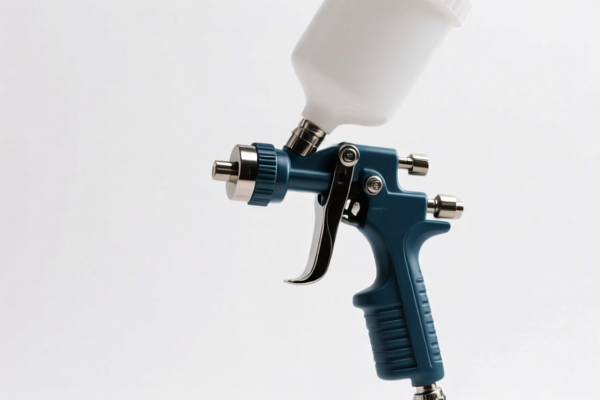
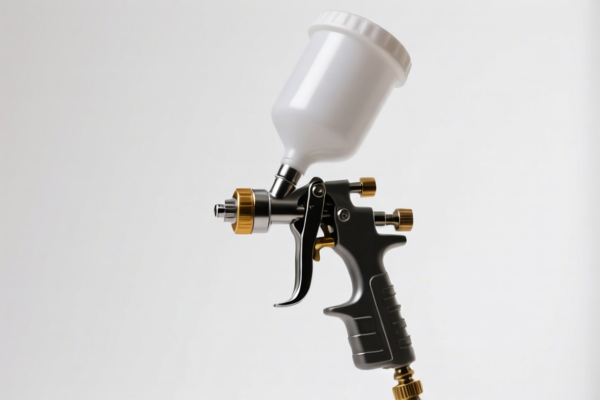
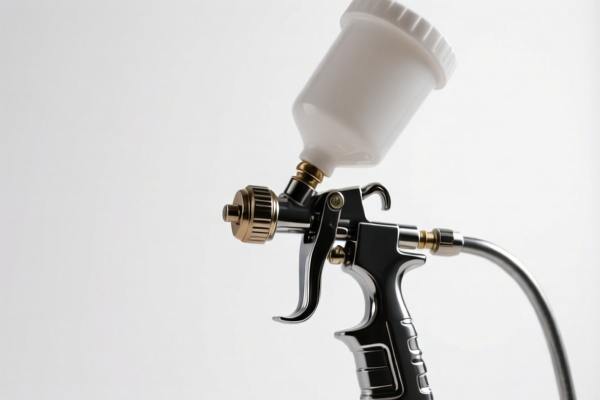
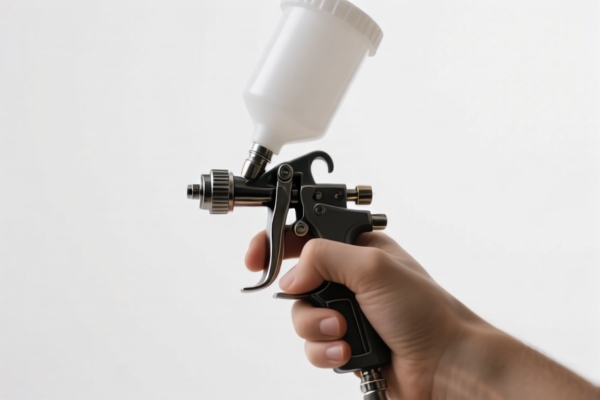
AI Analysis
🚿 Toilet Spray Gun (Bidet Sprayers / Hygiene Sprayers)
🌐 HS Code Reference & Customs Clearance Guide | 2026 Latest Tariff Analysis | Professional Entry Strategies
📌 1. Product Definition & Classification: Do You Really Know a "Toilet Spray Gun"?
A Toilet Spray Gun (also known as a Bidet Sprayer, Health Faucet, or Janitorial Spray) is a handheld device connected to a water supply, typically used for personal hygiene (personal cleaning in toilets) or cleaning the toilet bowl and surrounding areas.
In international trade, classification depends heavily on material and function: * Metal/Stainless Steel Parts: If the core component is a metal fitting or accessory for sanitary ware. * Plastic Components: If the housing or main body is plastic. * Spray Mechanism: The internal nozzle is a "liquid spraying device."
⚠️ Key Distinction:
- If the product is primarily a metal fitting/accessory for a toilet → Classified under Chapter 73.
- If the product is primarily a plastic sanitary article → Classified under Chapter 39.
- If the product is evaluated strictly as a spray mechanism (less common for consumer units) → Chapter 84.
📦 2. HS Code Classification Details (2026 Latest Tariff Alignment)
Based on the provided data, here are the possible classifications for a Toilet Spray Gun:
| HS Code | Product Description | Material/Feature | Total Tax Rate |
|---|---|---|---|
7324.10.00.50 |
Sanitary ware accessories, stainless steel or metal-made | Metal/Stainless Steel Body | 88.4% |
7324.90.00.00 |
Sanitary ware and parts, other / Parts catch-all | Other Metal/Steel Parts | 85.0% |
3924.90.56.50 |
Sanitary or toilet articles of plastic, other | Plastic Housing (General) | 20.9% |
3924.10.40.00 |
Sanitary or toilet articles of plastic | Plastic Housing (Specific) | 13.4% |
8424.20.90.00 |
Spraying machinery and apparatus, other | Pure Spray Mechanism | 35.0% |
🔍 Analysis:
- Most Common: Consumer toilet spray guns are often plastic with metal fittings or all-plastic. Therefore, Chapter 39 (Plastics) usually offers the lowest duty rates.
- High Duty Alert: If declared as "Metal Sanitary Ware Accessories," the tax rate jumps to 85-88% due to Section 232/301 tariffs.
- Rare Case: If declared solely as a "spray apparatus" without sanitary context, it falls under 8424, with a moderate rate of 35%.
💰 3. 2026 Latest Tariff Rate Breakdown (Including Add-ons)
✅ Applicable Country: United States (US)
✅ Origin: China (CN)
✅ Effective Date: Post-2025 Policy Changes
🎯 1. 7324.10.00.50 – Sanitary Ware Accessories, Stainless Steel/Metal
| Item | Detail |
|---|---|
| Base Tariff | 3.4% |
| Section 301 Add-on | +25.0% |
| Section 232 (Steel/Aluminum) | +50.0% |
| Total Tax Rate | 88.4% |
| Calculation | CIF Value × 88.4% |
| Legal Basis | High-duty category due to metal content + trade wars. |
📌 Warning: This is the highest possible rate for this product type. Avoid this classification unless the product is purely industrial metal fittings with no plastic parts.
🎯 2. 7324.90.00.00 – Sanitary Ware Parts, Other
| Item | Detail |
|---|---|
| Base Tariff | 0.0% |
| Section 301 Add-on | +25.0% |
| Section 232 (Steel/Aluminum) | +50.0% |
| Total Tax Rate | 85.0% |
| Calculation | CIF Value × 85.0% |
📌 Note: Slightly lower than
7324.10, but still extremely high. Applies to non-stainless steel metal parts.
🎯 3. 3924.90.56.50 – Plastic Sanitary Articles (Other)
| Item | Detail |
|---|---|
| Base Tariff | 3.4% |
| Section 301 Add-on | +7.5% |
| Section 232 | N/A (Plastic is not steel/aluminum) |
| Total Tax Rate | 20.9% |
| Calculation | CIF Value × 20.9% |
📌 Recommendation: Preferred for Plastic-heavy Units. Significantly lower tax burden.
🎯 4. 3924.10.40.00 – Plastic Sanitary Articles (Specific)
| Item | Detail |
|---|---|
| Base Tariff | 3.4% |
| Section 301 Add-on | 0.0% |
| Section 232 | N/A |
| Total Tax Rate | 13.4% |
| Calculation | CIF Value × 13.4% |
📌 Best Case: If the product fits this specific subcategory (e.g., standard plastic bidet sprayer heads), this is the most cost-effective option.
🎯 5. 8424.20.90.00 – Spraying Apparatus, Other
| Item | Detail |
|---|---|
| Base Tariff | 0.0% |
| Section 301 Add-on | +25.0% |
| Section 232 | N/A |
| Total Tax Rate | 35.0% |
| Calculation | CIF Value × 35.0% |
📌 Niche Case: Only apply if the product is sold as a standalone spray mechanism not primarily for sanitary ware (e.g., for cleaning floors, not toilets). Risky if customs perceives it as a toilet accessory.
🛠️ 4. Customs Clearance Practical Advice (Avoid Pitfalls)
✅ 1. Documentation Checklist
| Document | Required | Notes |
|---|---|---|
| Product Photos | ✔️ | Show overall shape, nozzle type, and material (plastic vs. metal). |
| Material Breakdown | ✔️ | Specify % of plastic vs. metal. Crucial for Chapter 39 vs. Chapter 73. |
| Function Statement | ✔️ | "Handheld bidet sprayer for personal hygiene." |
| Commercial Invoice | ✔️ | Do NOT write "Toilet Spray Gun" alone. Use precise HS-aligned description. |
| Packaging Photos | ✔️ | Ensure no misleading branding that suggests industrial use if declaring for domestic. |
✅ 2. Declaration Strategy (Key Tips)
🔥 "Plastic First, Metal Second; Sanitary Context is Key!"
| Scenario | Recommended HS Code | Reason |
|---|---|---|
| Main body is Plastic, metal is just connectors | 3924.90.56.50 or 3924.10.40.00 |
Plastic determines the essential character. Lower tax (13-21%). |
| Main body is Stainless Steel | 7324.10.00.50 |
Metal determines character. High tax (88.4%). |
| Mixed Material, Plastic > 50% | 3924... |
GRI 3(b): Essential character by material value/volume. |
| Sold as Cleaning Tool (Not Toilet) | 8424.20.90.00 |
If marketed for janitorial use only. Moderate tax (35%). |
✅ 3. Special Considerations
- Material Composition: If the spray gun is ABS plastic with a metal hose, declare as Plastic (Ch. 39). The hose is an accessory.
- Avoid "Metal" Keywords: Do not use "Stainless Steel Toilet Sprayer" in the title if the main body is plastic. Use "Plastic Bidet Hand Sprayer with Metal Fittings."
- Section 232 Exemption: Plastic products (
3924...) are exempt from the 50% Section 232 steel/aluminum tariffs. This is a massive saving.
🌍 5. Global Market Comparison (2026)
| Market | Recommended HS Code | Est. Tax | Notes |
|---|---|---|---|
| 🇺🇸 USA | 3924.10.40.00 |
13.4% | Best rate for plastic. Avoid 7324 at all costs. |
| 🇨🇳 China | 3924.10.00.00 |
Low (~5-10%) | Standard plastic tariff. |
| 🇪🇺 EU | 3924.00.50 |
~0-2% | Plastic sanitary ware often duty-free. |
| 🇦🇺 AU | 3924.10.00 |
~5% | Standard. |
📌 Conclusion:
- USA is the most expensive market for metal sanitary ware due to Section 232 + 301 tariffs.
- Plastic classification is the optimal strategy for cost reduction.
- Ensure your product’s marketing materials and invoices align with the Plastic classification to avoid audits.
📌 6. Common Errors & Pitfalls
❌ Error 1: Declaring a Plastic spray gun as Metal (7324)
👉 Result: Tax jumps from 13.4% to 88.4% → Overpayment of 75%!
❌ Error 2: Splitting the shipment (Metal hose declared separately)
👉 Result: Each part may be taxed higher; combined "essential character" rule applies.
❌ Error 3: Using vague terms like "Water Sprayer"
👉 Result: Customs may classify under 8424 (35%) or 7324 (88%) due to ambiguity.
✅ Correct Declaration Example:
"Plastic Handheld Bidet Sprayer with Metal Connector, for Personal Hygiene, Model XYZ, Plastic Body >90%"
🎯 7. Final Recommendations: Professional Classification Saves Money!
🎯 Key Takeaways:
🔹 "Plastic is Profitable": Choose Chapter 39 (
3924) to avoid Section 232 tariffs.
🔹 "Avoid Metal Keywords": If it's mostly plastic, call it "Plastic Bidet Sprayer."
🔹 "Check Material Ratio": If metal parts exceed 50% by weight/value, risk of7324classification increases.
📌 Pro Tip:
Apply for an Advance Ruling (US CBP) if you are importing large volumes. Confirm whether your specific mixed-material spray gun qualifies for 3924.10.40.00 (13.4%) or 3924.90.56.50 (20.9%) to ensure consistency.
📣 Immediate Action:
📞 Review your Product Spec Sheet: Confirm plastic vs. metal ratio.
🚀 Update Your Invoice: Use precise HS-aligned descriptions.
💰 Calculate Savings:88.4%vs13.4%is a 75% difference. Choose wisely!
✨ Smart Classification, Smarter Profits!
💼 Every dollar saved on duty is pure profit!
Customer Reviews
About HS Code Classification
The Harmonized System (HS) is an internationally standardized nomenclature developed by the World Customs Organization (WCO) to classify traded products. Over 200 countries use the HS system as the basis for customs tariffs, trade statistics, and import/export regulations.
Each HS code follows a hierarchical structure:
- Chapter (2 digits) — Broad category of goods (e.g., Chapter 84: Machinery and Mechanical Appliances)
- Heading (4 digits) — More specific grouping within the chapter
- Subheading (6 digits) — Internationally standardized breakdown, used by all WCO member countries
- National subdivisions (8-10 digits) — Country-specific extensions for further classification, such as US HTSUS 10-digit codes
Correct HS code classification is essential for smooth customs clearance, accurate duty payment, and compliance with trade regulations. Misclassification can lead to customs delays, overpayment of duties, or penalties.
When importing from CN to US, the applicable tariff rates may include:
- Most-Favored-Nation (MFN) rate — The standard duty rate applied to WTO members
- General rate — Applied to countries without trade agreements
- Trade remedy duties — Additional tariffs such as Section 301 (anti-dumping), Section 232 (national security), or countervailing duties
The information provided on this page is for reference purposes only. For official classification, please consult with your local customs authority or a licensed customs broker.