Toilet Tank
CN → US| HS Code | Tariff Rate | Origin | Destination | Doc |
|---|---|---|---|---|
| 8481809010 | 37.0% | CN | US | Official Doc |
| 8481809015 | 37.0% | CN | US | Official Doc |
| 7326190080 | 87.9% | CN | US | Official Doc |
| 7326908688 | 87.9% | CN | US | Official Doc |
| 3922100000 | 23.8% | CN | US | Official Doc |
| 3922900000 | 41.3% | CN | US | Official Doc |
Product Images
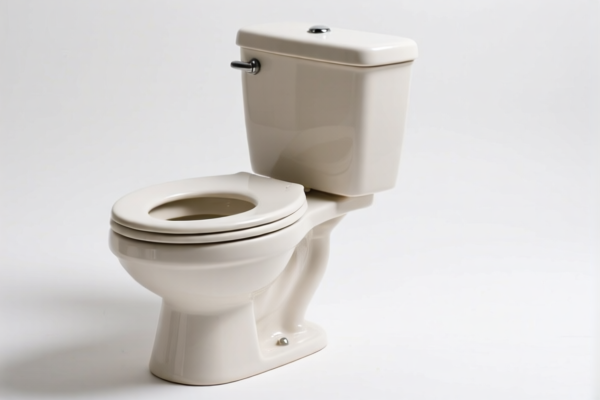
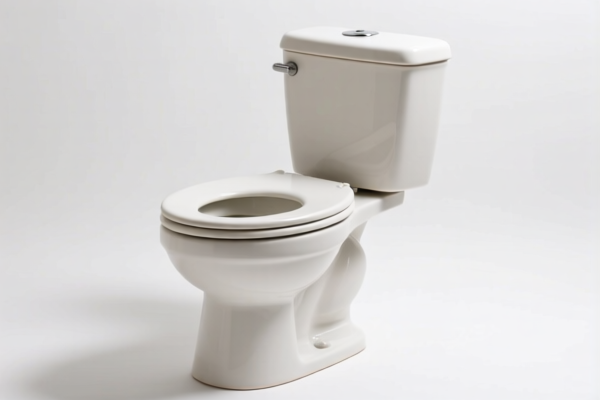
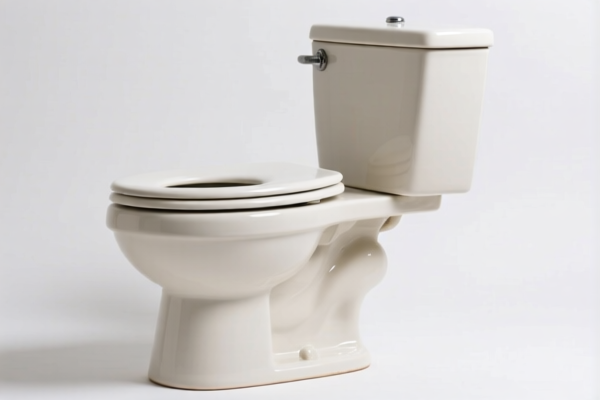

AI Analysis
🚽 Toilet Tank (Toilet Tank Accessories/Parts)
🌐 HS Code Reference & Customs Clearance Guide | 2026 Latest Tariff Analysis | Professional Strategy
📌 1. Product Definition and Classification: Do You Really Understand "Toilet Tanks"?
In international trade, toilet tanks and their components are classified based on material composition and functionality. The key distinction lies in whether the item is a complete plastic tank or metal/plastic accessories/parts. Misclassification can lead to significant tariff differences, ranging from 23.8% to 87.9%.
⚠️ Critical Distinction:
- Complete Plastic Toilet Tank: If the item is a full tank made primarily of plastic → Classified under Chapter 39.
- Accessories/Parts (Metal/Plastic): If the item is a component (e.g., flapper, fill valve, overflow tube) or an accessory → Classified under Chapter 84 (Parts) or Chapter 73 (Steel/Iron).
- Material Matters: Metal parts are subject to higher "Section 301" style additional duties compared to plastic parts.
📦 2. HS Code Classification Details (2026 Latest Tariff Authority)
| HS Code | Product Description | Applicable Scenario | Material | Total Tax Rate |
|---|---|---|---|---|
8481.80.90.10 |
Toilet Tank Accessories, classified as parts/components, default inclination to match. | General parts/accessories for flushing systems | Mixed/Unspecified | 37.0% |
8481.80.90.15 |
Toilet Tank Accessories, inferred as plastic or metal based on parts/components rules. | Specific parts like valves or connectors | Plastic or Metal | 37.0% |
7326.19.00.80 |
Toilet Tank Accessories, inferred material as metal or plastic, fits "Other Steel Products" catch-all logic. | Metal/Plastic parts falling under steel products | Metal/Plastic | 87.9% |
7326.90.86.88 |
Toilet Tank Accessories, inferred main component as iron or steel, fits "Other Iron/Steel Products" catch-all. | Iron/Steel fittings, brackets, or heavy parts | Iron/Steel | 87.9% |
3922.10.00.00 |
Plastic Toilet Tank, material is plastic, use is tank, fits sanitary appliances description. | Complete or major plastic tank units | Plastic | 23.8% |
3922.90.00.00 |
Plastic Toilet Tank, material is plastic, use is tank, fits plastic sanitary ware description. | Other plastic sanitary ware tanks | Plastic | 41.3% |
🔍 Key Reminder:
- Plastic Tanks (3922.xxxxxx) generally have lower tariffs than Metal/Steel Parts (7326.xxxxxx).
- Parts under8481are treated as functional components of valves, sitting at a moderate rate of 37.0%.
- Steel/Iron Parts (7326) are subject to the highest additional duties due to specific steel/aluminum tariffs, reaching 87.9%.
💰 3. 2026 Latest Tariff Rate Details (Including Additional Taxes & Policy Surcharges)
✅ Applicable Country: United States (US)
✅ Origin: China (CN)
✅ Effective Time: 2025/2026 (Current Regime)
🎯 1. 3922.10.00.00 —— Plastic Toilet Tank (Lowest Cost Option)
| Item | Content |
|---|---|
| Base Tariff | 6.3% (ad valorem) |
| Section 301 Additional Tariff | +7.5% (Specific for this subheading) |
| Section 122 Tariff | +10% |
| Total Tax Rate | 23.8% |
| Tax Calculation | CIF Value × 23.8% |
| De Minimis Exemption | ❌ Not Eligible (Standard trade rules apply) |
| Legal Basis Path | USITC:3922.10.00.00 → Section 301: 7.5% → Section 122: 10% |
📌 Explanation:
- This is the most cost-effective classification for plastic tanks.
- The total rate of 23.8% is significantly lower than metal alternatives.
- Ideal for bulk shipments of complete plastic tanks.
🎯 2. 3922.90.00.00 —— Other Plastic Toilet Tanks
| Item | Content |
|---|---|
| Base Tariff | 6.3% |
| Section 301 Additional Tariff | +25.0% (Higher Section 301 rate) |
| Section 122 Tariff | +10% |
| Total Tax Rate | 41.3% |
| Tax Calculation | CIF Value × 41.3% |
| De Minimis Exemption | ❌ Not Eligible |
| Legal Basis Path | USITC:3922.90.00.00 → Section 301: 25% → Section 122: 10% |
📌 Note:
- While still plastic, this subheading incurs a 25% Section 301 tariff, making it more expensive than3922.10.
- Use3922.10if possible for plastic tanks to save 17.5% in taxes.
🎯 3. 8481.80.90.10 & 8481.80.90.15 —— Toilet Tank Accessories (Parts)
| Item | Content |
|---|---|
| Base Tariff | 2.0% |
| Section 301 Additional Tariff | +25.0% |
| Section 122 Tariff | +10% |
| Total Tax Rate | 37.0% |
| Tax Calculation | CIF Value × 37.0% |
| De Minimis Exemption | ❌ Not Eligible |
| Legal Basis Path | USITC:8481.80.90.x0 → Section 301: 25% → Section 122: 10% |
📌 Explanation:
- These codes are for functional parts (e.g., flush valves, fill valves).
- The rate is moderate (37.0%).
- Ensure the product is clearly defined as a "part" and not a raw material.
🎯 4. 7326.19.00.80 & 7326.90.86.88 —— Steel/Iron Accessories (Highest Cost)
| Item | Content |
|---|---|
| Base Tariff | 2.9% |
| Section 301 Additional Tariff | +25.0% |
| Section 122 Tariff | +10% |
| Steel/Aluminum/Copper Additional Tariff | +50% |
| Total Tax Rate | 87.9% |
| Tax Calculation | CIF Value × 87.9% |
| De Minimis Exemption | ❌ Not Eligible |
| Legal Basis Path | USITC:7326.xxxxxx → Section 301: 25% → Section 122: 10% → Steel Surcharge: 50% |
📌 Warning:
- This is the most expensive classification.
- The 50% steel surcharge is applied in addition to standard tariffs.
- Only use if the product is indisputably iron/steel and does not fit other categories.
- High Risk: Heavy financial penalty for misclassification.
🛠️ 4. Customs Clearance Practical Advice (Avoid Pitfalls)
✅ 1. Documentation Checklist (All Required)
| Document | Required | Description |
|---|---|---|
| ✅ Product Specification Sheet | ✔️ | Must specify Material (Plastic vs. Steel), Function, and Model. |
| ✅ Product Photos | ✔️ | Clear images showing the entire unit, labels, and any brand markings. |
| ✅ Bill of Lading / Air Waybill | ✔️ | Ensure description matches HS Code (e.g., "Plastic Toilet Tank" vs. "Steel Valve"). |
| ✅ Commercial Invoice | ✔️ | Value declaration must be accurate. |
| ✅ Certificate of Origin (CO) | ✔️ | If applicable, to check for any preferential treatments (though limited for US-China). |
✅ 2. Declaration Tips (Key Mantras)
🔥 “Plastic Low, Steel High, Parts Middle, Name Accurate, Costs Reduced!”
| Scenario | Correct Declaration | Wrong Practice |
|---|---|---|
| Complete Plastic Tank | 3922.10.00.00 (23.8%) |
Misclassified as Steel → 87.9% |
| Plastic Tank (Other) | 3922.90.00.00 (41.3%) |
No difference in description → Higher rate |
| Flush Valve/Fill Valve | 8481.80.90.10 (37.0%) |
Listed as "Tank" → Delay in inspection |
| Metal Bracket/Fitting | 7326.90.86.88 (87.9%) |
Try to claim plastic → Audit & Penalty |
| Mixed Container | Split Declaration | Mixing plastic and steel in one HS Code → Rejection |
✅ 3. Special Handling
| Scenario | Handling Advice |
|---|---|
| OEM Custom Tanks | Provide design files to prove material type. |
| Mixed Material Parts | Declare based on principal material. If metal is dominant, 7326 applies. |
| Plastic with Metal Springs | If metal parts are minor accessories, may still qualify for 8481 or 3922, but must be justified. |
| Steel Parts | Be prepared for the 87.9% rate. No easy workaround. |
🌍 5. Global Market Comparison (2026 Latest)
| Country/Region | Recommended HS Code | Tariff (China Origin) | Notes |
|---|---|---|---|
| 🇺🇸 USA | 3922.10.00.00 |
23.8% | Lowest for plastic tanks. |
| 🇺🇸 USA | 7326.90.86.88 |
87.9% | Highest for steel parts. |
| 🇪🇺 EU | 3922.10.00.00 |
~0-5% | Lower additional duties, but VAT applies. |
| 🇨🇳 China | 3922.10.00.00 |
~5% | Import duties may vary based on trade agreements. |
📌 Conclusion:
- USA has the most complex tariff structure with significant surcharges.
- Plastic tanks are the most tariff-friendly.
- Steel parts are extremely costly due to the 50% surcharge.
📌 6. Common Mistakes & Pitfalls (Lessons Learned)
❌ Mistake 1: Declaring steel fittings as "plastic accessories"
👉 Consequence: Customs inspection reveals steel → 87.9% tariff applied + penalties.
❌ Mistake 2: Using 3922.90.00.00 when 3922.10.00.00 applies
👉 Consequence: Paying 41.3% instead of 23.8% → 17.5% unnecessary cost.
❌ Mistake 3: Misidentifying parts as "tanks"
👉 Consequence: Customs may reject the declaration or require detailed technical specs → Delays.
❌ Mistake 4: Not specifying material in the description
👉 Consequence: Customs assigns the highest possible rate (steel) by default.
✅ Correct Practice:
"Plastic Toilet Tank, Model XYZ, 20L Capacity, US Patent Pending"
vs.
"Stainless Steel Fill Valve for Toilet Tanks, Part No. ABC"
🎯 7. Conclusion: Professional Declaration, Cost Savings!
🎯 Remember the Mantra:
🔹 "Plastic is King, Steel is King's Enemy!"
🔹 "HS Code Choice: 23.8% vs 87.9% – Choose Wisely!"
🔹 "Parts are 37%, Tanks are 24% – Don't Mix Up!"
📌 Pro Tip:
If your supplier can produce plastic components instead of metal, or if the tank is fully plastic, always aim for 3922.10.00.00.
If you must import steel parts, budget for 87.9% and consider if alternative materials (plastic, brass) are feasible.
📣 Immediate Action:
📞 Consult with a licensed customs broker + Provide material test reports + Apply for Pre-Ruling if unsure.
🚀 Ensure your supply chain is optimized for the lowest tariff classification.
✨ Professional Customs Clearance Starts with Accurate Classification!
💼 Every Dollar Saved is a Dollar Earned!
Customer Reviews
About HS Code Classification
The Harmonized System (HS) is an internationally standardized nomenclature developed by the World Customs Organization (WCO) to classify traded products. Over 200 countries use the HS system as the basis for customs tariffs, trade statistics, and import/export regulations.
Each HS code follows a hierarchical structure:
- Chapter (2 digits) — Broad category of goods (e.g., Chapter 84: Machinery and Mechanical Appliances)
- Heading (4 digits) — More specific grouping within the chapter
- Subheading (6 digits) — Internationally standardized breakdown, used by all WCO member countries
- National subdivisions (8-10 digits) — Country-specific extensions for further classification, such as US HTSUS 10-digit codes
Correct HS code classification is essential for smooth customs clearance, accurate duty payment, and compliance with trade regulations. Misclassification can lead to customs delays, overpayment of duties, or penalties.
When importing from CN to US, the applicable tariff rates may include:
- Most-Favored-Nation (MFN) rate — The standard duty rate applied to WTO members
- General rate — Applied to countries without trade agreements
- Trade remedy duties — Additional tariffs such as Section 301 (anti-dumping), Section 232 (national security), or countervailing duties
The information provided on this page is for reference purposes only. For official classification, please consult with your local customs authority or a licensed customs broker.