Toilet Tank Panel
CN → US| HS Code | Tariff Rate | Origin | Destination | Doc |
|---|---|---|---|---|
| 8481809010 | 37.0% | CN | US | Official Doc |
| 8481809015 | 37.0% | CN | US | Official Doc |
| 7326190080 | 87.9% | CN | US | Official Doc |
Product Images
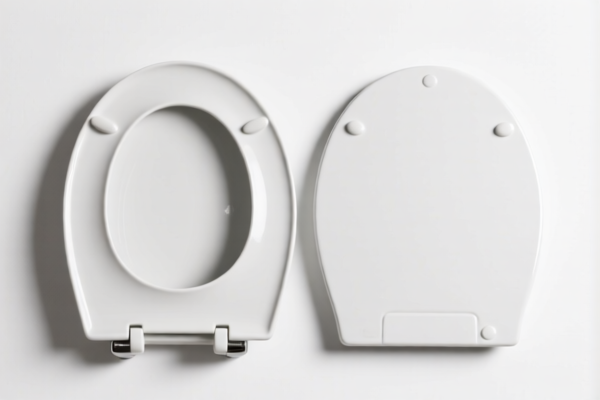
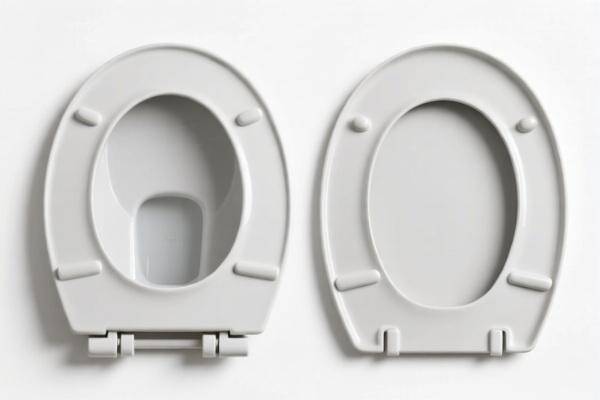
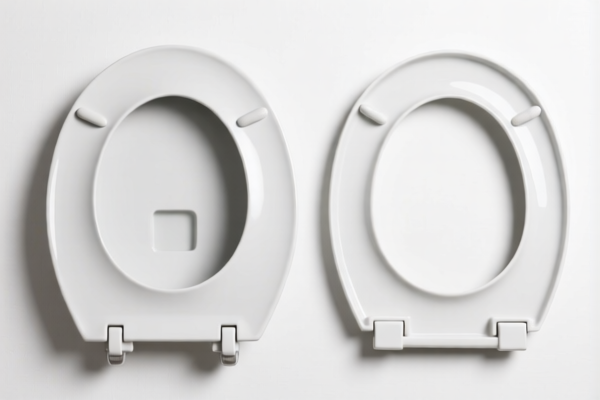
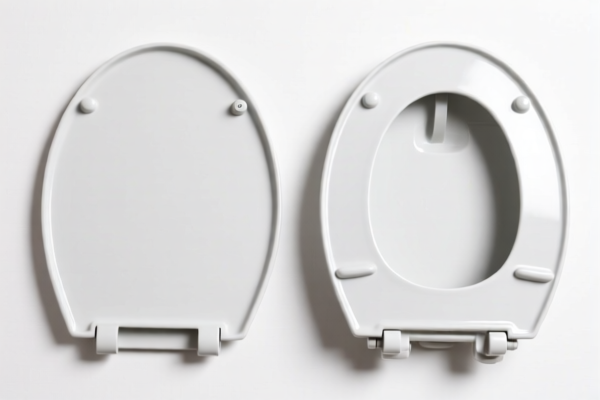
AI Analysis
🚽 Toilet Tank Panels/Parts (Plumbing Components)
🌐 HS Code Reference & Customs Clearance Guide | 2026 Latest Tariff Analysis | Professional Clearance Strategy 📌 I. Product Definition & Classification: Do You Really Understand "Toilet Tank Parts"?
Toilet tank panels (often referred to as tank components, flush valves, fill valves, or overflow pipes) are critical internal parts of residential and commercial plumbing systems. In international trade, the classification depends heavily on material composition and functional integration.
They are generally categorized into two main logic paths: 1. Specialized Plumbing Parts (8481): Parts specifically identifiable as components of taps, cocks, valves, etc. (including toilet tanks). 2. General Metal/Plastic Articles (7326/Other): If the material is primarily metallic or plastic but doesn't fit the specific "valve part" description, they may fall under general manufacturing goods.
⚠️ Key Distinction Point: - If the part is a functional assembly (e.g., a complete fill valve mechanism) → Likely 8481.80.90 - If the part is a simple metal frame, bracket, or generic metal piece → Likely 7326.19.00 - If the part is made of plastic but classified under metal for tariff reasons (or misclassification) → Risk of 7326.19.00.80 (See Data Below)
📦 II. HS Code Classification Details (Based on Provided Data)
According to the provided <DATA>, there are three specific classifications for "Toilet Tank Parts" with varying tax implications. Here is the detailed breakdown:
| HS Code | Product Description | Classification Logic | Total Tax Rate |
|---|---|---|---|
8481.80.90.10 |
Toilet Tank Parts | Classified under Spare Parts/Components. Fits the description of parts for taps, cocks, valves, and similar appliances. | 37.0% |
8481.80.90.15 |
Toilet Tank Parts | Classified under Toilet Tank Assemblies. Based on the "parts/components" rule, inferred as plastic or metal components of the tank assembly. | 37.0% |
7326.19.00.80 |
Toilet Tank Parts | Classified under Other Articles of Iron/Steel. This is a "catch-all" logic for metal parts. Note: Data infers material as metal or plastic, but assigns this code to other steel products. | 87.9% |
🔍 Critical Observation: - Codes
8481.80.90.10and8481.80.90.15are related to plumbing valves/fittings and share the same tax rate. - Code7326.19.00.80is significantly more expensive due to additional Section 301/122/Aluminum/Copper tariffs applied to metal goods.
💰 III. 2026 Latest Tariff Rate Breakdown (Including Surcharges & Policy Add-ons)
✅ Applicable Market: United States (US)
✅ Origin: China (CN)
✅ Key Tariff Layers: Base Tariff + Trade War Surcharges (Section 301/122) + Metal Surcharges (if applicable)
🎯 1. 8481.80.90.10 & 8481.80.90.15 —— Plumbing Valve Parts
These two codes share the exact same tax structure according to the data.
| Item | Content |
|---|---|
| Base Tariff | 2.0% (Ad Valorem) |
| Section 301 Surcharge | +25.0% (Additional Tariff) |
| Section 122 Tariff | +10.0% (Specific Provision) |
| Total Tax Rate | 37.0% |
| Tax Calculation | CIF Value × 37% |
| De Minimis Exemption | ❌ Not Eligible (Due to high surcharge rates) |
| Legal Basis Path | Base: 8481.80.90 → Surcharge: 25% → Prov: 122 (10%) |
📌 Explanation: - Base 2%: Standard Most Favored Nation (MFN) rate for plumbing parts. - 25% Surcharge: Standard Section 301 tariffs on Chinese goods. - 10% Surcharge: Specific "122 Clause" tariff added on top. - Total 37%: This is the effective duty rate. It is high but significantly lower than the metal classification.
🎯 2. 7326.19.00.80 —— Other Articles of Iron/Steel
This code carries a punitive tax rate due to its classification as a metal product subject to additional trade barriers.
| Item | Content |
|---|---|
| Base Tariff | 2.9% |
| Section 301 Surcharge | +25.0% |
| Section 122 Tariff | +10.0% |
| Steel/Aluminum/Copper Surcharge | +50.0% (Specific surcharge for steel/aluminum/copper articles) |
| Total Tax Rate | 87.9% |
| Tax Calculation | CIF Value × 87.9% |
| De Minimis Exemption | ❌ Not Eligible |
| Legal Basis Path | Base: 7326.19 → Surcharge: 25% → Prov: 122 (10%) → Metal Surcharge: 50% |
📌 Warning: - The 50% Metal Surcharge is the critical differentiator. If your plastic or composite tank parts are misclassified as "metal articles," the tax nearly doubles from 37% to 87.9%. - This code applies to "other articles of iron/steel," implying a fallback logic for non-specific metal parts.
🛠️ IV. Customs Clearance Practical Advice (Field Avoidance Guide)
✅ 1. Documentation Checklist (Essential)
| Document | Required? | Description |
|---|---|---|
| ✅ Product Specification Sheet | ✔️ | Must detail material (Plastic vs. Metal), function (Valve, Float, Overflow), and dimensions. |
| ✅ Material Composition Statement | ✔️ | CRITICAL: Clearly state if >50% is plastic, metal, or composite. Misclassification here drives the 50% surcharge. |
| ✅ Product Photos (Clear & Detailed) | ✔️ | Show internal mechanisms, connections, and material texture. |
| ✅ Commercial Invoice | ✔️ | Use precise English descriptions: "Toilet Tank Fill Valve Assembly" or "Plastic Toilet Tank Components." |
| ✅ Packing List | ✔️ | Ensure quantities match invoice exactly. |
| ✅ Certificate of Origin (CO) | ✔️ | Required for origin verification. |
✅ 2. Declaration Tips (Key Mantras)
🔥 "Plastic Parts = 8481 (37%), Metal Parts = 7326 (87.9%)! Material Truth Saves Money!"
| Scenario | Correct Declaration | Wrong Practice |
|---|---|---|
| Plastic/Mixed Valve Assemblies | 8481.80.90.10 or .15 |
Declaring as "Steel Parts" → 87.9% |
| Pure Metal Brackets/Frames | 7326.19.00.80 |
Declaring as "Plastic Parts" → Risk of penalty/audit |
| Composite Parts (Plastic Body, Metal Spring) | 8481.80.90.10 |
Ambiguous description → Customs may assign 7326 |
| Generic "Toilet Parts" | Specific description (e.g., "Fill Valve") | Vague term "Toilet Parts" → High risk of misclassification |
✅ 3. Special Situation Handling
| Situation | Handling Advice |
|---|---|
| Plastic Parts with Metal Springs | Emphasize primary material is plastic. The metal spring is a minor component. Aim for 8481. |
| Chrome-Plated Metal Parts | Risk of falling under 7326. Provide coating thickness and core material analysis to argue for a different classification if possible, but expect high duties. |
| Complete Toilet Units | If the item is a complete toilet (bowl + tank), it may fall under 6910 (Ceramic) or 3922 (Plastic). Do not declare as "parts" if it's a complete unit. |
| OEM Private Label | Ensure the invoice reflects the generic name "Toilet Tank Parts" rather than a brand-specific name that might confuse customs. |
🌍 V. Global Market Clearance Comparison (2026 Latest)
| Country/Region | Recommended HS Code | Tariff (China Origin) | Certification Requirements | Notes |
|---|---|---|---|---|
| 🇺🇸 USA | 8481.80.90.10 |
37% (Best Option) | None | Avoid 7326 (87.9%) |
| 🇨🇳 China | 8481.80.90.10 |
~5-10% | CCC (if applicable) | Lower domestic duties |
| 🇪🇺 EU | 8481.80.90 |
2.7% | CE (if electrical/smart) | Standard plumbing duties |
| 🇨🇦 Canada | 8481.80.90 |
0-5% | None | Favorable trade agreement |
| 🇲🇽 Mexico | 8481.80.90 |
0% (USMCA if qualifying) | NOM | Check rules of origin |
📌 Conclusion: - USA is the most challenging market due to the massive tax disparity between plumbing parts (37%) and metal articles (87.9%). - Accurate material declaration is the #1 priority to avoid the 50% metal surcharge.
📌 VI. Common Errors & Pitfalls (Lessons Learned)
❌ Error 1: Declaring plastic tank floats as "Metal Parts" because they have a metal rod.
👉 Consequence: Tax jumps from 37% to 87.9% → $50,000+ overpayment on a $100k shipment.
❌ Error 2: Using vague terms like "Plumbing Accessories" without specifying function.
👉 Consequence: Customs may classify as "General Metal Articles" (7326) or "Other" (9403) → Delays and potential fines.
❌ Error 3: Ignoring the "122 Clause" surcharge.
👉 Consequence: Budgeting for 25% tariff only, but actual is 37% → Profit margin erosion.
❌ Error 4: Misidentifying composite parts.
👉 Consequence: If >50% by weight is metal, 7326 is likely. If <50%, argue for 8481.
✅ Correct Practice:
"Toilet Tank Fill Valve Assembly, 60% Plastic/40% Metal, Non-Electrical, for Residential Use"
🎯 VII. Conclusion: Precision Classification Saves Money!
🎯 Remember the Mantra:
🔹 "Plastic/Valve = 8481 (37%), Metal = 7326 (87.9%)! Material is King!"
🔹 "HS Code determines fate, 50% surcharge is the killer, declare correctly to survive!"
📌 Pro Tip: - For plastic-heavy components, ensure the Bill of Lading and Invoice clearly state "Plastic Toilet Tank Parts." - Consider applying for a Binding Tariff Information (BTI) or US Customs Ruling if shipping large volumes to lock in the 37% rate and avoid audits.
📣 Immediate Action:
📞 Contact a professional customs broker + Provide material composition report + Request a Pre-classification Ruling for 8481.80.90.10/15.
🚀 Clear Customs Smoothly, Maximize Profit, Avoid the 50% Metal Trap!
✨ Professional Clearance Starts with Accurate Classification! 💼 Every cent saved on duty is pure profit!
Customer Reviews
About HS Code Classification
The Harmonized System (HS) is an internationally standardized nomenclature developed by the World Customs Organization (WCO) to classify traded products. Over 200 countries use the HS system as the basis for customs tariffs, trade statistics, and import/export regulations.
Each HS code follows a hierarchical structure:
- Chapter (2 digits) — Broad category of goods (e.g., Chapter 84: Machinery and Mechanical Appliances)
- Heading (4 digits) — More specific grouping within the chapter
- Subheading (6 digits) — Internationally standardized breakdown, used by all WCO member countries
- National subdivisions (8-10 digits) — Country-specific extensions for further classification, such as US HTSUS 10-digit codes
Correct HS code classification is essential for smooth customs clearance, accurate duty payment, and compliance with trade regulations. Misclassification can lead to customs delays, overpayment of duties, or penalties.
When importing from CN to US, the applicable tariff rates may include:
- Most-Favored-Nation (MFN) rate — The standard duty rate applied to WTO members
- General rate — Applied to countries without trade agreements
- Trade remedy duties — Additional tariffs such as Section 301 (anti-dumping), Section 232 (national security), or countervailing duties
The information provided on this page is for reference purposes only. For official classification, please consult with your local customs authority or a licensed customs broker.