Toiletry Bag
CN → US| HS Code | Tariff Rate | Origin | Destination | Doc |
|---|---|---|---|---|
| 3306100000 | 10.0% | CN | US | Official Doc |
| 9603210000 | 17.5% | CN | US | Official Doc |
| 3306200000 | 17.5% | CN | US | Official Doc |
| 4015195100 | 49.0% | CN | US | Official Doc |
| 4015129000 | 49.0% | CN | US | Official Doc |
Product Images
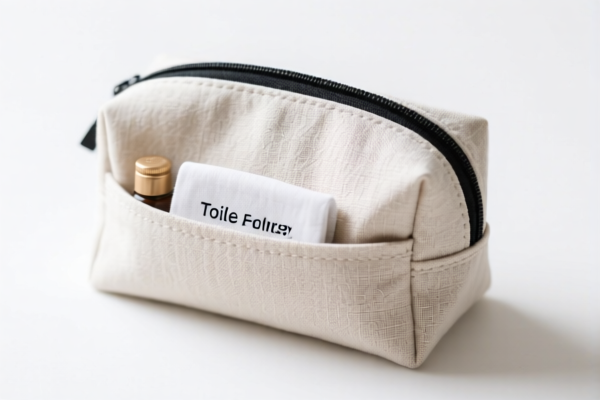
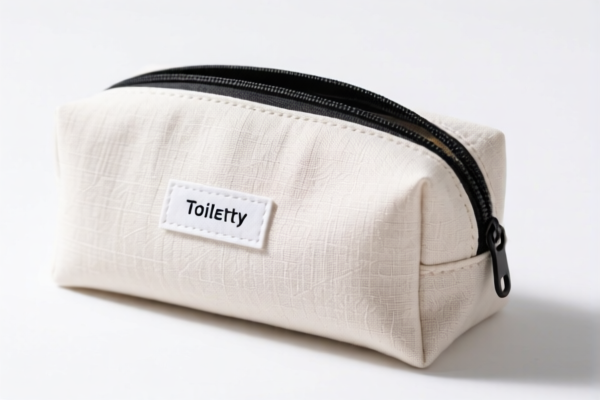
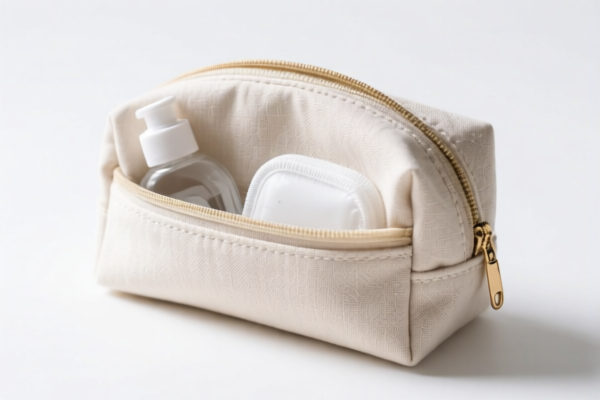
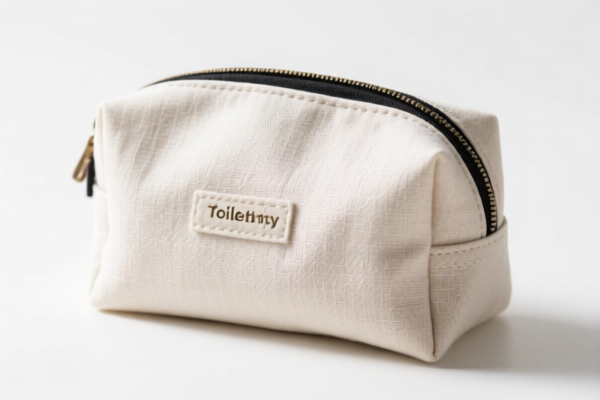
AI Analysis
🧳 Toiletry Bag (Toiletry Kits & Travel Accessories)
🌐 HS Code Reference & Customs Clearance Guide | 2026 Latest Tariff Analysis | Professional Strategy for US Imports
📌 Part I: Product Definition & Classification: What Exactly is a "Toiletry Bag"?
A Toiletry Bag is a general term often used by consumers, but in international trade, it is not a single HS Code. Instead, it is a "basket term" that covers various items depending on their specific function and material composition. Customs authorities will look at what is inside or what the item actually is, not just the name "bag."
Key Distinction:
- Toothpaste/Mouthwash → Chemical/Cosmetic preparations (Chapter 33)
- Toothbrushes/Floss → Brushes/Plastic articles (Chapter 96 or 39)
- Rubber Gloves/Masks → Rubber articles (Chapter 40)
- The Bag Itself (if sold empty) → Often classified by material (e.g., Plastic, Leather, Textile), but NOT explicitly listed in the provided data below.
⚠️ Critical Insight:
When importing "Toiletry Kits" (pre-filled), Customs may assess the individual components (toothpaste, brush) rather than the bag itself. When importing empty bags, they are classified by material. The data below focuses on the common components found in toiletry sets, as listed in the provided dataset.
📦 Part II: HS Code Classification Matrix (Based on Provided Data)
| HS Code | Product Description | Application Scenario | Material/Type |
|---|---|---|---|
3306.10.00.00 |
Oral Hygiene Preparations (e.g., Toothpaste, Mouthwash) | Pre-filled toiletry kits containing dental care products | Chemical/Cosmetic Paste/Liquid |
9603.21.00.00 |
Toothbrushes & Hair Brushes | Toothbrushes, shaving brushes included in kits | Bristles/Plastic Handle |
3306.20.00.00 |
Dental Care Floss & Similar Products | Dental floss, interdental cleaners | Non-woven fabric/Plastic thread |
4015.19.51.00 |
Rubber Hygiene & Pharmaceutical Articles | Rubber gloves, masks included in travel kits | Natural/Synthetic Rubber |
4015.12.90.00 |
Other Rubber Articles (General) | Rubber accessories, seals, or generic rubber items in kits | Rubber (General) |
🔍 Key Takeaway:
- If you import a pre-filled kit, you must declare each component separately or under the primary content’s code (often the highest value item).
- If you import empty bags, they are typically classified under Chapter 42 (Leather/Travel Goods) or 39 (Plastics), which are not in the provided dataset. The dataset provided focuses on the contents (Toothpaste, Toothbrush, etc.) and rubber accessories.
💰 Part III: 2026 Latest Tariff Rate Breakdown (US Imports from China)
✅ Applicable Country: United States (US)
✅ Origin: China (CN)
✅ Effective Date: 2025/2026 (Includes Section 301 & IEEPA tariffs)
🎯 1. 3306.10.00.00 — Oral Hygiene Preparations (Toothpaste)
| Item | Detail |
|---|---|
| Base Duty | 0.0% (Most Favored Nation) |
| Section 301 Additional Duty | 0.0% (Note: Some 301 goods are exempt, but check specific footnote) |
| 122 Clause Tariff | 10% |
| Total Tax Rate | 10.0% |
| Tax Calculation | CIF Value × 10% |
| Legal Basis | Standard Chapter 33 rate + Specific 122 Clause |
📌 Explanation:
- Toothpaste generally has a low base duty.
- The 10% "122 Clause Tariff" is the primary cost driver here. This is likely a specific retaliatory or supplemental tariff.
- No Section 301 tariff is listed in the provided data for this specific code (unlike electronics or some plastics), making it relatively cheaper.
🎯 2. 9603.21.00.00 — Toothbrushes
| Item | Detail |
|---|---|
| Base Duty | 0.0% |
| Section 301 Additional Duty | 7.5% |
| 122 Clause Tariff | 10% |
| Total Tax Rate | 17.5% |
| Tax Calculation | CIF Value × 17.5% |
| Legal Basis | Standard Chapter 96 rate + Section 301 + 122 Clause |
📌 Explanation:
- Toothbrushes face two layers of extra tariffs:
1. 7.5% Section 301 Tariff: A standard US retaliatory tariff on many Chinese goods.
2. 10% 122 Clause Tariff: Additional supplement.
- Total 17.5% is significantly higher than toothpaste.
🎯 3. 3306.20.00.00 — Dental Floss
| Item | Detail |
|---|---|
| Base Duty | 0.0% |
| Section 301 Additional Duty | 7.5% |
| 122 Clause Tariff | 10% |
| Total Tax Rate | 17.5% |
| Tax Calculation | CIF Value × 17.5% |
| Legal Basis | Standard Chapter 33 rate + Section 301 + 122 Clause |
📌 Explanation:
- Similar to toothbrushes, dental floss is subject to Section 301 (7.5%) and 122 Clause (10%).
- Total 17.5% applies.
🎯 4. 4015.19.51.00 & 4015.12.90.00 — Rubber Articles (Gloves/Accessories)
| Item | Detail |
|---|---|
| Base Duty | 14.0% |
| Section 301 Additional Duty | 25.0% |
| 122 Clause Tariff | 10% |
| Total Tax Rate | 49.0% |
| Tax Calculation | CIF Value × 49.0% |
| Legal Basis | Standard Chapter 40 rate + Section 301 + 122 Clause |
📌 Explanation:
- This is the HIGHEST tariff bracket in the provided data.
- Base Duty (14%): Rubber goods have a higher natural duty.
- Section 301 (25%): Standard US retaliatory tariff.
- 122 Clause (10%): Additional supplement.
- Total 49% makes importing rubber toiletry accessories (like gloves or rubber seals) extremely expensive.
🛠️ Part IV: Customs Clearance Practical Advice (Avoiding Pitfalls)
✅ 1. Documentation Checklist (Must-Have)
| Document | Required? | Notes |
|---|---|---|
| Commercial Invoice | ✅ Yes | Must list each component separately (e.g., "1x Toothpaste, 1x Toothbrush") if pre-filled. |
| Packing List | ✅ Yes | Detailed list of items, weights, and volumes. |
| Certificate of Origin (CO) | ✅ Yes | Proves Chinese origin to trigger/verify tariffs. |
| Product Photos | ✅ Yes | Show contents clearly to prove classification. |
| Ingredient List (for Toothpaste) | ✅ Yes | For customs health/safety review (Chapter 33). |
| Material Declaration | ✅ Yes | Specify if rubber gloves are "nitrile" or "latex" for accurate 4015 classification. |
✅ 2. Declaration Strategy (Key Tips)
🔥 "Separate is Better: Declare Components, Not 'Bag'"
| Scenario | Recommended HS Code | Why? |
|---|---|---|
| Pre-filled Toiletry Kit | Declare individually: 3306.10.00 (Toothpaste), 9603.21.00 (Brush) |
Customs may value the kit based on the most expensive item or all items separately. Declaring as "Bag" (4202) is risky if contents are visible. |
| Empty Toiletry Bag | Not in provided data | Likely 4202.92 (Plastic) or 4202.99 (Other). Do not use codes below for empty bags. |
| Rubber Gloves in Kit | 4015.19.51.00 or 4015.12.90.00 |
High tariff (49%). Ensure description is precise: "Disposable Rubber Gloves." |
⚠️ Warning:
- If you declare a "Toiletry Bag" containing toothpaste as4202(Bag), Customs may reclassify it to3306.10.00.00and charge the 10% tariff on the entire value, plus penalties.
- Always declare the primary content (e.g., Toothpaste) if the bag is incidental.
✅ 3. Cost Optimization Tips
| Strategy | Action |
|---|---|
| Avoid Rubber Accessories | Rubber items (gloves, seals) attract 49% tariff. Consider removing them or sourcing from non-China origins if possible. |
| Separate Toothbrushes | Toothbrushes (17.5%) are cheaper than rubber but more expensive than toothpaste (10%). Bundle wisely. |
| Pre-Filled vs. Empty | If importing empty bags, the tariff is unknown (not in data), but likely lower (0-5% base). Pre-filled kits incur component tariffs. |
🌍 Part V: Global Market Comparison (2026)
| Country | HS Code Example | Base Duty | Additional Tariffs | Total Est. | Notes |
|---|---|---|---|---|---|
| 🇺🇸 USA | 3306.10.00.00 |
0% | 10% (122 Clause) | 10% | Toothpaste |
| 🇺🇸 USA | 9603.21.00.00 |
0% | 7.5% (301) + 10% (122) | 17.5% | Toothbrush |
| 🇺🇸 USA | 4015.19.51.00 |
14% | 25% (301) + 10% (122) | 49% | Rubber Gloves |
| 🇪🇺 EU | 3306.10.00 |
6.5% | No Section 301 | ~6.5% | Lower barriers |
| 🇨🇳 China | 3306.10.00 |
6.5% | No Additional | ~6.5% | Lower barriers |
📌 Conclusion:
- US tariffs are the highest due to Section 301 and 122 Clauses.
- Rubber items (4015) are the most heavily taxed.
- Toothpaste (3306.10) is the most tariff-efficient item in the provided data (10%).
📌 Part VI: Common Errors & Pitfalls (Learn from Others)
❌ Error 1: Declaring a pre-filled kit as "Toiletry Bag" (4202)
👉 Result: Customs reclassifies to 3306.10.00.00 (Toothpaste) → 10% duty + penalties.
✅ Fix: Declare contents separately or use the primary product’s code.
❌ Error 2: Ignoring the "122 Clause Tariff"
👉 Result: Underpayment by 10-49% depending on item.
✅ Fix: Always include 122 Clause in cost calculations.
❌ Error 3: Misclassifying Rubber Gloves
👉 Result: If declared as "Textile Gloves" (6116), duty might be lower, but if found to be rubber, 49% applies retroactively.
✅ Fix: Accurate material description: "100% Nitrile Rubber Gloves."
🎯 Part VII: Final Recommendations
🔹 "Know Your Contents: Tariffs Vary by Item"
- Toothpaste: 10%
- Toothbrush/Floss: 17.5%
- Rubber Gloves: 49%🔹 "Declare Separately for Accuracy"
- Do not lump all items into one vague code.
- Use the most specific HS Code for each component.🔹 "Avoid Rubber in US-Bound Kits"
- The 49% tariff on rubber articles can destroy profit margins. Consider excluding rubber gloves or sourcing from Vietnam/Mexico if possible.
📌 Pro Tip:
- Apply for a Pre-Ruling from US CBP if you are importing large volumes of pre-filled kits. This ensures your classification is accepted before shipment, avoiding delays and penalties.
📣 Call to Action:
📞 Contact your customs broker with a detailed bill of materials (BOM) for your toiletry kit.
🚀 Optimize your product mix to minimize high-tariff rubber items.
💡 Precision in classification saves money!
✨ Professional Customs Clearance Starts with Accurate Classification!
💼 Every percentage point matters in international trade!
Customer Reviews
About HS Code Classification
The Harmonized System (HS) is an internationally standardized nomenclature developed by the World Customs Organization (WCO) to classify traded products. Over 200 countries use the HS system as the basis for customs tariffs, trade statistics, and import/export regulations.
Each HS code follows a hierarchical structure:
- Chapter (2 digits) — Broad category of goods (e.g., Chapter 84: Machinery and Mechanical Appliances)
- Heading (4 digits) — More specific grouping within the chapter
- Subheading (6 digits) — Internationally standardized breakdown, used by all WCO member countries
- National subdivisions (8-10 digits) — Country-specific extensions for further classification, such as US HTSUS 10-digit codes
Correct HS code classification is essential for smooth customs clearance, accurate duty payment, and compliance with trade regulations. Misclassification can lead to customs delays, overpayment of duties, or penalties.
When importing from CN to US, the applicable tariff rates may include:
- Most-Favored-Nation (MFN) rate — The standard duty rate applied to WTO members
- General rate — Applied to countries without trade agreements
- Trade remedy duties — Additional tariffs such as Section 301 (anti-dumping), Section 232 (national security), or countervailing duties
The information provided on this page is for reference purposes only. For official classification, please consult with your local customs authority or a licensed customs broker.