Tongue Drum
CN → US| HS Code | Tariff Rate | Origin | Destination | Doc |
|---|---|---|---|---|
| 9206008000 | 22.8% | CN | US | Official Doc |
| 9206002000 | 22.3% | CN | US | Official Doc |
| 9207900080 | 22.5% | CN | US | Official Doc |
| 7616995170 | 37.5% | CN | US | Official Doc |
| 9206008000 | 22.8% | CN | US | Official Doc |
Product Images
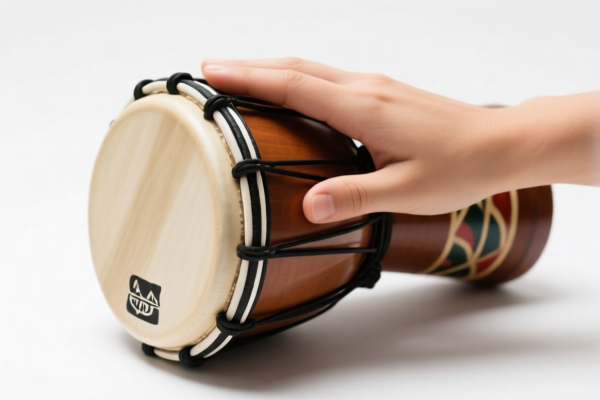
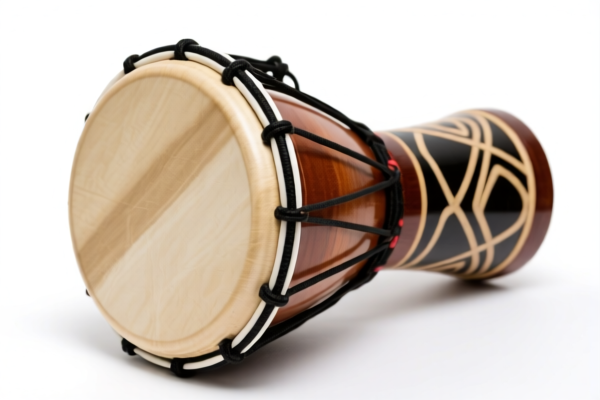
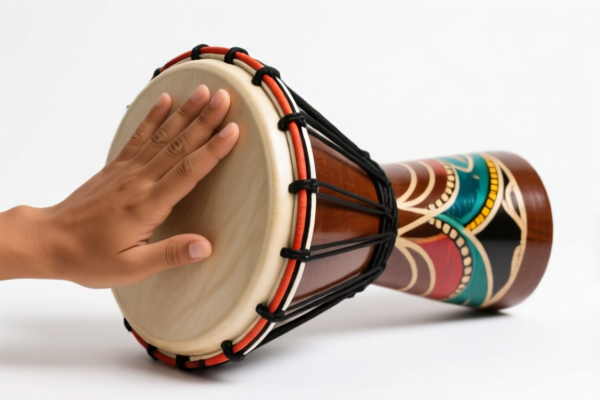

AI Analysis
🥁 Tongue Drum (Handpan / Hang Drum / Steel Tongue Drum)
🌐 HS Code Reference & Customs Clearance Guide | 2026 Latest Tariff Analysis | Professional Strategy
📌 I. Product Definition & Classification: Do You Really Understand the "Tongue Drum"?
The Tongue Drum is a modern idiophone percussion instrument, typically made from steel or aluminum. In international trade, its classification often causes confusion between Musical Instruments (Chapter 92) and Metal Articles (Chapter 76). The key distinction lies in whether the item is classified by its primary function (musical instrument) or its material/structure (metal container).
Steel Tongue Drums (Slit Drums):
- Made by cutting tongues into a metal vessel.
- Primary purpose: Musical performance.
- Classification Principle: Generally falls under Chapter 92 (Musical Instruments) because the "tongues" are integral to its musical function.
⚠️ Key Distinction Point:
- If the item is specifically designed and marketed as a musical instrument with tuned tongues →归入 9206.00 (Other Percussion Instruments).
- If the item is a generic metal container without specific acoustic tuning features (rare for this product type) → Might be misclassified under 7616.99 (Other articles of aluminum).
- Customs Risk: Misclassifying a musical instrument as a general metal good to avoid Chapter 92 tariffs is a common audit trigger.
📦 II. HS Code Classification Details (2026 Latest Tariff Authority对照)
| HS Code | Product Description | Applicable Scenario | Tax Rate Analysis |
|--------|----------|--------------------------|
| 9206.00.80.00 | Other percussion instruments (e.g., Tongue Drums, Hang Drums) | General steel tongue drums, tuned percussion instruments | 22.8% (See below) |
| 9206.00.20.00 | Drums, specifically classified under "Drums" | Tongue drums explicitly defined as a type of "Drum" in some jurisdictions | 22.3% (See below) |
| 9207.90.00.80 | Other electrically or otherwise mechanically sound-producing instruments | If the tongue drum has electronic pickups/sensors attached | 22.5% (See below) |
| 7616.99.51.70 | Other articles of aluminum (not specified elsewhere) | RISKY CLASSIFICATION: Generic aluminum vessel, no musical intent declared | 37.5% (See below) |
🔍 Critical Reminder:
-9206.00is the most accurate classification for standard acoustic tongue drums.
-7616.99.51.70applies only if you are importing un-tuned aluminum vessels that are not intended as instruments (e.g., decorative pots). Using this code for a musical instrument is high-risk and leads to penalties.
- The "Aluminum" classification is a trap for high tariffs; always prove musical intent.
💰 III. 2026 Latest Tariff Rate Breakdown (Including Surtaxes & Policy Surcharges)
✅ Applicable Country: United States (US)
✅ Country of Origin: China (CN)
✅ Effective Time: From November 10, 2025 (including subsequent imports)
🎯 1. 9206.00.80.00 —— Other Percussion Instruments (Standard Classification)
| Item | Detail |
|---|---|
| Base Duty Rate | 5.3% (ad valorem) |
| Section 301 Surtax | +7.5% (Specific to HS 9206 in many cases, or part of the 122 list structure) |
| Section 122 Tariff | +10% (Specific retaliatory or trade measure tariff) |
| Total Rate | 22.8% |
| Tax Calculation | CIF Value × 22.8% |
| De Minimis Eligibility | ❌ No (deny_de_minimis applies to Section 301/122 goods) |
| Legal Basis Path | Base Rate: 5.3% + Surtax: 7.5% + Section 122: 10% |
📌 Explanation:
- This is the most common and recommended classification for standard steel/aluminum tongue drums.
- The 22.8% total includes base duty plus specific US trade policy surcharges.
- No de minimis exemption: Even small shipments (under $800) are subject to these duties if declared as Section 301/122 goods.
🎯 2. 9206.00.20.00 —— Drums (Specific Sub-category)
| Item | Detail |
|---|---|
| Base Duty Rate | 4.8% (ad valorem) |
| Section 301 Surtax | +7.5% |
| Section 122 Tariff | +10% |
| Total Rate | 22.3% |
| Tax Calculation | CIF Value × 22.3% |
| De Minimis Eligibility | ❌ No |
| Legal Basis Path | Base Rate: 4.8% + Surtax: 7.5% + Section 122: 10% |
📌 Note:
- Slightly lower base rate (4.8% vs 5.3%) results in a marginally lower total duty (22.3%).
- Applicable if customs authorities classify the tongue drum strictly as a "Drum" rather than "Other Percussion."
🎯 3. 9207.90.00.80 —— Other Sound-Producing Instruments (Electric/Mechanical)
| Item | Detail |
|---|---|
| Base Duty Rate | 5.0% (ad valorem) |
| Section 301 Surtax | +7.5% |
| Section 122 Tariff | +10% |
| Total Rate | 22.5% |
| Tax Calculation | CIF Value × 22.5% |
| De Minimis Eligibility | ❌ No |
| Legal Basis Path | Base Rate: 5.0% + Surtax: 7.5% + Section 122: 10% |
📌 Note:
- Use this code only if the tongue drum is electronic (has pickups, batteries, or output jacks for amplification).
- Purely acoustic tongue drums should not use this code.
🎯 4. 7616.99.51.70 —— Articles of Aluminum (High-Risk Misclassification)
| Item | Detail |
|---|---|
| Base Duty Rate | 2.5% (ad valorem) |
| Section 301 Surtax | +25.0% (Higher surtax for metal goods) |
| Section 122 Tariff | +10% |
| Total Rate | 37.5% |
| Tax Calculation | CIF Value × 37.5% |
| De Minimis Eligibility | ❌ No |
| Legal Basis Path | Base Rate: 2.5% + Surtax: 25.0% + Section 122: 10% |
📌 Warning:
- This code applies to aluminum articles not elsewhere specified.
- If you import a tongue drum under this code, you are declaring it as a metal container, not an instrument.
- Result: 37.5% is significantly higher than the musical instrument rate (~22%).
- Risk: Customs may reclassify it as9206.00, leading to back taxes, penalties, and delays. Avoid this classification for musical instruments.
🛠️ IV. Customs Clearance Practical Advice (Battle-Tested Pitfall Avoidance)
✅ 1. Required Documentation Checklist (Must-Haves)
| Document | Mandatory | Explanation |
|---|---|---|
| ✅ Product Specification Sheet | ✔️ | Must clearly state: "Musical Instrument," "Tuned Steel/Aluminum," "Frequency Range." |
| ✅ Product Photos | ✔️ | Show the tongues, the body, and any brand/model labels. |
| ✅ Commercial Invoice | ✔️ | Describe as "Steel Tongue Drum, Musical Instrument, Model XYZ." Do NOT use "Aluminum Pot" or "Metal Container." |
| ✅ Packing List | ✔️ | Standard packaging details. |
| ✅ Proof of Musical Function | ✔️ | Optional but helpful: Catalogs, website links, or user manuals demonstrating its use as an instrument. |
✅ 2. Declaration Tips (Key Mnemonic)
🔥 "Musical Intent, Code 9206, Avoid 7616, Save 15%!"
| Scenario | Correct Declaration | Wrong Practice | Consequence |
|---|---|---|---|
| Acoustic Tongue Drum | 9206.00.80.00 (22.8%) |
7616.99.51.70 (37.5%) |
Overpay 14.7% on every shipment |
| Electronic Tongue Drum | 9207.90.00.80 (22.5%) |
9206.00.80.00 (22.8%) |
Minor overpayment; possible audit flag for "non-acoustic" item |
| Generic Aluminum Bowl | 7616.99.51.70 (37.5%) |
9206.00.80.00 |
Incorrect classification if not an instrument |
✅ 3. Special Cases Handling
| Situation | Handling Advice |
|---|---|
| OEM Custom Drums | Provide OEM agreement and design specs. Ensure description matches "Musical Instrument." |
| Drums with Pickups | Must declare as Electronic/Other (9207). Provide circuit diagram if requested. |
| Kit Includes Mallets | Declare as "Tongue Drum Set" including mallets under 9206.00. Do not split items. |
| Samples for Review | Even for samples, declare value correctly. No de minimis exemption for Section 301/122 goods. |
🌍 V. Global Market Customs Comparison (2026 Latest)
| Country/Region | Recommended HS Code | Tariff Rate | Certification | Notes |
|---|---|---|---|---|
| 🇺🇸 USA | 9206.00.80.00 |
22.8% | None specific | High due to Section 301/122. |
| 🇨🇳 China | 9206.00.90.00 |
~0-5% | N/A | Low import tariff for re-export. |
| 🇪🇺 EU | 9206.00.00 |
0% | CE (if electronic) | Free trade for acoustic instruments. |
| 🇬🇧 UK | 9206.00.00 |
0% | UKCA (if electronic) | Post-Brexit alignment with EU for instruments. |
| 🇦🇺 Australia | 9206.00.00 |
5% | RCM (if electronic) | Low duty for acoustic. |
📌 Conclusion:
- USA is the most expensive market due to 22.8% effective tariff.
- EU/UK/AU offer 0-5% rates, making them more competitive for exporters.
- Always declare as Musical Instrument to avoid the 37.5% "metal article" trap in the US.
📌 VI. Common Errors & Pitfall Guide (Lessons Learned)
❌ Error 1: Declaring Tongue Drums as "Aluminum Containers" or "Metal Pans"
👉 Consequence: Customs may reclassify to 9206, but if they stick to 7616, you pay 37.5% instead of 22.8%. Also, high scrutiny for "undervalued musical instruments."
❌ Error 2: Not declaring Section 301/122 surtaxes
👉 Consequence: Back taxes + Penalties. The 22.8% is not just base duty; it includes mandatory surcharges.
❌ Error 3: Using "De Minimis" for B2C shipments under $800
👉 Consequence: Seized or taxed. Section 301 and 122 goods are excluded from de minimis exemption (Section 321). Every shipment is subject to duty.
❌ Error 4: Misclassifying Electronic Drums as Acoustic
👉 Consequence: Potential audit for "incorrect HTS." While rates are similar (22.8% vs 22.5%), consistency is key for compliance.
✅ Correct Practice:
"Steel Tongue Drum, 220mm, Diatonic Scale, Musical Instrument, Model XYZ, Origin: China"
🎯 VII. Conclusion: Precision Classification, Cost Efficiency!
🎯 Remember the Mnemonic:
🔹 "Tongue Drum = Musical Instrument (9206) = 22.8%."
🔹 "Metal Pot = Non-Musical (7616) = 37.5% + Audit Risk."
🔹 "No De Minimis = Tax Every Shipment."
📌 Pro Tip:
If you are exporting to the US, ensure your commercial invoice explicitly states "Musical Instrument" and uses HS Code 9206.00.80.00.
For small B2C shipments, budget for the 22.8% duty cost, as it cannot be avoided via de minimis.
Consider pre-classification rulings from CBP if you have large volumes or mixed product lines.
📣 Immediate Action:
📞 Contact Customs Broker + Provide Product Photos + Use Correct HS Code
🚀 Ensure Smooth Clearance, Avoid Penalties, Maximize Profit!
✨ Professional Customs Clearance Starts with Accurate Classification!
💼 Every Percent Counts in Cross-Border Trade!
Customer Reviews
About HS Code Classification
The Harmonized System (HS) is an internationally standardized nomenclature developed by the World Customs Organization (WCO) to classify traded products. Over 200 countries use the HS system as the basis for customs tariffs, trade statistics, and import/export regulations.
Each HS code follows a hierarchical structure:
- Chapter (2 digits) — Broad category of goods (e.g., Chapter 84: Machinery and Mechanical Appliances)
- Heading (4 digits) — More specific grouping within the chapter
- Subheading (6 digits) — Internationally standardized breakdown, used by all WCO member countries
- National subdivisions (8-10 digits) — Country-specific extensions for further classification, such as US HTSUS 10-digit codes
Correct HS code classification is essential for smooth customs clearance, accurate duty payment, and compliance with trade regulations. Misclassification can lead to customs delays, overpayment of duties, or penalties.
When importing from CN to US, the applicable tariff rates may include:
- Most-Favored-Nation (MFN) rate — The standard duty rate applied to WTO members
- General rate — Applied to countries without trade agreements
- Trade remedy duties — Additional tariffs such as Section 301 (anti-dumping), Section 232 (national security), or countervailing duties
The information provided on this page is for reference purposes only. For official classification, please consult with your local customs authority or a licensed customs broker.