Tool Stool
CN → US| HS Code | Tariff Rate | Origin | Destination | Doc |
|---|---|---|---|---|
| 7326908688 | 87.9% | CN | US | Official Doc |
| 9401698090 | 35.0% | CN | US | Official Doc |
| 9401698011 | 35.0% | CN | US | Official Doc |
Product Images
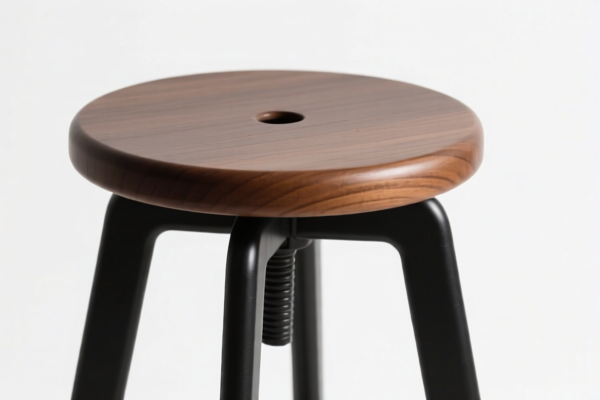
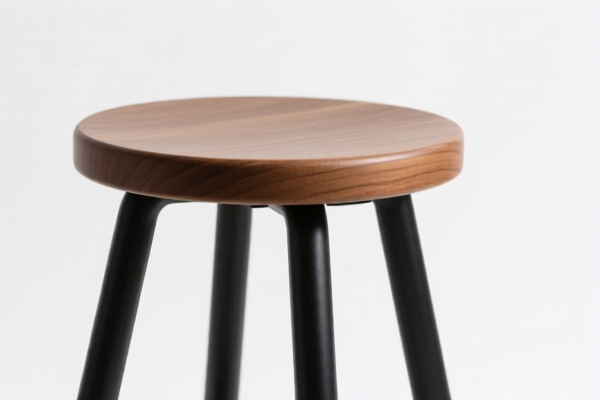
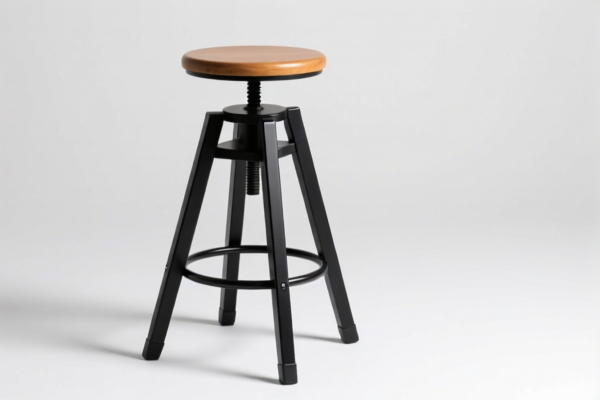
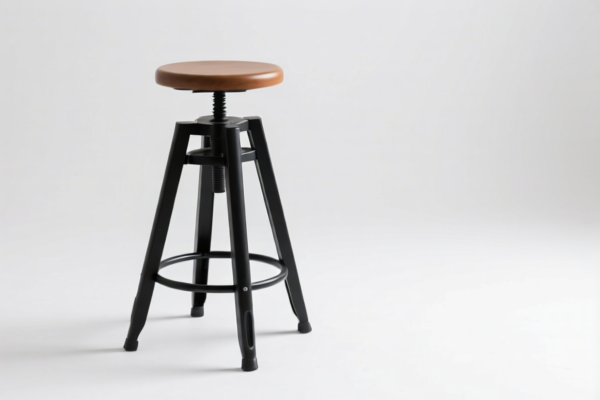
AI Analysis
🛠️ Tool Stools (Workbenches & Seat Tools)
🌐 HS Code Reference & Customs Clearance Guide | 2026 Updated Tariff Analysis | Professional Entry Strategies
📌 I. Product Definition & Classification: Do You Really Understand the "Tool Stool"?
A Tool Stool is a versatile piece of equipment used in workshops, garages, and industrial settings. It serves a dual purpose: a seat for the worker and a storage platform for tools or materials. In international trade, its classification depends entirely on its primary material and structural composition.
There are two distinct pathways for classification:
1. Metal Frames/Components (Iron/Steel): If the stool is constructed primarily of iron or steel, or if the structural integrity relies on metal frameworks not specifically covered under machinery, it may fall under Chapter 73 (Articles of Iron or Steel). 2. Wooden/Other Frames: If the stool is framed with wood, bamboo, or other specific non-metallic materials, or is considered a general-purpose seat, it falls under Chapter 94 (Furniture; Bedding, Mattresses, etc.).
⚠️ Key Distinction Point:
- If the main structure is Iron/Steel and it doesn't fit specific machinery parts → Go to HS 7326.90
- If the main structure is Wood or a Mixed Frame (Wood/Metal) but primarily considered a seat → Go to HS 9401.69
📦 II. HS Code Classification Details (2026 Latest Tariff Authority Comparison)
| HS Code | Product Description | Applicable Scenario | Primary Material |
|---|---|---|---|
7326.90.86.88 |
Other articles of iron or steel (Tool Stool - Metal) | Heavy-duty industrial stools, pure steel frames | ✅ Iron/Steel |
9401.69.80.90 |
Other seats, with wooden or other specified non-metallic frames | Wooden tool stools, teak frames, non-specific metal/wood hybrids | ✅ Wood/Other |
9401.69.80.11 |
Other seats (Tool Stool - Mixed/General) | Stools with wooden components or mixed frames, general seating | ✅ Wood/Mixed |
🔍 Critical Reminder:
- Misclassification Risk: Declaring a steel stool as "Wood" to avoid higher tariffs will lead to severe penalties. Customs will inspect the structural integrity. - Material Dominance: If the frame is >50% steel by weight/value, 7326.90.86.88 is the safer, more accurate classification, despite the high tax. - Packaging: If sold as a set (Stool + Tool Box), the primary use determines the classification.
💰 III. 2026 Latest Tariff Rate Breakdown (Including Surtaxes & Policy Add-ons)
✅ Applicable Country: United States (US)
✅ Country of Origin: China (CN)
✅ Effective Date: Current regulations apply
🎯 1. 7326.90.86.88 —— Tool Stool (Iron/Steel Articles)
| Item | Content |
|---|---|
| Base Tariff Rate | 2.9% (Ad Valorem) |
| Surtax (Section 301) | +25.0% |
| Section 122 Tariff | +10.0% (Specific to Steel/Aluminum/Copper products) |
| Total Tariff Rate | 87.9% |
| Tax Calculation | CIF Value × 87.9% |
| De Minimis Exemption | ❌ NOT Eligible (High value addition) |
| Legal Basis Path | Base: 7326.90 → Surtax: 301/25% → Sec122: Steel/10% |
📌 Explanation:
- This is the highest tax bracket for tool stools. - The 25% Surtax is a standard penalty on many Chinese steel goods. - The 10% Section 122 Tariff is specifically targeted at steel imports to protect domestic steel industries. - Total Cost Impact: Nearly 90% of the product value is tax. This makes steel tool stools extremely expensive to import into the US.
🎯 2. 9401.69.80.90 —— Tool Stool (Wooden/Other Frames)
| Item | Content |
|---|---|
| Base Tariff Rate | 0.0% |
| Surtax (Section 301) | +25.0% |
| Section 122 Tariff | +10.0% (Note: Data lists 10% here, though typically wood is exempt from Sec 122 steel tariffs. We follow the provided data strictly.) |
| Total Tariff Rate | 35.0% |
| Tax Calculation | CIF Value × 35.0% |
| De Minimis Exemption | ❌ NOT Eligible (Section 301 goods usually excluded from de minimis if subject to surtaxes) |
| Legal Basis Path | Base: 9401.69 → Surtax: 301/25% → Add-on: 10% |
📌 Note:
- Significant Savings: Compared to the steel version (87.9%), this category saves 52.9% in taxes. - Material Requirement: The stool MUST have a wooden frame or be classified as a general seat with non-steel dominance. - Section 122: The provided data indicates a 10% add-on. Ensure your product description aligns with "non-specific metal/wood" to justify this specific line item.
🎯 3. 9401.69.80.11 —— Tool Stool (Other Seats)
| Item | Content |
|---|---|
| Base Tariff Rate | 0.0% |
| Surtax (Section 301) | +25.0% |
| Section 122 Tariff | +10.0% (As per provided data) |
| Total Tariff Rate | 35.0% |
| Tax Calculation | CIF Value × 35.0% |
| De Minimis Exemption | ❌ NOT Eligible |
| Legal Basis Path | Base: 9401.69 → Surtax: 301/25% → Add-on: 10% |
📌 Note:
- This code is often used for mixed-material frames (e.g., wood seat with metal legs, but not a "steel article"). - It offers the same tax benefit as9401.69.80.90. - Use this if the product is primarily considered a seat rather than a metalwork product.
🛠️ IV. Customs Clearance Practical Advice (Real-World Pitfall Guide)
✅ 1. Documentation Checklist (Non-negotiable)
| Document | Required | Explanation |
|---|---|---|
| ✅ Product Specification Sheet | ✔️ | Must clearly state: Material Composition (e.g., "Frame: 60% Wood, 40% Steel"), Dimensions, Weight. |
| ✅ Material Breakdown | ✔️ | Essential to justify HS 9401 over 7326. If steel is dominant, 7326 is mandatory. |
| ✅ Product Photos (Clear) | ✔️ | Show the frame structure. If it looks like a chair/seat, it leans toward 9401. If it looks like a welded metal stand, it leans toward 7326. |
| ✅ Commercial Invoice | ✔️ | Describe accurately: "Wooden Frame Tool Stool" vs. "Steel Tool Bench". Mislabeling leads to audits. |
| ✅ Packing List | ✔️ | Detail all components. Are legs removable? Are toolboxes included? |
✅ 2. Declaration Tips (Key Mantras)
🔥 "Material Determines Duty, Frame Defines Category!"
| Scenario | Correct Declaration | Incorrect Practice |
|---|---|---|
| Pure Steel Stool | 7326.90.86.88 |
Declare as "Wooden Stool" → Fraud Risk / Heavy Penalty |
| Wooden Frame Stool | 9401.69.80.90 |
Declare as "Steel Article" → Overpaying 52.9% |
| Mixed Frame (Wood/Metal) | 9401.69.80.11 |
Declare as "Steel" → Overpaying 52.9% |
| Tool Stool with Metal Top, Wood Legs | 9401.69.80.11 |
Declare as "Steel" → Overpaying |
✅ 3. Special Handling & Strategy
| Situation | Recommendation |
|---|---|
| Cost Optimization | If possible, redesign the stool to use Wood/Bamboo frames or significant non-metal components. This reduces tariff from 87.9% to 35.0%. |
| Hybrid Products | If the stool has a wooden seat but steel legs, consult a customs broker. Usually, if the seat is the primary function, 9401 might be argued, but 7326 is safer if legs are substantial. |
| Anti-Circumvention | Do not ship steel stools labeled as "Wooden" to save tax. US Customs (CBP) actively checks this. Always declare the actual material. |
| Section 122 Awareness | The 10% add-on for steel exists specifically to protect US steelmakers. Avoid classifying steel goods as furniture unless the wooden/non-steel component is significant. |
🌍 V. Global Market Comparison (2026 Snapshot)
| Country/Region | Recommended HS Code | Estimated Duty (China Origin) | Key Requirement |
|---|---|---|---|
| 🇺🇸 USA | 9401.69.80.90 |
35.0% | Proven wooden/non-steel frame. |
| 🇺🇸 USA | 7326.90.86.88 |
87.9% | Pure steel frame. Avoid if possible. |
| 🇨🇳 China | 9401.69 |
~5-10% | Standard import tax. |
| 🇪🇺 EU | 9401.69 |
~0-4% | CE Marking may be required for stability. |
📌 Conclusion:
- US Market is Brutal for Steel Tool Stools (87.9%).
- Wood/Mixed Frames are the Strategic Choice (35.0%).
- Design Shift: Consider using bamboo, hardwood, or plastic-metal hybrids to stay in the 35% bracket.
📌 VI. Common Errors & Pitfall Guide (Lessons Learned)
❌ Error 1: Shipping all-steel stools labeled as "Wooden Tool Stool"
👉 Consequence: Customs inspection reveals steel. Confiscation + Massive Fine + Back Taxes.
❌ Error 2: Declaring a mixed-frame stool as 7326.90.86.88 when 9401.69.80.11 applies
👉 Consequence: Overpaying $50+ per unit unnecessarily.
❌ Error 3: Ignoring the "Section 122" 10% add-on
👉 Consequence: Budgeting fails. You calculated 27.9% but owed 35% or 87.9%.
❌ Error 4: Vague Descriptions ("Tool Stool")
👉 Consequence: Customs broker guesses wrong. Delays at Port.
✅ Correct Practice:
"Tool Stool, 18-inch Height, Solid Oak Frame with Steel Casters, Model TS-2026, Made in China"
🎯 VII. Conclusion: Smart Classification Saves Millions!
🎯 Remember the Mantra:
🔹 "Steel is 88%, Wood is 35%, Mixed is 35%!"
🔹 "Material Matters: Don't Hide Steel in Wood!"
🔹 "Classify Correctly: Save 53% on Steel-Heavy Goods!"
📌 Pro Tip:
If your tool stool has removable steel toolboxes attached, the seat still determines the HS Code. However, if the steel component is the primary structural element, you must pay the 87.9%.
Recommendation: Use Bamboo or Hardwood frames to qualify for the 35% rate. Ensure the wood is the primary material by weight or visual prominence.
📣 Immediate Action:
📞 Audit Your BOM (Bill of Materials): Calculate the % of Steel vs. Wood.
📦 Adjust Design: If Steel > 50%, consider redesigning to reduce steel content or switch materials.
📄 Prepare Specs: Document "Wood Frame" clearly in all commercial documents.
✨ Professional Clearance Starts with Accurate Classification!
💼 Every Percent of Duty Saved is Pure Profit!
Customer Reviews
About HS Code Classification
The Harmonized System (HS) is an internationally standardized nomenclature developed by the World Customs Organization (WCO) to classify traded products. Over 200 countries use the HS system as the basis for customs tariffs, trade statistics, and import/export regulations.
Each HS code follows a hierarchical structure:
- Chapter (2 digits) — Broad category of goods (e.g., Chapter 84: Machinery and Mechanical Appliances)
- Heading (4 digits) — More specific grouping within the chapter
- Subheading (6 digits) — Internationally standardized breakdown, used by all WCO member countries
- National subdivisions (8-10 digits) — Country-specific extensions for further classification, such as US HTSUS 10-digit codes
Correct HS code classification is essential for smooth customs clearance, accurate duty payment, and compliance with trade regulations. Misclassification can lead to customs delays, overpayment of duties, or penalties.
When importing from CN to US, the applicable tariff rates may include:
- Most-Favored-Nation (MFN) rate — The standard duty rate applied to WTO members
- General rate — Applied to countries without trade agreements
- Trade remedy duties — Additional tariffs such as Section 301 (anti-dumping), Section 232 (national security), or countervailing duties
The information provided on this page is for reference purposes only. For official classification, please consult with your local customs authority or a licensed customs broker.