Toolbox
CN → US| HS Code | Tariff Rate | Origin | Destination | Doc |
|---|---|---|---|---|
| 4415109000 | 45.7% | CN | US | Official Doc |
| 3926305000 | 22.8% | CN | US | Official Doc |
| 3926909989 | 22.8% | CN | US | Official Doc |
| 4415103000 | 35.0% | CN | US | Official Doc |
| 8205906000 | 0.0% | CN | US | Official Doc |
Product Images
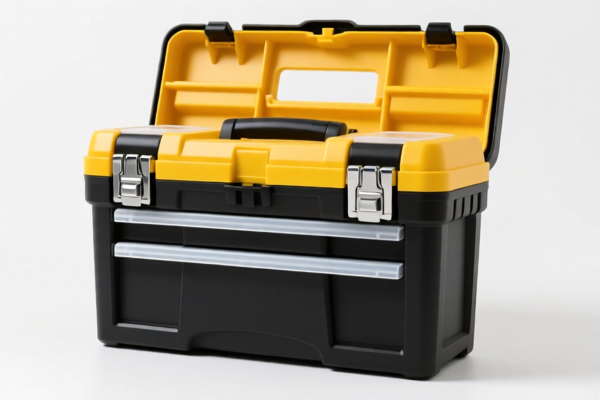
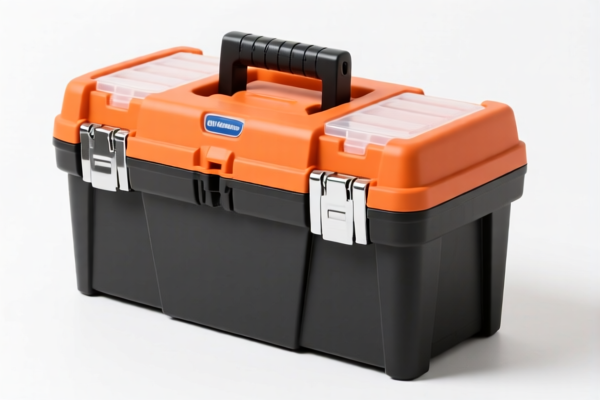
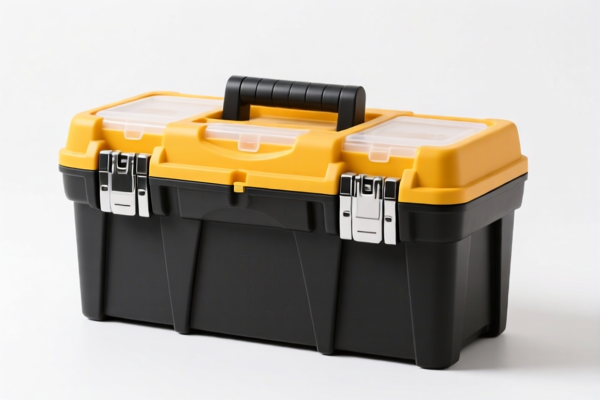
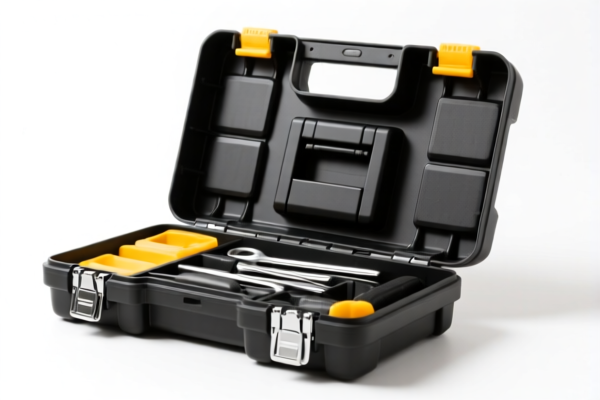
AI Analysis
🧰 Toolbox (Tool Cases & Sets)
🌐 HS Code Reference & Customs Clearance Guide | 2026 Latest Tariff Analysis | Professional Entry Strategies
📌 I. Product Definition & Classification: What Exactly Is a "Toolbox"?
A Toolbox, in the context of international trade and customs classification, is not just a "box." It is defined by its material, structure, and primary function. It serves as a container for tools, parts, or accessories. The key to correct classification lies in distinguishing between:
- Wooden Cases: Rigid, often lidded containers made primarily of wood.
- Plastic Cases: Molded or assembled containers made primarily of plastics (PP, ABS, Nylon, etc.).
- Tool Sets: If the box contains tools (like pliers, wrenches), the classification shifts entirely to the tools themselves (e.g., Chapter 82), not the container.
⚠️ Critical Distinction:
- If the item is an empty container → Classified by Material (Wood vs. Plastic).
- If the item is a set of tools in a case → Classified as the Tools (e.g.,8205.90), and the box is considered incidental packaging.
- Do not classify a plastic tool case as "wooden" or vice versa. Material dictates the Chapter.
📦 II. HS Code Classification Details (2026 Latest Tariff Authority Cross-Reference)
Based on the provided data for Toolboxes, here are the four most relevant HS Codes for Empty Containers (cases/crates/boxes):
| HS Code | Product Description | Applicable Scenario | Material Structure |
|---|---|---|---|
4415.10.90.00 |
Wooden packing cases, crates, drums, and similar packings; not specifically provided for | Generic wooden boxes, unlined wooden cases, shipping crates | ✅ Wood |
3926.30.50.00 |
Other articles of plastics: Other | Generic plastic containers, non-specific plastic tool boxes | ✅ Plastic |
3926.90.99.89 |
Other articles of plastics and articles of other materials of heading 3926: Other | Plastic toolboxes not specifically listed elsewhere (e.g., molded hard cases) | ✅ Plastic |
4415.10.30.00 |
Wooden packing cases, crates, drums, and similar packings: With lids | Wooden crates/boxes specifically designed with lids (common for tools) | ✅ Wood |
🔍 Key Reminder:
-4415.10.90.00and4415.10.30.00are for Wood.30.00is for those with lids;90.00is a catch-all for other wooden packing. -3926.30.50.00and3926.90.99.89are for Plastic.30.50is a general "other plastics" category;99.89is the "other plastics" catch-all. - ⚠️ WARNING: If your product is a "Tool Set" (tools inside) (e.g., a hammer and wrench in a plastic case), it MUST be classified under Chapter 82 (Articles of Iron or Steel), NOT Chapter 39 or 44. The data provided includes8205.90.60.00for this scenario.
💰 III. 2026 Latest Tariff Rate Detailed Explanation (Including Surcharge Policies)
✅ Applicable Country: United States (US)
✅ Country of Origin: China (CN)
✅ Effective Time: 2025 November 10 (including subsequent imports)
✅ Target Market: US Importers
🎯 1. Wooden Toolboxes (HS Code: 4415.10.90.00 & 4415.10.30.00)
Wooden packaging materials face the highest tariffs due to Section 301 and IEEPA surcharges.
A. 4415.10.90.00 – Wooden Packing Cases (Other/General)
| Item | Content |
|---|---|
| Base Rate | 10.7% |
| Section 301 Surcharge | +25.0% |
| IEEPA Section 122 Surcharge | +10.0% |
| Total Tax Rate | 45.7% |
| Tax Calculation | CIF Value × 45.7% |
| De Minimis Exemption? | ❌ NO (Denied) |
| Legal Basis Path | Base Tariff: 10.7% → Sec 301: 25% → IEEPA: 10% |
📌 Explanation:
- Wood packaging is heavily taxed to protect domestic wood industries and as a geopolitical tariff measure. - Total 45.7% is extremely high. Ensure your cost model accounts for this.
B. 4415.10.30.00 – Wooden Packing Cases (With Lids)
| Item | Content |
|---|---|
| Base Rate | 0.0% |
| Section 301 Surcharge | +25.0% |
| IEEPA Section 122 Surcharge | +10.0% |
| Total Tax Rate | 35.0% |
| Tax Calculation | CIF Value × 35.0% |
| De Minimis Exemption? | ❌ NO (Denied) |
| Legal Basis Path | Base Tariff: 0% → Sec 301: 25% → IEEPA: 10% |
📌 Explanation:
- Wooden cases with lids have a lower base rate (0%) compared to generic wooden crates (10.7%). - Savings: This code saves 10.7% in base duties, but the 35% total is still significant.
🎯 2. Plastic Toolboxes (HS Code: 3926.30.50.00 & 3926.90.99.89)
Plastic cases are significantly cheaper to import than wooden ones, but still subject to US tariffs.
A. 3926.30.50.00 – Other Plastic Articles (General)
| Item | Content |
|---|---|
| Base Rate | 5.3% |
| Section 301 Surcharge | +7.5% |
| IEEPA Section 122 Surcharge | +10.0% |
| Total Tax Rate | 22.8% |
| Tax Calculation | CIF Value × 22.8% |
| De Minimis Exemption? | ❌ NO (Denied) |
| Legal Basis Path | Base Tariff: 5.3% → Sec 301: 7.5% → IEEPA: 10% |
📌 Explanation:
- This is a moderate tariff. Plastic is less politically sensitive than wood in this context. - Total 22.8% is the standard rate for many generic plastic consumer goods.
B. 3926.90.99.89 – Other Plastic Articles (Catch-all)
| Item | Content |
|---|---|
| Base Rate | 5.3% |
| Section 301 Surcharge | +7.5% |
| IEEPA Section 122 Surcharge | +10.0% |
| Total Tax Rate | 22.8% |
| Tax Calculation | CIF Value × 22.8% |
| De Minimis Exemption? | ❌ NO (Denied) |
| Legal Basis Path | Base Tariff: 5.3% → Sec 301: 7.5% → IEEPA: 10% |
📌 Explanation:
- Same rate as3926.30.50.00. Use this if the specific plastic type isn't covered in3926.30.
🎯 3. Tool SETS (HS Code: 8205.90.60.00)
⚠️ CRITICAL: If your product is a set of tools (e.g., 10-piece wrench set) in a case, it is NOT a toolbox. It is a tool set.
8205.90.60.00 – Tool Sets
| Item | Content |
|---|---|
| Base Rate | Variable (Duty applies to the tools inside) |
| Section 301 Surcharge | +25.0% |
| IEEPA Section 122 Surcharge | +10.0% |
| Total Tax Rate | Variable + 35% |
| Description | "The rate of duty applicable to that article in the set subject to..." |
| Legal Basis Path | Sec 301: 25% → IEEPA: 10% → Base Rate of Tool |
📌 Explanation:
- You must determine the HS code of the most significant tool inside the set. - The box/case is ignored for classification; the tools dictate the tariff. - Add 35% (25% + 10%) on top of the tool's base rate.
🛠️ IV. Customs Clearance Practical Advice (Avoiding Pitfalls)
✅ 1. Preparation Checklist (Must-Have Documents)
| Document | Required | Purpose |
|---|---|---|
| ✅ Product Specifications | ✔️ | Must clearly state: Material (Wood/Plastic), Dimensions, Weight, Empty or Full? |
| ✅ Material Declaration | ✔️ | Explicitly state: "100% Solid Wood" or "Polypropylene Plastic". |
| ✅ Photos (Clear) | ✔️ | Show structure: Lids? Handles? Locks? Interior lining? |
| ✅ Commercial Invoice | ✔️ | Description must match HS Code. E.g., "Empty Wooden Toolbox" vs. "Tool Set with Case". |
| ✅ Packing List | ✔️ | Detail contents: Is it empty? If not, list each tool. |
| ✅ Fumigation Certificate | ✔️ | Required for Wood: If using solid wood, IPPC fumigation stamp is mandatory to avoid rejection. |
✅ 2. Declaration Tips (Key Rules)
🔥 “Material First, Lids Matter, Sets Are Tools!”
| Scenario | Correct HS Code | Wrong Way | Result |
|---|---|---|---|
| Empty Wooden Box (No Lid) | 4415.10.90.00 |
4415.10.30.00 |
Overpayment (10.7% vs 0% base) |
| Empty Wooden Box (With Lid) | 4415.10.30.00 |
4415.10.90.00 |
Overpayment (0% base vs 10.7% base) |
| Empty Plastic Box | 3926.30.50.00 or 3926.90.99.89 |
4415... |
Rejected (Wrong Material) |
| Tool Set (Tools Inside) | 8205.90.60.00 (varies) |
3926... or 4415... |
Severe Penalty (Misclassification of Tools) |
| OEM Plastic Case | 3926.30.50.00 |
3926.90.99.89 |
Minor difference, but 30.50 is preferred for standard articles |
✅ 3. Special Cases Handling
| Situation | Handling Advice |
|---|---|
| Composite Material (Wood frame + Plastic lid) | Usually classified by dominant material. If wood >50% by weight/value → Wood HS Code. |
| Fumigation for Wood | If importing wooden toolboxes, ensure IPPC stamp is visible. Without it, US Customs (CBP) will reject the shipment. |
| "Tool Set" Definition | If the box contains tools that are used together for a task (e.g., repair kit), it is a set. If it contains spare parts only, it may be classified as parts (Chapter 73/82). |
| Branded vs. Generic | Brand does not affect HS Code. Only Material and Function matter. |
🌍 V. Global Market Comparison (2026 Latest)
| Country/Region | Recommended HS Code | Tariff (China Origin) | Certification | Remarks |
|---|---|---|---|---|
| 🇺🇸 USA | 4415.10.30.00 (Wood) / 3926.30.50.00 (Plastic) |
35% (Wood w/ Lid) 22.8% (Plastic) |
N/A | High surcharges due to Sec 301 & IEEPA. |
| 🇨🇳 China | 4415.10.90.00 / 3926.30.50.00 |
5-10% | N/A | Lower base rates, no US surcharges. |
| 🇪🇺 EU | 4415.10.90.00 / 3926.90.99.89 |
1.7% (Wood) 4.5% (Plastic) |
CE (if electronic) | No Section 301 tariffs. Standard MFN rates. |
| 🇬🇧 UK | 4415.10.90.00 / 3926.90.99.89 |
2.4% (Wood) 4.5% (Plastic) |
UKCA | Post-Brexit tariffs. No US-style surcharges. |
📌 Conclusion:
- USA is the most expensive market for toolboxes due to 35% and 22.8% effective rates. - EU/UK/China are significantly cheaper (under 5%). - Plastic is always cheaper than Wood in the US market (22.8% vs 35%).
📌 VI. Common Errors & Pitfalls (Lessons Learned)
❌ Error 1: Declaring a Tool Set as an Empty Plastic Case (3926...)
👉 Consequence: CBP reclassifies as Tools (8205...) → Back taxes + Penalties. Tools often have higher base rates.
❌ Error 2: Using Unfufumigated Wood for US Import
👉 Consequence: Shipment Detained/Destroyed at port. No entry possible without IPPC stamp.
❌ Error 3: Confusing 4415.10.90.00 (No Lid) with 4415.10.30.00 (With Lid)
👉 Consequence: Paying 10.7% extra on base duty unnecessarily. Always check if the box has a lid.
✅ Correct Declaration Example:
"Empty Wooden Toolbox with Lid, 12 Inches, Made of Plywood, Not Containing Tools"
→ HS Code:4415.10.30.00(Tax: 35%)
🎯 VII. Conclusion: Professional Declaration, Save Money, Ensure Compliance!
🎯 Remember the Rules:
🔹 "Wood needs Fumigation, Plastic needs Classification."
🔹 "Lids save 10.7% base duty on Wood."
🔹 "Tools inside = Tools Classified, not Box."
🔹 "Plastic is 22.8%, Wood is 35% in USA."
📌 Pro Tip:
If you are importing large volumes, consider:
1. Switching to Plastic: Saves ~12% in total tariff compared to wooden cases with lids.
2. Pre-Clearance Ruling: Apply for an ACE Ruling from CBP to confirm HS Code before shipping.
3. Supply Chain Diversification: For the US market, products from Vietnam/Malaysia may have different tariff treatments (though Section 301 often still applies to Chinese-origin components).
📣 Immediate Action:
📞 Contact your freight forwarder with clear photos and material specs.
🚀 Apply for Pre-Ruling if importing over $10,000.
✨ Ensure IPPC Stamp for any wooden products!
✨ Professional Customs Clearance Starts with Accurate Classification!
💼 Every Percent Saved is Pure Profit!
Customer Reviews
About HS Code Classification
The Harmonized System (HS) is an internationally standardized nomenclature developed by the World Customs Organization (WCO) to classify traded products. Over 200 countries use the HS system as the basis for customs tariffs, trade statistics, and import/export regulations.
Each HS code follows a hierarchical structure:
- Chapter (2 digits) — Broad category of goods (e.g., Chapter 84: Machinery and Mechanical Appliances)
- Heading (4 digits) — More specific grouping within the chapter
- Subheading (6 digits) — Internationally standardized breakdown, used by all WCO member countries
- National subdivisions (8-10 digits) — Country-specific extensions for further classification, such as US HTSUS 10-digit codes
Correct HS code classification is essential for smooth customs clearance, accurate duty payment, and compliance with trade regulations. Misclassification can lead to customs delays, overpayment of duties, or penalties.
When importing from CN to US, the applicable tariff rates may include:
- Most-Favored-Nation (MFN) rate — The standard duty rate applied to WTO members
- General rate — Applied to countries without trade agreements
- Trade remedy duties — Additional tariffs such as Section 301 (anti-dumping), Section 232 (national security), or countervailing duties
The information provided on this page is for reference purposes only. For official classification, please consult with your local customs authority or a licensed customs broker.