Toothbrush Holder
CN → US| HS Code | Tariff Rate | Origin | Destination | Doc |
|---|---|---|---|---|
| 3924905650 | 20.9% | CN | US | Official Doc |
| 7323999080 | 88.4% | CN | US | Official Doc |
| 3924900500 | 20.6% | CN | US | Official Doc |
| 7323999030 | 88.4% | CN | US | Official Doc |
| 3926305000 | 22.8% | CN | US | Official Doc |
Product Images



AI Analysis
🪥 Toothbrush Holder: The Ultimate HS Code & Duty Guide | 2026 Customs Clearance Strategy
🌐 Global Trade Compliance & Duty Breakdown | Plastic vs. Metal Classification | Critical Tax Insights
📌 I. Product Definition: What is a "Toothbrush Holder"?
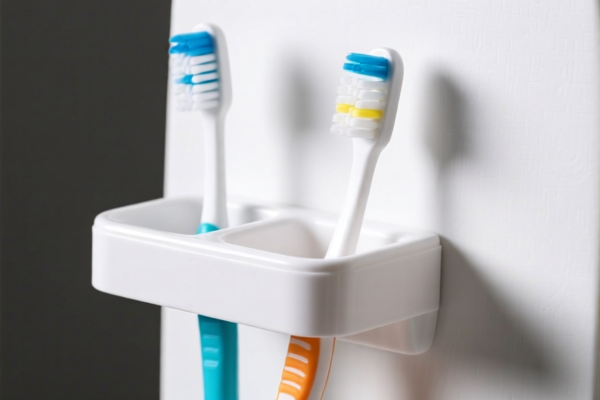
A Toothbrush Holder is a household storage accessory designed to organize and hold toothbrushes, razors, and other personal hygiene tools. In international trade, classification hinges entirely on Material and Primary Use:
- 🔸 Plastic Holders: Typically made of ABS, PP, or PET. Classified under Chapter 39 (Plastics).
- 🔸 Metal Holders: Made of Stainless Steel, Iron, or Aluminum. Classified under Chapter 73 (Iron/Steel) or Chapter 79 (Aluminum).
⚠️ The Critical Pivot Point:
- Plastic → Low Base Duty + Moderate Add-ons (Total ~20-23%)
- Metal (Steel/Iron) → EXTREME Duty due to "Section 232" + "301" tariffs (Total 88.4%)
Misdeclaring metal as plastic can lead to massive fines or cargo seizure.
📦 II. HS Code Classification Matrix (Based on Your Data)
| HS Code | Material Inference | Key Classification Logic | Total Duty Rate |
|---|---|---|---|
| 3924.90.05.00 | Plastic | "Bathroom/Hygiene Supplies" (Toothbrushes belong here). Matches "Other Household/Toiletware." | 20.6% |
| 7323.99.90.30 | Iron/Steel | "Tableware/Food Contact" or "Household Items." Fits Steel/Iron Household Goods. | 88.4% |
| 3924.90.56.50 | Plastic | "Other Household Items." Plastic material with no specific conflict in "Other" category. | 20.9% |
| 7323.99.90.80 | Iron/Steel | "Parts of Household Appliances/Items." Steel/Iron material fits "Iron/Steel Household Goods." | 88.4% |
| 3926.30.50.00 | Plastic | "Furniture Accessories/Connectors." Plastic material for "Other" connectors/brackets. | 22.8% |
💰 III. Deep Dive: Tax Structure & Legal Basis (USA - China Origin)
✅ Market: USA (US)
✅ Origin: China (CN)
⚠️ Critical Context: The difference between 20% and 88% depends on a single material declaration.
🎯 Scenario A: Plastic Toothbrush Holders (Codes: 3924.90.05.00, 3924.90.56.50, 3926.30.50.00)
Why it's cheaper: These fall under "Household/Ware" rather than heavy industrial steel.
1. Code: 3924.90.05.00 (Bathroom/Toiletware)
- Base Duty: 3.1%
- Section 301 (Trade War): +7.5%
- Section 122 (China Tariff): +10.0%
- Total Tax: 20.6%
- Legal Path:
HTSUS 3924.90.05.00→Section 301→Section 122
2. Code: 3924.90.56.50 (Other Household Items)
- Base Duty: 3.4%
- Section 301 (Trade War): +7.5%
- Section 122 (China Tariff): +10.0%
- Total Tax: 20.9%
3. Code: 3926.30.50.00 (Furniture Parts/Plastic Connectors)
- Base Duty: 5.3%
- Section 301 (Trade War): +7.5%
- Section 122 (China Tariff): +10.0%
- Total Tax: 22.8%
📌 Explanation: All plastic variants suffer from the 17.5% combined add-on tariff (7.5% + 10%), but the base duty is low (~3-5%), keeping the total under 23%.
🚨 Scenario B: Metal (Iron/Steel) Toothbrush Holders (Codes: 7323.99.90.30, 7323.99.90.80)
Why it's expensive: These are classified as Steel/Iron Products, triggering massive "Section 232" (National Security) tariffs on top of "Section 301".
1. Code: 7323.99.90.30 (Kitchen/Tableware or Steel Household)
- Base Duty: 3.4%
- Section 301 (Trade War): +25.0%
- Section 232 (Steel/Aluminum/Copper): +50.0% (The Killer Clause!)
- Section 122 (China Tariff): +10.0%
- Total Tax: 88.4%
2. Code: 7323.99.90.80 (Steel Household Parts)
- Base Duty: 3.4%
- Section 301 (Trade War): +25.0%
- Section 232 (Steel/Aluminum/Copper): +50.0%
- Section 122 (China Tariff): +10.0%
- Total Tax: 88.4%
📌 CRITICAL WARNING:
The +50% "Steel/Aluminum/Copper" tariff (Section 232) is applied specifically to iron/steel products. Even if the item is small (a toothbrush holder), if it is steel, the duty jumps to 88.4%.
Legal Path:HTSUS 7323.99.90.30/80→Section 232 (2017-2026)→Section 301→Section 122.
🛠️ IV. Customs Clearance Strategy: Avoid the 88% Trap
✅ 1. Material Verification Checklist (Must-Haves)
To prove the item is PLASTIC (and avoid the 88% tax), you must provide: | Document | Requirement | Why? | | :--- | :--- | :--- | | Product Material Test Report | Must explicitly state "Plastic (ABS/PP/PET)" | Proves it is NOT Iron/Steel. | | Magnification Photos | Close-up of texture/grain | Steel has grain; Plastic has molding lines. | | Magnet Test Video | Show magnet does NOT stick | Iron is magnetic; Plastic is not. | | Supplier Declaration | "All components are non-ferrous" | Legal binding statement. |
✅ 2. Declaring Strategy (The "Golden Rule")
🔥 "If it's Steel, it's Dead. If it's Plastic, it's Profit."
| Component | Correct Declaration | Risk of Wrong Declaration |
|---|---|---|
| Material | "100% Plastic, No Metal Coating" | ❌ If "Steel" declared by mistake → 88.4% |
| Finish | "Painted Plastic" (not "Plated Steel") | ⚠️ Thin chrome plating on plastic usually still counts as Plastic (3924) |
| Core | "Plastic Core, Metal Stand" (If mixed) | ⚠️ If metal core is structural, 88.4% applies to the whole unit! |
✅ 3. Special Handling: Mixed Material Holders
If the holder has a Plastic Cup but a Steel Base: * Risk: Customs may classify the entire unit based on the "essential character" of the steel base. * Solution: If possible, separate packaging. Ship plastic cups and steel bases as separate items. * Alternative: Use "Plated Plastic" (plastic with a thin layer of metal finish) and provide a magnet test showing the base is plastic.
🌍 V. Global Market Comparison (2026 Outlook)
| Market | Plastic Holder Tax | Steel Holder Tax | Recommendation |
|---|---|---|---|
| 🇺🇸 USA | ~20.6% | 88.4% | Avoid Steel! Use high-quality plastic or move manufacturing to Vietnam/Mexico. |
| 🇪🇺 EU | Low (1-2%) | Moderate (8-10%) | Steel is acceptable in EU, but USA is the high-risk market. |
| 🇨🇦 Canada | Low (6.5%) | Moderate (10-15%) | Canada has fewer Section 232 tariffs on finished steel goods. |
| 🇯🇵 Japan | Low (3-5%) | Moderate (5-8%) | Japan is very friendly to steel imports; no Section 232. |
📌 Conclusion: The US market is the ONLY major destination where Steel Toothbrush Holders face an 88.4% barrier. Plastic is the only viable material for US exports from China.
📌 VI. Common Pitfalls & Solutions (Blood & Tears Lessons)
❌ Pitfall 1: "It looks like metal, but it's plastic"
👉 Consequence: Customs inspector assumes "Steel" due to shiny finish.
👉 Fix: Include a Magnet Test Photo in the customs file immediately.
❌ Pitfall 2: Mixed Material (Steel Handle + Plastic Cup)
👉 Consequence: Entire shipment classified as 7323 (88.4% tax).
👉 Fix: Ship as two separate SKUs or design with "Plated Plastic" (non-structural metal).
❌ Pitfall 3: Wrong HS Code Selection
👉 Consequence: Declaring 3924 for a steel item leads to Back Duty + Fines.
👉 Fix: Always run a Material Verification before filing the Entry.
🎯 VII. Final Action Plan
- Audit your inventory: Identify which SKUs are Steel vs. Plastic.
- For US Imports: Switch all Steel toothbrush holders to Plastic or source from non-China origin (e.g., Vietnam) to bypass Section 301/122.
- Prepare Documentation: Have a Material Test Report ready for every plastic SKU.
- Pre-Ruling: For mixed-material items, file an Advance Ruling with CBP to confirm the "Plastic" classification.
💡 Pro Tip:
"A steel toothbrush holder costs $0.50 to make but $5.00 in US duty.
A plastic one costs $0.30 to make and $0.15 in duty.
The difference is $4.85 per unit."
✨ Clearance Success = Material Accuracy + Smart Classification
💼 Don't let a tiny steel holder cost you 88% of your profit!
Customer Reviews
About HS Code Classification
The Harmonized System (HS) is an internationally standardized nomenclature developed by the World Customs Organization (WCO) to classify traded products. Over 200 countries use the HS system as the basis for customs tariffs, trade statistics, and import/export regulations.
Each HS code follows a hierarchical structure:
- Chapter (2 digits) — Broad category of goods (e.g., Chapter 84: Machinery and Mechanical Appliances)
- Heading (4 digits) — More specific grouping within the chapter
- Subheading (6 digits) — Internationally standardized breakdown, used by all WCO member countries
- National subdivisions (8-10 digits) — Country-specific extensions for further classification, such as US HTSUS 10-digit codes
Correct HS code classification is essential for smooth customs clearance, accurate duty payment, and compliance with trade regulations. Misclassification can lead to customs delays, overpayment of duties, or penalties.
When importing from CN to US, the applicable tariff rates may include:
- Most-Favored-Nation (MFN) rate — The standard duty rate applied to WTO members
- General rate — Applied to countries without trade agreements
- Trade remedy duties — Additional tariffs such as Section 301 (anti-dumping), Section 232 (national security), or countervailing duties
The information provided on this page is for reference purposes only. For official classification, please consult with your local customs authority or a licensed customs broker.