Tortoise Hideout Cave
CN → US| HS Code | Tariff Rate | Origin | Destination | Doc |
|---|---|---|---|---|
| 3926400090 | 15.3% | CN | US | Official Doc |
| 3926909989 | 22.8% | CN | US | Official Doc |
| 6913105000 | 17.5% | CN | US | Official Doc |
| 6913905000 | 23.5% | CN | US | Official Doc |
Product Images
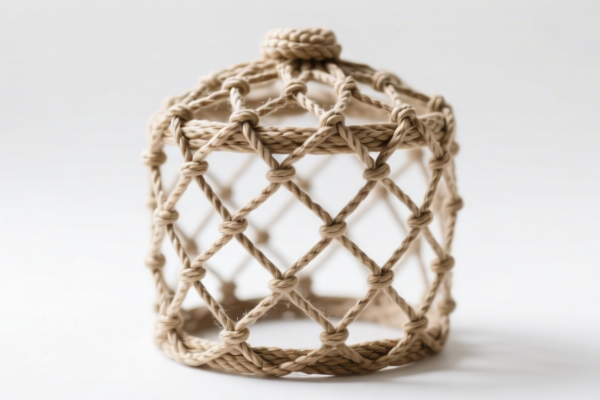
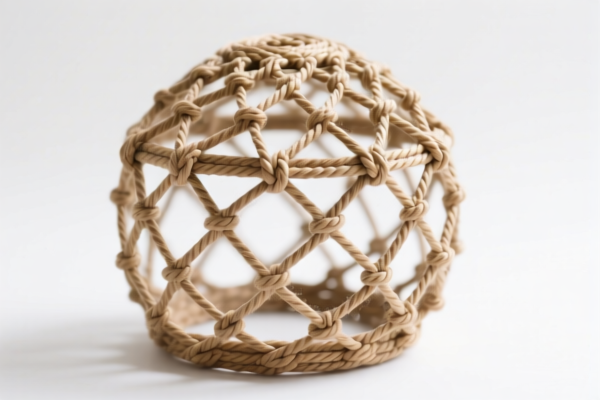
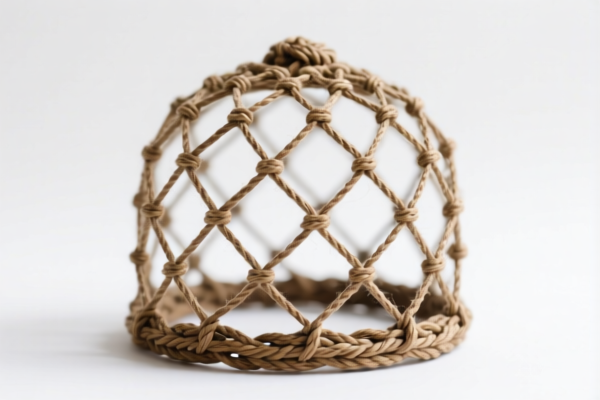
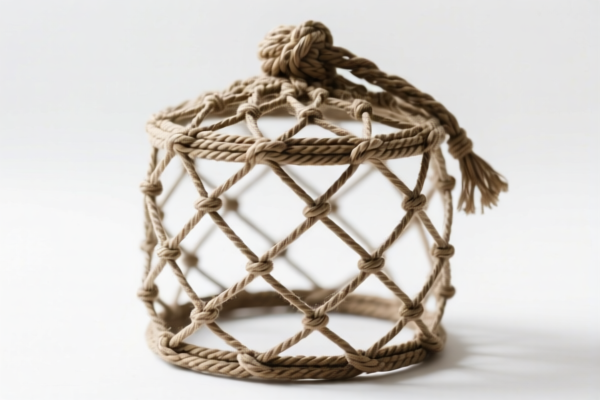
AI Analysis
Based on the data provided in <DATA>, here is the classification analysis for Tortoise Hideout Cave.
⚠️ Critical Clarification Required
The term "Tortoise Hideout Cave" is ambiguous in international trade. It generally refers to one of two distinct products: 1. Ceramic/Ceramic-like Decor: A hollow ceramic rock, cave, or shelter designed for pets (turtles/tortoises) or aquariums. 2. Plastic/Resin Decor: A synthetic resin or plastic rock/cave for aquariums or terrariums.
Live tortoises are live animals and are NOT covered by the provided HS Codes (6913.90, 3926.40, etc.), which cover ornamental articles and plastics. If you are importing live animals, please consult HS Chapter 01 (Live Animals).
The following analysis assumes you are importing pet habitat decorations (caves/shelters) based on the provided data.
🐢 Tortoise Hideout Cave: HS Code Classification & Tax Analysis
📦 Case 1: Ceramic/Porcelain Hideout Cave
If the cave is made of ceramic, porcelain, or china (e.g., a glazed ceramic rock), it falls under Chapter 69.
✅ Recommended HS Code: 6913.90.50.00
- Description: Statuettes and other ornamental ceramic articles: Other: Other: Other.
- Why?
- Ceramic pet shelters are considered "ornamental ceramic articles" when used as decor/hideouts.
- If the cave is highly detailed (e.g., sculpted to look like a real rock with crevices), it may also compete with
6913.10.50.00(Of porcelain or china), but6913.90.50.00is the broader "Other" category for non-porcelain ceramics, which is often safer for earthenware or stoneware pet habitats.
- Tax Breakdown:
- Base Tariff: 6.0%
- Additional Tariff: 7.5%
- Total Tax: 13.5%
- Legal Basis: Chapter 69, Heading 6913.
❌ Alternative (Less Likely for Earthenware): 6913.10.50.00
- Description: Statuettes and other ornamental ceramic articles: Of porcelain or china: Other: Other.
- Why? Only if the cave is explicitly porcelain (white, translucent, vitrified). Most pet caves are earthenware or stoneware, not fine porcelain.
- Tax Breakdown:
- Base Tariff: 0.0%
- Additional Tariff: 7.5%
- Total Tax: 7.5%
📦 Case 2: Plastic/Resin Hideout Cave
If the cave is made of plastic, resin, or other plastic materials, it falls under Chapter 39.
✅ Recommended HS Code: 3926.40.00.90
- Description: Other articles of plastics: Statuettes and other ornamental articles: Other.
- Why?
- Plastic pet caves are often treated as "ornamental articles" because they are sculpted to resemble natural rocks/caves.
- This code is specific to "ornamental" plastic items.
- Tax Breakdown:
- Base Tariff: 5.3%
- Additional Tariff: 0.0%
- Total Tax: 5.3%
- Legal Basis: Chapter 39, Heading 3926.
❌ Alternative (Generic Plastic): 3926.90.99.89
- Description: Other articles of plastics: Other: Other: Other.
- Why? Used if the item is not considered "ornamental" (e.g., a plain, functional plastic tube). However, for a "cave" designed to look like a rock,
3926.40.00.90is more accurate. - Tax Breakdown:
- Base Tariff: 5.3%
- Additional Tariff: 7.5%
- Total Tax: 12.8%
📊 Comparison Table (From Provided Data)
| Product Material | HS Code | Description | Total Tax | Base Tariff | Additional Tariff |
|---|---|---|---|---|---|
| Ceramic (Stoneware/Earthenware) | 6913.90.50.00 |
Other ornamental ceramic articles | 13.5% | 6.0% | 7.5% |
| Porcelain | 6913.10.50.00 |
Ornamental ceramic articles (Porcelain) | 7.5% | 0.0% | 7.5% |
| Plastic/Resin (Ornamental) | 3926.40.00.90 |
Ornamental plastic articles | 5.3% | 5.3% | 0.0% |
| Plastic (Generic) | 3926.90.99.89 |
Other plastic articles | 12.8% | 5.3% | 7.5% |
🛃 Customs Clearance Recommendations
1. Determine Material First
- Ceramic: Choose
6913.90.50.00(13.5% tax) for most pet caves. If you can prove it is fine porcelain, use6913.10.50.00(7.5% tax) to save tax. - Plastic/Resin: Use
3926.40.00.90(5.3% tax). This is the lowest tax rate among all options. Avoid generic plastic codes (3926.90) to prevent extra 7.5% additional tariffs.
2. Declare Accurate Description
- Do NOT simply write "Hideout."
- Correct Declaration Example:
- For Ceramic: "Ceramic Ornamental Cave for Reptiles, Not for Live Animal Housing"
- For Plastic: "Plastic Ornamental Rock Cave for Aquarium/Terrarium Decor"
- Why? Customs may classify it as "Articles for Animals" (which might fall under different chapters if not ornamental). Using "Ornamental" aligns with the provided HS codes.
3. Avoid Live Animal Misclassification
- If the product contains live tortoises, it cannot be classified under these codes. Live animals fall under HS 0106. Misdeclaration can lead to severe penalties, seizure, and legal action.
4. Tax Optimization Tip
- Plastic is cheapest: If you have a choice between ceramic and plastic, plastic (
3926.40.00.90) has the lowest tax at 5.3% with no additional tariff. - Porcelain is second cheapest: If using ceramic, ensure it is porcelain (
6913.10.50.00) to get 7.5% tax instead of 13.5%.
🚨 Final Advice
- If Ceramic: Declare as "Ceramic Ornamental Cave", HS Code
6913.90.50.00, Tax 13.5%. - If Plastic: Declare as "Plastic Ornamental Cave", HS Code
3926.40.00.90, Tax 5.3%. - Always include product photos showing the material (porous ceramic vs. smooth plastic) to support your classification.
Customer Reviews
About HS Code Classification
The Harmonized System (HS) is an internationally standardized nomenclature developed by the World Customs Organization (WCO) to classify traded products. Over 200 countries use the HS system as the basis for customs tariffs, trade statistics, and import/export regulations.
Each HS code follows a hierarchical structure:
- Chapter (2 digits) — Broad category of goods (e.g., Chapter 84: Machinery and Mechanical Appliances)
- Heading (4 digits) — More specific grouping within the chapter
- Subheading (6 digits) — Internationally standardized breakdown, used by all WCO member countries
- National subdivisions (8-10 digits) — Country-specific extensions for further classification, such as US HTSUS 10-digit codes
Correct HS code classification is essential for smooth customs clearance, accurate duty payment, and compliance with trade regulations. Misclassification can lead to customs delays, overpayment of duties, or penalties.
When importing from CN to US, the applicable tariff rates may include:
- Most-Favored-Nation (MFN) rate — The standard duty rate applied to WTO members
- General rate — Applied to countries without trade agreements
- Trade remedy duties — Additional tariffs such as Section 301 (anti-dumping), Section 232 (national security), or countervailing duties
The information provided on this page is for reference purposes only. For official classification, please consult with your local customs authority or a licensed customs broker.