Touchscreen POS System
CN → US| HS Code | Tariff Rate | Origin | Destination | Doc |
|---|---|---|---|---|
| 8543709860 | 37.6% | CN | US | Official Doc |
| 8471410150 | 17.5% | CN | US | Official Doc |
| 8471500150 | 35.0% | CN | US | Official Doc |
| 8470500020 | 17.5% | CN | US | Official Doc |
| 9031499000 | 35.0% | CN | US | Official Doc |
Product Images
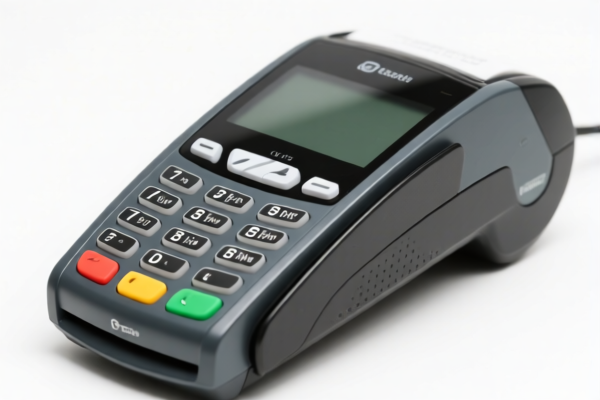
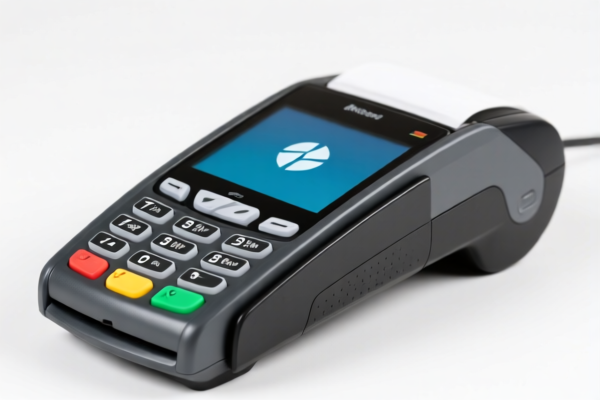
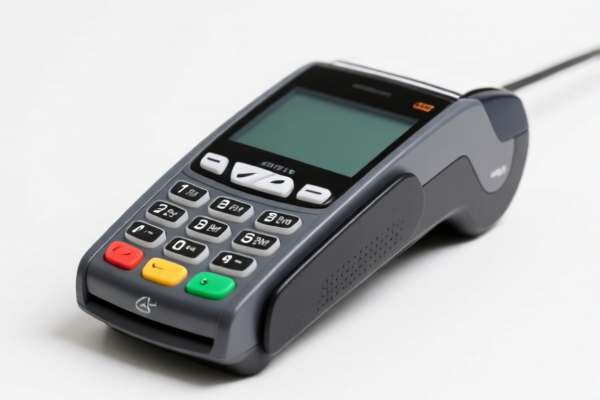
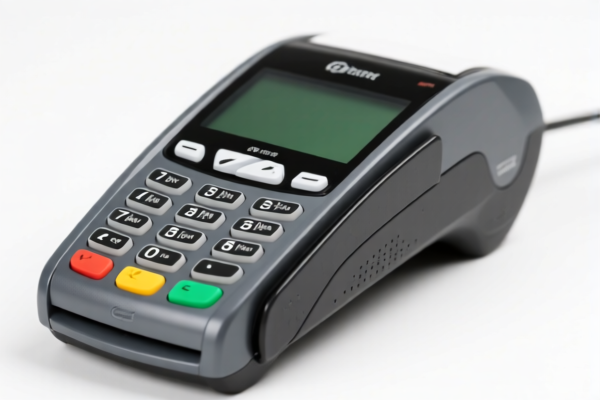
AI Analysis
🖥️💳 Touchscreen POS System (Point of Sale Terminal)
🌐 HS Code Reference & Clearance Guide | 2026 Latest Tariff Analysis | Professional Customs Strategy
📌 I. Product Definition: What Exactly is a "Touchscreen POS System"?
A Touchscreen POS System is an integrated commercial computer system used primarily in retail and hospitality. It typically consists of three main components: 1. Central Processing Unit (CPU): Handles data processing, often embedded within the terminal. 2. Input Device: A touchscreen display (capacitive/resistive) or physical keypad. 3. Output/Peripherals: Receipt printers, barcode scanners, cash drawers, and card readers.
⚠️ Critical Distinction for Classification:
- If the device is primarily an Automatic Data Processing (ADP) machine with a specific input/output configuration (like a terminal), it falls under Chapter 84.
- If the device is considered a "machine for automatic data processing" but lacks specific sub-heading precision, it may fall under General ADP categories.
- If it is viewed purely as a payment terminal without general-purpose computing capabilities, it might fall under 8470, but modern integrated touchscreen units are usually classified as ADP equipment or specific "machines for cash or note counting/measuring" depending on complexity. However, the most common and accurate classification for integrated touchscreen terminals is under ADP Equipment (8471) or Specialized Machines (8470/8543).
📦 II. HS Code Classification Details (Based on Provided Data)
According to the provided data, there are four potential HS Codes depending on the specific functional emphasis of your device. Here is the detailed breakdown:
| HS Code | Product Description & Rationale | Total Tax Rate | Tax Breakdown |
|---|---|---|---|
| 8471.41.01.50 | POS System (ADP Machine) ✅ Best Match: Defined as an Automatic Data Processing (ADP) machine. Includes CPU, Input Unit (Touchscreen), and Output Unit. Matches the physical form and functional definition perfectly. |
17.5% | Base: 0.0% Add-on: 7.5% 122 Clause: 10% |
| 8470.50.00.20 | Sales Point Terminal ✅ Alternative Match: Directly matches the "Sales Point Terminal" description in classification notes. If customs views it strictly as a payment/sales terminal rather than a general computer. |
17.5% | Base: 0.0% Add-on: 7.5% 122 Clause: 10% |
| 8543.70.98.60 | Electronic Device (Other Machines) ⚠️ Broad Category: Classified as an electronic device with independent functions, containing ICs, displays, and processing chips. Used if the device doesn't fit neatly into ADP definitions. |
37.6% | Base: 2.6% Add-on: 25.0% 122 Clause: 10% |
| 8471.50.01.50 | ADP Equipment (Other) ⚠️ Generic ADP: Classified as a finished ADP product. Used if the specific "terminal" label is rejected, falling into other ADP units. |
35.0% | Base: 0.0% Add-on: 25.0% 122 Clause: 10% |
| 9031.49.90.00 | Optical/Display Device ❌ Less Likely: Classified as consumer optical/display equipment. Only applicable if the device is viewed primarily as a display tool for consumer goods rather than a data processing unit. |
35.0% | Base: 0.0% Add-on: 25.0% 122 Clause: 10% |
🔍 Key Insight:
The lowest and most accurate classification for a modern Touchscreen POS is 8471.41.01.50 or 8470.50.00.20, both at 17.5%.
Avoid classifications like 8543 or 9031 unless your device lacks computing capabilities, as they carry ~35-37.6% tax due to higher "Add-on" tariffs (25% vs 7.5%).
💰 III. 2026 Tariff Rate Detailed Analysis (USA Import from China)
✅ Applicable Country: USA
✅ Origin: China
✅ Effective Date: Post-2025 Policy (Including 122 Clause)
🎯 1. Optimal Path: 8471.41.01.50 or 8470.50.00.20 (17.5% Total)
| Item | Details |
|---|---|
| Base Tariff | 0.0% (Free Trade or Low Base for ADP/Specific Terminals) |
| Section 301 Add-on Tariff | +7.5% (Reduced from previous higher rates for specific tech goods) |
| Section 122 Tariff | +10.0% (Specific surcharge for certain electronic categories) |
| Total Effective Rate | 17.5% |
| Calculation | CIF Value × 17.5% |
| De Minimis Eligibility | ❌ No (Usually subject to full tariff assessment) |
📌 Why this is the best option:
- The base tariff is 0%, minimizing the burden on the high ad-valorem add-ons.
- The add-on tariff is only 7.5%, significantly lower than the 25% found in other categories.
- Section 122 adds a flat 10%, making the total manageable at 17.5%.
🚫 High-Cost Path: 8543.70.98.60 (37.6% Total)
| Item | Details |
|---|---|
| Base Tariff | 2.6% |
| Section 301 Add-on Tariff | +25.0% (High penalty rate for "Other Electrical Machinery") |
| Section 122 Tariff | +10.0% |
| Total Effective Rate | 37.6% |
| Difference | ~20% higher than the optimal ADP classification |
⚠️ Warning:
Misclassifying a POS system as "Other Electrical Machinery" (8543) can double your tax bill. Always prove the device is an ADP machine (8471) or Sales Terminal (8470).
🛠️ IV. Clearance Practical Advice (Avoiding Pitfalls)
✅ 1. Documentation Checklist (Mandatory)
| Document | Requirement | Purpose |
|---|---|---|
| Product Spec Sheet | Must highlight CPU, RAM, OS, Touchscreen interface | Proves it is an ADP machine (8471) |
| System Diagram | Show integration of input (touch) and output (printer/screen) | Justifies "POS System" classification |
| Commercial Invoice | Clearly state: "Touchscreen Point of Sale (POS) Terminal, Computerized" | Avoids "Electronics" ambiguity |
| User Manual | Show software installation/setup steps | Proves general-purpose computing capability |
| FCC ID | Required for electronic devices | Regulatory compliance |
✅ 2. Declaration Strategy (Golden Rules)
🔥 Rule: "Emphasize Computing, Not Just Display"
| Scenario | Correct Declaration | Risk of Incorrect Declaration |
|---|---|---|
| Standard POS | "Touchscreen POS Terminal, Automatic Data Processing Equipment, Model XYZ" | ✅ Safe (17.5%) |
| Vague Description | "Electronic Display Device" or "Touchscreen Panel" | ❌ High Risk: Classified as 8543/9031 → 35-37.6% |
| Split Shipment | Declare terminals as ADP, cables as accessories | ✅ Safe if clearly separated |
| Bundled Items | Include receipt printers/cards in same HS if possible | ⚠️ Complex: May need separate HS for accessories |
✅ 3. Critical Tips for Customs
- Prove It's a Computer: Customs officers may suspect it's just a "screen." Provide proof of internal memory, processor, and operating system (e.g., Windows, Linux, Android with app store).
- Avoid "Payment Terminal" Trap: If you call it a "payment terminal," they might look at 8517 or 9031. Stick to "POS System" or "ADP Terminal" to align with 8471.
- 122 Clause Awareness: Ensure the 10% Section 122 tariff is included in your cost model. It applies to many electronic devices regardless of base rate.
- Pre-Ruling Recommendation: For large shipments, apply for a Binding Tariff Ruling from CBP using the 8471.41.01.50 code to lock in the 17.5% rate.
🌍 V. Global Market Comparison (2026)
| Market | Recommended HS Code | Est. Total Duty | Notes |
|---|---|---|---|
| 🇺🇸 USA | 8471.41.01.50 |
17.5% | Lowest rate via ADP classification. Avoid 8543. |
| 🇨🇳 China | 8471.41.00.00 |
0-5% | Generally low duty for tech imports. |
| 🇪🇺 EU | 8471.41.00 |
0-1.7% | Low duty; CE certification required. |
| 🇬🇧 UK | 8471.41.00 |
0% | Post-Brexit tariffs may vary; check UK Global Tariff. |
| 🇯🇵 Japan | 8471.41.000 |
0% | Generally tariff-free for ADP equipment. |
📌 Conclusion:
The USA is the most critical market for tariff optimization. Using 8471.41.01.50 saves you ~20% in duties compared to misclassification. All other major markets have lower or zero duties for ADP equipment.
📌 VI. Common Mistakes & How to Avoid Them
❌ Mistake 1: Describing the product as "Touchscreen Display" instead of "POS System"
👉 Result: Customs classifies it as 8543 or 9031 → 35-37.6% tax.
✅ Fix: Always use "Point of Sale (POS) Terminal" and emphasize computing functions.
❌ Mistake 2: Ignoring the Section 122 (10%) tariff in cost calculations
👉 Result: Unexpected costs at clearance.
✅ Fix: Include 10% in your landed cost model for all electronics.
❌ Mistake 3: Shipping POS units without software documentation
👉 Result: Customs doubts the "ADP" status, leading to delays and reclassification.
✅ Fix: Include a spec sheet proving the device runs an OS and processes data.
🎯 VII. Final Recommendation: Optimize Your Clearance
🎯 Action Plan:
1. Declare as: 8471.41.01.50 (POS System, ADP Equipment).
2. Total Duty: 17.5% (0% Base + 7.5% Add-on + 10% 122 Clause).
3. Documentation: Provide hardware specs proving CPU, Memory, and Touch Input.
4. Marketing: Use terms like "Computerized POS Terminal" on invoices.
🔥 Pro Tip:
If your POS system also functions as a general-purpose tablet (runs standard apps, has USB ports for peripherals), emphasize the Tablet/ADP features to firmly lock in the 8471 classification.
📣 Next Steps:
📞 Contact your freight forwarder with the HS Code 8471.41.01.50.
📄 Prepare the Spec Sheet highlighting "Automatic Data Processing" capabilities.
💸 Budget for 17.5% total duty to avoid cash flow surprises.
✨ Smart Classification = Lower Taxes = Higher Profit!
💼 Don't let a wrong HS code cost you 20% of your revenue!
Customer Reviews
About HS Code Classification
The Harmonized System (HS) is an internationally standardized nomenclature developed by the World Customs Organization (WCO) to classify traded products. Over 200 countries use the HS system as the basis for customs tariffs, trade statistics, and import/export regulations.
Each HS code follows a hierarchical structure:
- Chapter (2 digits) — Broad category of goods (e.g., Chapter 84: Machinery and Mechanical Appliances)
- Heading (4 digits) — More specific grouping within the chapter
- Subheading (6 digits) — Internationally standardized breakdown, used by all WCO member countries
- National subdivisions (8-10 digits) — Country-specific extensions for further classification, such as US HTSUS 10-digit codes
Correct HS code classification is essential for smooth customs clearance, accurate duty payment, and compliance with trade regulations. Misclassification can lead to customs delays, overpayment of duties, or penalties.
When importing from CN to US, the applicable tariff rates may include:
- Most-Favored-Nation (MFN) rate — The standard duty rate applied to WTO members
- General rate — Applied to countries without trade agreements
- Trade remedy duties — Additional tariffs such as Section 301 (anti-dumping), Section 232 (national security), or countervailing duties
The information provided on this page is for reference purposes only. For official classification, please consult with your local customs authority or a licensed customs broker.