Towel Bar
CN → US| HS Code | Tariff Rate | Origin | Destination | Doc |
|---|---|---|---|---|
| 7326908630 | 87.9% | CN | US | Official Doc |
| 3926301000 | 24.0% | CN | US | Official Doc |
| 8302419015 | 38.5% | CN | US | Official Doc |
| 7326908688 | 87.9% | CN | US | Official Doc |
| 8302416080 | 88.9% | CN | US | Official Doc |
Product Images
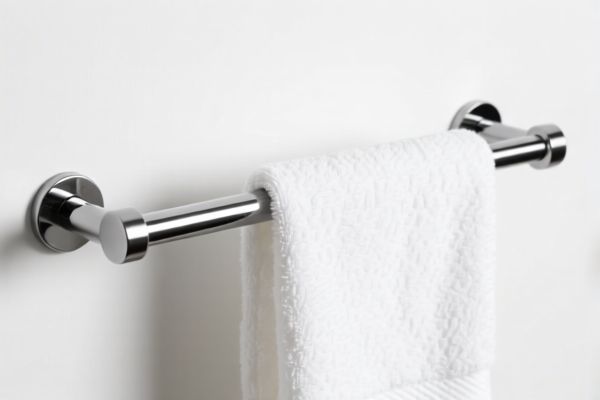
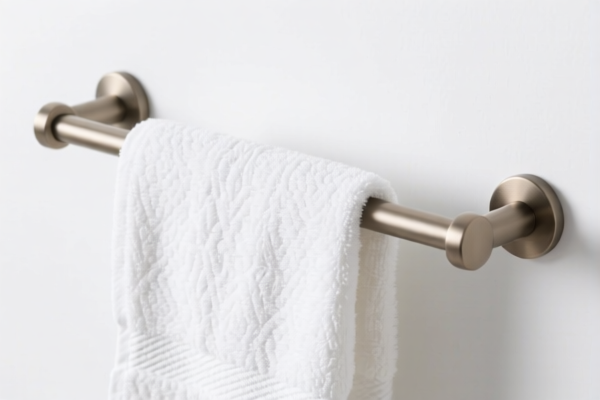
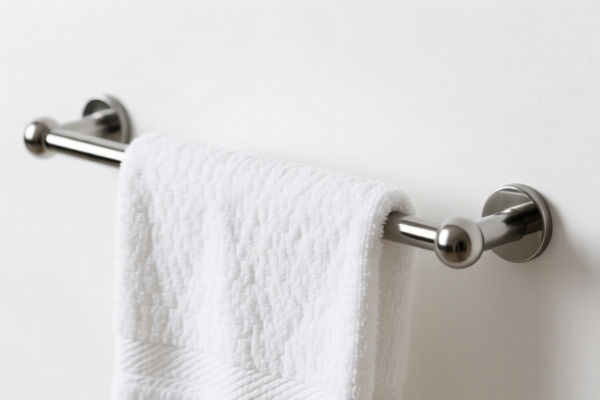
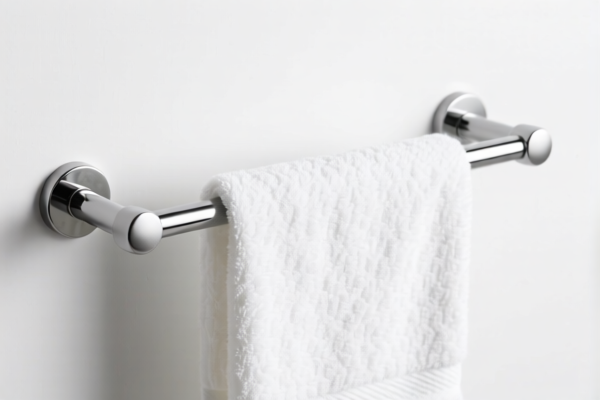
AI Analysis
🛁 Towel Bars (Bathroom Hardware & Fittings)
🌐 HS Code Reference & Customs Clearance Guide | 2026 Latest Tariff Analysis | Professional Strategy
📌 I. Product Definition: What Exactly is a "Towel Bar"?
A Towel Bar is a bathroom fixture used for hanging and drying towels. In international trade, the material is the critical determinant for HS Code classification. It is not a single commodity but falls into distinct categories based on whether it is made of base metals (iron/steel, aluminum) or plastics.
⚠️ Critical Distinction for Customs:
- Metal Towel Bars (Stainless Steel, Chrome-plated Iron/Steel): Classified under Chapter 83 (Base Metal Mountings/Fittings).
- Plastic Towel Bars: Classified under Chapter 39 (Plastics and Articles Thereof).Note: The "Mounting Hardware" (screws, anchors) is usually declared with the main product. If separate, they may have different codes, but for clearance efficiency, they are often grouped or declared as "accessories."
📦 II. HS Code Classification Matrix (2026 Tariff Schedule)
Based on the provided data, here are the four primary HS Code scenarios for Towel Bars, sorted by Material and Total Tax Impact.
| HS Code | Material Deduction | Product Description | Total Tax Rate* | Key Tax Components |
|---|---|---|---|---|
| 8302.41.60.80 | Base Metal (Iron/Steel) | Mounting/fitting articles of base metal for doors, windows, etc. | 88.9% | Base: 3.9% Section 301: 25% Section 122: 10% Section 232 (Steel/Alu/Cu): 50% |
| 7326.90.86.30 | Base Metal (Iron/Steel) | Other articles of iron/steel, specifically support/hanging rods | 87.9% | Base: 2.9% Section 301: 25% Section 122: 10% Section 232 (Steel/Alu/Cu): 50% |
| 3926.30.50.00 | Plastic | Articles of plastics for furniture/bath fittings | 22.8% | Base: 5.3% Section 301: 7.5% Section 122: 10% |
| 3926.30.10.00 | Plastic | Other plastic articles for bathrooms/furniture | 24.0% | Base: 6.5% Section 301: 7.5% Section 122: 10% |
| 8302.41.90.15 | Base Metal (General) | Base metal mountings, fittings for buildings/interiors | 38.5% | Base: 3.5% Section 301: 25% Section 122: 10% (Note: Does NOT include Section 232 50% surcharge in this specific detail summary, likely due to specific sub-heading interpretation) |
*Rates apply to imports from China to the USA (2026 context). "Section 122" refers to the 10% tariff on steel/aluminum/copper products (U.S. Trade Expansion Act of 1962).
💰 III. Detailed Tariff Breakdown & Legal Basis
🎯 1. The "Metal" Scenarios (High Tax Risk: ~88%)
If your towel bar is made of stainless steel, chrome-plated iron, or aluminum, you face the highest tariffs due to overlapping trade remedies.
Scenario A: HS 8302.41.60.80 (Mounting Articles)
| Item | Value | Detail |
|---|---|---|
| Base Duty | 3.9% | Standard MFN rate for base metal mountings |
| Section 301 Duty | 25.0% | Additional duty on Chinese goods (List 3/4) |
| Section 122 Duty | 10.0% | 10% surcharge on specific steel/aluminum/copper products |
| Section 232 Duty | 50.0% | Crucial: "Steel, Aluminum, Copper Products" surcharge |
| TOTAL | 88.9% | Cumulative ad valorem |
📌 Why so high?
- The 50% Section 232 tariff is triggered because towel bars are often made of steel or aluminum alloys.
- The 10% Section 122 applies because these are considered "steel products" in certain sub-headings.
- The 25% Section 301 applies because the origin is China.
- Result: Almost double the cost of the goods.
Scenario B: HS 7326.90.86.30 (Other Iron/Steel Articles)
| Item | Value | Detail |
|---|---|---|
| Base Duty | 2.9% | For other articles of iron/steel |
| Section 301 Duty | 25.0% | China-specific tariff |
| Section 122 Duty | 10.0% | Steel product surcharge |
| Section 232 Duty | 50.0% | Steel/Aluminum surcharge |
| TOTAL | 87.9% | Cumulative ad valorem |
📌 Note: Slightly lower base duty (2.9% vs 3.9%), but the 50%+10% surcharges remain, resulting in nearly identical total cost.
🎯 2. The "Plastic" Scenarios (Moderate Tax Risk: ~23%)
If your towel bar is made of high-quality plastic, acrylic, or polymer, the tax burden is significantly lower.
Scenario C: HS 3926.30.50.00 (Plastic Furniture/Bath Fittings)
| Item | Value | Detail |
|---|---|---|
| Base Duty | 5.3% | Standard for plastic articles |
| Section 301 Duty | 7.5% | Lower rate for plastics compared to metals |
| Section 122 Duty | 10.0% | Applies to plastic components? (Data indicates 10% is listed) |
| TOTAL | 22.8% | Cumulative ad valorem |
📌 Advantage: No Section 232 (50%) tariff because plastics are not steel/aluminum.
Scenario D: HS 3926.30.10.00 (Other Plastic Articles)
| Item | Value | Detail |
|---|---|---|
| Base Duty | 6.5% | General plastic articles |
| Section 301 Duty | 7.5% | China-specific |
| Section 122 Duty | 10.0% | As per data |
| TOTAL | 24.0% | Cumulative ad valorem |
🎯 3. The "Middle Ground" Metal Scenario
Scenario E: HS 8302.41.90.15 (General Base Metal Mountings)
| Item | Value | Detail |
|---|---|---|
| Base Duty | 3.5% | Base metal mountings |
| Section 301 Duty | 25.0% | China-specific |
| Section 122 Duty | 10.0% | Steel product surcharge |
| Section 232 Duty | 0% | Key Difference: This specific sub-heading may not trigger the 50% Section 232 tariff in this data set. |
| TOTAL | 38.5% | Cumulative ad valorem |
📌 Strategic Insight:
- This code offers a massive saving (~50% reduction) compared to HS 8302.41.60 or 7326.90.
- Risk: You must ensure the product fits the legal definition of this specific sub-heading to avoid the 50% surcharge. Consult a customs broker to confirm if your specific towel bar design qualifies for the exemption from Section 232.
🛠️ IV. Customs Clearance Recommendations (Best Practices)
✅ 1. Material Documentation is Key
Customs officers will determine the HS Code based on primary material.
- For Metal: Provide a Material Safety Data Sheet (MSDS) or Mill Test Certificate stating the alloy composition (e.g., "Stainless Steel 304" or "Chrome-Plated Iron").
- For Plastic: Provide a Composition Report (e.g., "100% ABS Plastic").
- ⚠️ Warning: If you declare "Metal" but it’s actually plastic, you risk penalties for misclassification. If you declare "Plastic" but it’s metal, you face the 50% surcharge retroactively.
✅ 2. Avoid the "Section 232" Trap (50% Surcharge)
- Check HS 8302.41.90.15: If your towel bar is purely metal but can be classified here, save 50%.
- Justification: Argue that it is a "mounting fitting" rather than a "steel article" under Section 73, or that it does not meet the specific product list for Section 232.
- Action: Request a Binding Ruling (CBP Ruling) before shipping if the classification is ambiguous.
✅ 3. Packaging and Labeling
- Clear Description: Use terms like "Plastic Bathroom Towel Bar" or "Stainless Steel Bathroom Hardware" in the commercial invoice. Avoid vague terms like "Hardware Parts."
- Country of Origin: Clearly mark "Made in China" on the product and packaging. This triggers Section 301 and Section 122 tariffs.
✅ 4. Duty Optimization Strategy
| Strategy | Action | Expected Saving |
|---|---|---|
| Material Switch | Switch from Stainless Steel to High-Grade Plastic | ~65% tax reduction (88% → 23%) |
| HS Code Refinement | Use HS 8302.41.90.15 instead of 7326.90 or 8302.41.60 | ~50% tax reduction (88% → 38%) |
| Third-Country Transshipment | Ship via Vietnam/Malaysia (with substantial transformation) | Potential exemption from Section 301 & 122 (Requires legal compliance) |
🌍 V. Global Market Comparison (2026)
| Destination | Recommended HS Code | Est. Total Tax (China Origin) | Notes |
|---|---|---|---|
| 🇺🇸 USA | 8302.41.90.15 (Metal) or 3926.30.50 (Plastic) | 38.5% (Metal) / 22.8% (Plastic) | High tariffs due to Section 301, 122, 232 |
| 🇪🇺 EU | 7321.90 or 3924.90 | 0% - 4.5% | No Section 122/232 equivalents. Standard duty applies. |
| 🇨🇦 Canada | 7321.90 or 3926.90 | 0% - 6.5% | CUSMA benefits may apply if non-Chinese origin. |
| 🇬🇧 UK | 7321.90 or 3926.90 | 0% - 4% | Post-Brexit trade policy favors low duties on bathroom fittings. |
📌 Key Takeaway:
The USA is the only major market with these compounding surcharges (301 + 122 + 232). For US exports, plastic towel bars or carefully classified metal mountings are the only viable low-tax options.
📌 VI. Common Pitfalls & Pro Tips
❌ Mistake 1: Declaring all metal towel bars under 7326 (Other Iron/Steel Articles).
👉 Risk: High tax (87.9%) due to Section 232.
✅ Fix: Check if 8302.41.90.15 applies for a 50% saving.
❌ Mistake 2: Ignoring Section 122 (10%).
👉 Risk: Underpayment. This applies to many steel/aluminum products regardless of Chapter 83 or 73.
✅ Fix: Ensure your broker includes the 10% in all metal calculations.
❌ Mistake 3: Mixing Materials (e.g., Metal Bar with Plastic Handles).
👉 Risk: Customs may classify the whole item by its primary material (Metal) → 88.9% tax.
✅ Fix: If plastic is the main aesthetic/functional component, argue for Chapter 39 classification.
🎯 VII. Final Conclusion & Action Plan
🎯 For US Importers:
1. Audit Your Materials: If you use stainless steel, expect ~88% duty.
2. Explore Alternatives: Consider plastic (22.8%) or bronze/copper (if applicable, though data focuses on steel/alum).
3. Seek Rulings: Apply for a CBP Binding Ruling for HS Code 8302.41.90.15 to potentially avoid the 50% Section 232 tariff.
4. Supplier Negotiation: Share these tax realities with suppliers. If they can produce a plastic version or alternative metal fitting, the landed cost drops by 50-65%.
💼 Your Bottom Line:
"Material Matters. Classification is King. One HS Code difference = 50% of your product value."
✨ Professional Clearance Starts with Precision!
📞 Contact a Licensed Customs Broker to verify the Section 232 applicability for your specific towel bar design before shipment.
Customer Reviews
About HS Code Classification
The Harmonized System (HS) is an internationally standardized nomenclature developed by the World Customs Organization (WCO) to classify traded products. Over 200 countries use the HS system as the basis for customs tariffs, trade statistics, and import/export regulations.
Each HS code follows a hierarchical structure:
- Chapter (2 digits) — Broad category of goods (e.g., Chapter 84: Machinery and Mechanical Appliances)
- Heading (4 digits) — More specific grouping within the chapter
- Subheading (6 digits) — Internationally standardized breakdown, used by all WCO member countries
- National subdivisions (8-10 digits) — Country-specific extensions for further classification, such as US HTSUS 10-digit codes
Correct HS code classification is essential for smooth customs clearance, accurate duty payment, and compliance with trade regulations. Misclassification can lead to customs delays, overpayment of duties, or penalties.
When importing from CN to US, the applicable tariff rates may include:
- Most-Favored-Nation (MFN) rate — The standard duty rate applied to WTO members
- General rate — Applied to countries without trade agreements
- Trade remedy duties — Additional tariffs such as Section 301 (anti-dumping), Section 232 (national security), or countervailing duties
The information provided on this page is for reference purposes only. For official classification, please consult with your local customs authority or a licensed customs broker.