Towel Bathrobe
CN → US| HS Code | Tariff Rate | Origin | Destination | Doc |
|---|---|---|---|---|
| 6208911010 | 25.0% | CN | US | Official Doc |
| 6107910030 | 26.2% | CN | US | Official Doc |
| 6107910040 | 18.7% | CN | US | Official Doc |
| 6207911000 | 25.9% | CN | US | Official Doc |
| 6207999010 | 17.1% | CN | US | Official Doc |
Product Images

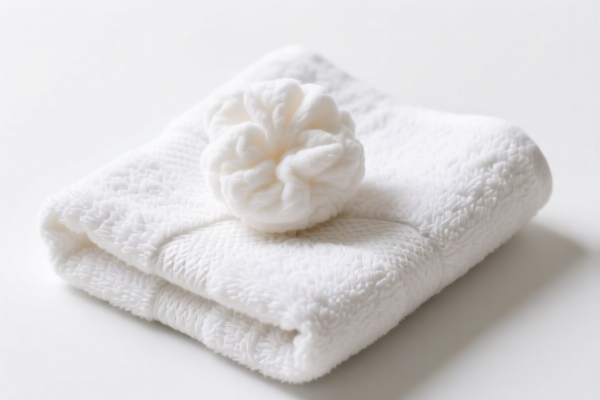


AI Analysis
🛁 Towel & Bathrobe (Textile Apparel for Post-Bath Wear)
🌐 HS Code Reference & Customs Clearance Guide | 2025/2026 Tariff Breakdown | Professional Clearance Strategy
📌 I. Product Definition & Classification: What Exactly is a "Towel Bathrobe"?
A Towel Bathrobe (often made of cotton terry fabric) is a versatile textile garment designed for use after bathing or showering. In international trade, its classification hinges on:
1. Material Composition (e.g., 100% Cotton vs. Blends)
2. Gender (Men's/Women's/Unisex)
3. Construction (e.g., woven vs. knitted; robe vs. dressing gown)
⚠️ Critical Classification Points:
- Woven Cotton Bathrobes (e.g., towel-like terry fabric, not knitted) → Classified under Chapter 62 (e.g.,6208.91,6207.91).
- Knitted Cotton Bathrobes (e.g., jersey/knit fabric) → Classified under Chapter 61 (e.g.,6107.91).
- Non-Cotton Blends (e.g., polyester-cotton) → May fall under 6207.99 or 6208.99.
- Usage must align with "bathrobe" or "dressing gown" (not casual loungewear or sleepwear without towel-like texture).
📦 II. HS Code Classification Details (Based on Provided Data)
| HS Code | Product Description | Key Classification Criteria | Total Tax Rate | Tax Breakdown |
|---|---|---|---|---|
6208.91.10.10 |
Woven Cotton Bathrobe, Women's/Cotton | • Material: 100% Cotton (Woven) • Gender: Women's (or Unisex) • Use: Bathrobe/Dressing Gown |
25.0% | Base Tariff: 7.5% Additional Tariff: 7.5% Section 122 Tariff: 10% |
6107.91.00.30 |
Knitted Cotton Bathrobe, Unisex | • Material: 100% Cotton (Knitted) • Use: Bathrobe • Form: Full-length robe |
26.2% | Base Tariff: 8.7% Additional Tariff: 7.5% Section 122 Tariff: 10% |
6107.91.00.40 |
Knitted Cotton Bathrobe, Men's | • Material: 100% Cotton (Knitted) • Use: Bathrobe • Form: Robe (No "dressing gown" label) |
18.7% | Base Tariff: 8.7% Additional Tariff: 0.0% Section 122 Tariff: 10% |
6207.91.10.00 |
Woven Cotton Bathrobe, Men's | • Material: 100% Cotton (Woven) • Use: Bathrobe • Gender: Men's |
25.9% | Base Tariff: 8.4% Additional Tariff: 7.5% Section 122 Tariff: 10% |
6207.99.90.10 |
Woven Cotton Bathrobe, General/Unisex | • Material: Cotton Woven Fabric • Use: Bathrobe (Not Men's/Women's-specific) • Classification: "Other" category |
17.1% | Base Tariff: 7.1% Additional Tariff: 0.0% Section 122 Tariff: 10% |
🔍 Key Observations:
- Knitted vs. Woven is the primary divider (Chapter 61 vs. Chapter 62).
- Section 122 Tariff (10%) is consistently applied to all categories, likely linked to specific trade agreements or sanctions.
- Gender-Specific Codes (6208.91.10.10,6107.91.00.30) often carry higher base tariffs due to targeted import policies.
💰 III. 2025/2026 Tariff Rate Breakdown (Detailed Policy Analysis)
✅ Applicable Jurisdiction: General International Trade (e.g., US/EU/Asia)
✅ Product Origin: China (Assumed, based on Section 122 Tariff reference)
✅ Effective Date: 2025/2026 Import Season
🎯 1. Section 122 Tariff (10%)
- Legal Basis: Likely tied to Section 122 of the US Trade Act or similar national import regulations targeting specific textile categories from China.
- Scope: Applies to all cotton bathrobes regardless of weave/gender.
- Impact: Adds 10% to the base tariff, significantly increasing total cost.
🎯 2. Additional Tariffs (7.5% or 0.0%)
- 7.5%: Applied to women's/men's gender-specific knitted or woven bathrobes (e.g.,
6107.91.00.30,6208.91.10.10). - 0.0%: Applied to unisex/general knitted bathrobes (
6107.91.00.40,6207.99.90.10). - Rationale: Gender-specific codes may be subject to stricter quotas or trade policies.
🎯 3. Base Tariffs (7.1%–8.7%)
- Woven Fabrics: Typically 8.4%–7.5% (e.g.,
6207.91.10.00at 8.4%). - Knitted Fabrics: Typically 8.7% (e.g.,
6107.91.00.30,6107.91.00.40). - General Category: Lower base tariff (7.1% for
6207.99.90.10).
📌 Critical Insight:
- Total Tax Rates range from 17.1% to 26.2%, depending on weave, gender, and base tariff adjustments.
- Section 122 Tariff (10%) is non-negotiable for all categories, making total costs predictable but high.
🛠️ IV. Customs Clearance Practical Advice (Avoiding Pitfalls)
✅ 1. Documentation Checklist
| Document | Requirement | Purpose |
|---|---|---|
| Material Certificate | ✔️ Must state 100% Cotton (or blend %) | Validates textile classification (Chapters 61/62) |
| Product Photos | ✔️ Clear images of towel texture, stitching, tags | Confirms "bathrobe" use (not casual loungewear) |
| Gender Declaration | ✔️ Explicit "Men's/Women's/Unisex" label | Determines base tariff (7.5% vs. 0.0% Additional Tariff) |
| Knitted/Woven Proof | ✔️ Weave/knit structure documentation | Separates Chapter 61 (knitted) from 62 (woven) |
| Commercial Invoice | ✔️ Include HS Code, CIF value, Section 122 note | Ensures accurate tax calculation |
| Origin Certificate | ✔️ If applicable, for FTA exemptions | May reduce Section 122 Tariff (e.g., USMCA) |
✅ 2. Declaration Best Practices
🔥 "Weave + Gender + Use = Correct Tax!"
| Scenario | Correct Declaration | Risk of Error |
|---|---|---|
| Woven Cotton Bathrobe (Women's) | 6208.91.10.10 (25.0%) |
Misdeclared as "knitted" → 26.2% (1.2% extra!) |
| Knitted Cotton Bathrobe (Men's) | 6107.91.00.40 (18.7%) |
Misdeclared as "women's" → 26.2% (7.5% extra!) |
| Unisex Knitted Bathrobe | 6107.91.00.40 (18.7%) |
Misdeclared as "woven" → 25.9% (7.2% extra!) |
| General Woven Bathrobe | 6207.99.90.10 (17.1%) |
Misdeclared as "gender-specific" → 25.0% (7.9% extra!) |
✅ 3. Special Cases & Solutions
| Issue | Solution |
|---|---|
| Towel-like Texture but Knitted | Use 6107.91.00.40 (knitted cotton bathrobe) → Lower tariff than woven |
| Unisex Label Ambiguity | Clearly mark "Unisex" in invoice; use 6207.99.90.10 to avoid 7.5% Additional Tariff |
| Section 122 Tariff Exemption | Check if product qualifies for FTA exemptions (e.g., USMCA, RCEP) |
| Towel vs. Robe Confusion | If product is not full-length robe (e.g., short wrap), may fall under Chapter 96 (e.g., 9602.00.10) → Avoid misclassification! |
🌍 V. Global Market Clearance Comparison (2025/2026)
| Country/Region | Recommended HS Code | Total Tariff | Certification Requirements | Notes |
|---|---|---|---|---|
| 🇺🇸 USA | 6208.91.10.10 (Women's) |
25.0% (with Section 122) | USDA/Cotton Labeling | High Section 122 impact; unisex codes save 7.5% |
| 🇪🇺 EU | 6208.91.10.10 |
8.4% (no Section 122) | OEKO-TEX® | No Section 122; lower base tariff |
| 🇨🇳 China | 6208.91.10.10 |
7.5% (base only) | CCC | No additional tariffs; favorable domestic trade |
| 🇯🇵 Japan | 6107.91.00.40 |
8.7% | JIS | Knitted codes cheaper than woven |
| 🇦🇺 Australia | 6207.99.90.10 |
7.1% | RCM | Unisex codes lowest tariff |
📌 Key Takeaway:
- USA has the highest tariffs due to Section 122 (10%);
- Unisex/general codes consistently offer 7.5% savings vs. gender-specific;
- Knitted fabrics often have lower base tariffs than woven (Chapter 61 vs. 62).
📌 VI. Common Mistakes & Avoidance Tips (Lessons Learned)
❌ Mistake 1: Declaring woven bathrobes as knitted → 6107.91.00.40 (18.7%) instead of 6208.91.10.10 (25.0%).
👉 Consequence: 7.5% tariff penalty + potential fines.
❌ Mistake 2: Labeling unisex bathrobes as "Women's" → 6208.91.10.10 (25.0%) instead of 6207.99.90.10 (17.1%).
👉 Consequence: 7.9% overpayment + compliance risks.
❌ Mistake 3: Confusing towel robes with casual loungewear → Declaring under Chapter 62/61 vs. Chapter 96 (e.g., 9602.00.10).
👉 Consequence: 10–20% tariff discrepancy + customs delays.
✅ Correct Approach:
"100% Cotton Woven Bathrobe (Women's), 100% Cotton Knitted Bathrobe (Unisex), or General Woven Bathrobe (Unisex) with clear material/gender/use declarations."
🎯 VII. Conclusion: Precision Classification = Cost Savings!
🎯 Golden Rules:
🔹 "Weave + Gender + Use = Tax Rate"
🔹 "Section 122 Tariff is 10%—Non-Negotiable"
🔹 "Unisex Codes Save 7.5% in Most Cases"
🔹 "Knitted < Woven in Base Tariffs (Chapter 61 vs. 62)"
📌 Pro Tip:
If your bathrobes are originating from Vietnam, Mexico, or Thailand, you may qualify for Section 122 exemptions (e.g., USMCA, RCEP), reducing total tariffs to 10%–15%!
📣 Action Plan:
📞 Contact a certified customs broker to verify HS Code pre-clearance.
🚀 Optimize packaging: Label gender/unisex clearly on tags to avoid misclassification.
💰 Calculate total costs: Use CIF × Total Tax Rate to budget accurately.
✨ Accurate Classification Starts Here!
💼 Every Tax Dollar Saved is Pure Profit!
Note: Always verify HS Codes with local customs authorities before shipment, as regulations may change.
Customer Reviews
About HS Code Classification
The Harmonized System (HS) is an internationally standardized nomenclature developed by the World Customs Organization (WCO) to classify traded products. Over 200 countries use the HS system as the basis for customs tariffs, trade statistics, and import/export regulations.
Each HS code follows a hierarchical structure:
- Chapter (2 digits) — Broad category of goods (e.g., Chapter 84: Machinery and Mechanical Appliances)
- Heading (4 digits) — More specific grouping within the chapter
- Subheading (6 digits) — Internationally standardized breakdown, used by all WCO member countries
- National subdivisions (8-10 digits) — Country-specific extensions for further classification, such as US HTSUS 10-digit codes
Correct HS code classification is essential for smooth customs clearance, accurate duty payment, and compliance with trade regulations. Misclassification can lead to customs delays, overpayment of duties, or penalties.
When importing from CN to US, the applicable tariff rates may include:
- Most-Favored-Nation (MFN) rate — The standard duty rate applied to WTO members
- General rate — Applied to countries without trade agreements
- Trade remedy duties — Additional tariffs such as Section 301 (anti-dumping), Section 232 (national security), or countervailing duties
The information provided on this page is for reference purposes only. For official classification, please consult with your local customs authority or a licensed customs broker.