Towel Rack Hook
CN → US| HS Code | Tariff Rate | Origin | Destination | Doc |
|---|---|---|---|---|
| 3924905650 | 20.9% | CN | US | Official Doc |
| 7323999080 | 88.4% | CN | US | Official Doc |
| 3924905610 | 20.9% | CN | US | Official Doc |
| 7323999040 | 88.4% | CN | US | Official Doc |
| 7326908688 | 87.9% | CN | US | Official Doc |
Product Images
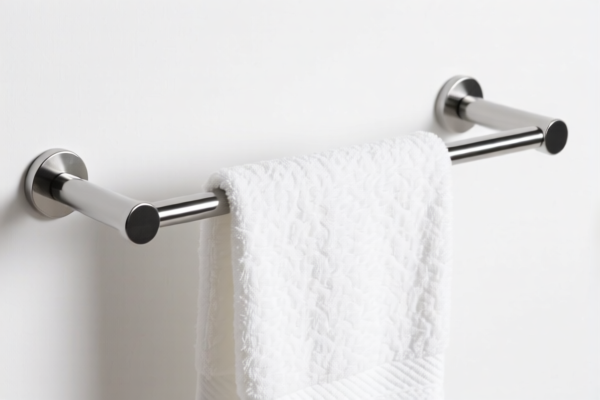
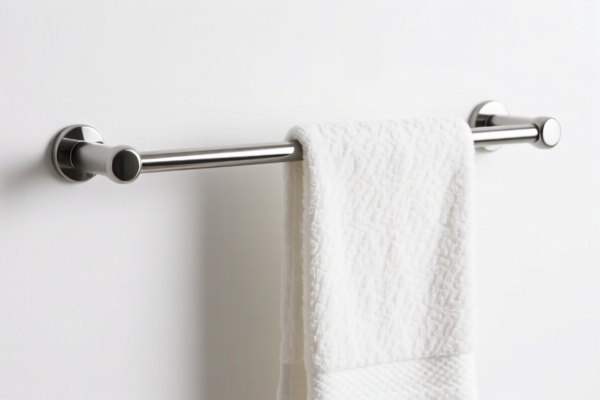
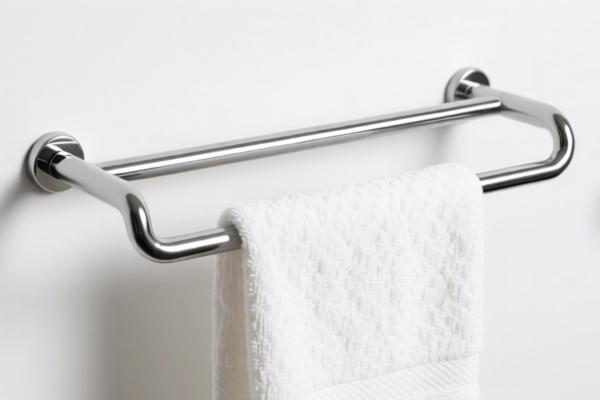
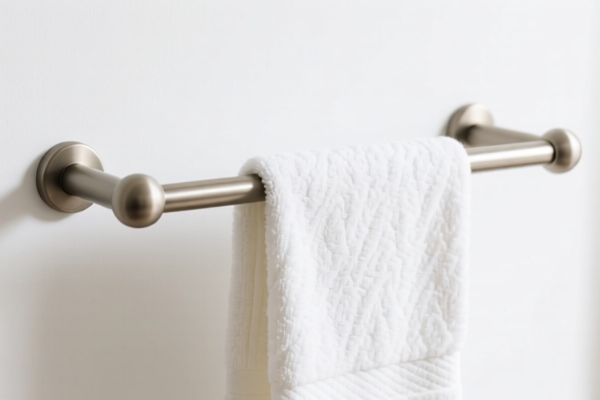
AI Analysis
🛁 Towel Rack & Hooks: The Hidden Cost of Metal vs. Plastic 📉
🌐 HS Code Reference & Customs Clearance Guide | 2026 Latest Tariff Analysis | Professional-Level Clearance Strategy
📌 I. Product Definition & Classification: Do You Really Understand "Towel Racks"?
In the global trade of home goods, "Towel Racks and Hooks" are not a single category. They are split strictly by material and function. Misclassification here is the #1 cause of customs delays and massive tariff surprises in the US market.
There are two distinct battles you are fighting: 1. Plastic vs. Metal: The material determines the HS Code chapter (39 vs. 73). 2. Application: Is it for general home use (Home Goods) or bathroom hygiene (Toiletry Items)?
⚠️ Critical Distinction Point:
- Plastic Products: Generally enjoy lower base tariffs but are subject to Section 301 duties.
- Metal Products (Steel/Iron/Aluminum/Copper): Subject to aggressive Section 1221 tariffs (50%) in addition to standard Section 301 duties.
- The "1221" Trap: If your metal rack contains steel, aluminum, or copper, the additional tariff jumps from ~32.5% to 50% instantly.
📦 II. HS Code Classification Details (2026 Latest Tariff Authority Cross-Reference)
Based on the provided data, here is the precise breakdown for Towel Racks/Hooks.
| HS Code | Product Description | Application Scenario | Material | Total Tax Rate* |
|---|---|---|---|---|
3924.90.56.50 |
Plastic Towel Hooks | Home Goods / Decor | Plastic | 20.9% |
3924.90.56.10 |
Plastic/Metal Towel Hooks | Hygiene/Bathroom Supplies | Plastic (Primary) | 20.9% |
7323.99.90.80 |
Iron/Steel Towel Hooks | Home Goods / General Use | Steel/Iron | 88.4% |
7323.99.90.40 |
Metal Towel Hooks | Kitchen/Cutlery Accessories | Steel/Iron | 88.4% |
7326.90.86.88 |
Metal Towel Rack Sets | Other Iron/Steel Articles | Steel/Iron | 87.9% |
🔍 Key Reminder:
- Even if a "Towel Hook" is described as "Metal," if it falls under Chapter 39 (Plastics) in customs view (e.g., plastic-coated or primarily plastic), it may qualify for the lower 20.9% rate.
- If it is 7323 or 7326 (Iron/Steel), it triggers the 50% Section 1221 Additional Duty, leading to total rates of ~88%.
💰 III. 2026 Latest Tariff Rate Breakdown (Including Surcharges & Policy Add-ons)
✅ Applicable Country: United States (US)
✅ Origin: China (CN)
✅ Effective Time: 2025/2026 (Post-Trade War Structures)
🎯 1. 3924.90.56.50 & 3924.90.56.10 —— Plastic Towel Hooks & Hooks
These codes cover plastic household articles and toiletry items. They are significantly cheaper to import than metal equivalents.
| Item | Content |
|---|---|
| Base Tariff | 3.4% (Ad Valorem) |
| Section 301 Surcharge | +7.5% (Specific to these subheadings) |
| Section 1221 Tariff | +10% (Generic 1221 clause applicable to certain plastic/home goods) |
| Section 232/1221 Metal Penalty | ❌ 0% (No steel/aluminum/copper content triggering the 50% penalty) |
| Total Effective Rate | 20.9% |
| Tax Calculation | CIF Value × 20.9% |
| De Minimis Exemption | ❌ Not Applicable (Section 301 goods are denied de minimis) |
| Legal Basis Path | HTSUS:3924.90.56 → Section 301 Footnote → Section 1221 Clause 10% |
📌 Explanation:
- The 20.9% is composed of: Base (3.4%) + Section 301 (7.5%) + Section 1221 (10%).
- This is the optimal classification strategy if your product allows for plastic materials or plastic coatings that do not lose their essential character.
🎯 2. 7323.99.90.80 & 7323.99.90.40 —— Iron/Steel Towel Hooks
These codes apply to "Table, Kitchen, or other household articles of iron or steel." This is where costs skyrocket.
| Item | Content |
|---|---|
| Base Tariff | 3.4% (Ad Valorem) |
| Section 301 Surcharge | +25.0% (Standard high-tier Section 301 rate) |
| Section 1221 Tariff | +10% (Generic 1221 clause) |
| Section 1221 Metal Penalty | +50% (Specific surcharge for Steel, Aluminum, Copper products) |
| Total Effective Rate | 88.4% |
| Tax Calculation | CIF Value × 88.4% |
| De Minimis Exemption | ❌ Not Applicable |
| Legal Basis Path | HTSUS:7323.99.90 → Section 301 Footnote 9903.88.01 → IEEPA:9903.01.25 → Section 1221 Metal Clause |
📌 Warning:
- The 50% additional duty for steel/iron products is the killer here.
- Total tax 88.4% makes unbranded metal towel hooks nearly unprofitable unless priced significantly higher.
- Applies to both "Home Goods" (.80) and "Cutlery Accessories" (.40).
🎯 3. 7326.90.86.88 —— Metal Towel Rack Sets
For "Other articles of iron or steel." Slightly different structure but same punitive tariffs.
| Item | Content |
|---|---|
| Base Tariff | 2.9% (Ad Valorem) |
| Section 301 Surcharge | +25.0% |
| Section 1221 Tariff | +10% |
| Section 1221 Metal Penalty | +50% (Steel/Aluminum/Copper) |
| Total Effective Rate | 87.9% |
| Tax Calculation | CIF Value × 87.9% |
| De Minimis Exemption | ❌ Not Applicable |
| Legal Basis Path | HTSUS:7326.90.86 → Section 301 → IEEPA Metal Penalty |
📌 Note:
- Even though the base rate is lower (2.9% vs 3.4%), the 88% range remains prohibitive for low-margin items.
🛠️ IV. Customs Clearance Practical Advice (Avoiding Pitfalls)
✅ 1. Material Declaration is Everything
Customs officers will inspect the product. If you declare it as "Metal" but it is "Plastic-coated Steel," or vice versa, penalties apply.
| Strategy | Action | Impact |
|---|---|---|
| Material Composition | If >50% plastic by weight/function, argue for Chapter 39. | Reduces tax from 88.4% → 20.9%. |
| Packaging | Ensure "Towel Rack" is not mixed with "Metal Hangers" (which might have different metal penalties). | Prevents misclassification audits. |
| Description | Use precise terms: "Plastic Bath Towel Hook" vs. "Stainless Steel Towel Bar." | Clarity prevents officer discretion errors. |
✅ 2. The "1221 Metal" Trap
🔥 Remember:
"If it’s Steel, Aluminum, or Copper, expect the 50% Add-On."
- Codes 7323 and 7326 are heavily targeted by Section 1221.
- Code 3924 is generally exempt from the 50% metal penalty, even if it contains minor metal components (as long as it’s classified as plastic).
✅ 3. Documentation Checklist
| Document | Required? | Notes |
|---|---|---|
| Product Photos | ✅ Yes | Must show material clearly (e.g., plastic texture vs. metallic sheen). |
| Material Spec Sheet | ✅ Yes | Detail % composition of Plastic vs. Metal parts. |
| Commercial Invoice | ✅ Yes | Clearly state "Plastic Towel Hooks" or "Steel Towel Racks." |
| Certificate of Origin | ✅ Yes | Essential for proving China origin (to calculate correct 301/1221 rates). |
🌍 V. Global Market Comparison (2026)
| Market | HS Code Strategy | Est. Total Tax (China Origin) | Notes |
|---|---|---|---|
| 🇺🇸 USA | Plastic: 3924.90.56.50 Metal: 7323.99.90.80 |
20.9% (Plastic) 88.4% (Metal) |
Highest Risk Market. Avoid bare-metal imports if possible. |
| 🇨🇳 China | 7323.99.90 / 3924.90.56 |
Low (5-10%) | Export duties are low; focus is on import tariffs in destination. |
| 🇪🇺 EU | 7323.99 / 3924.90 |
~0-4% | No Section 301 or 1221 equivalent. Much better for metal goods. |
| 🇬🇧 UK | 7323.99 / 3924.90 |
~0-4% | Post-Brexit tariff structure similar to EU. |
📌 Conclusion:
- If you are exporting to the US, Plastic Towel Hooks (3924) are financially viable.
- Metal Towel Racks (7323/7326) face ~88% tax in the US, making them highly uncompetitive unless you have high brand value or offsetting margin.
- Consider sourcing metal goods from non-China origins (e.g., Vietnam, Thailand) if possible to avoid 301/1221, though 1221 may still apply depending on origin rules.
📌 VI. Common Errors & Pitfalls (Blood & Tears Lessons)
❌ Error 1: Declaring "Metal Towel Hook" as "Plastic" to save tax.
👉 Consequence: Customs seizure, fines, and potential fraud charges. Physical inspection will reveal the truth.
❌ Error 2: Ignoring the "Section 1221 Metal" penalty.
👉 Consequence: Budgeting for 32.5% tax only to find the final bill is 88.4%. Margin is destroyed.
❌ Error 3: Combining Plastic and Metal items in one shipment without splitting.
👉 Consequence: Customs may apply the highest rate (88.4%) to the entire shipment if classification is ambiguous.
✅ Correct Approach:
- Split Shipments: Declare plastic items under
3924.90.56.50and metal items under7323.99.90.80.- Accurate Description: "Plastic Towel Hook" vs. "Stainless Steel Towel Rack."
- Pre-Ruling: Apply for an Advance Ruling if the material composition is mixed (e.g., plastic body with metal anchor).
🎯 VII. Conclusion: Professional Classification, Cost Savings!
🎯 Golden Rule:
🔹 "Plastic is Profitable (20.9%); Metal is Painful (88.4%)."
🔹 "Check for Steel/Aluminum/Copper – If Yes, Expect 50% Extra!"
🔹 "HS Code 3924 is your friend; HS Code 7323/7326 is your enemy in the US."
📌 Pro Tip:
If you must import metal towel racks, consider:
1. Value-Added Packaging: Increase value to absorb tax (not recommended for high volume).
2. Origin Diversification: Source metal racks from Vietnam/Mexico to bypass US-China tariffs.
3. Product Redesign: Use plastic or coated materials that retain the essential character of plastic to fall under 3924.
📣 Immediate Action:
📞 Review your Bill of Materials (BOM).
🚀 Recalculate landed cost using 20.9% vs 88.4%.
📦 Adjust your product line or supply chain accordingly!
✨ Accurate Classification Saves Thousands!
💼 Your Margin Depends on the First Two Letters of the HS Code!
Customer Reviews
About HS Code Classification
The Harmonized System (HS) is an internationally standardized nomenclature developed by the World Customs Organization (WCO) to classify traded products. Over 200 countries use the HS system as the basis for customs tariffs, trade statistics, and import/export regulations.
Each HS code follows a hierarchical structure:
- Chapter (2 digits) — Broad category of goods (e.g., Chapter 84: Machinery and Mechanical Appliances)
- Heading (4 digits) — More specific grouping within the chapter
- Subheading (6 digits) — Internationally standardized breakdown, used by all WCO member countries
- National subdivisions (8-10 digits) — Country-specific extensions for further classification, such as US HTSUS 10-digit codes
Correct HS code classification is essential for smooth customs clearance, accurate duty payment, and compliance with trade regulations. Misclassification can lead to customs delays, overpayment of duties, or penalties.
When importing from CN to US, the applicable tariff rates may include:
- Most-Favored-Nation (MFN) rate — The standard duty rate applied to WTO members
- General rate — Applied to countries without trade agreements
- Trade remedy duties — Additional tariffs such as Section 301 (anti-dumping), Section 232 (national security), or countervailing duties
The information provided on this page is for reference purposes only. For official classification, please consult with your local customs authority or a licensed customs broker.