Toy Accessories
CN → US| HS Code | Tariff Rate | Origin | Destination | Doc |
|---|---|---|---|---|
| 9503000073 | 10.0% | CN | US | Official Doc |
| 9503000090 | 10.0% | CN | US | Official Doc |
| 7326908688 | 87.9% | CN | US | Official Doc |
| 7326190080 | 87.9% | CN | US | Official Doc |
| 9503000071 | 10.0% | CN | US | Official Doc |
Product Images
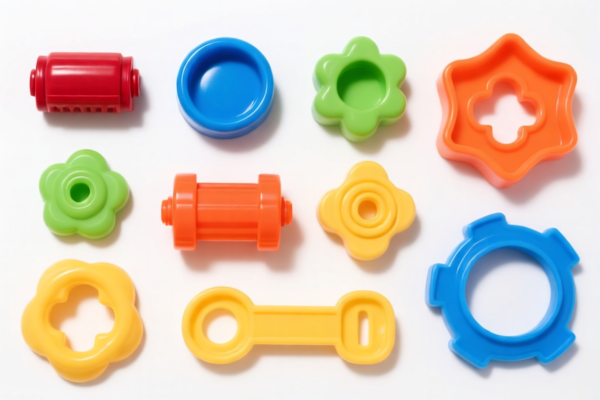
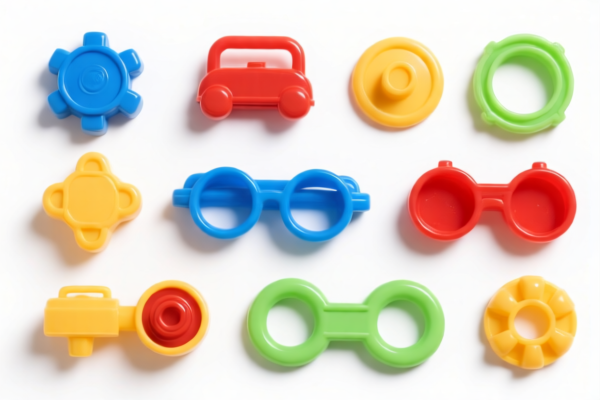
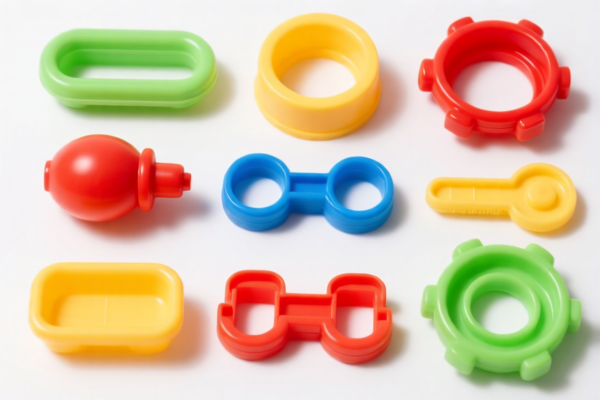
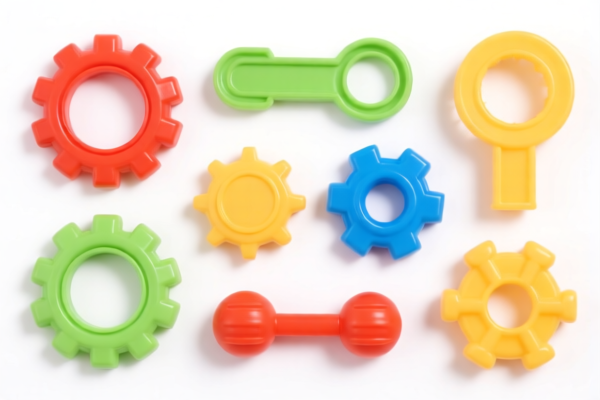
AI Analysis
🧸 Toy Accessories (Parts & Components for Toys)
🌐 HS Code Reference & Customs Clearance Guide | 2026 Latest Tariff Analysis | Professional通关 Strategy
📌 I. Product Definition & Classification: What Are "Toy Accessories"?
Toy Accessories refer to parts, components, or attachments that are not complete toys themselves but are designed specifically for use with toys (e.g., vehicles, dolls, building blocks, figurines). In international trade, the classification hinges on three factors: 1. Primary Purpose: Is it exclusively for a toy? 2. Material Composition: Is it plastic, metal, wood, or fabric? 3. Form: Is it a "part" of a toy or a general-purpose item?
⚠️ Key Distinction:
- If it is a generic metal bracket or unidentified plastic piece not exclusively for toys → Might fall under Chapter 73 (Iron/Steel) or Chapter 39 (Plastics).
- If it is specifically designed for a toy (e.g., a doll's arm, a car wheel, a Lego brick) → Falls under Chapter 95 (Toys).
- Conflict Warning: Some metal accessories may be misclassified as general machinery parts (7326) due to material, leading to massive tariff hikes.
📦 II. HS Code Classification Details (2026 Latest Authoritative对照)
| HS Code | Product Description | Summary from Data | Application Scenario |
|---|---|---|---|
9503.00.00.90 |
Other toys; reduced-size ("scale") models and similar recreational models; puzzles | "Toy accessories, other category, no material conflict, default to parts preference." | General toy parts without specific sub-category fit. |
9503.00.00.73 |
Other toys; reduced-size ("scale") models and similar recreational models; puzzles | "Toy accessories, toy parts & accessories, consistent use, no material conflict." | Dedicated toy parts (e.g., doll clothes, toy car tires). |
7326.90.86.88 |
Other articles of iron or steel | "Children's toy accessories, material inferred as metal, form matches other category, follows parts default principle." | Metal toy parts (e.g., metal gears, frames). High Risk |
7326.19.00.80 |
Articles of iron or steel, cast | "Children's toy accessories, parts/components class, no clear material, default to match." | Metal toy components where material is ambiguous. High Risk |
9503.00.00.71 |
Other toys; reduced-size ("scale") models and similar recreational models; puzzles | "Children's toy accessories, 'parts and accessories', children's products use, no material/form conflict." | Best Option for standard children's toy accessories. |
🔍 Critical Insight:
- HS Codes9503.00.00.71/.73/.90are the correct categories for toys and their accessories.
- HS Codes7326...are incorrect for most toy accessories unless they are truly generic metal items. Using7326triggers massive tariffs (see below).
- Material Conflict: If the accessory is metal, customs might try to classify it as7326. However, if the primary use is for a toy, Chapter 95 usually prevails (GRI 1 & 6).
💰 III. 2026 Latest Tariff Rate Details (Including Surcharge & Policy Additions)
✅ Applicable Country: United States (US)
✅ Origin: China (CN)
✅ Effective Time: 2025 Nov 10 onwards (including subsequent imports)
🎯 1. Preferred Classification: Toy Accessories (HS 9503...)
(Codes: 9503.00.00.71, 9503.00.00.73, 9503.00.00.90)
| Item | Content |
|---|---|
| Base Tariff | 0.0% (Ad Valorem) |
| Section 301 Surcharge | 0.0% (Exempt for most toys under current lists) |
| Section 122 Tariff | 10.0% (Specific to China-origin goods) |
| Total Tariff Rate | 10.0% |
| Tax Calculation | CIF Value × 10% |
| De Minimis Eligibility | ❌ No (Subject to full duty assessment) |
| Legal Basis Path | Section 122 → HS 9503 |
📌 Explanation:
- This is the optimal classification for toy accessories.
- Even though there is a 10% Section 122 tariff, the base rate is 0% and Section 301 is 0%.
- Total Cost Impact: Only 10% duty, which is manageable.
🎯 2. Risky Classification: Metal Articles (HS 7326...)
(Codes: 7326.90.86.88, 7326.19.00.80)
| Item | Content |
|---|---|
| Base Tariff | 2.9% (Ad Valorem) |
| Section 301 Surcharge | +25.0% (Standard 301 tariff) |
| Section 122 Tariff | +10.0% (Specific to China-origin goods) |
| Steel/Aluminum/Copper Surcharge | +50.0% (Under USITC Section 232/IEEPA) |
| Total Tariff Rate | 87.9% |
| Tax Calculation | CIF Value × 87.9% |
| De Minimis Eligibility | ❌ No |
| Legal Basis Path | Section 232:9903.01.25 → Section 301:9903.01.24 → HS 7326 → FOOTNOTE:9903.88.01 |
📌 Explanation:
- CATASTROPHIC RATE!
- If customs determines your "toy accessory" is a metal article (even if for a toy), you face a 87.9% duty.
- This includes:
- 2.9% Base
- 25.0% Section 301
- 10.0% Section 122
- 50.0% Steel/Aluminum/Copper Surcharge
- Total: 87.9% vs 10.0% for correct classification.
- Loss: ~78% extra cost.
🛠️ IV. Customs Clearance Practical Advice (Battlefield Pitfall Guide)
✅ 1. Preparation Checklist (Non-negotiable)
| Document | Must Provide | Explanation |
|---|---|---|
| ✅ Product Specification Sheet | ✔️ | Clearly state: "Toy Accessory," "For Toy Model XYZ," "Not for General Industrial Use." |
| ✅ Material Declaration | ✔️ | Specify material (e.g., "Plastic," "Steel"). If metal, justify why it’s a toy part. |
| ✅ Product Photos (With Toy) | ✔️ | Show the accessory in use with a toy. Proves specific purpose. |
| ✅ Commercial Invoice | ✔️ | Description: "Toy Accessory – [Name]," NOT "Metal Bracket" or "Plastic Part." |
| ✅ Packing List | ✔️ | Confirm quantity and weight. |
✅ 2. Declaration Strategy (Key Mantra)
🔥 "Define as Toy Part, Not Generic Material!"
| Scenario | Correct Declaration | Wrong Declaration | Consequence |
|---|---|---|---|
| Metal gear for a toy car | 9503.00.00.71 (Toy Accessory) |
7326.90.86.88 (Other Steel Article) |
Tariff jumps from 10% to 87.9%! |
| Plastic doll clothes | 9503.00.00.73 (Toy Accessory) |
6104.62.00.00 (Women's Trousers) |
Potential misclassification, but less severe. |
| Building blocks (Lego-style) | 9503.00.00.90 |
3926.90.90 (Plastic Articles) |
Risk of Section 301/122 misapplication. |
✅ 3. Special Handling for Metal Accessories
If your accessories are metal (e.g., metal figures, metal chassis parts): 1. Emphasize "Toy Purpose": In the invoice description, write: "Toy Accessories: Metal parts exclusively for [Toy Name]." 2. Provide Evidence: Submit photos showing the part attached to a toy. 3. Pre-Ruling: If the value is high, apply for an Advance Ruling (CBP Ruling) to confirm classification under Chapter 95. 4. Avoid Generic Names: Never use "Steel Fittings," "Metal Brackets," or "Industrial Parts."
🌍 V. Global Market Comparison (2026 Latest)
| Country/Region | Recommended HS Code | Tariff Rate | Notes |
|---|---|---|---|
| 🇺🇸 USA | 9503.00.00.71 / .73 / .90 |
10.0% | Avoid 7326 at all costs! |
| 🇨🇳 China | 9503.00.00 |
0%~6% | Low duty, focus on CCC certification if applicable. |
| 🇪🇺 EU | 9503.00 |
0% | No additional tariffs, but strict CE/RoHS requirements. |
| 🇬🇧 UK | 9503.00 |
0%~6% | Post-Brexit rules apply, generally favorable. |
📌 Conclusion:
- The USA is the ONLY major market with significant tariff risk for toy accessories.
- Correct classification under HS 9503 saves ~78% in duties compared to misclassification under HS 7326.
📌 VI. Common Errors & Pitfall Guide (Blood & Tears Lessons)
❌ Error 1: Declaring metal toy parts as "Steel Articles" (7326)
👉 Result: 87.9% Duty instead of 10%. Financial Loss: Massive!
❌ Error 2: Using generic terms like "Plastic Parts" or "Metal Fittings" in the invoice
👉 Result: Customs may reclassify to higher-tariff chapters. Audit Risk: High!
❌ Error 3: Ignoring the "122 Clause"
👉 Result: Even if base duty is 0%, the 10% Section 122 applies. Must factor into cost.
✅ Correct Practice:
"Toy Accessory: Plastic Wheel for Toy Car, Model ABC, Made in China"
HS Code:9503.00.00.73
Total Duty: 10%
🎯 VII. Conclusion: Precision Saves Profit!
🎯 Remember the Mantra:
🔹 "Toy Accessory ≠ Metal Article.
9503 = 10% Duty.
7326 = 87.9% Duty.
Know the Difference, Save 78%!"
📌 Pro Tip:
If you are importing metal toy accessories, ensure your supplier provides a Declaration of Use stating these parts are exclusively for toys and not for industrial/general use. This supports your case for Chapter 95 classification.
📣 Immediate Action:
📞 Contact your Customs Broker: Provide photos and specify "Toy Accessories."
📄 Update Invoice Descriptions: Use "Toy Accessory," not "Metal Part."
🚀 Save Costs: Ensure correct HS Code (9503...) to avoid 87.9% duty trap.
✨ Professional Clearance, Start with Accurate Classification!
💼 Your Profit Margin Depends on the Last Digit of Your HS Code!
Customer Reviews
About HS Code Classification
The Harmonized System (HS) is an internationally standardized nomenclature developed by the World Customs Organization (WCO) to classify traded products. Over 200 countries use the HS system as the basis for customs tariffs, trade statistics, and import/export regulations.
Each HS code follows a hierarchical structure:
- Chapter (2 digits) — Broad category of goods (e.g., Chapter 84: Machinery and Mechanical Appliances)
- Heading (4 digits) — More specific grouping within the chapter
- Subheading (6 digits) — Internationally standardized breakdown, used by all WCO member countries
- National subdivisions (8-10 digits) — Country-specific extensions for further classification, such as US HTSUS 10-digit codes
Correct HS code classification is essential for smooth customs clearance, accurate duty payment, and compliance with trade regulations. Misclassification can lead to customs delays, overpayment of duties, or penalties.
When importing from CN to US, the applicable tariff rates may include:
- Most-Favored-Nation (MFN) rate — The standard duty rate applied to WTO members
- General rate — Applied to countries without trade agreements
- Trade remedy duties — Additional tariffs such as Section 301 (anti-dumping), Section 232 (national security), or countervailing duties
The information provided on this page is for reference purposes only. For official classification, please consult with your local customs authority or a licensed customs broker.