Toy Ball
CN → US| HS Code | Tariff Rate | Origin | Destination | Doc |
|---|---|---|---|---|
| 9506696020 | 22.4% | CN | US | Official Doc |
| 4016992000 | 14.3% | CN | US | Official Doc |
| 4016996050 | 37.5% | CN | US | Official Doc |
| 9503000013 | 10.0% | CN | US | Official Doc |
| 9503000011 | 10.0% | CN | US | Official Doc |
Product Images
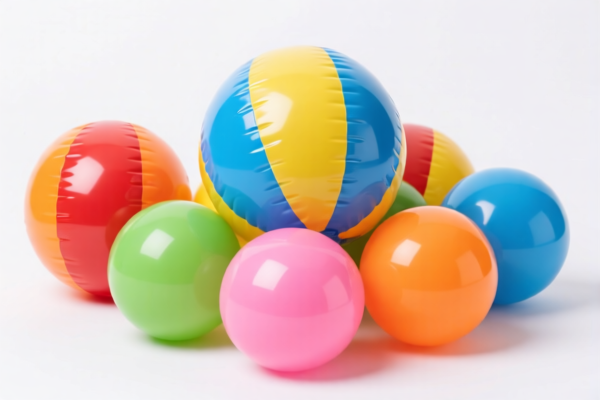
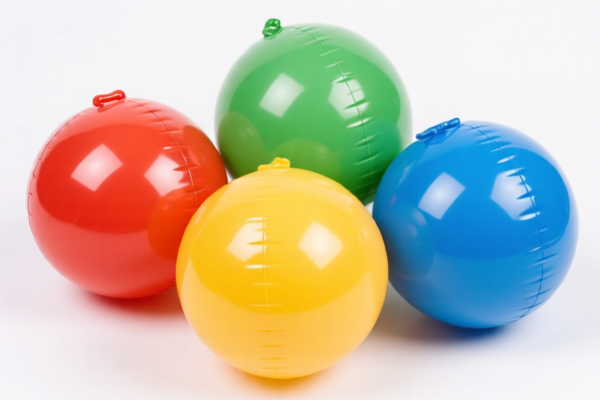
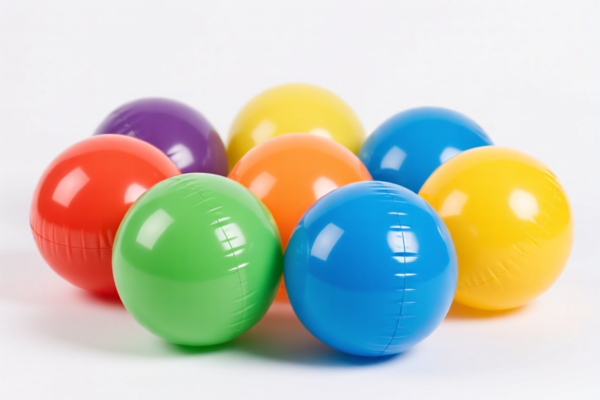
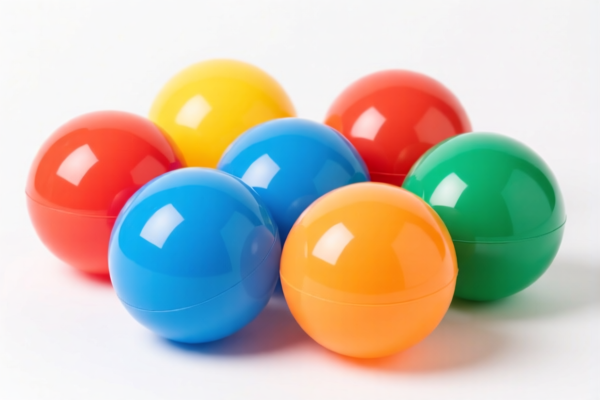
AI Analysis
🎈 Toy Ball – Comprehensive HS Code & Tariff Guide (2026 Update)
🌐 HS Code Classification & Customs Clearance Strategy | 2026 Latest Tariff Rules | Expert-Level Import Planning
📌 One Product, Multiple Categories — Know the Difference to Avoid 27.5%+ Tariffs!
📦 1. Product Definition & Classification Breakdown: What Is a "Toy Ball"?
A toy ball is a recreational item designed for play, typically spherical, and intended for children or general amusement. In U.S. customs classification, not all "balls" are treated the same — especially when it comes to material, intended use, and age group.
⚠️ Critical Distinction: - Inflatable rubber toy balls, balloons, punchballs → Classified under 9503.00.00.13 / 11 - Non-inflatable rubber balls for sports → Classified under 9506.69.60.20 - Pet toys made of rubber → Classified under 4016.99.20.00 - General vulcanized rubber articles (non-toy) → Classified under 4016.99.60.50
❗ Warning: Misclassifying a toy ball can trigger 27.5% total tariffs — even if the product looks identical!
📊 2. HS Code Classification Table (2026 U.S. Tariff Schedule)
| HS Code | Product Description | Age Group / Use | Material | Key Feature |
|---|---|---|---|---|
9503.00.00.13 |
Inflatable toy balls, balloons, punchballs — intended for ages 3–12 | 3 to 12 years | Rubber (vulcanized) | Inflatable, non-structural, for play |
9503.00.00.11 |
Inflatable toy balls, balloons, punchballs — intended for under 3 years | Under 3 years | Rubber (vulcanized) | Small, soft, child-safe design |
4016.99.20.00 |
Other articles of vulcanized rubber — toys for pets | For animals | Rubber (vulcanized) | Chewable, durable, non-toxic |
4016.99.60.50 |
Other vulcanized rubber articles — non-toy, non-pet, non-essential | General use | Rubber (vulcanized) | Not for children or pets |
9506.69.60.20 |
Balls (not golf or table-tennis) — for sports, games, or outdoor play | All ages | Rubber, synthetic, etc. | Not classified as "children's toy" |
🔍 Key Insight:
- Age labeling matters — even if the ball is the same size/material, under-3 vs. 3–12 changes the HS code and tariff. - Purpose determines classification — a rubber ball for a dog ≠ a ball for a child. - "Inflatable" is a keyword — if it’s not inflatable, it may fall under 9506.69.60.20.
💰 3. 2026 U.S. Tariff Breakdown (Detailed & Transparent)
✅ Applicable Country: China (CN)
✅ Effective Date: 2025–2026 (current tariff regime)
✅ Legal Basis: 15 U.S.C. § 2052 (Children’s Product Safety Act), U.S. Harmonized Tariff Schedule (HTSUS)
🎯 1. 9503.00.00.13 – Inflatable Toy Balls (Ages 3–12)
| Item | Detail |
|---|---|
| Base Duty | 0.0% (ad valorem) |
| Additional Duty | 0.0% |
| Total Tariff | 0.0% |
| Tax Calculation | CIF × 0.0% |
| De Minimis Exemption | ✅ Yes (if value < $800) |
| Legal Path | HTSUS:9503.00.00.13 → 15 U.S.C. § 2052 (Children’s Product) |
📌 Explanation:
- This is a child-safe, age-labeled toy under U.S. law. - No additional tariffs apply — ideal for mass-market kids’ toys. - Must be clearly labeled as intended for 3–12 year olds.
🎯 2. 9503.00.00.11 – Inflatable Toy Balls (Under 3 Years)
| Item | Detail |
|---|---|
| Base Duty | 0.0% |
| Additional Duty | 0.0% |
| Total Tariff | 0.0% |
| Tax Calculation | CIF × 0.0% |
| De Minimis Exemption | ✅ Yes |
| Legal Path | HTSUS:9503.00.00.11 → 15 U.S.C. § 2052 (Children’s Product) |
📌 Note:
- Despite being for infants, no extra tariff applies. - Must meet CPSIA safety standards (lead, phthalates, small parts). - Labeling is mandatory — "For children under 3 years".
🎯 3. 4016.99.20.00 – Toys for Pets (Rubber)
| Item | Detail |
|---|---|
| Base Duty | 0.0% |
| Additional Duty | 0.0% |
| Total Tariff | 0.0% |
| Tax Calculation | CIF × 0.0% |
| De Minimis Exemption | ✅ Yes |
| Legal Path | HTSUS:4016.99.20.00 → 4016.99.20.00 (Pet Toys) |
📌 Key Point:
- This code is only for pet-use rubber toys. - If the ball is not labeled or marketed for pets, this code is incorrect. - Misuse leads to penalties — even if material is same.
🎯 4. 4016.99.60.50 – Other Vulcanized Rubber Articles (General Use)
| Item | Detail |
|---|---|
| Base Duty | 2.5% |
| Additional Duty | 25.0% |
| Total Tariff | 27.5% |
| Tax Calculation | CIF × 27.5% |
| De Minimis Exemption | ❌ No (due to 25% additional duty) |
| Legal Path | HTSUS:4016.99.60.50 → USITC Section 301 → Footnote 9903.88.01 |
📌 WARNING:
- This is the highest tariff in the list. - Applies to non-toy, non-pet, non-child-use rubber items. - Even a rubber ball with no child/pet labeling may fall here. - 27.5% is NOT optional — it’s legally mandated under Section 301 of U.S. Trade Act.✅ Example:
A rubber ball sold as a "garden decoration" or "office stress ball" → 4016.99.60.50 → 27.5% tariff
🎯 5. 9506.69.60.20 – Balls for Sports/Outdoor Games (Not Golf or Table Tennis)
| Item | Detail |
|---|---|
| Base Duty | 4.9% |
| Additional Duty | 7.5% |
| Total Tariff | 12.4% |
| Tax Calculation | CIF × 12.4% |
| De Minimis Exemption | ✅ Yes (if value < $800) |
| Legal Path | HTSUS:9506.69.60.20 → USITC Section 301 (Partial) |
📌 Important:
- Applies to non-toy, non-inflatable, non-child-specific balls. - If the ball is used in sports, games, or physical activity, this code applies. - Not for children’s toys — even if children play with it.
🛠️ 4. Customs Clearance Best Practices (Pro Tips)
✅ 1. Essential Documentation Checklist
| Document | Required? | Why It Matters |
|---|---|---|
| ✅ Commercial Invoice | ✔️ | Must state intended use & age group |
| ✅ Product Labeling | ✔️ | Must clearly show "For children 3–12", "For pets", or "Not for children" |
| ✅ Third-Party Test Report | ✔️ | CPSIA (for kids), ASTM F963 (toys), FDA (non-toxic) |
| ✅ Packing List | ✔️ | Show no拆分 (no disassembly) — avoid multi-code申报 |
| ✅ Certificate of Origin (CO) | ✔️ | If from non-China, may qualify for lower tariffs |
| ✅ Product Photos | ✔️ | Show size, material, labeling, packaging |
✅ 2.申报技巧(Pro申报 Strategy)
🔥 "Label First, Declare Second, Tax Last!"
| Scenario | Correct HS Code | Wrong Code | Risk |
|---|---|---|---|
| Inflatable ball, labeled "Ages 3–12" | 9503.00.00.13 |
9506.69.60.20 |
12.4% → 0% → Savings! |
| Ball for dog, chewable, rubber | 4016.99.20.00 |
9503.00.00.11 |
0% → 27.5% → Loss! |
| Rubber ball, no label, sold as "stress ball" | 4016.99.60.50 |
9503.00.00.13 |
0% → 27.5% → Penalty! |
| Ball used in backyard games | 9506.69.60.20 |
9503.00.00.11 |
0% → 12.4% → Overpay! |
✅ 3. Special Cases & Solutions
| Situation | Recommended Action |
|---|---|
| Ball sold as gift or decoration | Label as "Not for children" → Use 4016.99.60.50 |
| Ball used in school PE class | Use 9506.69.60.20 (sports use) |
| Ball marketed to toddlers | Use 9503.00.00.11 + CPSIA compliance |
| Ball for pets | Use 4016.99.20.00 + non-toxic certification |
| Ball from Vietnam/Mexico | Apply for IEEPA exemption → 0% tariff |
🌍 5. Global Market Tariff Comparison (2026)
| Country | Recommended HS Code | Tariff | Certification | Notes |
|---|---|---|---|---|
| 🇺🇸 USA | 9503.00.00.13 |
0.0% | CPSIA, ASTM F963 | Labeling critical |
| 🇨🇳 China | 9503.00.00.13 |
5% | CCC | No extra duties |
| 🇪🇺 EU | 9503.00.00.13 |
0% | CE, REACH | No additional tax |
| 🇦🇺 Australia | 9503.00.00.13 |
5% | RCM | No extra duty |
| 🇯🇵 Japan | 9503.00.00.13 |
0% | PSE | No extra tax |
📌 Insight:
- U.S. is the only market with 27.5% tariff risk on misclassified rubber items. - China, EU, Japan are much more favorable for toy balls.
📌 6. Common Mistakes & How to Avoid Them
❌ Mistake 1: Using 9503.00.00.13 for a ball not labeled for children
👉 Result: Rejected by CBP → 27.5% tariff if reclassified
❌ Mistake 2: Labeling a pet toy as "for kids" to avoid 27.5%
👉 Result: Violation of CPSIA → fines, recalls, brand damage
❌ Mistake 3: Not separating pet vs. child toys in packaging
👉 Result: Mixed shipment → all items reclassified → higher tariff
✅ Correct Approach:
“Inflatable Rubber Ball, 8-inch, for children 3–12 years, non-toxic, CPSIA-compliant, not for pets”
🎯 7. Final Verdict: Your Toy Ball’s Fate Is in the Label
🎯 Remember the Golden Rule:
🔹 "Label it right → Tax it right → Ship it fast!"
🔹 "A rubber ball is not a toy — unless it says so!"
📌 Pro Tip:
✅ Apply for an Advance Ruling (Pre-Approval) from U.S. Customs before shipping large volumes.
✅ Use a U.S.-based customs broker with experience in HTSUS 9503 & 4016.
✅ Always verify labeling — even a missing "For Pets" tag can cost 27.5% in extra duties.
📣 Take Action Now:
📞 Contact a licensed customs broker + Submit product photos + Request HS Code pre-ruling
🚀 Avoid 27.5% tariffs, prevent delays, and ship with confidence!
✨ Smart Classification = Smart Profit!
💼 Your toy ball’s success starts with the right HS Code.
Customer Reviews
About HS Code Classification
The Harmonized System (HS) is an internationally standardized nomenclature developed by the World Customs Organization (WCO) to classify traded products. Over 200 countries use the HS system as the basis for customs tariffs, trade statistics, and import/export regulations.
Each HS code follows a hierarchical structure:
- Chapter (2 digits) — Broad category of goods (e.g., Chapter 84: Machinery and Mechanical Appliances)
- Heading (4 digits) — More specific grouping within the chapter
- Subheading (6 digits) — Internationally standardized breakdown, used by all WCO member countries
- National subdivisions (8-10 digits) — Country-specific extensions for further classification, such as US HTSUS 10-digit codes
Correct HS code classification is essential for smooth customs clearance, accurate duty payment, and compliance with trade regulations. Misclassification can lead to customs delays, overpayment of duties, or penalties.
When importing from CN to US, the applicable tariff rates may include:
- Most-Favored-Nation (MFN) rate — The standard duty rate applied to WTO members
- General rate — Applied to countries without trade agreements
- Trade remedy duties — Additional tariffs such as Section 301 (anti-dumping), Section 232 (national security), or countervailing duties
The information provided on this page is for reference purposes only. For official classification, please consult with your local customs authority or a licensed customs broker.