Toy Car Steering Rod
CN → US| HS Code | Tariff Rate | Origin | Destination | Doc |
|---|---|---|---|---|
| 7326908688 | 87.9% | CN | US | Official Doc |
| 9503000073 | 10.0% | CN | US | Official Doc |
| 7326190080 | 87.9% | CN | US | Official Doc |
| 9503000090 | 10.0% | CN | US | Official Doc |
Product Images
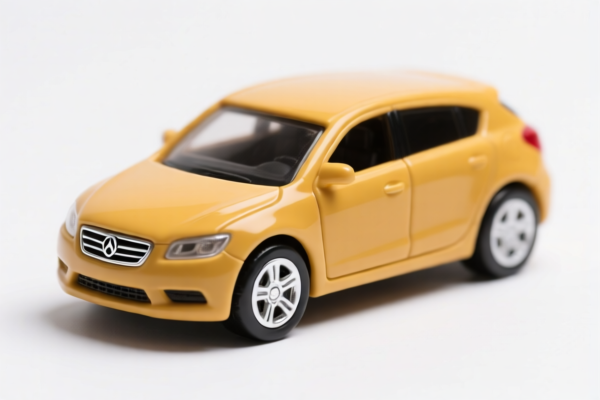
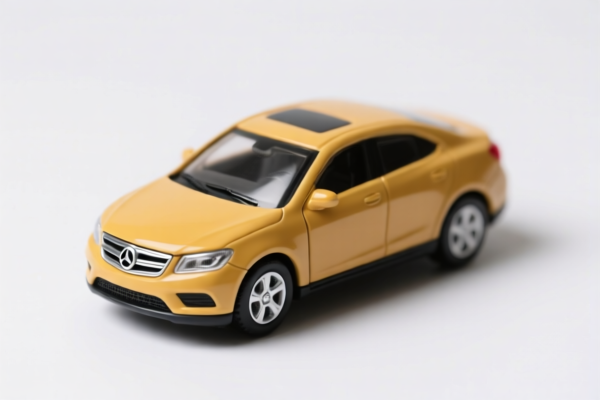
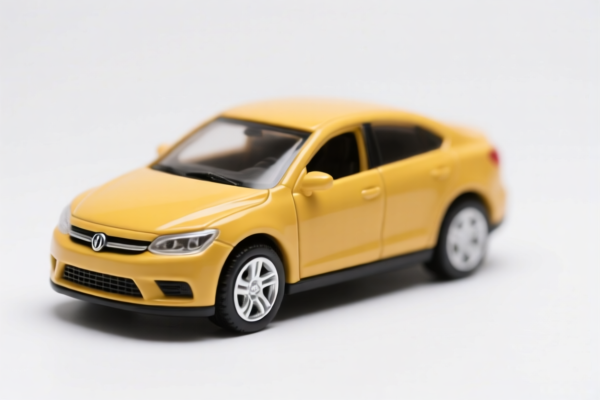

AI Analysis
🚗 Toy Car Steering Rod (转向拉杆/玩具车配件)
🌐 HS Code Reference & Customs Clearance Guide | 2026 Latest Tariff Analysis | Strategic Clearance Strategy
📌 I. Product Definition & Classification: What Exactly is a "Toy Car Steering Rod"?
The "Toy Car Steering Rod" is a critical component in toy vehicles, specifically serving as the mechanical linkage that connects the steering wheel mechanism to the front wheels. In international trade, its classification is a classic dispute zone between "Iron/Steel Articles" and "Toy Parts."
Two Primary Interpretations:
1. The "Raw Material" Perspective (Iron/Steel):
If the item is viewed primarily as a metal connector made of iron or steel, regardless of its end-use, it falls under Chapter 73 (Articles of Iron or Steel). This is the "conservative" and often "higher-tax" route.
2. The "Function" Perspective (Toy Accessories):
If the item is viewed strictly as a part designed for a toy (HS Chapter 95), it falls under Toy Parts. This is the "ideal" route for lowering tariff costs, provided the classification is accepted.
⚠️ Key Classification Conflict:
- Iron/Steel Route: Heavy tariffs due to Section 301 (US-China trade war) and Section 232 (Steel/Aluminum).
- Toy Parts Route: Significantly lower tariffs (Base 0%, no Section 301/232 on most toys).
- Risk: Customs may reclassify "Toy Parts" as "Iron Articles" if the toy itself is not declared or if the part appears generic.
📦 II. HS Code Classification Details (2026 Latest Tariff Authority)
Based on the provided data, here are the four potential HS Codes and their corresponding tax implications:
| HS Code | Product Description | Classification Logic | Total Tax Rate | Tax Detail Breakdown |
|---|---|---|---|---|
| 7326.90.86.88 | Other Articles of Iron or Steel | Based on material inference (Iron/Steel), classified as mechanical connectors. | 87.9% | Base: 2.9% + Sec 301: 25.0% + Sec 232 (Steel/Aluminum): 50% |
| 9503.00.00.73 | Other Toys & Accessories | As a toy car accessory, fits "Parts and Accessories of Toys." No material conflict assumed. | 10.0% | Base: 0.0% + Sec 301: 0.0% + Sec 232: N/A (Toy exemption) |
| 7326.19.00.80 | Other Articles of Iron or Steel (Toys) | Toy car spare parts, classified as iron/steel articles. Material inferred as metal/plastic. | 87.9% | Base: 2.9% + Sec 301: 25.0% + Sec 232 (Steel/Aluminum): 50% |
| 9503.00.00.90 | Other Toys & Accessories | As a toy car accessory, fits "Other" categories in Toy accessories. No material conflict. | 10.0% | Base: 0.0% + Sec 301: 0.0% + Sec 232: N/A (Toy exemption) |
🔍 Critical Insight:
- The Tax Gap is Massive: The difference between 87.9% and 10.0% is 77.9%.
- Why the Discrepancy?:
- Codes 7326.90.86.88 and 7326.19.00.80 trigger Section 232 (50% for steel) and Section 301 (25% on Chinese goods).
- Codes 9503.00.00.73 and 9503.00.00.90 are treated as Toys, which are generally exempt from Section 232 and have lower/no Section 301 rates (depending on specific toy subcategories).
💰 III. 2026 Latest Tariff Rate Breakdown (Including Surcharges & Policy Add-ons)
✅ Applicable Country: United States (US)
✅ Origin: China (CN)
✅ Effective Time: Current Trade War Policies (Section 301 & 232)
🎯 1. The "Iron/Steel" Route (High Cost)
HS Codes: 7326.90.86.88 & 7326.19.00.80
| Item | Content |
|---|---|
| Base Tariff | 2.9% |
| Section 301 Tariff | +25.0% (On Chinese Goods) |
| Section 232 Tariff | +50.0% (On Steel/Aluminum Articles) |
| Total Rate | 87.9% |
| Tax Calculation | CIF Value × 87.9% |
| De Minimis Exemption | ❌ Not Eligible (High tax items are excluded) |
| Legal Basis | USITC Footnotes for Steel/Aluminum; USTR Section 301 Lists |
📌 Explanation:
- Section 232 (50%): Applies because the item is inferred as an "Article of Iron or Steel."
- Section 301 (25%): Applies because it is imported from China.
- Result: This classification is extremely costly. Unless the part is made of non-steel material (e.g., plastic) and still misclassified as steel, this rate is punitive.
🎯 2. The "Toy Accessory" Route (Low Cost)
HS Codes: 9503.00.00.73 & 9503.00.00.90
| Item | Content |
|---|---|
| Base Tariff | 0.0% |
| Section 301 Tariff | 0.0% (Most toys are exempt or low-rate) |
| Section 232 Tariff | 0.0% (Toys are not steel articles in this context) |
| Total Rate | 10.0% |
| Tax Calculation | CIF Value × 10.0% |
| De Minimis Exemption | ❌ Not Eligible (Even if tax is low, value may exceed $800 if bulk) |
| Legal Basis | HS Chapter 95 (Toys, Games, Sports Equipment) |
📌 Note:
- The 10% rate likely comes from specific U.S. Harmonized Tariff Schedule (HTS) rates for certain toy parts.
- Crucially, there is NO 50% Section 232 tariff and NO 25% Section 301 tariff applied here.
- This is the target classification for cost optimization.
🛠️ IV. Customs Clearance Practical Advice (Battle-Tested Pitfall Avoidance)
✅ 1. Preparation Checklist (Non-Negotiable)
| Document | Required? | Explanation |
|---|---|---|
| ✅ Product Specifications | ✔️ | Must explicitly state "Toy Car Part" or "Model: [Toy Model]". |
| ✅ Photos (Clear) | ✔️ | Show the part attached to a toy car, not just a standalone metal rod. |
| ✅ Usage Statement | ✔️ | "This item is a non-functional decorative part or a direct replacement part for a toy vehicle (HS 9503)." |
| ✅ Material Composition | ✔️ | If made of plastic, emphasize this to avoid Section 232. If metal, prove it is an integral part of a toy. |
| ✅ Commercial Invoice | ✔️ | Description must match HS Code 9503 (e.g., "Toy Car Steering Rod Part"). Avoid generic terms like "Iron Connector." |
| ✅ Packing List | ✔️ | If shipped with toys, declare as a single lot. If shipped separately, justify as "Toy Accessories." |
✅ 2. Declaration Strategy (Key Mantra)
🔥 “Function Over Material, Toy Over Steel!”
| Scenario | Correct Declaration | Wrong Declaration |
|---|---|---|
| Standalone Metal Rod | High Risk: Likely 7326 (87.9%). Prove it is a part of a toy. |
"Iron Connector" |
| Part of a Toy Set | Ideal: 9503.00.00.90 (10%). Declare as "Toy Accessories." |
"Toy Part" (Vague) |
| Plastic Rod | Safe: 9503.00.00.73/90 (10%). Plastic toys are exempt from Steel tariffs. |
"Plastic Clip" |
| Mixed Shipment | Split: If toys are included, declare parts under 9503. If no toys, justify part function. | "General Hardware" |
✅ 3. Special Handling Tips
| Situation | Recommendation |
|---|---|
| Metal Steering Rod | Provide a Product Data Sheet linking the part to a specific HS 9503 toy model. Show it cannot be used as a generic industrial connector. |
| Plastic Steering Rod | Always declare under 9503. No Section 232 applies. |
| Separate Shipment (No Toy) | This is dangerous. Customs may see it as a generic steel part. Include a letter of guarantee stating it is solely for toy assembly. |
| Customs Audit | Be prepared to show the finished toy that uses this part. The "Essential Character" test may classify it as a toy part if it is indispensable to the toy. |
🌍 V. Global Market Comparison (2026 Latest)
| Country/Region | Recommended HS Code | Tariff Rate | Certification | Note |
|---|---|---|---|---|
| 🇺🇸 USA | 9503.00.00.90 | 10% | CPC (Children's Product Certificate) | Avoid 7326 (87.9%)! |
| 🇨🇳 China | 9503.00.00.00 | 0% | CCC (if applicable) | Low duty for toys |
| 🇪🇺 EU | 9503.00.30 | 4.5% | CE + EN71 | No steel tariff if toy part |
| 🇬🇧 UK | 9503.00.00.00 | 0% | UKCA | Post-Brexit rules apply |
| 🇨🇦 Canada | 9503.00.00.00 | 0% | CPSIA-like standards | Free trade agreement benefits |
📌 Conclusion:
- USA is the hardest market due to Section 301 and 232.
- Correct Classification (9503) saves 77.9% in tariffs.
- Incorrect Classification (7326) can destroy profit margins.
📌 VI. Common Errors & Pitfalls (Blood Lessons)
❌ Mistake 1: Declaring a steel toy part as "Iron Hardware" (7326)
👉 Consequence: 87.9% Tariff. You paid 77.9% extra unnecessarily.
❌ Mistake 2: Shipping toy parts separately from toys with vague descriptions
👉 Consequence: Customs reclassifies as "General Steel Articles" → 87.9% + Delays + Fines.
❌ Mistake 3: Ignoring Material Composition
👉 Consequence: If plastic, declare as plastic. If steel, prove it's a toy part. Misstatement leads to fraud charges.
❌ Mistake 4: Using "Connector" or "Linkage" in Description
👉 Consequence: Sounds industrial → HS 7326 → 87.9%. Use "Toy Steering Rod" instead.
✅ Correct Practice:
"Toy Car Steering Rod (Part for Model XYZ Toy Car), Plastic/Metal, Not for Industrial Use, HS 9503.00.00.90"
🎯 VII. Conclusion: Precision Classification, Massive Savings!
🎯 Remember the Mantra:
🔹 "Toys are King: 9503 saves 78%!"
🔹 "Steel Parts for Toys are still Toys: Prove the Link!"
🔹 "Industrial Terms = Industrial Taxes: Avoid 'Connector', Use 'Toy Part'!"
📌 Pro Tip:
If you are shipping large volumes of metal toy parts:
1. Apply for an Advance Ruling from US Customs (CBP).
2. Provide a Detailed Product Analysis showing the part's exclusive use for toys.
3. Consider Packaging: Ship with the toy if possible, or include a clear "Toy Part" label.
📣 Immediate Action:
📞 Contact your Customs Broker with the phrase: "Classify as Toy Accessories (HS 9503), not Iron Articles (HS 7326)."
🚀 Save 77.9% in Tariffs. Protect Your Margins.
✨ Professional Clearance Starts with Accurate Classification!
💼 Every Dollar Saved in Tariffs is Pure Profit!
Customer Reviews
About HS Code Classification
The Harmonized System (HS) is an internationally standardized nomenclature developed by the World Customs Organization (WCO) to classify traded products. Over 200 countries use the HS system as the basis for customs tariffs, trade statistics, and import/export regulations.
Each HS code follows a hierarchical structure:
- Chapter (2 digits) — Broad category of goods (e.g., Chapter 84: Machinery and Mechanical Appliances)
- Heading (4 digits) — More specific grouping within the chapter
- Subheading (6 digits) — Internationally standardized breakdown, used by all WCO member countries
- National subdivisions (8-10 digits) — Country-specific extensions for further classification, such as US HTSUS 10-digit codes
Correct HS code classification is essential for smooth customs clearance, accurate duty payment, and compliance with trade regulations. Misclassification can lead to customs delays, overpayment of duties, or penalties.
When importing from CN to US, the applicable tariff rates may include:
- Most-Favored-Nation (MFN) rate — The standard duty rate applied to WTO members
- General rate — Applied to countries without trade agreements
- Trade remedy duties — Additional tariffs such as Section 301 (anti-dumping), Section 232 (national security), or countervailing duties
The information provided on this page is for reference purposes only. For official classification, please consult with your local customs authority or a licensed customs broker.