Toy Car Tires
CN → US| HS Code | Tariff Rate | Origin | Destination | Doc |
|---|---|---|---|---|
| 4012124035 | 39.0% | CN | US | Official Doc |
| 4012118000 | 38.4% | CN | US | Official Doc |
| 9503000090 | 10.0% | CN | US | Official Doc |
| 9503000073 | 10.0% | CN | US | Official Doc |
| 9503000071 | 10.0% | CN | US | Official Doc |
Product Images
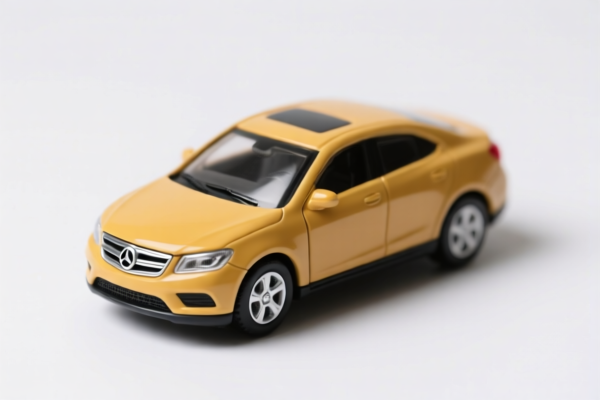
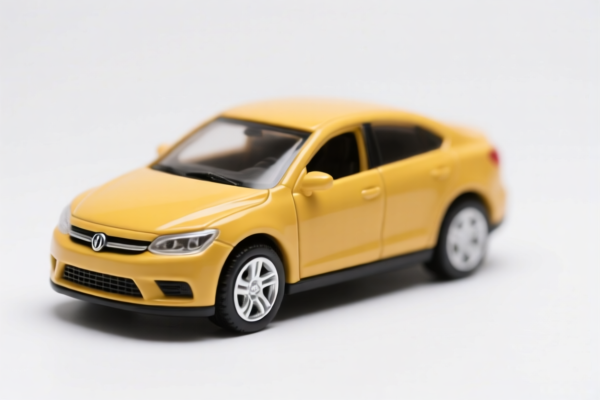
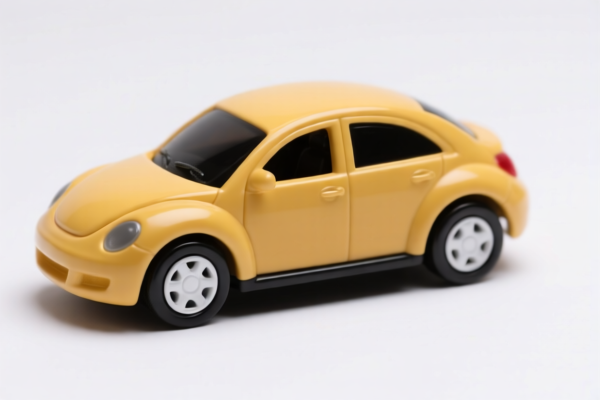
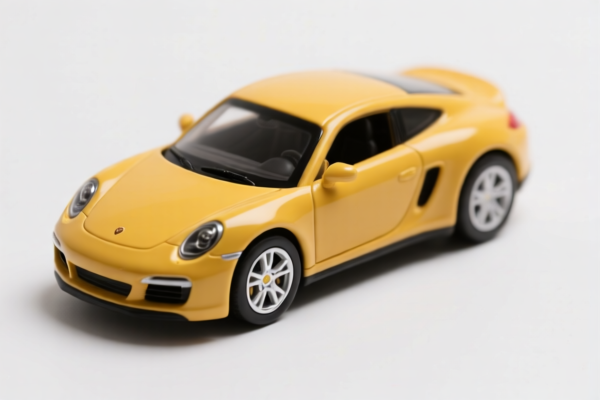
AI Analysis
🚗 Toy Car Tires
🌐 HS Code Classification & Tariff Guide | 2026 Latest Customs Rules | Expert Clearance Strategy
📌 One Product, Multiple Classifications — Why Tire Type Matters!
📦 一、Product Definition & Classification: What Exactly Are “Toy Car Tires”?
Toy car tires are small rubber or plastic wheels designed for toy vehicles, especially children’s ride-on toys, remote-controlled cars, or model cars. They are not intended for real vehicles and are typically smaller than 200mm in diameter, made from rubber, plastic, or elastomer materials.
⚠️ Critical Distinction: - If the tire is intended for real vehicles (e.g., cars, trucks) → HS Code 4012.11/4012.12 - If the tire is designed for toy vehicles only, even if made of rubber → HS Code 9503.00.00.90
🔍 Key Insight:
The intended use determines the HS code — not just material or size. A rubber tire for a 3-year-old’s toy truck is not a "vehicle tire" under trade law.
📌 二、HS Code Breakdown (2026 Official Tariff Table)
| HS Code | Product Description | Use Case | Material & Form | Tax Rate |
|---|---|---|---|---|
4012.12.40.35 |
Tires, rubber, for other vehicles (not cars/trucks), not for real vehicles | Toy car tires, ride-on toys, model vehicles | Rubber, molded, with tread | 39.0% |
4012.11.80.00 |
Tires, rubber, for motor vehicles (cars/trucks), but used in toy form | Rarely applicable — only if the tire is structurally identical to a real car tire | Rubber, with steel belt, full-size tread | 38.4% |
9503.00.00.90 |
Parts of toys, not specifically for vehicles, but used in toy cars | Wheel covers, plastic tires, decorative rims | Plastic, non-rubber, not functional | 10.0% |
9503.00.00.73 |
Toy cars, complete vehicles, for children 3–12 years | Full toy car with wheels, body, battery | Plastic/rubber, functional | 10.0% |
9503.00.00.71 |
Toy cars, wheeled toys, for children | Rolling toy cars, push toys, ride-on models | Rubber/plastic wheels, functional | 10.0% |
📌 Why the Confusion?
- 4012.12.40.35 applies when the tire looks like a real tire but is too small or not designed for load-bearing. - 9503.00.00.90 applies when the tire is plastic, decorative, or not functional — even if it’s shaped like a tire. - 4012.11.80.00 only applies if the tire is structurally identical to a real car tire — extremely rare for toys.
💰 三、2026 Tariff Breakdown (US Market, China Origin)
✅ Target Country: United States (US)
✅ Origin: China (CN)
✅ Effective Date: November 10, 2025 (with retroactive enforcement)
🎯 1. 4012.12.40.35 — Rubber Tires for Non-Car Vehicles (Toy Use)
| Item | Detail |
|---|---|
| Base Duty | 4.0% (ad valorem) |
| Section 301 Tariff (USITC) | +25.0% |
| Section 122 Tariff (IEEPA) | +10.0% |
| Total Effective Rate | 39.0% |
| Tax Calculation | CIF Value × 39.0% |
| De Minimis Exemption? | ❌ No (denied under US law) |
| Legal Basis Path | IEEPA:9903.01.25 → IEEPA:9903.01.24 → USITC:4012.12.40.35 → FOOTNOTE:9903.88.01 |
📌 Why So High?
- Even though it's a toy, the rubber material triggers Section 301 and IEEPA tariffs. - No exemption for small parts or children’s toys — even if the tire is only 2cm wide.
🎯 2. 4012.11.80.00 — Rubber Tires for Motor Vehicles (Cars/Trucks)
| Item | Detail |
|---|---|
| Base Duty | 3.4% |
| Section 301 Tariff (USITC) | +25.0% |
| Section 122 Tariff (IEEPA) | +10.0% |
| Total Effective Rate | 38.4% |
| Tax Calculation | CIF Value × 38.4% |
| De Minimis Exemption? | ❌ No |
| Legal Basis Path | IEEPA:9903.01.25 → IEEPA:9903.01.24 → USITC:4012.11.80.00 → FOOTNOTE:9903.88.01 |
📌 When Does This Apply?
- Only if the tire is structurally identical to a real car tire (e.g., steel belt, full tread, load rating). - Rarely applicable for toys — if your tire is not designed to support weight, not for real vehicles, not for high-speed use, then this code does NOT apply.
🎯 3. 9503.00.00.90 — Parts of Toys (Non-Rubber, Decorative, or Non-Functional)
| Item | Detail |
|---|---|
| Base Duty | 0.0% |
| Section 301 Tariff (USITC) | 0.0% |
| Section 122 Tariff (IEEPA) | +10.0% |
| Total Effective Rate | 10.0% |
| Tax Calculation | CIF Value × 10.0% |
| De Minimis Exemption? | ✅ Yes (if value < $800) |
| Legal Basis Path | IEEPA:9903.01.25 → IEEPA:9903.01.24 → 9503.00.00.90 |
📌 Key Advantage:
- Only 10% tariff — much lower than rubber tires. - De minimis applies — no duty if value < $800. - Best for plastic, non-functional, or decorative wheels.
🎯 4. 9503.00.00.73 & 9503.00.00.71 — Complete Toy Cars (With Wheels)
| Item | Detail |
|---|---|
| Base Duty | 0.0% |
| Section 301 Tariff (USITC) | 0.0% |
| Section 122 Tariff (IEEPA) | +10.0% |
| Total Effective Rate | 10.0% |
| Tax Calculation | CIF Value × 10.0% |
| De Minimis Exemption? | ✅ Yes |
| Legal Basis Path | IEEPA:9903.01.25 → IEEPA:9903.01.24 → 9503.00.00.73/71 |
📌 Strategic Insight:
- If you sell complete toy cars, declare them as full toys → only 10% tariff. - Do NOT declare wheels separately — you’ll pay 39% on each tire! - Best for mass-market toy cars (e.g., ride-on cars, remote-controlled cars).
🛠️ 四、Clearance Best Practices (Real-World Tips)
✅ 1. Documentation Checklist (Must-Have)
| Document | Required? | Why It Matters |
|---|---|---|
| ✅ Product Photos (front, side, wheel detail) | ✔️ | Prove material (rubber vs plastic), size, function |
| ✅ Technical Specs (diameter, material, load capacity) | ✔️ | Prove it's not a real vehicle tire |
| ✅ Commercial Invoice | ✔️ | Must state "Toy Car Tire – Not for Real Vehicles" |
| ✅ Packing List | ✔️ | Show if tires are sold separately or with toy |
| ✅ Certificates (FCC, CE, ASTM F963, CPSC) | ✔️ | Required for children’s toys |
| ✅ Origin Certificate (CO) | ✔️ | If from non-China, may qualify for lower tariffs |
✅ 2.申报技巧(Key Tips)
🔥 “Don’t Break It Down — Declare as a Toy!”
| Scenario | Correct Action | Wrong Action |
|---|---|---|
| Toy car tires (rubber, small) | Declare as 4012.12.40.35 |
→ Pay 39% |
| Toy car tires (plastic, decorative) | Declare as 9503.00.00.90 |
→ Pay 10% |
| Full toy car with wheels | Declare as 9503.00.00.73 or 71 |
→ Pay 10% |
| Separate rubber tires sold with toy | Do NOT split — declare as toy | → Pay 39% per tire → Total: 78%+ |
📌 Golden Rule:
Never split toy parts — you’ll pay 39% on each tire.
Declare as a complete toy → only 10% total.
✅ 3. Special Cases & Solutions
| Situation | Solution |
|---|---|
| Tires are rubber but too small for real use | Use 4012.12.40.35 — 39% tax |
| Tires are plastic, non-functional, or decorative | Use 9503.00.00.90 — 10% tax + de minimis |
| Tires are sold with full toy car | Declare as full toy — 9503.00.00.73/71 — 10% |
| Tires are part of a larger toy set | Declare as set — avoid individual parts |
| Tires are for ride-on toys (e.g., 3-year-old’s car) | Still not real vehicle tires → Use 4012.12.40.35 or 9503.00.00.90 |
🌍 五、Global Market Tariff Comparison (2026)
| Country | Recommended HS Code | Tariff | Certification | Notes |
|---|---|---|---|---|
| 🇺🇸 USA | 4012.12.40.35 or 9503.00.00.90 |
39% / 10% | ASTM F963, CPSC | No de minimis for rubber tires |
| 🇨🇳 China | 9503.00.00.90 |
5% | CCC | No extra tariffs |
| 🇪🇺 EU | 9503.00.00.90 |
0% | CE, EN71 | No IEEPA |
| 🇦🇺 Australia | 9503.00.00.90 |
5% | RCM | No extra tariffs |
| 🇯🇵 Japan | 9503.00.00.90 |
0% | PSE | No extra tariffs |
📌 Conclusion:
- USA is the most aggressive — 39% on rubber toy tires. - Plastic wheels are safe — only 10%. - Never split — always declare as a toy.
📌 六、Common Mistakes & How to Avoid Them
❌ Mistake 1: Selling rubber toy tires separately → 39% tariff
👉 Fix: Bundle with toy car → 10% total
❌ Mistake 2: Declaring plastic wheels as "tires" → wrong code
👉 Fix: Use 9503.00.00.90 — 10% + de minimis
❌ Mistake 3: Not providing photos or specs → customs delay or rejection
👉 Fix: Always include clear photos and material details
❌ Mistake 4: Using “rubber tire” in invoice without context → assumed real vehicle use
👉 Fix: Write: "Toy Car Tire – Not for Real Vehicles – Plastic/Rubber – For Children’s Play"
🎯 七、Final Verdict: Smart Strategy = Lower Costs
🔹 For Rubber Toy Tires:
- Use4012.12.40.35→ 39%
- No way around it — material triggers tariffs🔹 For Plastic/Decorative Wheels:
- Use9503.00.00.90→ 10% + de minimis
- Best choice for cost savings🔹 For Complete Toy Cars:
- Use9503.00.00.73or71→ 10% total
- Never split — you’ll pay 39% per tire
📣 Action Now: Optimize Your HS Code & Save Thousands!
📞 Contact a Customs Broker + Provide:
- Product photos
- Material specs
- Intended use
- Packaging details🚀 Get an HS Code Pre-Ruling — avoid penalties, delays, and overpayment!
✨ Smart Clearance Starts with Smart Classification!
💼 Your profit margin depends on the right HS Code — choose wisely!
Customer Reviews
About HS Code Classification
The Harmonized System (HS) is an internationally standardized nomenclature developed by the World Customs Organization (WCO) to classify traded products. Over 200 countries use the HS system as the basis for customs tariffs, trade statistics, and import/export regulations.
Each HS code follows a hierarchical structure:
- Chapter (2 digits) — Broad category of goods (e.g., Chapter 84: Machinery and Mechanical Appliances)
- Heading (4 digits) — More specific grouping within the chapter
- Subheading (6 digits) — Internationally standardized breakdown, used by all WCO member countries
- National subdivisions (8-10 digits) — Country-specific extensions for further classification, such as US HTSUS 10-digit codes
Correct HS code classification is essential for smooth customs clearance, accurate duty payment, and compliance with trade regulations. Misclassification can lead to customs delays, overpayment of duties, or penalties.
When importing from CN to US, the applicable tariff rates may include:
- Most-Favored-Nation (MFN) rate — The standard duty rate applied to WTO members
- General rate — Applied to countries without trade agreements
- Trade remedy duties — Additional tariffs such as Section 301 (anti-dumping), Section 232 (national security), or countervailing duties
The information provided on this page is for reference purposes only. For official classification, please consult with your local customs authority or a licensed customs broker.