Toy House
CN → US| HS Code | Tariff Rate | Origin | Destination | Doc |
|---|---|---|---|---|
| 9503000073 | 10.0% | CN | US | Official Doc |
| 9503000071 | 10.0% | CN | US | Official Doc |
| 4421999880 | 38.3% | CN | US | Official Doc |
| 9403708031 | 35.0% | CN | US | Official Doc |
| 9403896003 | 35.0% | CN | US | Official Doc |
Product Images
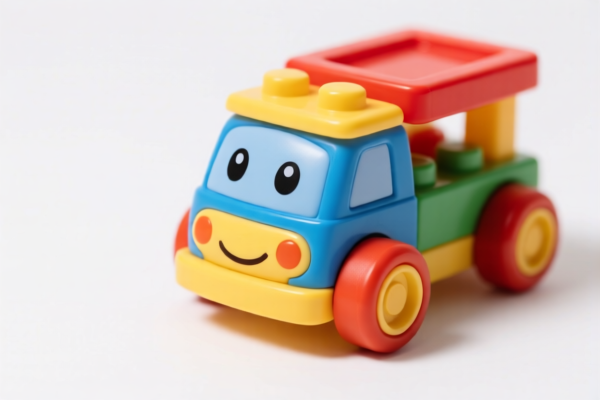
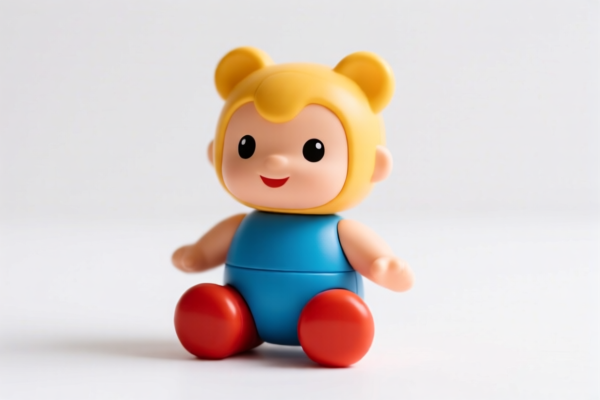
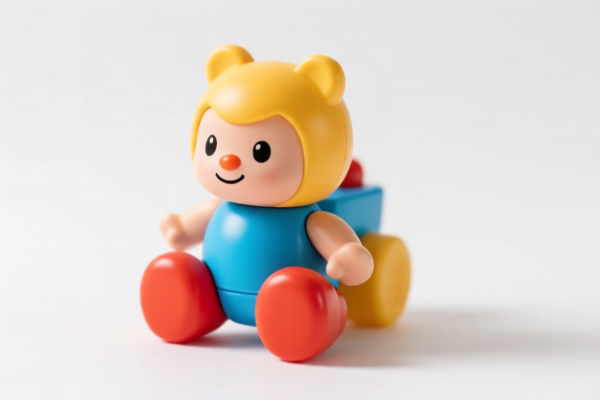
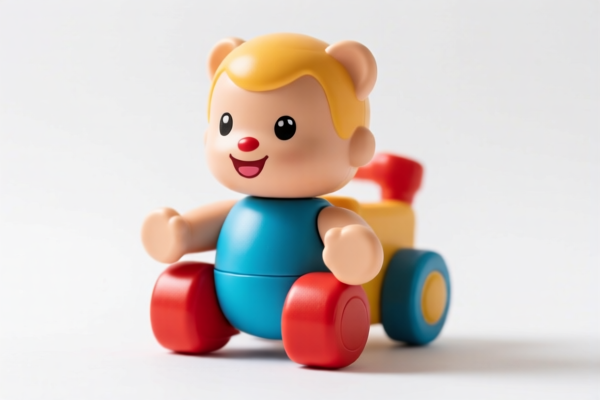
AI Analysis
🏠 Toy House (Playhouses & Models)
🌐 HS Code Reference & Customs Clearance Guide | 2026 Latest Tariff Analysis | Professional Clearance Strategy
📌 I. Product Definition & Classification: What Exactly is a "Toy House"?
A "Toy House" is a broad category in international trade that typically refers to items designed for children's play or model collecting. In customs classification, the distinction between a Toy and a Household Item/Furniture is critical, as it determines the duty rate.
1. Plastic/Cardboard Toy Houses:
These are usually playsets, dollhouses made of plastic, cardboard, or wood, intended for imaginative play. They fall under Chapter 95 (Toys).
2. Wooden/Plastic Model Kits:
Architectural models or assembled toy structures. These also fall under Chapter 95.
3. Furniture-Style Playhouses (e.g., Plastic Forts, Wooden Play Structures):
If the item is large enough to be considered "furniture" or is primarily constructed as a play structure for children, it may be classified under Chapter 94 (Furniture).
⚠️ Key Distinction Point:
- If it is a small-scale model, dollhouse, or general play item → Chapter 95 (Toys)
- If it is a large plastic/wooden structure resembling furniture (like a play fort or small table/chair set) → Chapter 94 (Furniture)
📦 II. HS Code Classification Details (2026 Latest Tariff Authority Cross-Reference)
Based on the provided data, here are the four possible classifications for "Toy House," depending on the specific material and nature of the product:
| HS Code | Product Description | Application Scenario | Material/Type |
|---|---|---|---|
9503.00.00.73 |
Toy houses classified under Toys & Models | General toy houses, likely plastic or cardboard | ✅ Plastic/Cardboard |
9503.00.00.71 |
Model/Building Toy Houses | Architectural models, building block sets, toy structures | ✅ General Toy/Model |
4421.99.98.80 |
Other Wooden Articles (Miscellaneous) | Wooden toy houses or structures, no conflict | ✅ Wood |
9403.70.80.31 |
Other Plastic Furniture & Parts | Plastic playhouses, small plastic furniture for kids | ✅ Plastic (Furniture-like) |
9403.89.60.03 |
Children's Furniture / Playpens | Wooden or mixed-material play structures, fences | ✅ Mixed/Furniture-like |
🔍 Key Reminder:
- Toys (9503) generally have lower base duties but are subject to specific Section 301/IEEPA tariffs. - Furniture/Wood (9403/4421) has higher base duties but similar additional tariffs in the US context. - Material is King: If it's wood, look at4421or9403. If it's plastic/toy-like, look at9503or9403.70.
💰 III. 2026 Latest Tariff Rate Breakdown (Including Additional Taxes)
✅ Applicable Country: United States (US)
✅ Origin: China (CN)
✅ Effective Date: From November 10, 2025 (including subsequent imports)
🎯 1. 9503.00.00.73 & 9503.00.00.71 —— Toy Houses (Plastic/Cardboard/Model)
| Item | Content |
|---|---|
| Base Duty Rate | 0.0% |
| USITC Additional Duty | 0.0% |
| Section 301 / IEEPA Duty | +10.0% (122 Provision Tariff) |
| Total Duty Rate | 10.0% |
| Tax Calculation | CIF Value × 10% |
| De Minimis Eligibility | ❌ No (Subject to high tariffs, likely exempt from Section 321 de minimis if value > $800 or specifically targeted) |
| Legal Basis Path | HS:9503.00.00 → USITC:9503.00.00.71/73 → FOOTNOTE:301/IEEPA 10% |
📌 Explanation:
- Toy houses (plastic/cardboard/model) are classified under Chapter 95. - The base duty is 0%, and there is no additional USITC duty for these specific subheadings. - However, the 10% IEEPA/Section 301 tariff applies to Chinese-origin toys. - Total Cost Impact: 10%. This is relatively low compared to furniture.
🎯 2. 4421.99.98.80 —— Wooden Toy House (Miscellaneous Wood Products)
| Item | Content |
|---|---|
| Base Duty Rate | 3.3% |
| USITC Additional Duty | +25.0% |
| Section 301 / IEEPA Duty | +10.0% (122 Provision Tariff) |
| Total Duty Rate | 38.3% |
| Tax Calculation | CIF Value × 38.3% |
| De Minimis Eligibility | ❌ No |
| Legal Basis Path | HS:4421.99.98.80 → USITC:4421.99.98.80 → FOOTNOTE:301/IEEPA |
📌 Explanation:
- If the toy house is made of wood and does not fit standard toy definitions (e.g., it's a decorative wooden structure or large playhouse), it falls under "Other Wooden Articles." - Base Duty: 3.3% - Additional Tariffs: 25% (Section 301) + 10% (IEEPA) = 35% additional. - Total: 38.3%. This is a significant cost increase compared to plastic toys.
🎯 3. 9403.70.80.31 —— Plastic Toy House (Plastic Furniture)
| Item | Content |
|---|---|
| Base Duty Rate | 0.0% |
| USITC Additional Duty | +25.0% |
| Section 301 / IEEPA Duty | +10.0% (122 Provision Tariff) |
| Total Duty Rate | 35.0% |
| Tax Calculation | CIF Value × 35.0% |
| De Minimis Eligibility | ❌ No |
| Legal Basis Path | HS:9403.70.80.31 → USITC:9403.70.80.31 → FOOTNOTE:301/IEEPA |
📌 Explanation:
- If the plastic toy house is considered "Plastic Furniture" (e.g., a small plastic chair/table set or a large play fort), it falls under Chapter 94. - Base Duty: 0% - Additional Tariffs: 25% (Section 301) + 10% (IEEPA) = 35% additional. - Total: 35.0%. This is much higher than the toy classification (10%).
🎯 4. 9403.89.60.03 —— Children's Furniture/Playpen (Mixed/Wooden)
| Item | Content |
|---|---|
| Base Duty Rate | 0.0% |
| USITC Additional Duty | +25.0% |
| Section 301 / IEEPA Duty | +10.0% (122 Provision Tariff) |
| Total Duty Rate | 35.0% |
| Tax Calculation | CIF Value × 35.0% |
| De Minimis Eligibility | ❌ No |
| Legal Basis Path | HS:9403.89.60.03 → USITC:9403.89.60.03 → FOOTNOTE:301/IEEPA |
📌 Explanation:
- This classification covers Children's Furniture or Playpens. - If your "Toy House" is large, structural, and intended for children to sit/play inside as a piece of furniture, it may be classified here. - Total: 35.0%. Same high tariff bracket as plastic furniture.
🛠️ IV. Customs Clearance Practical Advice (Real-World Pitfall Guide)
✅ 1. Preparation Checklist (Non-Negotiable)
| Document | Required | Explanation |
|---|---|---|
| ✅ Product Photos | ✔️ | Must show material, scale, and whether it's a "toy" or "furniture." |
| ✅ Material Declaration | ✔️ | Clearly state: "Plastic," "Cardboard," or "Wood." |
| ✅ Use Case Description | ✔️ | "For children's imaginative play" (Toys) vs. "Children's seating/storage" (Furniture). |
| ✅ Composition/Parts List | ✔️ | If assembled, list all parts to justify HS Code. |
| ✅ Commercial Invoice | ✔️ | Describe as "Plastic Toy House, Model XYZ" or "Wooden Play Structure." |
✅ 2. Declaration Strategy (Key Rules)
🔥 “Toy is 10%, Furniture is 35%+! Know your material and function!”
| Scenario | Correct Declaration | Wrong Declaration | Result |
|---|---|---|---|
| Small Plastic/Cardboard Dollhouse | 9503.00.00.71 or 73 |
9403.70.80.31 |
Save 25% Tax! |
| Large Plastic Play Fort (Furniture-like) | 9403.70.80.31 |
9503.00.00.71 |
Risk of reclassification + penalty |
| Wooden Toy House | 4421.99.98.80 |
9503.00.00.71 |
Tax Jump from 10% to 38.3%! |
| Children's Playpen/Fence | 9403.89.60.03 |
9503.00.00.71 |
Risk of reclassification |
✅ 3. Special Cases
| Case | Handling Advice |
|---|---|
| Mixed Material House (Wood + Plastic) | Declare based on essential character. If it's mostly plastic/toy-like, try 9503. If wood is structural, expect 4421/9403. |
| OEM Custom Design | Provide design files to prove it's a "toy" and not a piece of standard furniture. |
| Packaging as Display | If the box is part of the product, ensure the description matches the actual product inside. |
🌍 V. Global Market Comparison (2026 Latest)
| Country/Region | Recommended HS Code | Duty Rate (China Origin) | Notes |
|---|---|---|---|
| 🇺🇸 USA | 9503.00.00.71/73 |
10.0% | Best rate for toys. |
| 🇺🇸 USA | 9403.70.80.31 |
35.0% | High tariff for furniture. |
| 🇺🇸 USA | 4421.99.98.80 |
38.3% | Highest tariff for wood. |
| 🇨🇳 China | 9503.00.00 |
Varies (0-10%) | No Section 301 tariffs. |
| 🇪🇺 EU | 9503.00.00 |
6.8% | Standard toy duty. |
| 🇬🇧 UK | 9503.00.00 |
6.8% | Standard toy duty. |
📌 Conclusion:
- USA is the most costly market due to Section 301/IEEPA tariffs. - Toys (9503) are significantly cheaper (10%) than Furniture (9403, 35%) or Wood (4421, 38.3%). - Strategic Tip: Ensure your "Toy House" is clearly marketed and described as a toy (playset, dollhouse) rather than furniture to benefit from the 10% rate.
📌 VI. Common Errors & Pitfalls (Lessons Learned)
❌ Error 1: Declaring a Wooden Toy House as a Toy (9503)
👉 Consequence: If customs inspects and finds it's wood, they may reclassify to 4421.99.98.80 → Tax jumps from 10% to 38.3% + Penalties!
❌ Error 2: Declaring a Large Plastic Play Fort as a Toy (9503)
👉 Consequence: Customs may view it as "Plastic Furniture" → Tax jumps from 10% to 35% + Penalties!
❌ Error 3: Using vague descriptions like "House"
👉 Consequence: Customs cannot determine material or use → Delay in clearance, potential seizure.
✅ Correct Practice:
"Plastic Toy House, Model ABC, for Children's Play, 12x12 inches, No Electrical Components"
"Cardboard Dollhouse, Toy Grade, Flat Pack, for Ages 3+"
🎯 VII. Conclusion: Professional Declaration, Save Costs!
🎯 Remember the Mantra:
🔹 "Toys are 10%, Furniture is 35%, Wood is 38%!"
🔹 "Material Matters: Plastic/Cardboard = Toy (10%), Wood = Wood (38%)"
🔹 "Function Matters: Play = Toy (10%), Furniture = Furniture (35%)"
📌 Pro Tip:
- If your toy house is made of wood, consider if it can be classified as a toy (e.g., small scale, imaginative play) to aim for 9503. If not, accept the 38.3% rate.
- If it's plastic, ensure it's not too large or structured like furniture to avoid the 35% furniture tariff.
- Always apply for an Advance Ruling from US Customs if the product is ambiguous.
📣 Immediate Action:
📞 Contact a professional customs broker + Provide product images + Specify "Toy" vs. "Furniture" intent
🚀 Ensure smooth customs clearance, reduce tax burden, and maximize profit!
✨ Professional Clearance Starts with Accurate Classification!
💼 Every cent of your cost deserves precise calculation!
Customer Reviews
About HS Code Classification
The Harmonized System (HS) is an internationally standardized nomenclature developed by the World Customs Organization (WCO) to classify traded products. Over 200 countries use the HS system as the basis for customs tariffs, trade statistics, and import/export regulations.
Each HS code follows a hierarchical structure:
- Chapter (2 digits) — Broad category of goods (e.g., Chapter 84: Machinery and Mechanical Appliances)
- Heading (4 digits) — More specific grouping within the chapter
- Subheading (6 digits) — Internationally standardized breakdown, used by all WCO member countries
- National subdivisions (8-10 digits) — Country-specific extensions for further classification, such as US HTSUS 10-digit codes
Correct HS code classification is essential for smooth customs clearance, accurate duty payment, and compliance with trade regulations. Misclassification can lead to customs delays, overpayment of duties, or penalties.
When importing from CN to US, the applicable tariff rates may include:
- Most-Favored-Nation (MFN) rate — The standard duty rate applied to WTO members
- General rate — Applied to countries without trade agreements
- Trade remedy duties — Additional tariffs such as Section 301 (anti-dumping), Section 232 (national security), or countervailing duties
The information provided on this page is for reference purposes only. For official classification, please consult with your local customs authority or a licensed customs broker.