Toy Material Coating/Lamination
CN → US| HS Code | Tariff Rate | Origin | Destination | Doc |
|---|---|---|---|---|
| 3206491000 | 40.9% | CN | US | Official Doc |
| 3206496050 | 38.1% | CN | US | Official Doc |
| 3208100000 | 38.7% | CN | US | Official Doc |
| 3208900000 | 38.2% | CN | US | Official Doc |
Product Images

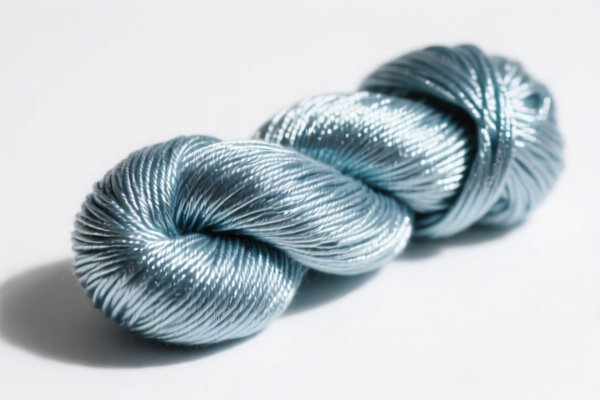
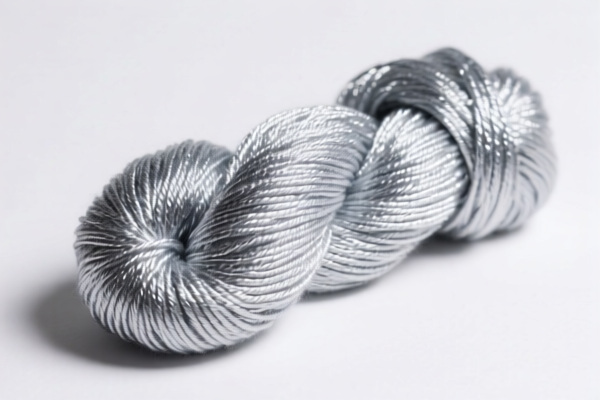
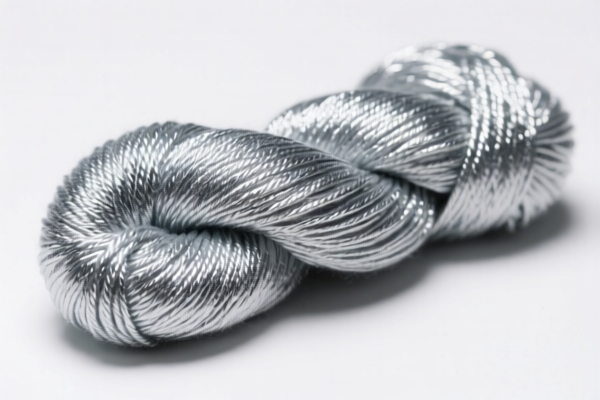
AI Analysis
🧸 Toy Material Coating / Lamination Materials
🌐 HS Code Reference & Customs Clearance Guide | 2026 Latest Tariff Analysis | Professional Clearance Strategy
📌 I. Product Definition & Classification: Understanding "Toy Coating/Lamination"
Toy coating and lamination materials are chemical formulations applied to plastic substrates to provide color, texture, metallic effects, or protective layers. These materials are typically categorized based on their chemical composition (e.g., pigments, synthetic polymers) and their specific application method.
Key Classification Criteria: 1. Pigment/Dye Preparations: Pre-mixed colorants or agents used for tinting. 2. Paints/Varnishes Based on Synthetic Polymers: Liquid coatings where the binder is a chemically modified polymer. 3. Other Chemical Coloring Agents: Specialized formulations that don't fit standard paint or pigment definitions.
⚠️ Critical Distinction:
- If the product is primarily a preparation of pigments/dyes for coloring plastics → Consider 3206.49.
- If the product is a synthetic polymer-based paint/varnish for coating → Consider 3208.
- The final HS Code depends on the primary function and chemical nature declared in the safety data sheet (SDS) and technical specifications.
📦 II. HS Code Classification Details (2026 Latest Tariff Authority Comparison)
| HS Code | Product Description | Application Scenario | Chemical Nature |
|---|---|---|---|
3206.49.10.00 |
Paints and varnishes and preparations based on Class 3 pigments, including those containing metallic oxides or mixed with metallic powders, of a kind used in the manufacture of toys | Metal-effect paints, metallic pigments for toy surfaces | Pigment preparation/Metallic oxide-based |
3206.49.60.50 |
Other paints and varnishes and preparations, other than those of heading 3208 or 3209 | Specialized chemical coloring agents, non-standard coatings | Other chemical preparations |
3208.10.00.00 |
Paints and varnishes based on polymers etherealized with acrylic or methacrylic acids | Acrylic-based coatings, standard synthetic polymer paints | Synthetic Polymer (Acrylic) |
3208.90.00.00 |
Paints and varnishes based on other polymers | Other synthetic polymer-based coatings, modified polymers | Synthetic Polymer (Other/Modified) |
🔍 Key Reminder:
-3206.49.10.00is specific to metallic pigment preparations. If your toy coating provides a metallic shine or contains metal oxides, this is the most precise code.
-3208.10.00.00and3208.90.00.00apply to standard liquid paints/varnishes where the binder is a synthetic polymer. Choose3208.10if it’s acrylic-based; choose3208.90for other synthetic polymers (e.g., polyurethane, vinyl).
-3206.49.60.50is a "catch-all" for other chemical coloring preparations that do not fit the pigment or paint definitions above.
💰 III. 2026 Latest Tariff Rate Breakdown (Including Surtaxes & Policy Add-ons)
✅ Applicable Country: United States (US)
✅ Origin: China (CN)
✅ Effective Date: From November 10, 2025 (including subsequent imports)
✅ Total Tax Rates: All codes above include Base Tariff + Section 301 Surtax (25%) + Section 122 Tariff (10%)
🎯 1. 3206.49.10.00 —— Metallic Pigment Preparations for Toys
| Item | Content |
|---|---|
| Base Tariff | 5.9% |
| Section 301 Surtax | +25.0% |
| Section 122 Tariff | +10.0% |
| Total Tax Rate | 40.9% |
| Tax Calculation | CIF Value × 40.9% |
| De Minimis Exemption | ❌ Not Eligible (deny_de_minimis) |
| Legal Basis Path | USITC:3206.49.10.00 → Footnote:301_Surtax → Footnote:122_Surtax |
📌 Explanation:
- This code attracts the highest base tariff among the options due to the specificity of "metallic pigment preparations."
- The 40.9% total rate is significant. Ensure your product truly fits the "metallic pigment/preparation" definition. If it's just a standard color paint, this code might be challenged, but the rate is fixed by regulation regardless.
🎯 2. 3206.49.60.50 —— Other Chemical Coloring Preparations
| Item | Content |
|---|---|
| Base Tariff | 3.1% |
| Section 301 Surtax | +25.0% |
| Section 122 Tariff | +10.0% |
| Total Tax Rate | 38.1% |
| Tax Calculation | CIF Value × 38.1% |
| De Minimis Exemption | ❌ Not Eligible (deny_de_minimis) |
| Legal Basis Path | USITC:3206.49.60.50 → Footnote:301_Surtax → Footnote:122_Surtax |
📌 Note:
- Lower base tariff (3.1%) compared to metallic pigments.
- Suitable for specialized chemical colorants that are not paints (no binder) nor standard pigments.
- Must be prepared carefully to avoid being misclassified as "paint" (3208).
🎯 3. 3208.10.00.00 —— Acrylic-Based Paints/Varnishes
| Item | Content |
|---|---|
| Base Tariff | 3.7% |
| Section 301 Surtax | +25.0% |
| Section 122 Tariff | +10.0% |
| Total Tax Rate | 38.7% |
| Tax Calculation | CIF Value × 38.7% |
| De Minimis Exemption | ❌ Not Eligible (deny_de_minimis) |
| Legal Basis Path | USITC:3208.10.00.00 → Footnote:301_Surtax → Footnote:122_Surtax |
📌 Explanation:
- Standard classification for acrylic-based coatings.
- Very common for toy surface finishes (glossy/matte finishes).
- Rate is slightly higher than3206.49.60.50due to a slightly higher base tariff (3.7%).
🎯 4. 3208.90.00.00 —— Other Synthetic Polymer-Based Paints/Varnishes
| Item | Content |
|---|---|
| Base Tariff | 3.2% |
| Section 301 Surtax | +25.0% |
| Section 122 Tariff | +10.0% |
| Total Tax Rate | 38.2% |
| Tax Calculation | CIF Value × 38.2% |
| De Minimis Exemption | ❌ Not Eligible (deny_de_minimis) |
| Legal Basis Path | USITC:3208.90.00.00 → Footnote:301_Surtax → Footnote:122_Surtax |
📌 Note:
- Best for coatings based on other synthetic polymers (e.g., polyurethane, epoxy, vinyl) not covered by3208.10.
- Offers the lowest total tax rate (38.2%) among the synthetic polymer paint categories.
- Ideal if your coating is a general-purpose synthetic polymer paint.
🛠️ IV. Customs Clearance Practical Advice (Battle-Tested Pitfall Guide)
✅ 1. Required Documentation Checklist (Non-negotiable)
| Document | Mandatory | Description |
|---|---|---|
| ✅ Safety Data Sheet (SDS) | ✔️ | Crucial: Must specify chemical composition, whether it contains metallic oxides, and polymer type. |
| ✅ Technical Data Sheet (TDS) | ✔️ | Details application method, curing time, and substrate compatibility. |
| ✅ Product Photos | ✔️ | Clear images of packaging, label, and product state (liquid/powder). |
| ✅ Commercial Invoice | ✔️ | Must clearly state: "Toy Coating Material" or "Synthetic Polymer Paint for Plastic Toys". Avoid vague terms like "Chemical". |
| ✅ Packing List | ✔️ | Net/Gross weight, volume, number of packages. |
| ✅ Certificate of Origin | ✔️ | Required for origin verification and surtax application. |
📌 Pro Tip:
- The SDS is the most important document for customs brokers to determine the correct HS Code. If the SDS says "Acrylic Resin," use3208.10. If it says "Metallic Pigment Paste," use3206.49.10.
✅ 2. Declaration Strategy (Key Mnemonics)
🔥 “Polymer Type Dictates Code, Metallic Pigments Need Special Care!”
| Scenario | Recommended HS Code | Why? |
|---|---|---|
| Metallic shine coating (contains metal powder/oxide) | 3206.49.10.00 |
Specific to metallic pigments. |
| Standard Acrylic Paint | 3208.10.00.00 |
Based on acrylic polymers. |
| PU/Vinyl/Other Polymer Paint | 3208.90.00.00 |
Based on other synthetic polymers (lowest paint base rate). |
| Special Chemical Colorant (non-paint, non-pigment) | 3206.49.60.50 |
Catch-all for other chemical preparations. |
✅ 3. Special Cases & Handling
| Case | Handling Advice |
|---|---|
| Mixed Container (Coating + Toy) | Do NOT mix. Coatings are subject to high tariffs and potential hazardous materials regulations. Toys may have different requirements. Declare separately. |
| Dry Powder vs. Liquid | Powdered pigments might fall under 3206 (pigments). Liquid paints fall under 3208. Check physical state. |
| Hazardous Materials | Many toy coatings contain VOCs. Ensure you have IATA/IMDG compliance if shipping by air/ocean. Declare correctly to avoid fines. |
| Pre-Cut Lamination Foils | If it’s a film, not a liquid coating, it might fall under 3920 (plastics). Confirm physical form. |
🌍 V. Global Market Comparison (2026 Latest)
| Country/Region | Recommended HS Code | Base Tariff (China) | Notes |
|---|---|---|---|
| 🇺🇸 USA | 3208.90.00.00 (Best for Paint) |
3.2% + 35% Surtax = 38.2% | High surtaxes apply to all categories. |
| 🇪🇺 EU | 3208.90 |
6.5% | No Section 301/122 surtaxes. CE/REACH compliance required. |
| 🇨🇳 China (Export) | 3208.90 |
0% | Standard export declaration. |
| 🇬🇧 UK | 3208.90 |
6.5% | Post-Brexit rules apply. |
📌 Conclusion:
- USA is the most expensive market due to Section 301 (25%) and Section 122 (10%) surtaxes.
-3208.90.00.00offers the most cost-effective base rate (3.2%) among paint categories.
-3206.49.10.00is necessary for metallic effects but carries a higher base rate (5.9%).
📌 VI. Common Errors & Pitfall Guide (Lessons Learned)
❌ Error 1: Declaring "Toy Paint" under 9503 (Toys)
👉 Consequence: Customs will reclassify to 3208/3206 + charge 38-41% tariff + penalty.
Fix: Always declare chemical products under their chemical heading (32xx).
❌ Error 2: Misclassifying Acrylic Paint as "Other Chemicals" (3824)
👉 Consequence: Potential audit, delayed clearance, or incorrect tax calculation.
Fix: If it’s a paint based on synthetic polymers, it must go to 3208.
❌ Error 3: Ignoring "Metallic Pigment" Definition for 3206.49.10
👉 Consequence: Underpayment of base tariff (5.9% vs 3.2%).
Fix: If the coating has a metallic finish due to metal content, use 3206.49.10.
❌ Error 4: Missing SDS
👉 Consequence: Customs cannot verify chemical composition → Hold for inspection → Demurrage charges.
Fix: Always include SDS with the shipment.
✅ Correct Declaration Example:
"Synthetic Polymer-Based Acrylic Paint for Toy Coating, Liquid Form, Non-Hazardous, Net Weight 10kg, HS Code 3208.10.00.00"
🎯 VII. Conclusion: Precision in Classification Saves Money!
🎯 Remember:
🔹 “Metallic Pigments = 3206.49.10 (40.9%)”
🔹 “Acrylic Paint = 3208.10 (38.7%)”
🔹 “Other Polymer Paint = 3208.90 (38.2%)”
🔹 “Special Chemical = 3206.49.60 (38.1%)”
📌 Tip:
If you can reformulate your coating to use non-metallic synthetic polymers (avoiding 3206.49.10), you can save 2.7% on the base tariff (38.2% vs 40.9%).
Always apply for an Advance Ruling if your product is unique.
📣 Immediate Action:
📞 Contact your customs broker with the SDS and Product Photos.
🚀 Ensure your Commercial Invoice matches the HS Code exactly.
💡 Save 2.7% by choosing the right polymer-based code!
✨ Professional Clearance Starts with Accurate Classification!
💼 Every Percentage Point Matters in International Trade!
Customer Reviews
About HS Code Classification
The Harmonized System (HS) is an internationally standardized nomenclature developed by the World Customs Organization (WCO) to classify traded products. Over 200 countries use the HS system as the basis for customs tariffs, trade statistics, and import/export regulations.
Each HS code follows a hierarchical structure:
- Chapter (2 digits) — Broad category of goods (e.g., Chapter 84: Machinery and Mechanical Appliances)
- Heading (4 digits) — More specific grouping within the chapter
- Subheading (6 digits) — Internationally standardized breakdown, used by all WCO member countries
- National subdivisions (8-10 digits) — Country-specific extensions for further classification, such as US HTSUS 10-digit codes
Correct HS code classification is essential for smooth customs clearance, accurate duty payment, and compliance with trade regulations. Misclassification can lead to customs delays, overpayment of duties, or penalties.
When importing from CN to US, the applicable tariff rates may include:
- Most-Favored-Nation (MFN) rate — The standard duty rate applied to WTO members
- General rate — Applied to countries without trade agreements
- Trade remedy duties — Additional tariffs such as Section 301 (anti-dumping), Section 232 (national security), or countervailing duties
The information provided on this page is for reference purposes only. For official classification, please consult with your local customs authority or a licensed customs broker.