Trailer Inflatable Rubber Tire
CN → US| HS Code | Tariff Rate | Origin | Destination | Doc |
|---|---|---|---|---|
| 4011500000 | 35.0% | CN | US | Official Doc |
| 4011908050 | 38.4% | CN | US | Official Doc |
| 4012124035 | 39.0% | CN | US | Official Doc |
| 4012118000 | 38.4% | CN | US | Official Doc |
| 8716801000 | 35.0% | CN | US | Official Doc |
Product Images
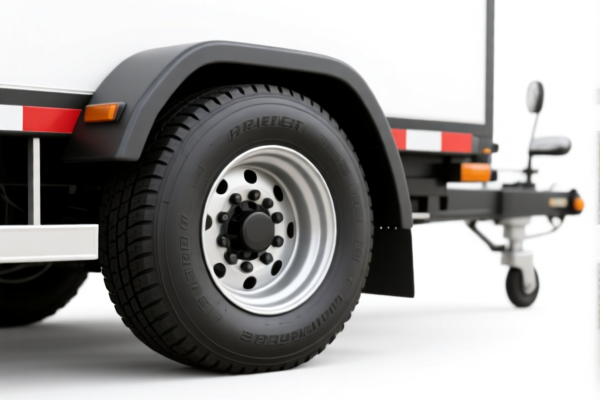
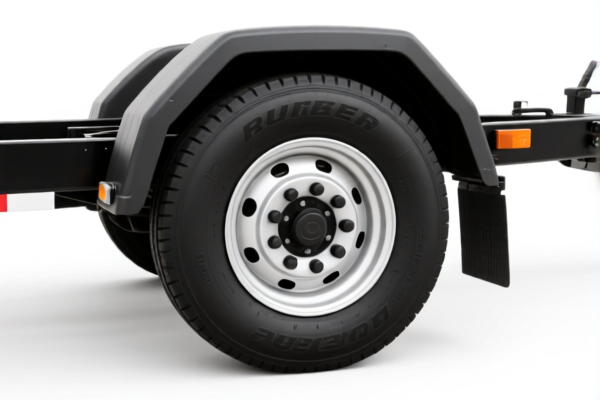
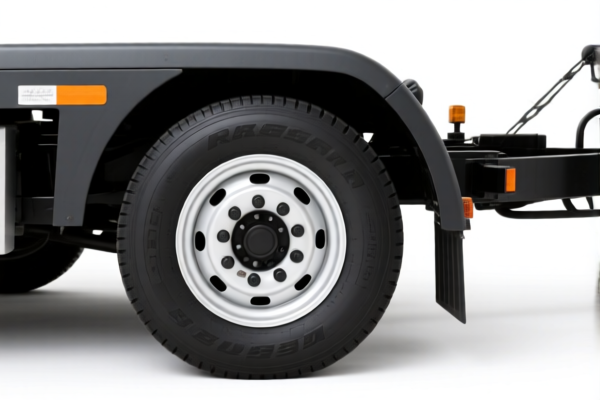
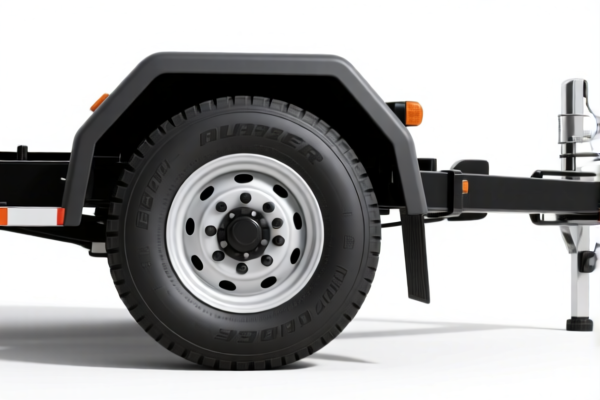
AI Analysis
🚜 Trailer Inflatable Rubber Tire (Trailer Tire)
🌐 HS Code Reference & Customs Clearance Guide | 2026 Latest Tariff Analysis | Professional Clearance Strategy
📌 I. Product Definition & Classification: Do You Really Understand "Trailer Tires"?
A Trailer Inflatable Rubber Tire is a critical rolling component for non-motorized vehicles (trailers, caravans, agricultural trailers). In international trade, classification depends heavily on whether the tire is new or used, and its specific material composition (e.g., natural rubber vs. synthetic).
⚠️ Key Distinction Points: - Used vs. New: Used tires often fall under different headings than new ones due to environmental and recycling regulations. - Material: The presence of Natural Rubber can trigger specific sub-headings. - Application: While "Trailer" is a specific use, if not explicitly detailed in the HS code structure, it may fall under "Other" or "Motor Vehicle" general categories depending on the exact design.
📦 II. HS Code Classification Details (2026 Latest Tariff Authority Mapping)
| HS Code | Product Description | Applicable Scenario | Key Classification Logic |
|--------|----------|--------------------------|
| 4011.50.00.00 | Used Pneumatic Rubber Tires (Natural Rubber) | Used trailer tires made primarily of natural rubber | ✅ Used + Natural Rubber + Pneumatic |
| 4011.90.80.50 | Used Pneumatic Rubber Tires (Other/General) | Used trailer tires where natural rubber content is mixed or undefined; "Other" fallback | ✅ Used + General (Fallback for "Other") |
| 4012.12.40.35 | Rubber Tires (Unspecified Use) | New tires where "Trailer" use is not explicitly stated; falls under "Other/Other" | ⚠️ New + Unspecified Use (Fallback for "Other") |
| 4012.11.80.00 | Rubber Tires (General/Other) | New tires without specific refurbishment or vehicle-type specification | ✅ New + General (Fallback for "Other") |
| 8716.80.10.00 | Trailers with Inflatable Rubber Tires | Complete Trailer Unit equipped with inflatable rubber tires | ✅ Vehicle Unit (Not just the tire) |
🔍 Critical Warning: - Used Tires (
4011): Often face higher scrutiny due to environmental policies. Ensure "Used" status is clearly declared. - New Tires (4012): If the tire is specifically for trailers, but the HS code doesn't have a dedicated "Trailer" sub-category, it falls under "Other". However, if the tire is designed for motor vehicles (including trailers pulled by vehicles),4011(New) is common. Note: The provided DATA suggests4012for unspecified uses. - Complete Trailer (8716): If you are importing the entire trailer with tires attached, use8716, NOT4011/4012. Do not ship tires and trailers together as separate HS codes in the same line item if they are sold as a unit.
💰 III. 2026 Latest Tariff Rate Breakdown (Including Surtaxes & Policy Add-ons)
✅ Applicable Country: United States (US)
✅ Origin: China (CN)
✅ Effective Date: November 10, 2025 onwards (including subsequent imports)
🎯 1. 4011.50.00.00 —— Used Natural Rubber Pneumatic Tires
| Item | Content |
|---|---|
| Base Tariff | 0% (ad valorem) |
| USITC Surcharge (Section 301) | +25% (From USITC Footnote 9903.88.01) |
| IEEPA Surcharge | +10% (Targeting China/HK products, effective from Nov 10, 2025) |
| Total Rate | 35.0% |
| Calculation Method | CIF Value × 35% |
| De Minimis Exemption? | ❌ NO (denied_de_minimis) |
| Legal Basis Path | IEEPA:9903.01.25 → IEEPA:9903.01.24 → USITC:4011.50.00.00 → FOOTNOTE:9903.88.01 |
📌 Explanation:
- Although the base tariff is 0%, the 35% total is significant.
- Used tires are subject to strict environmental controls. Ensure proper documentation proving they are used and not counterfeit "new-old-stock" disguised as used.
🎯 2. 4011.90.80.50 —— Used Pneumatic Tires (Other/Catch-All)
| Item | Content |
|---|---|
| Base Tariff | 3.4% |
| USITC Surcharge (Section 301) | +25% |
| IEEPA Surcharge | +10% |
| Total Rate | 38.4% |
| Calculation Method | CIF Value × 38.4% |
| De Minimis Exemption? | ❌ NO |
| Legal Basis Path | IEEPA:9901.25 → IEEPA:9903.01.24 → USITC:4011.90.80.50 → FOOTNOTE:9903.88.01 |
📌 Note:
- This code is a fallback for used tires that do not meet the specific "Natural Rubber" criteria of4011.50or are classified under "Other" pneumatic tires.
- The 3.4% base adds to the total, making it more expensive than4011.50by 3.4 percentage points.
🎯 3. 4012.12.40.35 —— Rubber Tires (Unspecified/New "Other")
| Item | Content |
|---|---|
| Base Tariff | 4.0% |
| USITC Surcharge (Section 301) | +25% |
| IEEPA Surcharge | +10% |
| Total Rate | 39.0% |
| Calculation Method | CIF Value × 39.0% |
| De Minimis Exemption? | ❌ NO |
| Legal Basis Path | IEEPA:9901.25 → IEEPA:9903.01.24 → USITC:4012.12.40.35 → FOOTNOTE:9903.88.01 |
📌 Warning:
- This code applies to new tires where the specific use (trailer vs. car) is not explicitly defined in the description, falling under "Other".
- Highest Base Rate among the options. Avoid this if possible by specifying "Trailer Tire" in the product description.
🎯 4. 4012.11.80.00 —— Rubber Tires (General/New "Other")
| Item | Content |
|---|---|
| Base Tariff | 3.4% |
| USITC Surcharge (Section 301) | +25% |
| IEEPA Surcharge | +10% |
| Total Rate | 38.4% |
| Calculation Method | CIF Value × 38.4% |
| De Minimis Exemption? | ❌ NO |
| Legal Basis Path | IEEPA:9901.25 → IEEPA:9903.01.24 → USITC:4012.11.80.00 → FOOTNOTE:9903.88.01 |
📌 Note:
- Similar to4011.90.80.50but for new tires.
- The 3.4% base is slightly better than4012.12(4.0%).
- Still subject to high surcharges.
🎯 5. 8716.80.10.00 —— Trailers with Inflatable Rubber Tires
| Item | Content |
|---|---|
| Base Tariff | 0% |
| USITC Surcharge (Section 301) | +25% |
| IEEPA Surcharge | +10% |
| Total Rate | 35.0% |
| Calculation Method | CIF Value × 35.0% |
| De Minimis Exemption? | ❌ NO |
| Legal Basis Path | IEEPA:9903.01.25 → IEEPA:9903.01.24 → USITC:8716.80.10.00 → FOOTNOTE:9903.88.01 |
📌 Crucial Distinction:
- This code is for the TRAILER ITSELF, not just the tire.
- If you import a complete trailer (chassis + wheels + tires), use this code.
- Do NOT use tire codes (4011/4012) for a complete trailer, as this is a classification error.
🛠️ IV. Customs Clearance Practical Advice (Actionable Pitfall Guide)
✅ 1. Required Documentation Checklist
| Document | Mandatory? | Notes |
|---|---|---|
| ✅ Commercial Invoice | ✔️ | Must clearly state: "Used/New Pneumatic Rubber Tire", Material (Natural/Synthetic), Quantity. |
| ✅ Packing List | ✔️ | Detail weight and dimensions. |
| ✅ Product Specification Sheet | ✔️ | Include tire size (e.g., 6.50R13LT), load index, speed rating. |
| ✅ Proof of Use (For Used Tires) | ✔️ | For 4011 codes, provide evidence it is used (e.g., photos of tread wear, manufacturing date >6 months ago). |
| ✅ Certificate of Origin (CO) | ✔️ | Essential for verifying China origin to apply/avoid surcharges correctly. |
| ✅ Third-Party Inspection Report | ✔️ | Recommended for new tires to verify quality and compliance with DOT standards (if applicable). |
✅ 2. Declaration Tips (Key Mnemonic)
🔥 "Used vs New, Material Matters, Don't Mix Trailer with Tire!"
| Scenario | Correct HS Code | Error to Avoid |
|---|---|---|
| Used Tire (Natural Rubber) | 4011.50.00.00 (35%) |
Misdeclaring as New → Penalty + Higher Duty |
| Used Tire (General/Other) | 4011.90.80.50 (38.4%) |
Using "New" description |
| New Tire (Unspecified Use) | 4012.12.40.35 (39%) |
Vague description "Rubber Tire" |
| New Tire (General) | 4012.11.80.00 (38.4%) |
Over-specifying if not needed |
| Complete Trailer | 8716.80.10.00 (35%) |
Shipping tire and trailer separately |
✅ 3. Special Considerations
| Situation | Handling Advice |
|---|---|
| OEM Trailer Tires | Specify "For Trailer Use" in description. If not specific, it may fall under "Other" (4012) with higher base rates. |
| Mixed Shipment | If shipping used and new tires together, declare separately. Do not combine under one HS code. |
| Natural Rubber Content | If >50% natural rubber, 4011.50 is preferred for used tires (lower base). Verify material composition. |
| DOT/ECE Markings | Ensure tires have proper safety markings. Lack of DOT may lead to seizure or refusal. |
🌍 V. Global Customs Comparison (2026 Latest)
| Country/Region | Recommended HS Code | Tariff Rate | Certification | Notes |
|---|---|---|---|---|
| 🇺🇸 USA | 4011.50.00.00 (Used) |
35% | DOT | High surcharges (35% total) |
| 🇺🇸 USA | 8716.80.10.00 (Trailer) |
35% | DOT | For complete trailer |
| 🇨🇳 China | 4011.50.00.00 |
~10-15% | CCC (if new) | Lower tariffs, no IEEPA |
| 🇪🇺 EU | 4011.50.00.00 |
0-4% | ECE R117 | No US-style surcharges |
| 🇯🇵 Japan | 4011.50.00.00 |
5-8% | JIS | No IEEPA surcharges |
📌 Conclusion: - The US market is the most expensive due to Section 301 (25%) + IEEPA (10%) surcharges. - Total tariff of 35-39% significantly impacts profitability. - Used tires face the same high rates as new tires in the US, plus potential environmental restrictions.
📌 VI. Common Mistakes & Pitfall Guide (Lessons Learned)
❌ Mistake 1: Declaring New Tires as Used to avoid surcharges
👉 Consequence: Customs inspection reveals new tread → Confiscation + Heavy Fines + Criminal Liability
❌ Mistake 2: Declaring Complete Trailer as Tires
👉 Consequence: Misclassification error → Delay + Additional Duties + Penalty
❌ Mistake 3: Vague Description "Rubber Tire"
👉 Consequence: Customs assigns "Other" (4012.12) with 39% rate automatically → Higher cost than necessary
❌ Mistake 4: Ignoring Natural Rubber content
👉 Consequence: Used tires with high natural rubber should use 4011.50 (0% base). Misclassifying leads to 3.4% base loss.
✅ Correct Practice:
"USED Pneumatic Rubber Tire, Size 6.50R13LT, Natural Rubber Content >50%, For Trailer Use, DOT Approved"
🎯 VII. Conclusion: Precision in Classification Saves Money!
🎯 Remember the Mnemonic:
🔹 "Used Natural Rubber: 35% Total; Used Other: 38.4%; New Other: 38.4-39%; Trailer Unit: 35%"
🔹 "HS Code Dictates Cost, 35% is the Floor, Misclassification is the Killer!"
📌 Pro Tip:
If your tires are originating from Vietnam, Mexico, or Thailand, you MAY apply for IEEPA Exemptions, reducing the total rate to 0-5%.
Recommend Advance Ruling from CBP (Customs and Border Protection) for high-value shipments to avoid clearance delays.
📣 Immediate Action:
📞 Contact a Licensed Customs Broker + Provide Product Specs + Apply for Pre-Ruling
🚀 Let your trailer tires Clear Smoothly, Export Efficiently, and Maximize Profits!
✨ Professional Clearance Starts with Accurate Classification!
💼 Every Cent of Cost Deserves to Be Calculated Precisely!
Customer Reviews
About HS Code Classification
The Harmonized System (HS) is an internationally standardized nomenclature developed by the World Customs Organization (WCO) to classify traded products. Over 200 countries use the HS system as the basis for customs tariffs, trade statistics, and import/export regulations.
Each HS code follows a hierarchical structure:
- Chapter (2 digits) — Broad category of goods (e.g., Chapter 84: Machinery and Mechanical Appliances)
- Heading (4 digits) — More specific grouping within the chapter
- Subheading (6 digits) — Internationally standardized breakdown, used by all WCO member countries
- National subdivisions (8-10 digits) — Country-specific extensions for further classification, such as US HTSUS 10-digit codes
Correct HS code classification is essential for smooth customs clearance, accurate duty payment, and compliance with trade regulations. Misclassification can lead to customs delays, overpayment of duties, or penalties.
When importing from CN to US, the applicable tariff rates may include:
- Most-Favored-Nation (MFN) rate — The standard duty rate applied to WTO members
- General rate — Applied to countries without trade agreements
- Trade remedy duties — Additional tariffs such as Section 301 (anti-dumping), Section 232 (national security), or countervailing duties
The information provided on this page is for reference purposes only. For official classification, please consult with your local customs authority or a licensed customs broker.