Training Eyelashes
CN → US| HS Code | Tariff Rate | Origin | Destination | Doc |
|---|---|---|---|---|
| 6704190000 | 17.5% | CN | US | Official Doc |
| 6704110000 | 17.5% | CN | US | Official Doc |
| 3926903500 | 16.5% | CN | US | Official Doc |
| 3926909989 | 22.8% | CN | US | Official Doc |
| 3304200000 | 35.0% | CN | US | Official Doc |
Product Images
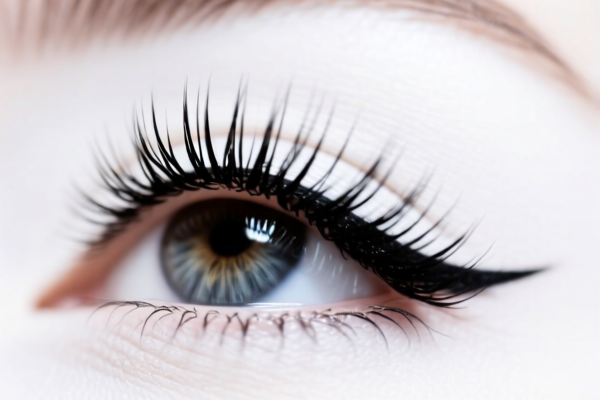
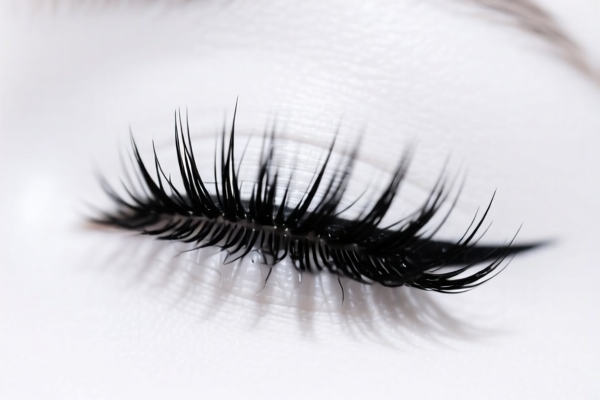
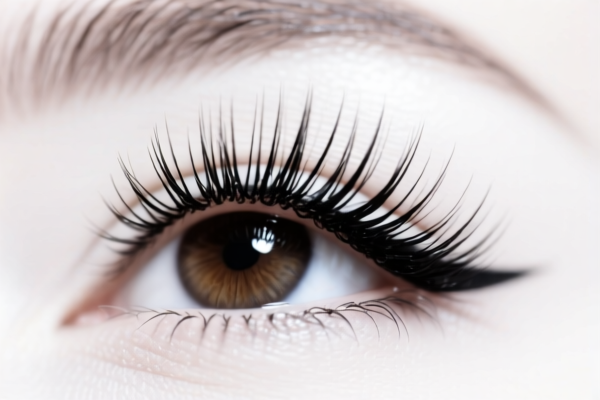
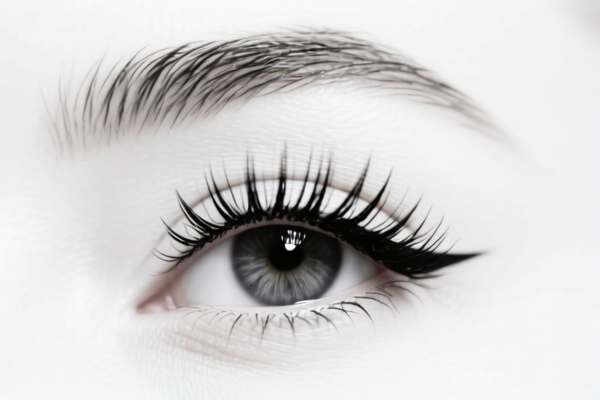
AI Analysis
🖥️ Training Eyelashes (Synthetic Fiber Eye Lash Extensions)
🌐 HS Code Reference & Customs Clearance Guide | 2026 Latest Tariff Analysis | Professional Clearance Strategy
📌 I. Product Definition & Classification: Do You Really Understand "Training Eyelashes"?
"Training Eyelashes" refer to synthetic fiber lash extensions specifically designed for practice, education, or aesthetic application. In international trade, their classification depends heavily on their material composition, functional purpose, and packaging status. They are generally categorized into three main groups:
- Textile/Accessory Type: Treated as false eyelashes accessories, made of synthetic fibers.
- Plastic/Decorative Type: Treated as plastic decorative articles or ornaments.
- Cosmetic/Cosmeceutical Type: If marketed and packaged as part of an eye makeup kit or cosmetic preparation.
⚠️ Key Distinction Point:
- If the product is clearly labeled as "practice lashes" for training purposes and lacks cosmetic branding, it may lean towards Textiles (Ch. 67) or Plastics (Ch. 39).
- If it is packaged as part of an eye makeup kit (with adhesive, applicators, and marketing as a cosmetic), it risks classification under Cosmetics (Ch. 33).
- Critical Note: Misclassification as cosmetics triggers significantly higher tariffs due to trade sanctions.
📦 II. HS Code Classification Details (2026 Latest Tariff Authority Comparison)
| HS Code | Product Description | Applicable Scenario | Material/Feature |
|---|---|---|---|
6704.19.00.00 |
Synthetic fiber false eyelashes; Other false eyelashes of synthetic material | General synthetic lash extensions for beauty/training | ✅ Synthetic Fiber (Non-woven/textile) |
6704.11.00.00 |
False eyelashes of synthetic fibers | Standard synthetic lashes, aligned with textile material classification | ✅ Synthetic Fiber (Textile category) |
3926.90.35.00 |
Plastic decorative articles; Synthetic fiber lashes classified as plastic decor | Lashes viewed as plastic ornamental items (less common) | ✅ Plastic/Synthetic Composite |
3926.90.99.89 |
Other plastic articles; Synthetic lashes under general plastic category | General plastic classification fallback | ✅ Plastic |
3304.20.00.00 |
Eye makeup preparations; Synthetic lashes classified as cosmetic articles | Lashes sold as part of a cosmetic kit or with cosmetic branding | ✅ Cosmetic/Cosmeceutical |
🔍 Key Reminder:
- Ch. 67 (Headwear/Plumes/Feathers) is the preferred classification for standalone false eyelashes made of synthetic fibers, as they are considered "prepared feathers" or "textile accessories." - Ch. 39 (Plastics) is a secondary option if the product is rigid or packaged as a decorative plastic item. - Ch. 33 (Cosmetics) is the highest risk category, attracting punitive tariffs. Avoid this unless explicitly marketed and regulated as a cosmetic preparation.
💰 III. 2026 Latest Tariff Rate Breakdown (Including Additional Taxes, Policy Surcharges)
✅ Applicable Country: United States (US)
✅ Origin: China (CN)
✅ Effective Time: 2025年11月10日起 (Including subsequent imports)
🎯 1. 6704.19.00.00 & 6704.11.00.00 —— Synthetic Fiber False Eyelashes (Textile Category)
| Item | Content |
|---|---|
| Base Duty Rate | 0% (ad valorem) |
| Section 301 Surcharge | +7.5% (USITC Section 301) |
| IEEPA Surcharge | +10% (针对中国产品, effective from Nov 10, 2025) |
| Total Duty Rate | 17.5% |
| Tax Calculation | CIF Value × 17.5% |
| De Minimis Eligibility | ❌ No (deny_de_minimis) |
| Legal Basis Path | USITC:6704.11.00.00/6704.19.00.00 → Section 301: 7.5% → IEEPA:10% |
📌 Explanation:
- This is the most common and favorable classification for training/synthetic lashes. - The 7.5% is the Section 301 tariff on many Chinese textiles and accessories. - The 10% is the IEEPA surcharge. - Total 17.5% is manageable for B2B training materials.
🎯 2. 3926.90.35.00 —— Plastic Decorative Articles
| Item | Content |
|---|---|
| Base Duty Rate | 6.5% |
| Section 301 Surcharge | 0.0% (Some plastic items are exempt or have lower 301 rates) |
| IEEPA Surcharge | +10% |
| Total Duty Rate | 16.5% |
| Tax Calculation | CIF Value × 16.5% |
| De Minimis Eligibility | ❌ No (deny_de_minimis) |
| Legal Basis Path | USITC:3926.90.35.00 → IEEPA:10% |
📌 Note:
- This classification is slightly lower than the textile category (16.5% vs 17.5%). - However, it requires strong justification that the lashes are decorative plastic items, not textile accessories. - Risk: US Customs may challenge this if the product is clearly a cosmetic/textile accessory.
🎯 3. 3926.90.99.89 —— Other Plastic Articles (Fallback)
| Item | Content |
|---|---|
| Base Duty Rate | 5.3% |
| Section 301 Surcharge | +7.5% |
| IEEPA Surcharge | +10% |
| Total Duty Rate | 22.8% |
| Tax Calculation | CIF Value × 22.8% |
| De Minimis Eligibility | ❌ No (deny_de_minimis) |
| Legal Basis Path | USITC:3926.90.99.89 → Section 301: 7.5% → IEEPA:10% |
📌 Caution:
- This is a high-risk fallback classification. - Total tariff is 22.8%, which is significantly higher than the preferred Ch. 67 classification. - Only use if specific product features justify a "general plastic" classification.
🎯 4. 3304.20.00.00 —— Eye Makeup Preparations (Cosmetic Category)
| Item | Content |
|---|---|
| Base Duty Rate | 0% |
| Section 301 Surcharge | +25.0% (High punitive tariff on cosmetics) |
| IEEPA Surcharge | +10% |
| Total Duty Rate | 35.0% |
| Tax Calculation | CIF Value × 35.0% |
| De Minimis Eligibility | ❌ No (deny_de_minimis) |
| Legal Basis Path | USITC:3304.20.00.00 → Section 301: 25% → IEEPA:10% |
📌 Warning:
- DO NOT USE this HS Code for training lashes unless they are explicitly branded and sold as a cosmetic product. - 35% total tariff is prohibitively high for price-sensitive training materials. - The 25% Section 301 surcharge on cosmetics is punitive.
🛠️ IV. Customs Clearance Practical Advice (Battle-Tested Pitfall Guide)
✅ 1. Required Documentation Checklist (Mandatory)
| Document | Must Provide | Description |
|---|---|---|
| ✅ Product Specifications | ✔️ | Material: 100% Synthetic Fiber (PBT/Polyester); Use: Training/Educational |
| ✅ Product Photos | ✔️ | Show lashes, packaging, and any "Training" or "Practice" labels |
| ✅ Commercial Invoice | ✔️ | Clearly state: "Synthetic Fiber False Eyelashes for Training/Educational Use" |
| ✅ Packing List | ✔️ | Detail quantities, weights, and volumes |
| ✅ Origin Certificate (CO) | ✔️ | If applicable, to verify country of origin |
| ✅ Declaration of Non-Cosmetic Use | ✔️ | Optional but recommended: "Not for retail cosmetic sale, intended for professional training" |
✅ 2. Declaration Tips (Key Mantra)
🔥 "Material First, Function Clear, Avoid Cosmetics, Save 17.5%!"
| Scenario | Correct Declaration | Wrong Practice |
|---|---|---|
| Synthetic lashes for training | 6704.11.00.00 / 6704.19.00.00 |
Mislabel as 3304.20.00.00 → 35% |
| Lashes with cosmetic packaging | 6704.xx (if standalone) |
Mislabel as Cosmetic → 35% |
| Plastic decorative lashes | 3926.90.35.00 |
Mislabel as General Plastic → 22.8% |
| Mixed shipment (lashes + makeup) | Separate HS Codes | Combined declaration → Risk of penalty |
✅ 3. Special Case Handling
| Scenario | Handling Advice |
|---|---|
| OEM Training Kits | Include a "Training Purpose" statement in the invoice. Avoid words like "Beauty Brand," "Makeup," "Cosmetic." |
| Lashes with Adhesive | Declare lashes and adhesive separately if possible. Adhesive may fall under 3506 or 3824, but lashes should be 6704. |
| Mixed Materials | If lashes are a mix of human and synthetic hair, classification becomes complex. Stick to 100% synthetic for simplicity. |
| Retail vs. Wholesale | For wholesale training materials, emphasize "B2B Educational Use" to avoid cosmetic scrutiny. |
🌍 V. Global Market Comparison (2026 Latest)
| Country/Region | Recommended HS Code | Tariff | Certification | Note |
|---|---|---|---|---|
| 🇺🇸 USA | 6704.11.00.00 / 6704.19.00.00 |
17.5% | None specific | Avoid 3304 (35%) |
| 🇨🇳 China | 6704.11.00.00 |
5% | None | Low duty for imports |
| 🇪🇺 EU | 6704.11.00.00 |
0% | CE (if cosmetic) | No Section 301 |
| 🇬🇧 UK | 6704.11.00.00 |
0% | UKCA | No punitive tariffs |
| 🇦🇺 Australia | 6704.11.00.00 |
5% | None | Competitive rate |
📌 Conclusion:
- USA is the most expensive market due to Section 301 + IEEPA. - EU/UK/Australia are significantly cheaper (0-5%) for the same classification. - Strategic Advice: If targeting the US, ensure strict compliance with6704classification to avoid the 35% cosmetic tariff.
📌 VI. Common Errors & Pitfall Guide (Lessons Learned)
❌ Error 1: Declaring synthetic lashes as "Cosmetics" (3304.20.00.00)
👉 Consequence: 35% tariff instead of 17.5% → Profit margin eroded!
❌ Error 2: Using "False Eyelashes" without specifying material
👉 Consequence: Customs may assign a default higher rate or request additional classification → Delay at border!
❌ Error 3: Including cosmetic packaging (e.g., branded boxes)
👉 Consequence: Risk of being classified as cosmetic → 35% tariff!
❌ Error 4: Failing to separate lashes from adhesives in mixed shipments
👉 Consequence: Complex duty calculation → Potential misdeclaration penalty!
✅ Correct Practice:
"Synthetic Fiber False Eyelashes for Professional Training/Educational Use, Model XYZ, 100% PBT Fiber, Non-Cosmetic"
🎯 VII. Conclusion: Precise Classification Saves Money!
🎯 Remember the Mantra:
🔹 "Lashes are Textiles (Ch. 67), Not Cosmetics (Ch. 33)!
🔹 17.5% vs 35%, That's the Difference!
🔹 "Train Clearly, Declare Accurately, Avoid the Cosmetic Trap!"
📌 Pro Tip:
- If your product is 100% synthetic fiber, always default to HS Code 6704.
- Provide clear product photos and material specifications in the declaration.
- Avoid cosmetic branding or makeup-related keywords in the invoice and packaging if possible.
📣 Immediate Action:
📞 Consult a licensed customs broker + Provide product samples + Apply for Pre-Ruling if uncertain
🚀 Ensure smooth customs clearance, cost control, and efficient supply chain!
✨ Professional Customs Clearance Starts with Accurate Classification!
💼 Every cent of duty saved is profit earned!
Customer Reviews
About HS Code Classification
The Harmonized System (HS) is an internationally standardized nomenclature developed by the World Customs Organization (WCO) to classify traded products. Over 200 countries use the HS system as the basis for customs tariffs, trade statistics, and import/export regulations.
Each HS code follows a hierarchical structure:
- Chapter (2 digits) — Broad category of goods (e.g., Chapter 84: Machinery and Mechanical Appliances)
- Heading (4 digits) — More specific grouping within the chapter
- Subheading (6 digits) — Internationally standardized breakdown, used by all WCO member countries
- National subdivisions (8-10 digits) — Country-specific extensions for further classification, such as US HTSUS 10-digit codes
Correct HS code classification is essential for smooth customs clearance, accurate duty payment, and compliance with trade regulations. Misclassification can lead to customs delays, overpayment of duties, or penalties.
When importing from CN to US, the applicable tariff rates may include:
- Most-Favored-Nation (MFN) rate — The standard duty rate applied to WTO members
- General rate — Applied to countries without trade agreements
- Trade remedy duties — Additional tariffs such as Section 301 (anti-dumping), Section 232 (national security), or countervailing duties
The information provided on this page is for reference purposes only. For official classification, please consult with your local customs authority or a licensed customs broker.