Training Mat
CN → US| HS Code | Tariff Rate | Origin | Destination | Doc |
|---|---|---|---|---|
| 6307908995 | 17.0% | CN | US | Official Doc |
| 6307909891 | 24.5% | CN | US | Official Doc |
| 3926909989 | 22.8% | CN | US | Official Doc |
| 9506996080 | 21.5% | CN | US | Official Doc |
| 9506114010 | 20.1% | CN | US | Official Doc |
Product Images
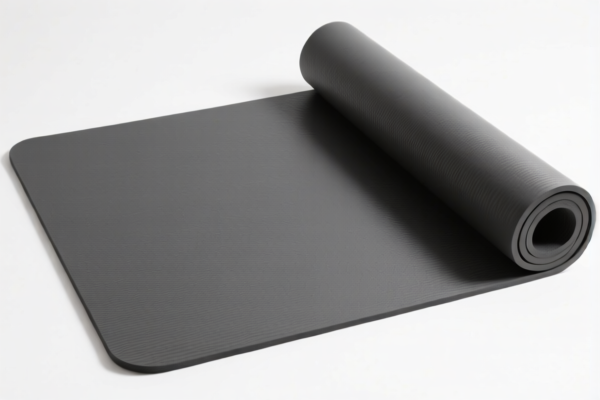

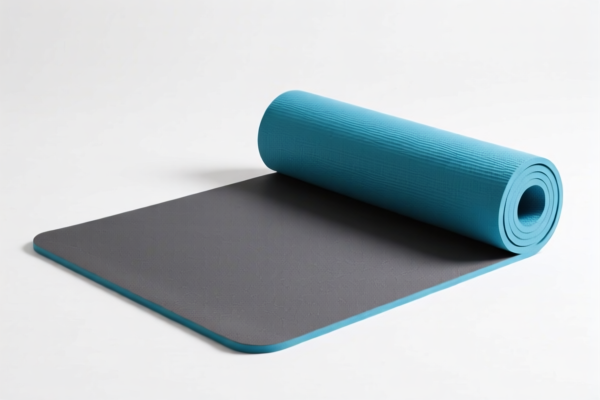

AI Analysis
🧘 Training Mat (Fitness & Rehabilitation Mats)
🌐 HS Code Reference & Customs Clearance Guide | 2026 Latest Tariff Analysis | Professional Clearance Strategy
📌 I. Product Definition & Classification: Do You Really Understand "Training Mats"?
A Training Mat is a versatile piece of equipment used in fitness, yoga, physical therapy, and martial arts. In international trade, its classification depends heavily on the material composition and the intended primary use. It is not a "one-size-fits-all" category; misclassification can lead to significant duty disparities.
Two Main Categories:
- Textile-Based Mats (Foam/Rubber-backed Fabric):
These are primarily made of textile materials (e.g., cotton, polyester) with backing. They fall under Chapter 63 (Other Made-Up Textile Articles). - Plastic/Synthetic Mats:
These are made entirely of plastics (e.g., PVC, TPE, EVA foam sheets) or synthetic fibers, often used as protective floor coverings. They fall under Chapter 39 (Plastics and Articles Thereof) or sometimes Chapter 95 (Sports Equipment) if deemed specific sporting goods.
⚠️ Key Distinction Point:
- If the mat is primarily textile fabric with foam/rubber backing → HS 6307
- If the mat is primarily plastic/polymer (PVC, TPE) → HS 3926
- If the mat is specifically designed as a sports accessory (e.g., yoga mat sold as a kit with resistance bands) → HS 9506
📦 II. HS Code Classification Details (2026 Latest Tariff Authority Cross-Reference)
| HS Code | Product Description | Application Scenario | Material Basis |
|---|---|---|---|
6307.90.89.95 |
Other made-up textile articles, not specified elsewhere | Yoga mats, gym mats with fabric surface and foam/rubber backing | ✅ Textile-dominated |
6307.90.98.91 |
Other made-up articles, generic "other" classification | Training blankets, heavy-duty textile covers | ✅ Textile-dominated |
3926.90.99.89 |
Other articles of plastics, not elsewhere specified | PVC yoga mats, TPE exercise mats, plastic floor protectors | ✅ Plastic-dominated |
9506.99.60.80 |
Articles and equipment for general physical exercise | Fitness training boards/mats classified as "other sporting appliances" | ✅ Sporting Good |
9506.11.40.10 |
Other skis and ski boards | Training boards used for skiing simulation (specialized) | ✅ Sports Specific |
🔍 Key Reminder:
- Textile vs. Plastic: Customs officers will inspect the material composition. If the surface is fabric, 6307 is preferred. If it's solid plastic/vinyl, 3926 applies. - Sports Intent: If the item is marketed and sold as part of a "sports kit" or explicitly labeled for athletic performance enhancement, 9506 may apply, but this is less common for standard mats.
💰 III. 2026 Latest Tariff Rate Breakdown (Including Surtaxes & Policy Add-ons)
✅ Applicable Country: USA (US)
✅ Origin: China (CN)
✅ Effective Date: Current rates (including Section 301 & Section 122 add-ons)
🎯 1. 6307.90.89.95 —— Other Made-Up Textile Articles
| Item | Content |
|---|---|
| Base Tariff | 7.0% (ad valorem) |
| Section 301 Surcharge | 7.5% |
| Section 122 Surcharge | 10.0% |
| Total Tariff Rate | 24.5% |
| Tax Calculation | CIF Value × 24.5% |
| De Minimis Eligibility | ❌ No (Section 301/122 goods are excluded) |
| Legal Path | HTS:6307.90.89.95 → Section 301: Footnote 4 → Section 122: Proclamation 10577 |
📌 Explanation:
- The 7.0% is the standard MFN duty for textile accessories. - The 7.5% is the Section 301 tariff (List 4B) applicable to many textile articles from China. - The 10% is the Section 122 tariff (Trade Facilitation and Enforcement Act), which applies to certain textile/apparel items to prevent transshipment. - Total: 24.5% is a moderate-to-high rate for textile goods.
🎯 2. 6307.90.98.91 —— Other Made-Up Articles (Generic Textile)
| Item | Content |
|---|---|
| Base Tariff | 7.0% |
| Section 301 Surcharge | 7.5% |
| Section 122 Surcharge | 10.0% |
| Total Tariff Rate | 24.5% |
| Tax Calculation | CIF Value × 24.5% |
| De Minimis Eligibility | ❌ No |
| Legal Path | HTS:6307.90.98.91 → Section 301: Footnote 4 → Section 122: Proclamation 10577 |
📌 Note:
- Same tariff structure as above. This code is a "catch-all" for textile items that don’t fit specific subheadings. Ensure the product description justifies this "other" classification.
🎯 3. 3926.90.99.89 —— Other Articles of Plastics
| Item | Content |
|---|---|
| Base Tariff | 5.3% |
| Section 301 Surcharge | 7.5% |
| Section 122 Surcharge | 10.0% |
| Total Tariff Rate | 22.8% |
| Tax Calculation | CIF Value × 22.8% |
| De Minimis Eligibility | ❌ No |
| Legal Path | HTS:3926.90.99.89 → Section 301: Footnote 4 → Section 122: Proclamation 10577 |
📌 Explanation:
- The 5.3% base rate is lower than textiles, but the total effective rate (22.8%) is still high. - Crucial: If your mat is PVC or TPE, this is the correct code. Do not force it into textile codes if it’s plastic, as customs may reclassify and penalize.
🎯 4. 9506.99.60.80 —— Sports Appliances (Training Board/Mat)
| Item | Content |
|---|---|
| Base Tariff | 4.0% |
| Section 301 Surcharge | 7.5% |
| Section 122 Surcharge | 10.0% |
| Total Tariff Rate | 21.5% |
| Tax Calculation | CIF Value × 21.5% |
| De Minimis Eligibility | ❌ No |
| Special Note | Steel, Aluminum, Copper products subject to additional 50% tariff (if applicable). For standard plastic/fabric mats, this 50% does not apply. |
| Legal Path | HTS:9506.99.60.80 → Section 301: Footnote 4 → Section 122: Proclamation 10577 |
📌 Explanation:
- Lowest Total Rate (21.5%) among the options. - Only applicable if the item is clearly defined as a "sports appliance" or "training device" (e.g., a rigid board or a specialized fitness mat marketed as equipment). - Warning: If it’s a soft, flexible yoga mat, customs may reject this code and force it back to 3926 or 6307.
🎯 5. 9506.11.40.10 —— Ski Training Boards
| Item | Content |
|---|---|
| Base Tariff | 2.6% |
| Section 301 Surcharge | 7.5% |
| Section 122 Surcharge | 10.0% |
| Total Tariff Rate | 20.1% |
| Tax Calculation | CIF Value × 20.1% |
| De Minimis Eligibility | ❌ No |
| Legal Path | HTS:9506.11.40.10 → Section 301: Footnote 4 → Section 122: Proclamation 10577 |
📌 Note:
- Lowest Total Rate (20.1%). - Strictly Limited: Only for ski training aids (e.g., balance boards for skiing simulation). Standard fitness mats cannot use this code. Misuse will result in penalties.
🛠️ IV. Customs Clearance Practical Advice (Real-World Pitfall Guide)
✅ 1. Documentation Checklist (Non-Negotiable)
| Document | Required | Explanation |
|---|---|---|
| ✅ Product Specification Sheet | ✔️ | Must detail material composition (e.g., "100% Polyester with TPE backing") |
| ✅ Material Breakdown | ✔️ | Crucial for deciding between HS 6307 (Textile) vs. 3926 (Plastic) |
| ✅ Product Photos | ✔️ | Show texture, thickness, and any branding |
| ✅ Commercial Invoice | ✔️ | Clearly state "Training Mat" or "Yoga Mat" and its primary use |
| ✅ Packing List | ✔️ | Include weight and dimensions |
| ✅ Proof of Origin | ✔️ | To confirm China origin (subject to surtaxes) |
✅ 2. Declaration Tips (Key Mantras)
🔥 "Material Dictates Code, Usage Defines Chapter, Be Specific to Save Money!"
| Scenario | Correct Declaration | Incorrect Action |
|---|---|---|
| Soft Yoga Mat (Fabric + Foam) | HS 6307.90.89.95 | Use HS 3926 → Risk of penalty |
| PVC/TPE Fitness Mat (All Plastic) | HS 3926.90.99.89 | Use HS 6307 → Misclassification |
| Rigid Training Board (Sports Equipment) | HS 9506.99.60.80 | Use HS 3926 → Higher tax (21.5% vs 22.8%) |
| Ski Balance Board | HS 9506.11.40.10 | Use generic HS → Missed savings |
✅ 3. Special Handling for Section 122 & 301
- Transshipment Risk: Section 122 tariffs target goods potentially transshipped via third countries. Ensure your Bill of Lading and Supplier Declaration clearly show the Country of Origin is China.
- De Minimis Loophole Closed: Since Section 301 and 122 goods are excluded from the $800 de minimis exemption, all shipments, regardless of value, are subject to the 21.5%–24.5% duty. Do not attempt to split shipments to under $800 to avoid duty; CBP actively monitors this.
🌍 V. Global Market Comparison (2026 Snapshot)
| Market | Recommended HS Code | Est. Duty Rate (China Origin) | Key Certifications | Notes |
|---|---|---|---|---|
| 🇺🇸 USA | 6307.90.89.95 / 3926.90.99.89 |
21.5% – 24.5% | CPC (for textiles), Prop 65 (for plastics) | High surtaxes apply. |
| 🇪🇺 EU | 6307.90.90 / 3926.90.99 |
0% – 3% | REACH, CE (if applicable) | No Section 301/122. Lower overall cost. |
| 🇨🇳 China | 6307.90.90 / 3926.90.99 |
5% – 7% | CCC (for some plastics) | Import duty only, no surtaxes. |
| 🇬🇧 UK | 6307.90.90 / 3926.90.99 |
0% – 3% | UKCA | Post-Brexit rules, generally low duty. |
📌 Conclusion:
- The USA is the most expensive market for Training Mats due to cumulative tariffs (Base + 301 + 122). - Material selection matters: Plastic mats (22.8%) are slightly cheaper than textile mats (24.5%) in the US. - Sports Equipment classification (9506) offers the lowest rate (20.1%–21.5%) but requires strict compliance with "sports equipment" definition.
📌 VI. Common Errors & Pitfalls (Lessons Learned)
❌ Error 1: Labeling a PVC Yoga Mat as a "Textile Mat"
👉 Consequence: CBP reclassifies to 3926, charges correct duty + penalties, and delays clearance.
❌ Error 2: Using HS 9506 for a standard, soft foam mat
👉 Consequence: Rejected as "not a sports appliance." Forced back to 3926 or 6307 (higher tax).
❌ Error 3: Ignoring Section 122
👉 Consequence: Under-declaring duty by omitting the 10% surtax. Results in severe penalties and potential revocation of import privileges.
❌ Error 4: Claiming De Minimis Exemption
👉 Consequence: Shipment held at border. CBP enforces full duty collection for Section 301/122 goods regardless of value.
✅ Correct Practice:
"PVC Exercise Yoga Mat, 6mm thickness, non-slip, Model Y-200, Origin China"
→ Use HS 3926.90.99.89 → Total Duty 22.8%"Cotton & Foam Yoga Mat with Rubber Backing, Model F-100, Origin China"
→ Use HS 6307.90.89.95 → Total Duty 24.5%
🎯 VII. Conclusion: Precision Classifies, Savings Follow!
🎯 Remember the Mantra:
🔹 "Textile is 6307, Plastic is 3926, Sports are 9506."
🔹 "Section 122 adds 10%, Section 301 adds 7.5%."
🔹 "De Minimis is Dead for China Goods."
📌 Pro Tip:
If you are shipping Sports Mats that can be argued as "Sports Appliances" (e.g., specialized balance boards, resistance training mats with unique features), fight for HS 9506. The 21.5% rate is 2–3% lower than the plastic/textile alternatives. Consult a customs broker with product samples to argue for this classification.
📣 Immediate Action:
📞 Contact a licensed customs broker
📤 Provide material composition details
🚀 Optimize your HS Code for Maximum Savings & Compliance
✨ Professional clearance starts with accurate classification!
💼 Your bottom line depends on the first 6 digits!
Customer Reviews
About HS Code Classification
The Harmonized System (HS) is an internationally standardized nomenclature developed by the World Customs Organization (WCO) to classify traded products. Over 200 countries use the HS system as the basis for customs tariffs, trade statistics, and import/export regulations.
Each HS code follows a hierarchical structure:
- Chapter (2 digits) — Broad category of goods (e.g., Chapter 84: Machinery and Mechanical Appliances)
- Heading (4 digits) — More specific grouping within the chapter
- Subheading (6 digits) — Internationally standardized breakdown, used by all WCO member countries
- National subdivisions (8-10 digits) — Country-specific extensions for further classification, such as US HTSUS 10-digit codes
Correct HS code classification is essential for smooth customs clearance, accurate duty payment, and compliance with trade regulations. Misclassification can lead to customs delays, overpayment of duties, or penalties.
When importing from CN to US, the applicable tariff rates may include:
- Most-Favored-Nation (MFN) rate — The standard duty rate applied to WTO members
- General rate — Applied to countries without trade agreements
- Trade remedy duties — Additional tariffs such as Section 301 (anti-dumping), Section 232 (national security), or countervailing duties
The information provided on this page is for reference purposes only. For official classification, please consult with your local customs authority or a licensed customs broker.