Training Rope
CN → US| HS Code | Tariff Rate | Origin | Destination | Doc |
|---|---|---|---|---|
| 7312107000 | 60.0% | CN | US | Official Doc |
| 5607493000 | 38.6% | CN | US | Official Doc |
| 7312105000 | 85.0% | CN | US | Official Doc |
| 5607909000 | 41.3% | CN | US | Official Doc |
| 9506910030 | 22.1% | CN | US | Official Doc |
Product Images
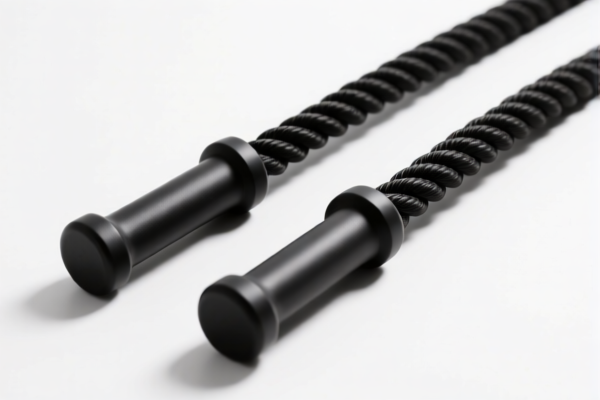
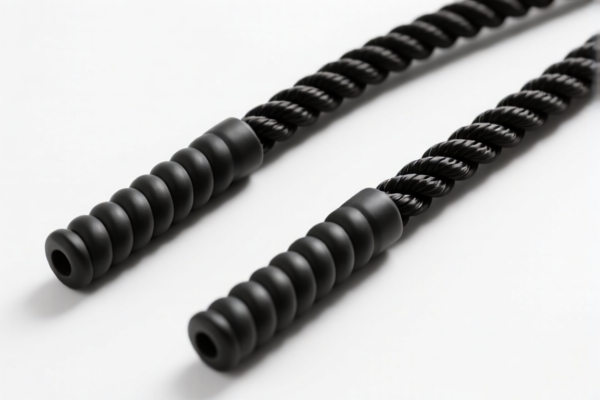
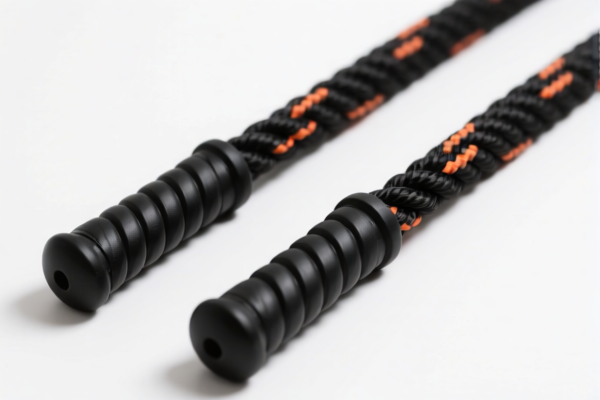
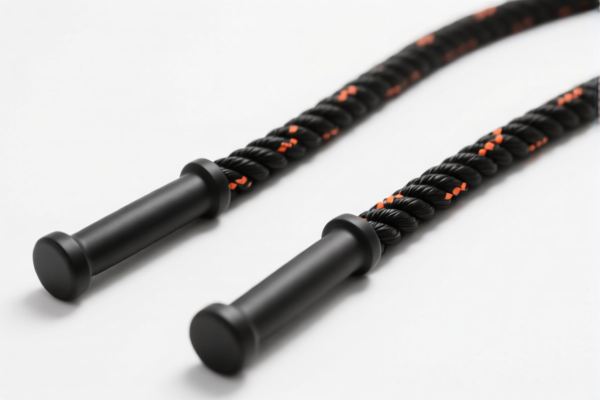
AI Analysis
🧗 Training Rope (Fitness & Tactical Cords)
🌐 HS Code Reference & Clearance Guide | 2026 Latest Tariff Analysis | Professional-Level Customs Strategy
📌 I. Product Definition & Classification: Do You Really Understand "Training Rope"?
Training Rope is a versatile essential gear used in fitness, tactical training, cross-fit, and industrial safety. In international trade, its classification depends heavily on material composition and intended use. It is generally categorized into three main groups:
- Steel/Metal Wire Ropes: Used for heavy-duty pulling, towing, or structural support in training rigs.
- Synthetic Fiber Ropes (Polypropylene/Polyester/PE): The most common type for fitness (battle ropes, suspension trainers), made from plastics.
- Sports Equipment (Specific Use): If specifically designed and marketed solely as gym equipment, it may fall under sports goods.
⚠️ Key Distinction Point:
- If the rope is metallic (steel) → It belongs to Chapter 73 (Articles of Iron or Steel).
- If the rope is synthetic fiber (plastic-based) → It belongs to Chapter 56 (Battedings, felt, and nonwovens; rope, cables, and plaited products).
- If it is a finished sports article (with handles, specific grips) → It might qualify under Chapter 95 (Toys and games, sports goods).
📦 II. HS Code Classification Details (2026 Latest Tariff Authority Comparison)
| HS Code | Product Description | Application Scenario | Material | Tax Rate (Total) |
|---|---|---|---|---|
7312.10.70.00 |
Other wire ropes and cables, of iron or steel, not fitted with fittings | Heavy-duty steel cables, towing ropes, non-spring steel ropes | Steel (Iron/Steel) | 60.0% |
5607.49.30.00 |
Other ropes and cables, of synthetic fibers, not being elastic or rubber | Polypropylene/Polyethylene ropes, battle ropes, suspension cords | Synthetic (PE/PP) | 38.6% |
7312.10.50.00 |
Wire ropes and cables, of stainless steel, with or without fittings | Stainless steel safety cables, marine-grade training ropes | Stainless Steel | 85.0% |
5607.90.90.00 |
Other ropes and plaited products, of other textile materials | General purpose synthetic/nylon ropes,兜底 (Fallback) for other fibers | Mixed/Synthetic | 41.3% |
9506.91.00.30 |
Other goods for general physical exercise, calisthenics, or athletics | Finished fitness ropes with handles, specific gym equipment | Nylon/Cotton/Metal mix | 22.1% |
🔍 Key Reminder:
- Steel ropes (7312) attract significantly higher tariffs due to Section 232 (Steel/Aluminum) and Section 301 measures.
- Synthetic ropes (5607) are subject to Section 301 but usually have lower base duties than steel.
- Sports Goods (9506) offer the lowest total tax burden but require strict proof of "sports equipment" status (e.g., specific handles, packaging, marketing).
💰 III. 2026 Latest Tariff Rate Breakdown (Including Surcharges & Policy Add-ons)
✅ Applicable Country: United States (US)
✅ Origin: China (CN)
✅ Effective Date: From November 10, 2025 (including subsequent imports)
🎯 1. 7312.10.70.00 —— Steel Wire Ropes (Non-Stainless, No Fittings)
| Item | Content |
|---|---|
| Base Tariff | 0% |
| Section 301 (Trade War) | +25% |
| Section 232 (Steel/Aluminum) | +50% (Note: Some steel items may be exempt or subject to different rules, but generally 50% applies to specific steel products under Section 232) |
| IEEPA (China Specific) | +10% |
| Total Rate | 60.0% |
| Tax Calculation | CIF Value × 60% |
| De Minimis Exemption? | ❌ Not Eligible (deny_de_minimis) |
| Legal Basis Path | IEEPA:9903.01.25 → IEEPA:9903.01.24 → USITC:7312.10.70.00 → FOOTNOTE:232 |
📌 Explanation:
- Section 232 (50%): This is a critical pain point for steel products. Even if the base duty is 0%, the 232 surcharge is massive.
- Section 301 (25%): Standard trade war tariff on Chinese goods.
- IEEPA (10%): Additional surcharge for China origin.
- Total 60%: Extremely high cost. Must be carefully evaluated.
🎯 2. 5607.49.30.00 —— Synthetic Fiber Ropes (PE/PP)
| Item | Content |
|---|---|
| Base Tariff | 3.6% |
| Section 301 (Trade War) | +25% |
| IEEPA (China Specific) | +10% |
| Total Rate | 38.6% |
| Tax Calculation | CIF Value × 38.6% |
| De Minimis Exemption? | ❌ Not Eligible (deny_de_minimis) |
| Legal Basis Path | IEEPA:9901.25 → IEEPA:9903.01.24 → USITC:5607.49.30.00 |
📌 Note:
- No Section 232 tax because it’s not steel.
- Still subject to Section 301 and IEEPA.
- Lower than steel, but still a significant cost.
🎯 3. 7312.10.50.00 —— Stainless Steel Ropes
| Item | Content |
|---|---|
| Base Tariff | 0% |
| Section 301 (Trade War) | +25% |
| Section 232 (Steel/Aluminum) | +50% |
| IEEPA (China Specific) | +10% |
| Total Rate | 85.0% |
| Tax Calculation | CIF Value × 85.0% |
| De Minimis Exemption? | ❌ Not Eligible (deny_de_minimis) |
| Legal Basis Path | IEEPA:9903.01.25 → IEEPA:9903.01.24 → USITC:7312.10.50.00 → FOOTNOTE:232 |
📌 Warning:
- Stainless steel is still "steel" under Section 232.
- 85% Total Tax is prohibitive for most commercial imports.
- Only viable for high-value niche markets.
🎯 4. 5607.90.90.00 —— Other Synthetic Ropes (Fallback)
| Item | Content |
|---|---|
| Base Tariff | 6.3% |
| Section 301 (Trade War) | +25% |
| IEEPA (China Specific) | +10% |
| Total Rate | 41.3% |
| Tax Calculation | CIF Value × 41.3% |
| De Minimis Exemption? | ❌ Not Eligible (deny_de_minimis) |
| Legal Basis Path | IEEPA:9901.25 → IEEPA:9903.01.24 → USITC:5607.90.90.00 |
📌 Note:
- This is the "catch-all" for synthetic ropes not specifically listed as PE/PP.
- Slightly higher base rate than PE/PP (5607.49.30.00).
🎯 5. 9506.91.00.30 —— Sports Goods (Fitness Ropes)
| Item | Content |
|---|---|
| Base Tariff | 4.6% |
| Section 301 (Trade War) | +7.5% |
| Section 232 (If mixed material) | +10% (Note: 232 may apply if steel components are significant, but often sports goods are exempt or lower) |
| IEEPA (China Specific) | +10% |
| Total Rate | 22.1% |
| Tax Calculation | CIF Value × 22.1% |
| De Minimis Exemption? | ❌ Not Eligible (deny_de_minimis) |
| Legal Basis Path | IEEPA:9901.25 → IEEPA:9903.01.24 → USITC:9506.91.00.30 |
📌 Strategic Advantage:
- Lowest Total Tax (22.1%).
- Requires the rope to be finished sports equipment (e.g., with handles, specific gym packaging, marketed as "Battle Ropes" or "Pulling Cords" for gyms).
- Not raw industrial cables or general-purpose ropes.
🛠️ IV. Customs Clearance Practical Advice (Real-World Pitfall Guide)
✅ 1. Documentation Checklist (All Required)
| Document | Mandatory? | Description |
|---|---|---|
| ✅ Product Specification Sheet | ✔️ | Include material (Steel/PE/Nylon), diameter, length, weight, breaking strength. |
| ✅ Product Photos (with Labels) | ✔️ | Show handles, coatings, branding, and any "Fitness" logos. |
| ✅ Commercial Invoice | ✔️ | Must clearly state "Training Rope for Fitness Use" or "Steel Wire Rope for Structural Use". Avoid vague terms like "Cable". |
| ✅ Packing List | ✔️ | Detail contents per box. Avoid mixing steel and synthetic ropes in one shipment if possible. |
| ✅ Certificate of Origin (CO) | ✔️ | If non-China origin, may reduce Section 301/IEEPA taxes. |
| ✅ Third-Party Test Report | ✔️ | For 9506, provide evidence of sports equipment classification (e.g., brand catalog, marketing material). |
✅ 2. Declaration Tips (Key Mantra)
🔥 "Material Defines Chapter, Use Defines Rate, Finish Defines Benefit!"
| Scenario | Correct HS Code | Mistake to Avoid |
|---|---|---|
| Raw Steel Cable (No handles, industrial look) | 7312.10.70.00 |
Misdeclare as "Rope" → Penalty for misclassification. |
| Battle Ropes with Handles (Gym use) | 9506.91.00.30 |
Declare as "Synthetic Rope" (5607) → Pay 38.6% instead of 22.1%. |
| Polypropylene Rope (General use) | 5607.49.30.00 |
Declare as "Steel Rope" → Pay 60%+ unnecessarily. |
| Stainless Steel Cable | 7312.10.50.00 |
Assume "Stainless" is exempt from 232 → WRONG. Still 85%. |
| Rope with Metal Ends (Fittings) | Check 7312 vs 5607 |
If fittings are steel, entire item may be classified under 7312. |
✅ 3. Special Situation Handling
| Situation | Handling Advice |
|---|---|
| OEM Fitness Ropes | Provide client’s design docs showing "Gym Equipment" branding. Helps with 9506. |
| Mixed Materials (e.g., Steel Core + Nylon Cover) | Usually classified under the core material (7312 for steel core). |
| Rope for Military/Tactical Use | May still be 5607 or 7312. Avoid 9506 unless explicitly for civilian sports. |
| Small Quantity for Sample | Still subject to tariffs. De Minimis (Section 321) is denied for China-origin goods under 301/232. |
🌍 V. Global Market Clearance Comparison (2026 Latest)
| Country/Region | Recommended HS Code | Tariff (China Origin) | Certification | Notes |
|---|---|---|---|---|
| 🇺🇸 USA | 9506.91.00.30 (if sports) |
22.1% (Sports) / 38.6-85% (Ropes) | FCC/UL (if electrical), but mostly no special certs | Highest Risk: Steel/232 taxes. |
| 🇨🇳 China | 5607.49.30.00 |
6.3% | None | Low import duty, no extra surcharges. |
| 🇪🇺 EU | 5607.49.30.00 |
0-4% | CE (if safety equipment) | No Section 301/232 equivalent. |
| 🇦🇺 Australia | 5607.49.30.00 |
5% | None | Moderate duty. |
| 🇯🇵 Japan | 5607.49.30.00 |
0-3% | PSE (if applicable) | Low duty. |
📌 Conclusion:
- USA is the most expensive market due to Section 301 and 232.
- Europe/Asia have no such punitive tariffs.
- Strategy for USA: Try to classify as Sports Goods (9506) if the product is finished for fitness. Otherwise, synthetic ropes (5607) are cheaper than steel (7312).
📌 VI. Common Errors & Pitfall Guide (Blood Lessons)
❌ Mistake 1: Declaring "Steel Wire Rope" as "Synthetic Rope" to avoid 232 tax.
👉 Consequence: Customs inspection reveals steel core → Heavy Fine + Back Taxes + Possible Fraud Charges.
❌ Mistake 2: Declaring "Battle Ropes" as "Steel Ropes" because they have steel handles.
👉 Consequence: If the core is synthetic, it may still be 5607. But if steel handles are significant, it might be 7312 → 22% vs 60% difference.
❌ Mistake 3: Ignoring Section 232 on Stainless Steel.
👉 Consequence: Assuming "Stainless" is exempt → 85% Tax Hit.
❌ Mistake 4: Using De Minimis (Section 321) for China-Origin Ropes.
👉 Consequence: Seizure. Section 321 is explicitly denied for China-origin goods under 301/232.
✅ Correct Practice:
"Fitness Battle Rope, 1.5 inch, 30 ft, Synthetic Core with Nylon Cover, Includes Handles, Packaged for Gym Use"
🎯 VII. Conclusion: Professional Declaration, Save Costs, Enhance Efficiency!
🎯 Remember the Mantra:
🔹 "Steel = 232 + 301 (High Tax)! Synthetic = 301 (Medium Tax)! Sports = 301 + IEEPA (Low Tax)!"
🔹 "HS Code Determines Life, Tax Rate Differs by 25 Points, One Mistake Costs Thousands!"
📌 Pro Tip:
If your Training Rope is originating from Vietnam, Mexico, Thailand, or Malaysia, you may exempt Section 301 and 232, reducing taxes to 0-5%.
Recommendation: Apply for Advance Ruling (Pro Ruling) from CBP before shipping to the USA.
📣 Call to Action:
📞 Contact a Professional Customs Broker + Provide Product Photos + Apply for HS Code Advance Ruling
🚀 Let Your Training Rope Clear Customs Smoothly, Export Efficiently, and Double Profits!
✨ Professional Clearance Starts with Accurate Classification!
💼 Every Penny of Your Cost Deserves Precise Calculation!
Customer Reviews
About HS Code Classification
The Harmonized System (HS) is an internationally standardized nomenclature developed by the World Customs Organization (WCO) to classify traded products. Over 200 countries use the HS system as the basis for customs tariffs, trade statistics, and import/export regulations.
Each HS code follows a hierarchical structure:
- Chapter (2 digits) — Broad category of goods (e.g., Chapter 84: Machinery and Mechanical Appliances)
- Heading (4 digits) — More specific grouping within the chapter
- Subheading (6 digits) — Internationally standardized breakdown, used by all WCO member countries
- National subdivisions (8-10 digits) — Country-specific extensions for further classification, such as US HTSUS 10-digit codes
Correct HS code classification is essential for smooth customs clearance, accurate duty payment, and compliance with trade regulations. Misclassification can lead to customs delays, overpayment of duties, or penalties.
When importing from CN to US, the applicable tariff rates may include:
- Most-Favored-Nation (MFN) rate — The standard duty rate applied to WTO members
- General rate — Applied to countries without trade agreements
- Trade remedy duties — Additional tariffs such as Section 301 (anti-dumping), Section 232 (national security), or countervailing duties
The information provided on this page is for reference purposes only. For official classification, please consult with your local customs authority or a licensed customs broker.