Training Tools
CN → US| HS Code | Tariff Rate | Origin | Destination | Doc |
|---|---|---|---|---|
| 9506910010 | 22.1% | CN | US | Official Doc |
| 9506910030 | 22.1% | CN | US | Official Doc |
| 3926203000 | 38.0% | CN | US | Official Doc |
| 9503000090 | 10.0% | CN | US | Official Doc |
| 9506910010 | 22.1% | CN | US | Official Doc |
Product Images
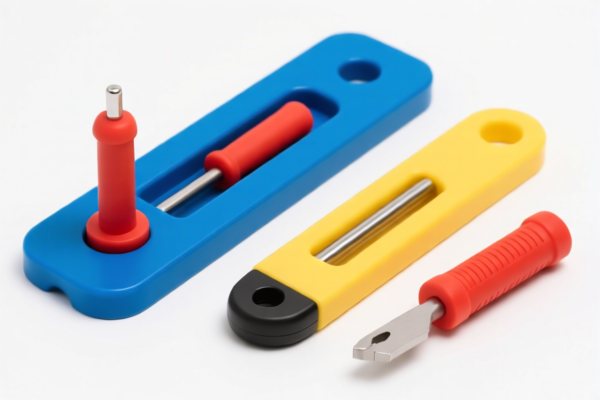


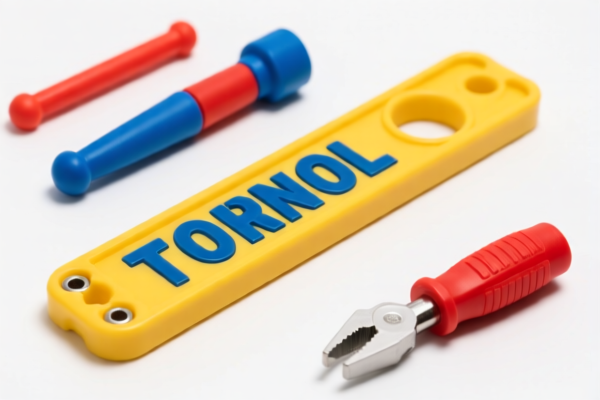
AI Analysis
🏋️ Training Tools: HS Code Classification & US Customs Clearance Guide (2026)
🌐 HS Code Reference & Clearance Strategy | Latest Tariff Analysis | Professional Compliance
Training Tools (often referred to as Fitness Equipment, General Exercise Apparatus, or Sports Accessories) are a broad category in international trade. Their classification depends heavily on material composition, specific function, and whether they are considered "Toys" vs. "Professional Equipment."
Based on the provided dataset, here is the detailed breakdown for US Customs clearance.
📦 一、HS Code Classification Matrix
The following HS Codes are derived directly from the provided data. Note that 9506.91.00.10 appears twice with identical tax details, representing the primary category for general fitness equipment.
| HS Code | Product Description & Scope | Primary Material/Type | Total Tax Rate |
|---|---|---|---|
| 9506.91.00.10 | General Fitness Equipment / Training Apparatus General exercise equipment matching the function of items under heading 9506.91. |
Metal/Composite (Steel, Aluminum, Copper) |
22.1% |
| 9506.91.00.30 | General Sports/Fitness Gear Falls under "Other" for general sports/gymnastics/athletic goods. |
General / Multi-material | 22.1% |
| 3926.20.30.00 | Ball Training Equipment Training accessories often made of plastic. |
Plastic | 38.0% |
| 9503.00.00.90 | Ball Training Equipment (Toy Category) Classified under Toys/Sports Accessories not otherwise specified. |
Plastic/General | 10.0% |
⚠️ Critical Note:
- 9506.91.00.10 is the most common code for professional-grade gym equipment (treadmills, weight machines, free weights).
- 9503.00.00.90 is often used for simpler, toy-like training balls or accessories, resulting in significantly lower tariffs.
- 3926.20.30.00 applies specifically to plastic-based training tools (e.g., plastic agility ladders, plastic balls), which face the highest tariffs in this dataset.
💰 二、2026 US Tariff Structure Detailed Breakdown
✅ Applicable Market: United States (US)
✅ Origin: China (CN)
✅ Effective Date: Tariffs apply to imports from China.
🎯 1. General Fitness Equipment (9506.91.00.10 & 9506.91.00.30)
| Item | Detail |
|---|---|
| Base Tariff | 4.6% (General ad valorem) |
| Section 301 Tariff | 7.5% (Added under US Trade Act Section 301) |
| 122 Clause Tariff | 10% (Specific regulatory addition) |
| Section 232 Tariff | 50% (Applied ONLY if the item contains Steel, Aluminum, or Copper) |
| Total Tax Rate | 22.1% (Without metal components) 72.1% (With Steel/Aluminum/Copper components) |
📌 Explanation:
- The base rate is 4.6%.
- The "301 Tariff" adds 7.5%.
- The "122 Clause" adds 10%.
- Crucial: If your training tool contains structural metal parts (steel weights, aluminum frames, copper wiring), the Section 232 tariff of 50% may apply to the metal component or the whole item, depending on customs interpretation. This can spike the total tax to 72.1%.
🎯 2. Plastic-Based Training Tools (3926.20.30.00)
| Item | Detail |
|---|---|
| Base Tariff | 3.0% |
| Section 301 Tariff | 25.0% |
| 122 Clause Tariff | 10% |
| Total Tax Rate | 38.0% |
📌 Note: This category carries a high Section 301 tariff (25%) compared to the 7.5% for general fitness equipment. However, it avoids the potential 50% Section 232 metal tariff.
🎯 3. Toy-Category Training Accessories (9503.00.00.90)
| Item | Detail |
|---|---|
| Base Tariff | 0.0% |
| Section 301 Tariff | 0.0% |
| 122 Clause Tariff | 10% |
| Total Tax Rate | 10.0% |
📌 Opportunity: This is the lowest tariff option (10%). However, it is only applicable if the item can be legitimately classified as a "Toy" or "General Accessory" rather than professional fitness equipment. Misclassification here is high-risk.
🛠️ 三、Customs Clearance Best Practices (Actionable Advice)
✅ 1. Documentation Preparation Checklist
| Document | Required? | Purpose |
|---|---|---|
| Product Specifications | ✅ Yes | Define material composition (Steel? Plastic? Rubber?) to determine Section 232 applicability. |
| Commercial Invoice | ✅ Yes | Clearly state "Fitness Equipment" or "Training Tool" and HS Code. |
| Bill of Lading | ✅ Yes | Ensure weight and dimensions match the declaration. |
| Material Breakdown | ✅ Yes | Critical for 9506.91.00.10 to prove if metal content triggers the 50% tariff. |
| Usage Description | ✅ Yes | For 9503.00.00.90, describe as "Toy/Accessory" if applicable, but avoid "Professional Gym Use" language. |
✅ 2. Strategic Classification Tips
| Strategy | Action | Outcome |
|---|---|---|
| Avoid Metal if Possible | Use plastic/composite frames for 3926.20.30.00 |
Avoids 50% Section 232 tariff. Total tax: 38%. |
| Leverage "Toy" Classification | If the item is simple (e.g., foam ball, agility cone), use 9503.00.00.90 |
Lowest tax: 10%. |
| Standard Fitness Gear | Use 9506.91.00.10 |
Standard tax: 22.1% (if no heavy metal components subject to 232). |
| Metal-Free Gym Equipment | Highlight non-metal parts in description | Attempt to exclude metal components from Section 232 calculation. |
⚠️ 3. Common Pitfalls & Risks
| Mistake | Consequence | Correction |
|---|---|---|
| Misclassifying Metal Equipment | Reporting 9506.91.00.10 as 22.1% when it contains steel |
Pay 50% additional Section 232 tariff + penalties. |
| Over-classifying as "Toy" | Using 9503.00.00.90 for heavy dumbbells |
Customs will reclassify, leading to back taxes + fines. |
| Ignoring Section 301 | Assuming base tariff only | Remember: 301 tariffs (7.5% or 25%) are always added on top of base rates for China-origin goods. |
🌍 四、Summary & Recommendation
| Product Type | Recommended HS Code | Estimated Total Tax | Key Consideration |
|---|---|---|---|
| Standard Gym Equipment (Dumbbells, Machines) | 9506.91.00.10 |
22.1% | Check for steel/aluminum → could jump to 72.1%. |
| Plastic Training Aids (Agility Ladders, Plastic Balls) | 3926.20.30.00 |
38.0% | High 301 tariff (25%), but no 232 risk. |
| Simple/Toy-like Accessories (Foam Rollers, Light Balls) | 9503.00.00.90 |
10.0% | Lowest tax, but strict "Toy" definition applies. |
🚀 Final Clearance Tip:
Always verify material composition. If your training tool is metal-heavy, the 50% Section 232 tariff is a deal-breaker. Consider plastic alternatives (HS 3926.20.30.00) or toy-classified accessories (HS 9503.00.00.90) to optimize costs, provided the product functionality allows it.
Disclaimer: This guide is based on the provided data and general trade principles. Always consult a licensed customs broker for final classification and compliance.
Customer Reviews
About HS Code Classification
The Harmonized System (HS) is an internationally standardized nomenclature developed by the World Customs Organization (WCO) to classify traded products. Over 200 countries use the HS system as the basis for customs tariffs, trade statistics, and import/export regulations.
Each HS code follows a hierarchical structure:
- Chapter (2 digits) — Broad category of goods (e.g., Chapter 84: Machinery and Mechanical Appliances)
- Heading (4 digits) — More specific grouping within the chapter
- Subheading (6 digits) — Internationally standardized breakdown, used by all WCO member countries
- National subdivisions (8-10 digits) — Country-specific extensions for further classification, such as US HTSUS 10-digit codes
Correct HS code classification is essential for smooth customs clearance, accurate duty payment, and compliance with trade regulations. Misclassification can lead to customs delays, overpayment of duties, or penalties.
When importing from CN to US, the applicable tariff rates may include:
- Most-Favored-Nation (MFN) rate — The standard duty rate applied to WTO members
- General rate — Applied to countries without trade agreements
- Trade remedy duties — Additional tariffs such as Section 301 (anti-dumping), Section 232 (national security), or countervailing duties
The information provided on this page is for reference purposes only. For official classification, please consult with your local customs authority or a licensed customs broker.