Transesterified Soybean Oil
CN → US| HS Code | Tariff Rate | Origin | Destination | Doc |
|---|---|---|---|---|
| 3826003000 | 41.5% | CN | US | Official Doc |
| 3826001000 | 39.6% | CN | US | Official Doc |
| 3824994190 | 39.6% | CN | US | Official Doc |
| 3824994140 | 39.6% | CN | US | Official Doc |
| 3826003000 | 41.5% | CN | US | Official Doc |
Product Images
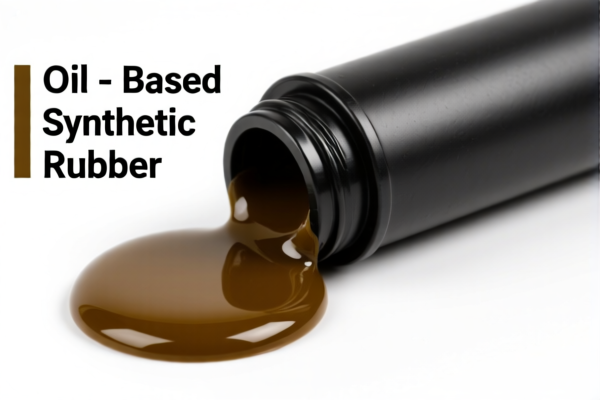

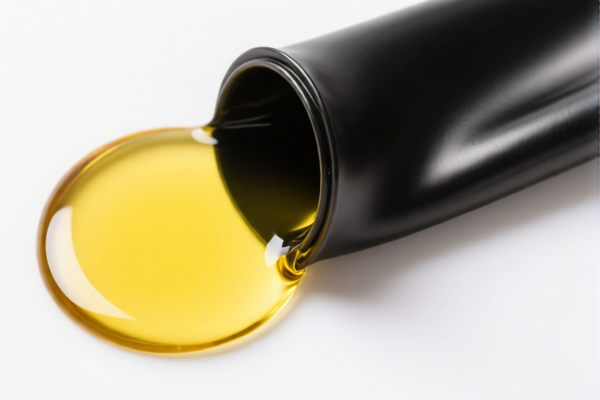
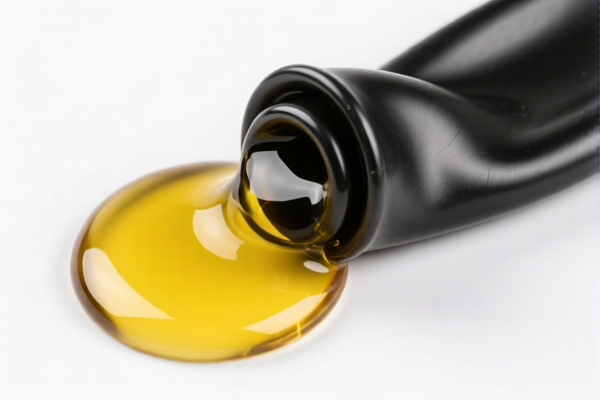
AI Analysis
🛢️ Transesterified Soybean Oil (Biodiesel Feedstock/Product)
🌐 HS Code Reference & Customs Clearance Guide | 2026 Latest Tariff Analysis | Professional Clearance Strategy
📌 I. Product Definition & Classification: What Exactly is "Transesterified Soybean Oil"?
Transesterified Soybean Oil is primarily known in international trade as Biodiesel or a key Biodiesel Feedstock. It is a bio-based oil derived from soybeans through a chemical process called transesterification. Unlike crude vegetable oils, this product has undergone chemical modification to alter its viscosity and combustion properties, making it suitable for use as a renewable fuel or industrial lubricant base.
In the context of US Customs regulations, its classification hinges on whether it is defined strictly as a "Biodiesel" (HS 3826) or a "Chemical Product/Mixture" (HS 3824). This distinction is critical because the tax implications vary significantly.
⚠️ Key Distinction:
- If the material is explicitly categorized as Biodiesel (meeting specific chemical definitions for fuel), it falls under 3826.00.30.00 or 3826.00.10.00.
- If it is processed as a Fatty Acid Ester or chemical mixture without strict fuel classification, it may fall under 3824.99.41.90 or 3824.99.41.40.
- Crucial Note: The data confirms no conflict with petroleum oils or bituminous materials, reinforcing its identity as a plant-based bio-product.
📦 II. HS Code Classification Details (2026 Latest Tariff Authority Comparison)
| HS Code | Product Description | Applicability Scenario | Material Nature |
|---|---|---|---|
3826.00.30.00 |
Transesterified Soybean Oil classified as Biodiesel | Bio-fuel grade, specific chemical definition | ✅ Bio-diesel category |
3826.00.10.00 |
Transesterified Soybean Oil as Production By-product | Process output, bio-based oil nature | ✅ Bio-based oil |
3824.99.41.90 |
Soy Fatty Acid Esterification Product | Plant-derived fat substances & mixtures | ✅ Plant fat mixture |
3824.99.41.40 |
Soy Fatty Acid Esterification Product | Fatty acid ester definition, chemical industrial product | ✅ Chemical industrial product |
🔍 Important Reminder:
- 3826.00.xxxx codes are specifically for Biodiesel and similar bio-fuels.
- 3824.99.xxxx codes are for Other Chemical Products (mixture of fatty acid esters).
- Misclassification between "Biodiesel" (3826) and "Other Chemical Products" (3824) is a common audit risk. Ensure your product specification sheet aligns with the claimed HS Code.
💰 III. 2026 Latest Tariff Rate Breakdown (Detailed Tax Clauses)
✅ Applicable Country: USA
✅ Country of Origin: China (CN) (Implied by "Section 301" and "122 Clause" context)
✅ Effective Time: Current (2025-2026 Period)
🎯 1. HS Code 3826.00.30.00 – Biodiesel Classification
| Item | Detail |
|---|---|
| Base Tariff | 6.5% |
| Additional Tariff (Section 301) | 25.0% |
| Section 122 Clause Tariff | 10.0% |
| Total Tax Rate | 41.5% |
| Tax Calculation | CIF Value × 41.5% |
| De Minimis Exemption | ❌ Not Eligible (High tax rate disqualifies from low-value exemption) |
| Legal Basis Path | Base Tariff: 6.5% → Section 301: 25.0% → Section 122: 10.0% |
📌 Explanation:
- This code carries the highest total tax rate (41.5%) among the provided options.
- The 25% Section 301 tariff is a punitive trade measure against Chinese goods.
- The 10% Section 122 tariff is a specific levy often applied to certain energy or chemical products.
- Total Burden: 41.5% is a significant cost factor. Importers must carefully calculate landed costs.
🎯 2. HS Code 3826.00.10.00 – Biodiesel Production By-product
| Item | Detail |
|---|---|
| Base Tariff | 4.6% |
| Additional Tariff (Section 301) | 25.0% |
| Section 122 Clause Tariff | 10.0% |
| Total Tax Rate | 39.6% |
| Tax Calculation | CIF Value × 39.6% |
| De Minimis Exemption | ❌ Not Eligible |
| Legal Basis Path | Base Tariff: 4.6% → Section 301: 25.0% → Section 122: 10.0% |
📌 Explanation:
- Slightly lower base tariff (4.6% vs 6.5%) results in a 39.6% total rate.
- Still subject to the full 35% surcharge (25% + 10%).
- Suitable if the product is classified as a "by-product" rather than primary biodiesel fuel.
🎯 3. HS Codes 3824.99.41.90 & 3824.99.41.40 – Fatty Acid Esters / Chemical Mixtures
| Item | Detail |
|---|---|
| Base Tariff | 4.6% |
| Additional Tariff (Section 301) | 25.0% |
| Section 122 Clause Tariff | 10.0% |
| Total Tax Rate | 39.6% |
| Tax Calculation | CIF Value × 39.6% |
| De Minimis Exemption | ❌ Not Eligible |
| Legal Basis Path | Base Tariff: 4.6% → Section 301: 25.0% → Section 122: 10.0% |
📌 Explanation:
- These codes classify the material as a chemical product or plant fat mixture, not strictly as "biodiesel fuel."
- Base Tariff: 4.6% (Lower than 3826.00.30.00).
- Total Tax: 39.6%.
- Critical Difference: While the tax rate is lower than 41.5%, the legal definition must match. You cannot arbitrarily choose 3824 if the product meets the legal definition of Biodiesel (3826). Customs may reclassify, leading to penalties.
🛠️ IV. Customs Clearance Practical Advice (Avoid Pitfalls)
✅ 1. Preparation Checklist (Essential Documents)
| Document | Required? | Description |
|---|---|---|
| ✅ Product Specification Sheet | ✔️ | Must clearly state: Transesterification process, fatty acid profile, purity, and intended use (Fuel vs. Chemical). |
| ✅ Certificate of Analysis (COA) | ✔️ | Lab test results confirming it is "Transesterified Soybean Oil" and not raw vegetable oil. |
| ✅ Material Safety Data Sheet (MSDS) | ✔️ | Critical for hazardous material handling (though bio-based, still requires safety info). |
| ✅ Commercial Invoice | ✔️ | Must explicitly describe the goods as "Transesterified Soybean Oil" or "Biodiesel Blend," not just "Soybean Oil." |
| ✅ Bill of Lading | ✔️ | Ensure harmonized system code matches the invoice. |
| ✅ Origin Certificate | ✔️ | To prove origin (China) for accurate tariff application. |
✅ 2. Declaration Strategy (Key Tips)
🔥 "Define the Purpose, Define the Code, Avoid the Penalty!"
| Scenario | Correct Declaration | Wrong Practice |
|---|---|---|
| Product is Pure Biodiesel | Use 3826.00.30.00 or 3826.00.10.00. Clearly state "Biodiesel." | Declare as "Vegetable Oil" (0-10%) → Fraud Risk |
| Product is Chemical Mixture | Use 3824.99.41.90/40. State "Soy Fatty Acid Esterification Product for Industrial Use." | Declare as "Biodiesel" → Misclassification |
| Raw Soybean Oil | Use 1507.90.00.00 (if applicable). | Declare as Transesterified → False Statement |
| Mixed with Petroleum | Check for "Petroleum or Bituminous Materials Conflict." | If mixed, may fall under 2710.xx (Fuel oils) → Different Tariffs |
✅ 3. Special Considerations
| Situation | Handling Advice |
|---|---|
| Section 301 & 122 Tariffs | These are mandatory for Chinese-origin goods. No exemptions available for these specific codes. |
| Biofuel Tax Credits | If importing for fuel use, check eligibility for QFII (Qualified Facilities) or tax credits, which may offset the high tariff. |
| Re-classification Risk | If Customs believes your "3824" product is actually "Biodiesel" (3826), they may assess the 41.5% rate + penalties. Ensure your chemical definition supports 3824. |
| De Minimis (Section 321) | Do NOT rely on $800 de minimis exemption. The high tax rates (39-41%) and specific restrictions often disqualify these goods from low-value expedited entry. |
🌍 V. Global Market Comparison (2026 Update)
| Market | Recommended HS Code | Estimated Duty | Notes |
|---|---|---|---|
| 🇺🇸 USA | 3826.00.xxxx or 3824.99.41.xx |
39.6% - 41.5% | High Section 301 + 122 tariffs apply to China origin. |
| 🇨🇳 China | 1502.90.00 (if oil) or 3826.00 |
0-10% | Import duties vary; biofuels may have incentives. |
| 🇪🇺 EU | 3824.99 or 1518.00 |
0-6.5% | EU has strict sustainability criteria (RED II) for biofuels. |
| 🇬🇧 UK | 3824.99 or 1518.00 |
0-6.5% | Post-Brexit rules apply; check CHIEF/CDS systems. |
| 🇨🇦 Canada | 1518.00.00 or 3826.00 |
0% | Often duty-free for biofuels under CUSMA/USMCA if originating. |
📌 Conclusion:
- The USA imposes the highest burden on Chinese-origin Transesterified Soybean Oil due to Section 301 and 122 tariffs.
- EU and UK focus more on sustainability certification than high tariffs.
- Canada may offer duty-free entry if origin rules are met.
📌 VI. Common Mistakes & Pitfalls (Lessons Learned)
❌ Mistake 1: Declaring Biodiesel as "Vegetable Oil" to avoid tariffs.
👉 Consequence: Customs will reclassify, charge 41.5% + penalties + interest.
👉 Risk: High.
❌ Mistake 2: Using $800 de minimis (Section 321) for shipments without verifying exemptions.
👉 Consequence: Shipment seized or held, as biofuels often lack de minimis eligibility.
👉 Risk: High.
❌ Mistake 3: Ignoring the "Section 122" tariff.
👉 Consequence: Underpayment of 10%, leading to audits and back-taxes.
👉 Risk: Medium-High.
❌ Mistake 4: Not providing MSDS/COA.
👉 Consequence: Clearance delay, additional testing fees, or rejection.
👉 Risk: Medium.
✅ Correct Practice:
"Transesterified Soybean Oil, Bio-Diesel Grade, 99% Purity, For Fuel Use, Model XYZ, MSDS Attached, Origin: China"
🎯 VII. Conclusion: Professional Declaration, Save Costs, Ensure Compliance
🎯 Remember the Mantra:
🔹 "Biodiesel is 3826, Chemical is 3824, Choose wisely or pay the price!"
🔹 "39.6% to 41.5% is the tax hit, Plan your supply chain, don't let it split!"
🔹 "No de minimis, no tricks, MSDS is critical, compliance checks!"
📌 Pro Tip:
- If your product is not destined for fuel but for chemical manufacturing, consider 3824.99.41.90/40 to save 1.9% (41.5% vs 39.6%).
- However, ensure your product specification strictly aligns with "Fatty Acid Ester" and not "Biodiesel."
- Consult a customs broker to apply for a Binding Tariff Information (BTI) or US Customs Ruling to lock in the classification.
📣 Immediate Action:
📞 Contact your customs broker + Provide Product Spec Sheet + Verify Section 301/122 Applicability
🚀 Ensure smooth clearance, avoid delays, and maximize profitability!
✨ Professional Clearance Starts with Accurate Classification!
💼 Every cent counts in international trade!
Customer Reviews
About HS Code Classification
The Harmonized System (HS) is an internationally standardized nomenclature developed by the World Customs Organization (WCO) to classify traded products. Over 200 countries use the HS system as the basis for customs tariffs, trade statistics, and import/export regulations.
Each HS code follows a hierarchical structure:
- Chapter (2 digits) — Broad category of goods (e.g., Chapter 84: Machinery and Mechanical Appliances)
- Heading (4 digits) — More specific grouping within the chapter
- Subheading (6 digits) — Internationally standardized breakdown, used by all WCO member countries
- National subdivisions (8-10 digits) — Country-specific extensions for further classification, such as US HTSUS 10-digit codes
Correct HS code classification is essential for smooth customs clearance, accurate duty payment, and compliance with trade regulations. Misclassification can lead to customs delays, overpayment of duties, or penalties.
When importing from CN to US, the applicable tariff rates may include:
- Most-Favored-Nation (MFN) rate — The standard duty rate applied to WTO members
- General rate — Applied to countries without trade agreements
- Trade remedy duties — Additional tariffs such as Section 301 (anti-dumping), Section 232 (national security), or countervailing duties
The information provided on this page is for reference purposes only. For official classification, please consult with your local customs authority or a licensed customs broker.