Transmission Harness Housing
CN → US| HS Code | Tariff Rate | Origin | Destination | Doc |
|---|---|---|---|---|
| 8714995000 | 17.5% | CN | US | Official Doc |
| 8714998000 | 27.5% | CN | US | Official Doc |
| 3917320050 | 38.1% | CN | US | Official Doc |
| 7312109090 | 85.0% | CN | US | Official Doc |
| 7312103080 | 85.0% | CN | US | Official Doc |
Product Images
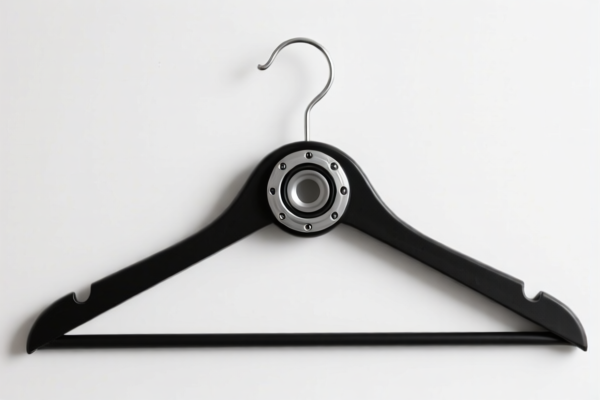
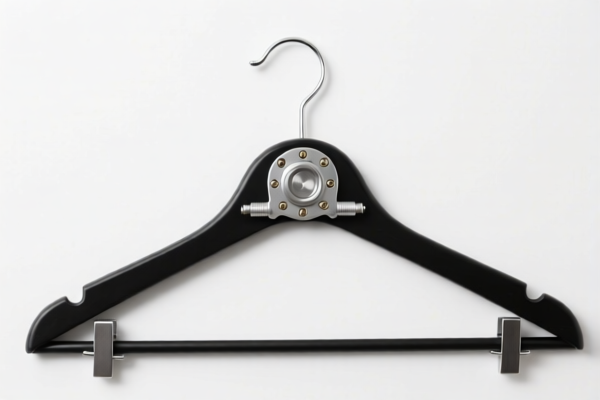
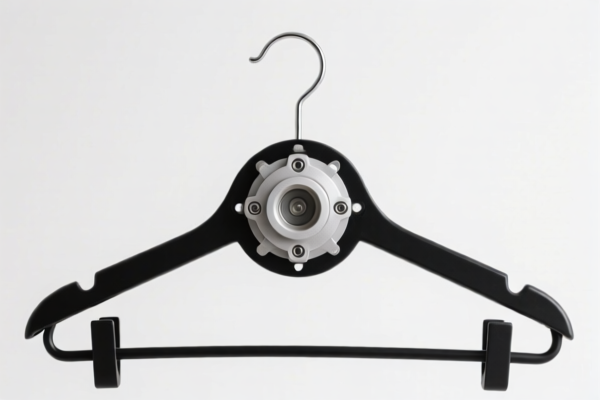

AI Analysis
🔌 Transmission Harness Housing (Shrouds & Casings)
🌐 HS Code Reference & Customs Clearance Guide | 2026 Latest Tariff Analysis | Professional Entry Strategy
📌 I. Product Definition & Classification: What is a "Transmission Harness Housing"?
The Transmission Harness Housing refers to the protective shell, casing, or connector housing used to secure and protect the wiring harnesses within a vehicle’s transmission system. It is a critical automotive accessory component.
In international trade, classification depends heavily on: 1. Material: Is it plastic (polymers), metal (steel/iron), or something else? 2. Function: Is it specifically identified as a part of the transmission mechanism, or is it a general automotive accessory? 3. Specificity: Does the Harmonized System (HS) have a specific heading for these parts, or does it fall under a "basket" category?
⚠️ Key Distinction Point:
- If made of Plastic and considered a part of the transmission assembly → Potential 8714 (Vehicle Parts) or 3917 (Plastics).
- If made of Metal (Steel/Iron) → Potential 8714 (Vehicle Parts) or 7312 (Wire/Cable/Other Steel Articles).
- Critical Rule: Automotive specific parts often have priority over generic material classifications if the description matches "Parts of Motor Vehicles."
📦 II. HS Code Classification Matrix (Based on Provided Data)
| HS Code | Product Description & Logic | Material/Type | Total Tax Rate (US Import) |
|---|---|---|---|
| 8714.99.50.00 | Parts of Transmission Components: Identified as a housing for transmission wire harnesses. No material conflict with vehicle part definitions. | Generic/Unspecified Plastic or Mixed | 17.5% |
| 8714.99.80.00 | Vehicle Accessories: Classified under general vehicle accessory shells. Usage aligns with accessory categories. | Generic Shell | 27.5% |
| 3917.32.00.50 | Plastic Rigid Conduit: Categorized under plastic tubes/pipes/housings. No obvious material conflict. Fits spare parts matching rules. | Plastic | 38.1% |
| 7312.10.30.80 | Steel/Iron Articles: Inferred as metal material. Fits category for non-electrical insulated iron/steel articles. | Steel/Iron | 85.0% |
| 7312.10.90.90 | Other Steel Wire/Products: Inferred as spare parts. Material has no iron/steel conflict; fits catch-all category. | Steel/Aluminum/Copper | 85.0% |
🔍 Key Insight:
- 8714.99.50.00 is the most favorable tariff option (17.5%), provided the product can be legally argued as a "part of the transmission" rather than a generic accessory or plastic conduit. - 3917 and 7312 classifications are significantly more expensive due to high additional tariffs (Section 301 + IEEPA).
💰 III. 2026 Tariff Rate Breakdown (Detailed Tax Clauses)
✅ Applicable Country: United States (US)
✅ Origin: China (CN)
✅ Effective Time: Post-2025 Policy (Current Trade War Regime)
🎯 1. HS Code 8714.99.50.00 – The "Golden Ticket"
Classification Logic: "Transmission housing, belonging to vehicle transmission component parts, no material conflict."
| Item | Detail |
|---|---|
| Base Tariff | 0.0% |
| Additional Tariff (Section 301) | +7.5% |
| 122 Clause Tariff (IEEPA) | +10% |
| Total Effective Rate | 17.5% |
| Tax Calculation | CIF Value × 17.5% |
| De Minimis Exemption? | ❌ NO (High-risk category for China origin) |
| Legal Basis Path | USITC:8714.99.50.00 → Section 301 Footnote → IEEPA Section 122 |
📌 Explanation:
- This is the lowest risk classification among the options. - The argument here is that the housing is an integral part of the transmission system, not just a generic wire cover. - Strategy: Ensure documentation explicitly states "Part of Transmission Assembly" rather than "Wire Cover."
🎯 2. HS Code 8714.99.80.00 – The "Accessory" Trap
Classification Logic: "Transmission housing, belonging to vehicle accessory shells, consistent usage."
| Item | Detail |
|---|---|
| Base Tariff | 10.0% |
| Additional Tariff (Section 301) | +7.5% |
| 122 Clause Tariff (IEEPA) | +10% |
| Total Effective Rate | 27.5% |
| Tax Calculation | CIF Value × 27.5% |
| De Minimis Exemption? | ❌ NO |
📌 Explanation:
- Higher base rate (10%) because it is classified as a "general accessory" rather than a specific transmission part. - Avoid this if possible; it costs 10% more than8714.99.50.00.
🎯 3. HS Code 3917.32.00.50 – The "Plastic" Penalty
Classification Logic: "Transmission housing, shape is shell, no obvious material conflict, fits parts matching rules."
| Item | Detail |
|---|---|
| Base Tariff | 3.1% |
| Additional Tariff (Section 301) | +25.0% |
| 122 Clause Tariff (IEEPA) | +10% |
| Total Effective Rate | 38.1% |
| Tax Calculation | CIF Value × 38.1% |
| De Minimis Exemption? | ❌ NO |
📌 Explanation:
- If the housing is plastic, customs may default to this plastic conduit category. - The 25% Section 301 tariff makes this significantly more expensive than the auto-part classification. - Counter-Argument: Argue that it is a custom-molded automotive part, not a generic plastic tube.
🎯 4. HS Codes 7312.10.90.90 & 7312.10.30.80 – The "Metal" Minefield
Classification Logic: "Inferred as metal, fits non-electrical insulated iron/steel articles."
| Item | Detail |
|---|---|
| Base Tariff | 0.0% |
| Additional Tariff (Section 301) | +25.0% |
| 122 Clause Tariff (IEEPA) | +10% |
| Steel/Aluminum/Copper Additional | +50% (Applied to specific metal products) |
| Total Effective Rate | 85.0% |
| Tax Calculation | CIF Value × 85.0% |
| De Minimis Exemption? | ❌ NO |
📌 Explanation:
- EXTREMELY HIGH TAX. If the housing is metal (steel/iron), it attracts the full brunt of Section 301, IEEPA, and potentially the 50% "Steel Products" surcharge. - Critical: Do NOT use these HS Codes unless absolutely necessary. The cost impact is prohibitive. - Strategy: If metal, try to argue it is a "forged automotive part" under 8714, not a "wire/rod" under 7312, to avoid the 50% steel surcharge (though 8714.99.50.00 is still better).
🛠️ IV. Customs Clearance Practical Advice (Avoid Pitfalls)
✅ 1. Preparation Checklist (Non-negotiable)
| Document | Required? | Details |
|---|---|---|
| ✅ Product Specifications | ✔️ | Material (Plastic vs. Metal), Dimensions, Weight. |
| ✅ Technical Diagrams | ✔️ | Show how it fits into the transmission assembly. |
| ✅ Photos | ✔️ | Clear images of the housing, including any part numbers or mold marks. |
| ✅ Letter of Explanation | ✔️ | Explicitly state: "This is a specialized housing for the transmission harness, integral to the vehicle's transmission system, NOT a generic wire cover." |
| ✅ Commercial Invoice | ✔️ | Description must match HS Code logic (e.g., "Transmission Harness Housing, Auto Part"). |
| ✅ Certificate of Origin | ✔️ | Mandatory for determining China-origin surcharges. |
✅ 2. Declaration Strategy (Key Mantras)
🔥 "Material Matters, Function is King, 8714 Saves the Day!"
| Scenario | Correct Declaration | Wrong Declaration |
|---|---|---|
| Plastic Housing | 8714.99.50.00 (Auto Part) |
3917.32.00.50 (Plastic Tube) → 38.1% Tax |
| Metal Housing | 8714.99.50.00 (Auto Part) |
7312.10.90.90 (Steel Wire) → 85% Tax |
| Generic Cover | 8714.99.80.00 (Accessory) |
8714.99.50.00 (If not truly transmission-specific) → 27.5% Tax |
| Mixed Material | Consult Specialist | Guessing → Audit Risk |
✅ 3. Special Cases & Mitigation
| Situation | Handling Advice |
|---|---|
| OEM Custom Parts | Provide OEM engineering drawings. Proves it is a "part of the vehicle" (8714) rather than a generic component. |
| White Label/No Brand | Still eligible for 8714 if the shape is unique to a transmission model. Avoid generic names like "Plastic Shell." |
| Metal Housing | HIGH RISK. Try to classify as 8714.99.50.00 by emphasizing its specific fitment to the transmission. Avoid 7312 at all costs. |
| Plastic Housing | Best case scenario for tax minimization if classified under 8714.99.50.00. |
🌍 V. Global Market Comparison (2026)
| Market | Recommended HS Code | Est. Tax Rate (China Origin) | Note |
|---|---|---|---|
| 🇺🇸 USA | 8714.99.50.00 |
17.5% | Best option. Avoid 3917/7312. |
| 🇨🇳 China | 8714.99.50.00 |
0% - 5% | Low import tariff. No Section 301. |
| 🇪🇺 EU | 8714.99.80.00 |
0% (Usually) | No anti-dumping on auto parts generally. |
| 🇲🇽 Mexico | 8714.99.50.00 |
0% (USMCA) | If assembled in Mexico. |
📌 Conclusion:
- USA is the only market with punitive tariffs. - 8714.99.50.00 is the optimal HS Code for minimizing costs (17.5% vs 85% or 38.1%). - Ensure the product description in commercial invoices and packing lists supports the "Transmission Component Part" narrative.
📌 VI. Common Errors & Pitfalls (Lessons Learned)
❌ Error 1: Declaring a metal housing as 7312 (Steel Wire/Strand)
👉 Consequence: 85% Tax!
👉 Fix: Argue it is a "Forged/Stamped Auto Part" under 8714.
❌ Error 2: Declaring a plastic housing as 3917 (Plastic Pipes)
👉 Consequence: 38.1% Tax.
👉 Fix: Provide OEM specs showing it is a custom-molded auto part, not a generic pipe.
❌ Error 3: Using generic names like "Wire Cover" or "Shell"
👉 Consequence: Customs officer defaults to generic material codes (3917/7312).
👉 Fix: Use "Transmission Harness Housing" and cite "Part of Transmission Assembly."
🎯 VII. Final Verdict: Professional Declaration, Cost Saving!
🎯 Remember the Mantra:
🔹 "Auto Part, Not Generic: 8714 Wins!"
🔹 "Material Doesn't Matter as Much as Function: 17.5% vs 85%."
🔹 "Always Justify the 'Why': Engineering Drawings Save Millions."
📌 Pro Tip:
If you are unsure, apply for a Customs Ruling (Advance Ruling) with CBP before shipment. Provide technical diagrams and samples. This locks in the 17.5% rate for 8714.99.50.00 and prevents surprises at the border.
📣 Take Action Now:
📞 Contact your freight forwarder + Provide Technical Specs + Demand 8714.99.50.00 classification.
🚀 Secure your margin. Avoid the 85% tax trap.
✨ Professional Customs Clearance Starts with Precise Classification!
💼 Every dollar saved in tariffs is pure profit!
Customer Reviews
About HS Code Classification
The Harmonized System (HS) is an internationally standardized nomenclature developed by the World Customs Organization (WCO) to classify traded products. Over 200 countries use the HS system as the basis for customs tariffs, trade statistics, and import/export regulations.
Each HS code follows a hierarchical structure:
- Chapter (2 digits) — Broad category of goods (e.g., Chapter 84: Machinery and Mechanical Appliances)
- Heading (4 digits) — More specific grouping within the chapter
- Subheading (6 digits) — Internationally standardized breakdown, used by all WCO member countries
- National subdivisions (8-10 digits) — Country-specific extensions for further classification, such as US HTSUS 10-digit codes
Correct HS code classification is essential for smooth customs clearance, accurate duty payment, and compliance with trade regulations. Misclassification can lead to customs delays, overpayment of duties, or penalties.
When importing from CN to US, the applicable tariff rates may include:
- Most-Favored-Nation (MFN) rate — The standard duty rate applied to WTO members
- General rate — Applied to countries without trade agreements
- Trade remedy duties — Additional tariffs such as Section 301 (anti-dumping), Section 232 (national security), or countervailing duties
The information provided on this page is for reference purposes only. For official classification, please consult with your local customs authority or a licensed customs broker.