Transparent Cloth Tape
CN → US| HS Code | Tariff Rate | Origin | Destination | Doc |
|---|---|---|---|---|
| 3919102055 | 40.8% | CN | US | Official Doc |
| 3919905040 | 40.8% | CN | US | Official Doc |
Product Images
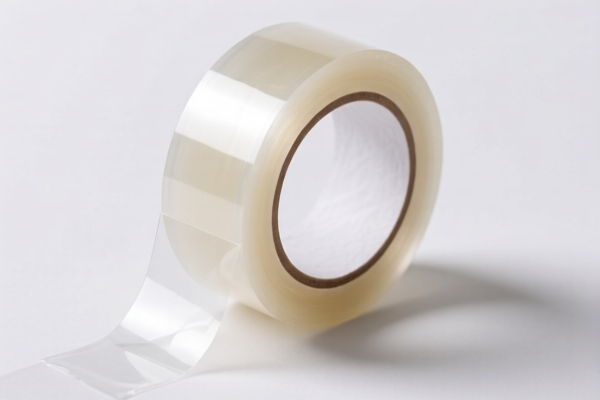
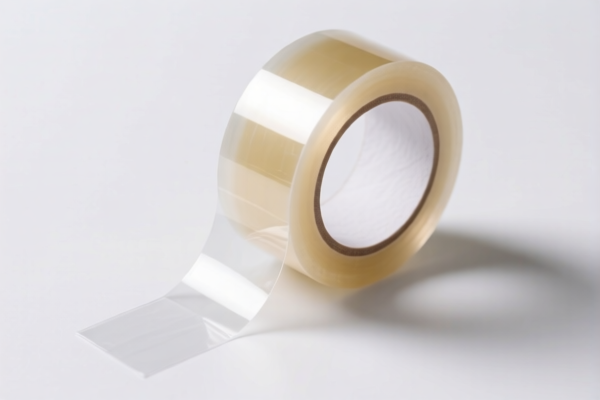
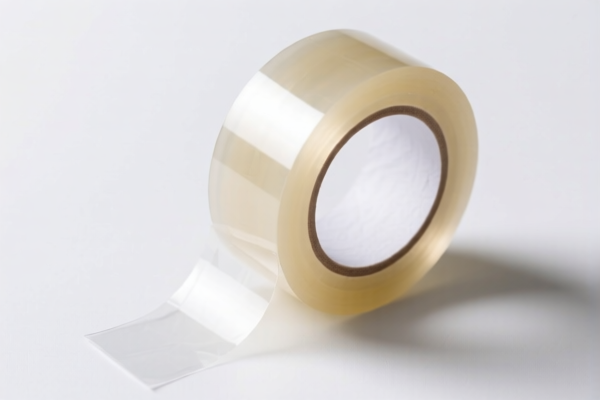
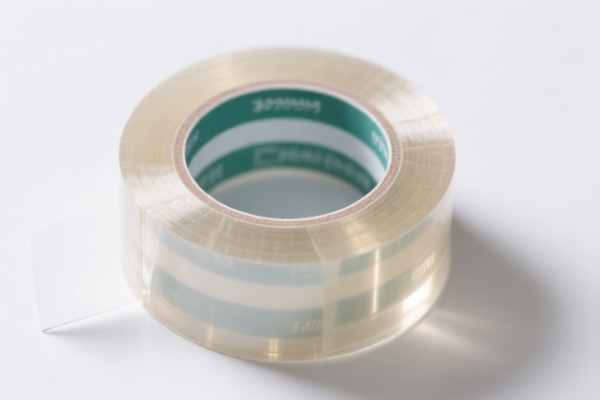
AI Analysis
🎗️ Transparent Cloth Tape (Self-Adhesive Plastics)
🌐 HS Code Reference & Customs Clearance Guide | 2026 Latest Tariff Analysis | Professional Strategy
📌 I. Product Definition & Classification: What is "Transparent Cloth Tape"?
Transparent Cloth Tape (often referred to as cloth-backed tape or duct tape in specific contexts) is a pressure-sensitive adhesive tape where the backing material is made of fabric (cloth), coated with a rubber-based or acrylic adhesive, and usually coated on the back to make it water-resistant. Despite the "cloth" name, in international trade classification (HS Code), it is categorized under Plastics because the primary functional layer is often plastic-coated or because it falls under "flat shapes of plastics" depending on the specific composition and coating.
⚠️ Key Distinction for Classification:
- Width Matters: The classification heavily depends on the roll width. Rolls ≤ 20 cm fall under one subheading; rolls > 20 cm fall under another.
- Form Factor: It must be in rolls, sheets, or flat shapes.
- Material: Although called "cloth," if it is plastic-coated or classified under plastic flat shapes, it falls under Chapter 39 (Plastics and Articles Thereof).
📦 II. HS Code Classification Details (2026 Latest Tariff Authority Comparison)
Based on the provided data, the specific products are classified as follows:
| HS Code | Product Description | Width Specification | Key Characteristics |
|---|---|---|---|
| 3919.10.20.55 | Self-adhesive plates, sheets, film, foil, tape... of plastics | In rolls of width ≤ 20 cm | "Other" category within narrow rolls. Applies to transparent cloth tape in narrow rolls. |
| 3919.90.50.40 | Self-adhesive plates, sheets, film, foil, tape... of plastics | Other (Width > 20 cm or non-standard) | Specifically identifies "Other Transparent tape". |
🔍 Critical Analysis:
- Code3919.10.20.55: This code is specifically for narrow rolls (≤ 20 cm). If your transparent cloth tape comes in rolls no wider than 20cm, this is the likely code. It is classified under "Other Other: Other," meaning it doesn't fit specific specialized sub-categories like electrical tape or masking tape.
- Code3919.90.50.40: This code covers other widths or forms, specifically highlighting "Other Transparent tape". If the tape is wider than 20cm or packaged in sheets/other forms not fitting the narrow roll definition, this code applies.
- Note on "Cloth": Even though it is "cloth tape," if it is plastic-coated or classified under plastic flat shapes in the specific tariff schedule provided, it follows the Chapter 39 rules. Do not misclassify under Chapter 59 (Imbedded, coated, covered or laminated textile fabrics) unless explicitly stated in your local customs authority's notes for this specific product type. The provided data explicitly places it in Chapter 39.
💰 III. 2026 Latest Tariff Rate Details (Detailed Breakdown)
✅ Applicable Country: United States (US)
✅ Country of Origin: China (CN) (Assumed based on common trade context for these HS codes, please verify origin)
✅ Effective Date: Current Tariff Schedule
🎯 1. 3919.10.20.55 —— Self-Adhesive Tape (Narrow Rolls ≤ 20cm)
| Item | Content |
|---|---|
| Base Tariff Rate | 0.0% |
| Additional Tariff (Section 301 / USTR) | 0.0% |
| Total Tax Rate | 0.0% |
| Tax Detail | Base: 0.0%, Additional: 0.0% |
| Eligibility for De Minimis | ✅ Yes (Generally, low-value shipments may qualify, but subject to current USCBP de minimis rules) |
| Legal Basis | HTSUS 3919.10.20.55 |
📌 Explanation:
- This specific subheading benefits from a 0% total duty rate.
- Unlike electronics or steel, many plastic tapes do not attract Section 301 tariffs, or this specific sub-code may have been exempted.
- Cost Advantage: Zero duty significantly reduces landed cost for importers.
🎯 2. 3919.90.50.40 —— Other Transparent Tape (Width > 20cm or Other Forms)
| Item | Content |
|---|---|
| Base Tariff Rate | 0.0% |
| Additional Tariff (Section 301 / USTR) | 0.0% |
| Total Tax Rate | 0.0% |
| Tax Detail | Base: 0.0%, Additional: 0.0% |
| Eligibility for De Minimis | ✅ Yes (Subject to standard de minimis thresholds) |
| Legal Basis | HTSUS 3919.90.50.40 |
📌 Explanation:
- This code for "Other Transparent Tape" also carries a 0% total duty rate.
- It is crucial to ensure the description matches "Transparent" strictly. Opaque cloth tapes might fall under different sub-headings with different duties.
- No Surcharge: No IEEPA or Section 301 surcharges apply to this specific code in the provided data.
🛠️ IV. Customs Clearance Practical Advice (Pitfall Avoidance Guide)
✅ 1. Essential Documentation Checklist
| Document | Required | Notes |
|---|---|---|
| ✅ Commercial Invoice | ✔️ | Must clearly state: "Transparent Cloth Tape," HS Code, and Country of Origin. |
| ✅ Packing List | ✔️ | Detail roll diameter, width, and number of rolls. |
| ✅ Product Specification Sheet | ✔️ | Confirm: Is it plastic-coated? Width in cm? Adhesive type? |
| ✅ Certificate of Origin (CO) | ✔️ | If claiming any potential FTA benefits (though rate is 0% here, CO is still often required for customs entry). |
| ✅ MSDS (Material Safety Data Sheet) | ⚠️ Conditional | If the adhesive contains volatile organic compounds (VOCs), some ports may request MSDS for transport safety. |
✅ 2. Classification Strategy (Key Tips)
🔥 "Width is King: ≤20cm vs >20cm"
| Scenario | Correct HS Code | Why? |
|---|---|---|
| Rolls are 10cm wide | 3919.10.20.55 |
Fits the "In rolls of a width not exceeding 20 cm" criteria. |
| Rolls are 50cm wide | 3919.90.50.40 |
Exceeds 20cm, falls under "Other." Must be explicitly "Transparent." |
| Opaque Cloth Tape | ❌ Check Other Codes | The provided codes specify "Transparent." Opaque tapes may have different duties. |
| Masking Tape / Duct Tape | ⚠️ Verify | If it is standard brown duct tape, it might be "Other" but not "Transparent." Ensure the "Transparent" attribute is accurate. |
✅ 3. Special Situations
| Situation | Handling Advice |
|---|---|
| Mixed Shipments | If you ship both narrow (≤20cm) and wide (>20cm) rolls, split the HS Codes in the declaration. Do not use one code for all. |
| Customs Inspection | Customs may ask for a sample to verify if it is "Transparent" or if the backing is truly "Plastic" (if plastic-coated cloth). Provide clear photos of the cross-section. |
| De Minimis (Section 321) | For shipments under $800, these 0% duty goods can often enter duty-free without formal entry, but accurate HTS coding is still required for data reporting. |
🌍 V. Global Market Comparison (2026)
| Market | Recommended HS Code | Duty Rate | Notes |
|---|---|---|---|
| 🇺🇸 USA | 3919.10.20.55 / 3919.90.50.40 |
0% | Highly competitive due to 0% duty. |
| 🇨🇳 China (Import) | 3919.10 / 3919.90 | ~5-10% | Varies by origin; check FTA benefits. |
| 🇪🇺 EU | 3919.10 / 3919.90 | ~6.5% | Standard Most Favored Nation (MFN) rate. |
| 🇬🇧 UK | 3919.10 / 3919.90 | ~6.5% | Post-Brexit tariff schedule aligns closely with EU. |
📌 Conclusion:
The USA offers the best duty rate (0%) for these specific transparent cloth tapes under the provided HS codes. Importers should leverage this 0% advantage by ensuring precise classification based on roll width and transparency.
📌 VI. Common Errors & Pitfalls (Lessons Learned)
❌ Error 1: Misclassifying Opaque tape as Transparent
👉 Consequence: If customs determines the tape is not transparent, it may fall under a different subheading with non-zero duties.
👉 Solution: Ensure the product is visually transparent. If it is translucent, clarify with customs.
❌ Error 2: Ignoring Roll Width
👉 Consequence: Using 3919.90 for a roll ≤20cm might trigger a compliance review. Using 3919.10 for a roll >20cm is a clear misclassification.
👉 Solution: Measure the roll width precisely. Include this in the commercial invoice description.
❌ Error 3: Calling it "Cloth Tape" without specifying Plastic Coating
👉 Consequence: If it is pure cloth (textile), it might belong in Chapter 59. The provided data places it in Chapter 39 (Plastics).
👉 Solution: Confirm with your supplier that the tape is classified as a plastic article (e.g., plastic-coated cloth) to justify Chapter 39. If it is 100% fabric with adhesive, you may need a different HS code.
✅ Correct Declaration Example:
"Transparent Adhesive Tape, Plastic-Coated Cloth Backing, Roll Width 10cm, 3919.10.20.55"
🎯 VII. Conclusion: Professional Classification for Cost Savings
🎯 Remember This Rule:
🔹 "Width < 20cm = 3919.10.20.55 (0%)
🔹 Width > 20cm / Transparent = 3919.90.50.40 (0%)
🔹 Zero Duty Advantage = Maximize Profit Margin!"
📌 Pro Tip:
If you are importing from Vietnam, Mexico, or other countries with USMCA or specific FTAs, ensure the Country of Origin is marked correctly. Even though the rate is 0% for China in this specific data, verifying origin status is always best practice for audit trails.
📣 Immediate Action:
📞 Verify Roll Width before shipping.
🖼️ Take Photos of the tape cross-section to prove "Plastic" composition if challenged.
📄 Use Exact HS Codes in your commercial invoice to avoid delays.
✨ Professional Clearance Starts with Precise Classification!
💼 Your 0% Duty Opportunity, Waiting to Be Claimed!
Customer Reviews
About HS Code Classification
The Harmonized System (HS) is an internationally standardized nomenclature developed by the World Customs Organization (WCO) to classify traded products. Over 200 countries use the HS system as the basis for customs tariffs, trade statistics, and import/export regulations.
Each HS code follows a hierarchical structure:
- Chapter (2 digits) — Broad category of goods (e.g., Chapter 84: Machinery and Mechanical Appliances)
- Heading (4 digits) — More specific grouping within the chapter
- Subheading (6 digits) — Internationally standardized breakdown, used by all WCO member countries
- National subdivisions (8-10 digits) — Country-specific extensions for further classification, such as US HTSUS 10-digit codes
Correct HS code classification is essential for smooth customs clearance, accurate duty payment, and compliance with trade regulations. Misclassification can lead to customs delays, overpayment of duties, or penalties.
When importing from CN to US, the applicable tariff rates may include:
- Most-Favored-Nation (MFN) rate — The standard duty rate applied to WTO members
- General rate — Applied to countries without trade agreements
- Trade remedy duties — Additional tariffs such as Section 301 (anti-dumping), Section 232 (national security), or countervailing duties
The information provided on this page is for reference purposes only. For official classification, please consult with your local customs authority or a licensed customs broker.