Transparent Film
CN → US| HS Code | Tariff Rate | Origin | Destination | Doc |
|---|---|---|---|---|
| 3921110000 | 40.3% | CN | US | Official Doc |
| 3921905050 | 39.8% | CN | US | Official Doc |
| 3920594000 | 35.0% | CN | US | Official Doc |
| 3920591000 | 41.0% | CN | US | Official Doc |
| 4811516000 | 35.0% | CN | US | Official Doc |
| 4811594040 | 35.0% | CN | US | Official Doc |
Product Images
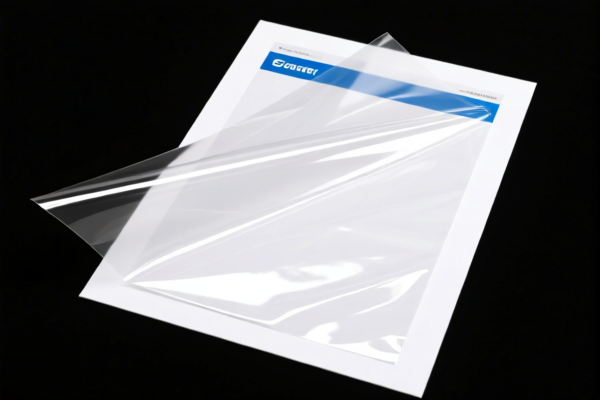
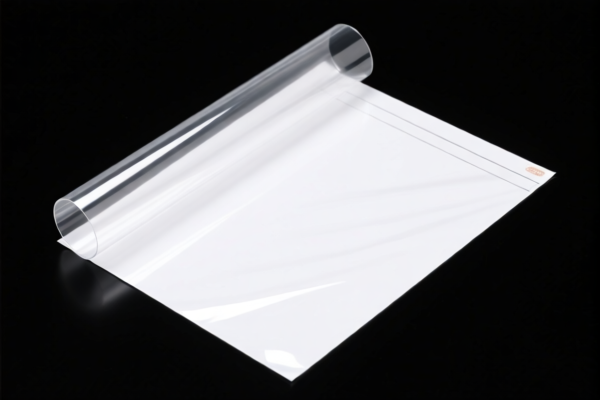
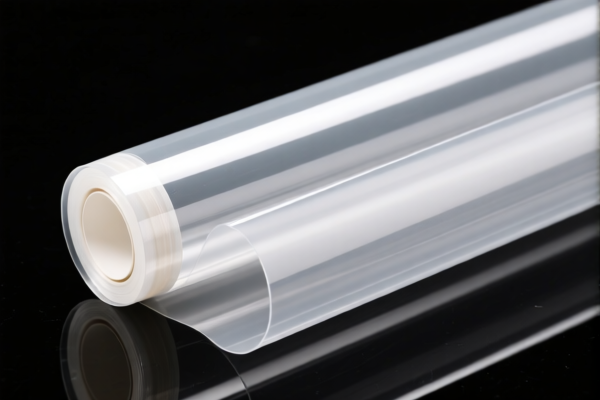
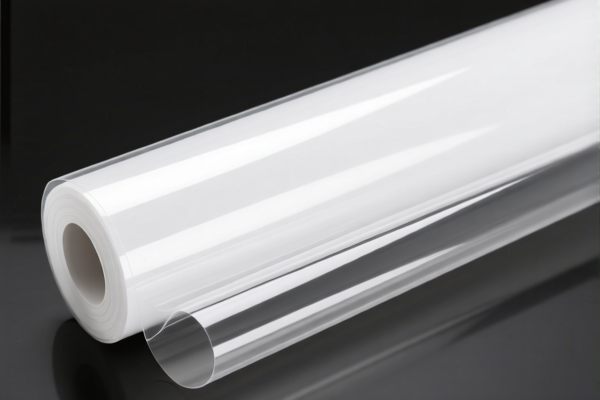
AI Analysis
🎬 Transparent Film (Clear Plastic/Polymer Sheets)
🌐 HS Code Reference & Clearance Guide | 2026 Latest Tariff Analysis | Professional Customs Strategy
📌 I. Product Definition & Classification: What Exactly Is "Transparent Film"?
"Transparent Film" is a broad term used in international trade to describe thin, flexible, or rigid sheets made from plastic or polymer materials that allow light to pass through. It is not a single HS Code but a category depending on:
- Material Composition (e.g., Acrylic, Polystyrene, General Plastic)
- Form (e.g., Rolls, Sheets, Coated Paper vs. Pure Plastic)
- End Use (Packaging, Optical, Construction, etc.)
⚠️ Key Distinction Points:
- If the material is acrylic (PMMA) → Likely falls under 3920.59 or 3921.11
- If the material is polystyrene (PS) or unspecified generic plastic → Likely 3921.11 or 3921.90
- If it is paper coated with plastic → Falls under 4811 (Paper/Board products)
📦 II. HS Code Classification Details (2026 Latest Tariff Alignment)
| HS Code | Product Description | Material Inference | Application Scenario |
|---|---|---|---|
3921.11.00.00 |
Plates, sheets, film, foam, and strip, of polymers of ethylene | General Plastic (No polystyrene conflict noted) | General packaging, protective films, generic transparent sheets |
3921.90.50.50 |
Other plates, sheets, film, foam, and strip | Generic Plastic (Fallback category for transparent films) | Non-specified polymers, mixed plastic films, custom transparent materials |
3920.59.40.00 |
Plates, sheets, and film, non-cellular, of acrylic polymers | Acrylic Plastic (PMMA) | Clear rigid sheets, acrylic displays, signage, protective covers |
3920.59.10.00 |
Plates, sheets, and film, non-cellular, of acrylic polymers | Acrylic Polymer | High-clarity acrylic sheets, optical applications, premium transparent goods |
4811.51.60.00 |
Paper, paperboard, cellulose wadding and webs of cellulose fibers, coated, impregnated, covered, surface colored, surface decorated, or printed | Paper Base + Plastic Coating | Plastic-coated paper, laminated transparent sheets where paper is the substrate |
4811.59.40.40 |
Other coated, impregnated, covered, surface colored, surface decorated or printed paper | Plastic/Resin-Coated Paper | Fallback for coated paper films, resin-covered transparent sheets |
🔍 Critical Reminder:
- Pure Plastic Films (no paper base) must go to Chapter 39 (Plastics).
- Coated Papers (paper base with plastic/resin) must go to Chapter 48 (Paper).
- Misclassifying a plastic film as paper (or vice versa) leads to customs holds, penalties, or reclassification charges.
💰 III. 2026 Latest Tariff Rate Breakdown (Including Additional Duties & Policy Surcharges)
✅ Applicable Country: United States (US)
✅ Country of Origin: China (CN)
✅ Effective Date: From November 10, 2025 (and subsequent imports)
🎯 1. 3921.11.00.00 —— Polymers of Ethylene (General Plastic Film)
| Item | Details |
|---|---|
| Base Tariff Rate | 5.3% (ad valorem) |
| Section 301 Additional Duty | +25.0% |
| Section 122 Duty (China) | +10.0% |
| Total Tariff Rate | 40.3% |
| Tax Calculation | CIF Value × 40.3% |
| De Minimis Eligibility | ❌ Not Eligible (deny_de_minimis) |
| Legal Authority Path | Section 301 → Section 122 → USITC:3921.11.00.00 |
📌 Explanation:
- Base Rate (5.3%): Standard MFN rate for ethylene polymers.
- Section 301 (25%): Additional tariff on Chinese goods under Trade Act Section 301.
- Section 122 (10%): Additional duty targeting specific Chinese imports.
- Total 40.3% is a high tariff burden. Accurate material declaration is essential.
🎯 2. 3921.90.50.50 —— Other Plastic Films (Fallback Category)
| Item | Details |
|---|---|
| Base Tariff Rate | 4.8% (ad valorem) |
| Section 301 Additional Duty | +25.0% |
| Section 122 Duty (China) | +10.0% |
| Total Tariff Rate | 39.8% |
| Tax Calculation | CIF Value × 39.8% |
| De Minimis Eligibility | ❌ Not Eligible |
| Legal Authority Path | Section 301 → Section 122 → USITC:3921.90.50.50 |
📌 Note:
- This is a catch-all category for plastic films not specified elsewhere.
- If your material is ambiguous (e.g., "transparent film" without specifying polymer type), customs may default to this code.
- Savings: Slightly lower total tariff (39.8% vs 40.3%) due to lower base rate (4.8% vs 5.3%).
🎯 3. 3920.59.40.00 —— Acrylic Polymer Films (Non-Cellular)
| Item | Details |
|---|---|
| Base Tariff Rate | 0.0% (ad valorem) |
| Section 301 Additional Duty | +25.0% |
| Section 122 Duty (China) | +10.0% |
| Total Tariff Rate | 35.0% |
| Tax Calculation | CIF Value × 35.0% |
| De Minimis Eligibility | ❌ Not Eligible |
| Legal Authority Path | Section 301 → Section 122 → USITC:3920.59.40.00 |
📌 Highlight:
- Best Option for Acrylics! Base rate is 0%, making total tariff significantly lower.
- Only applies if the material is confirmed as acrylic (PMMA).
- Risk: Must provide material test reports to prove acrylic composition.
🎯 4. 3920.59.10.00 —— Acrylic Polymer Sheets/Films
| Item | Details |
|---|---|
| Base Tariff Rate | 6.0% (ad valorem) |
| Section 301 Additional Duty | +25.0% |
| Section 122 Duty (China) | +10.0% |
| Total Tariff Rate | 41.0% |
| Tax Calculation | CIF Value × 41.0% |
| De Minimis Eligibility | ❌ Not Eligible |
| Legal Authority Path | Section 301 → Section 122 → USITC:3920.59.10.00 |
📌 Note:
- Higher base rate (6.0%) than3920.59.40.00.
- Used for different dimensions or forms of acrylic sheets (e.g., thicker plates vs. thin films).
- Avoid if possible;3920.59.40.00is more favorable.
🎯 5. 4811.51.60.00 —— Plastic-Coated Paper (No Specified Weight)
| Item | Details |
|---|---|
| Base Tariff Rate | 0.0% (ad valorem) |
| Section 301 Additional Duty | +25.0% |
| Section 122 Duty (China) | +10.0% |
| Total Tariff Rate | 35.0% |
| Tax Calculation | CIF Value × 35.0% |
| De Minimis Eligibility | ❌ Not Eligible |
| Legal Authority Path | Section 301 → Section 122 → USITC:4811.51.60.00 |
📌 Clarification:
- Applies only if the product is paper-based with a plastic coating.
- If the product is pure plastic, do NOT use this code.
- Low base rate (0%) but requires proof of paper substrate.
🎯 6. 4811.59.40.40 —— Other Coated/Resin-Covered Paper Films
| Item | Details |
|---|---|
| Base Tariff Rate | 0.0% (ad valorem) |
| Section 301 Additional Duty | +25.0% |
| Section 122 Duty (China) | +10.0% |
| Total Tariff Rate | 35.0% |
| Tax Calculation | CIF Value × 35.0% |
| De Minimis Eligibility | ❌ Not Eligible |
| Legal Authority Path | Section 301 → Section 122 → USITC:4811.59.40.40 |
📌 Note:
- Fallback for coated paper products not covered under4811.51.
- Same 35.0% total rate as other paper-based options.
- Ensure documentation proves paper origin.
🛠️ IV. Customs Clearance Practical Advice (Pitfall Avoidance Guide)
✅ 1. Required Documentation Checklist (Non-Negotiable)
| Document | Mandatory? | Notes |
|---|---|---|
| ✅ Material Composition Report | ✔️ | Must specify polymer type (e.g., PMMA, PS, PE) to distinguish between 3920/3921/4811 |
| ✅ Product Specifications | ✔️ | Thickness, dimensions, transparency level, glossy/matte finish |
| ✅ Photos of Product | ✔️ | Show cross-section to prove if it’s pure plastic or coated paper |
| ✅ Commercial Invoice | ✔️ | Clearly state “Transparent Plastic Film” or “Acrylic Sheet,” not just “Film” |
| ✅ Origin Certificate (CO) | ✔️ | Critical for verifying China origin and applying correct additional duties |
| ✅ Packaging List | ✔️ | Detail weight, volume, and unit count |
✅ 2. Declaration Tips (Key Mantras)
🔥 “Material First, Form Second, Paper vs. Plastic, Don’t Get Lost!”
| Scenario | Correct Declaration | Wrong Action |
|---|---|---|
| Pure Acrylic Sheet | 3920.59.40.00 (35.0%) |
Misclassify as general plastic → 39.8–40.3% |
| Generic Plastic Film | 3921.11.00.00 or 3921.90.50.50 |
Declare as “Acrylic” without proof → Rejection/Fine |
| Plastic-Coated Paper | 4811.51.60.00 or 4811.59.40.40 |
Declare as pure plastic → 35.0% vs 39.8%+ (loss of benefit) |
| Unknown Material | 3921.90.50.50 (Fallback) |
Guessing HS Code → High risk of penalty |
✅ 3. Special Cases Handling
| Situation | Recommendation |
|---|---|
| OEM Custom Films | Provide customer specs + material test report to avoid fallback classification |
| Multi-Layer Films | Declare based on dominant material or outermost layer. Consult customs broker |
| Recycled Plastic Films | Same HS code applies, but may require additional environmental compliance docs |
| Clear Tape vs. Film | Tape is 3919; Film/Sheet is 3920/3921. Do not confuse! |
🌍 V. Global Market Comparison (2026 Latest)
| Country/Region | Recommended HS Code | Tariff (China Origin) | Certification Required | Notes |
|---|---|---|---|---|
| 🇺🇸 USA | 3920.59.40.00 (if Acrylic) |
35.0% (Base 0% + 35% add-ons) | None specific | Highest add-on duties (35%) apply |
| 🇨🇳 China | 3920.59.40.00 |
6.0% | None | Lower import duty |
| 🇪🇺 EU | 3920.59.40.00 |
0–6.5% | REACH, RoHS | No Section 301 equivalent |
| 🇬🇧 UK | 3920.59.40.00 |
0–6.5% | UKCA, RoHS | Post-Brexit rules apply |
| 🇯🇵 Japan | 3920.59.40.00 |
0–6.0% | PSE (if electrical) | FTAs may reduce rates |
📌 Conclusion:
- USA has the highest effective tariff due to Section 301 + Section 122 add-ons.
- Acrylic films (3920.59.40.00) offer the best rate (35%) compared to general plastics (39.8–40.3%).
- Paper-based films (4811) also benefit from 0% base rate, resulting in 35.0% total.
📌 VI. Common Errors & Pitfall Guide (Lessons Learned)
❌ Error 1: Declaring “Transparent Film” without specifying material
👉 Consequence: Customs may assign worst-case HS Code (e.g., 3921.11 → 40.3%) → Overpayment
❌ Error 2: Confusing Plastic Film with Plastic-Coated Paper
👉 Consequence: Wrong Chapter (39 vs 48) → Customs Hold, Repackaging, or Penalty
❌ Error 3: Claiming 0% base rate for non-acrylic plastics
👉 Consequence: Audit failure → Back taxes + Interest
❌ Error 4: Ignoring Section 122 + 301 duties
👉 Consequence: Unexpected 35–40% cost increase → Margin Erosion
✅ Correct Action:
“Acrylic Polymer Transparent Sheet, PMMA, Non-Cellular, Clear, 2mm Thick, Model XYZ”
Use3920.59.40.00for 35.0% total tariff.
🎯 VII. Conclusion: Precision Classification Saves Costs!
🎯 Remember the Mantras:
🔹 “Acrylic or Coated Paper? Aim for 0% Base Rate → Total 35%!”
🔹 “Generic Plastic? Expect 39–40% Total Due to Add-Ons!”
🔹 “Paper Base? Don’t Classify as Plastic – Use Chapter 48!”
🔹 “Ambiguous Material? Fall Back to 3921.90.50.50 – But Pay More!”
📌 Pro Tip:
If your transparent film is originating from Vietnam, Mexico, or Thailand, you may qualify for IEEPA Exemptions or FTA Benefits, reducing tariffs to 0–5%.
Apply for Advance Rulings before shipment to lock in correct classification and avoid surprises.
📣 Immediate Action:
📞 Contact a Licensed Customs Broker + Provide Material Test Report + Apply for Pre-Ruling
🚀 Ensure Smooth Clearance, Maximize Profit, and Minimize Tax Burden!
✨ Professional Clearance Starts with Accurate Classification!
💼 Every Cent Saved Is a Cent Earned!
Customer Reviews
About HS Code Classification
The Harmonized System (HS) is an internationally standardized nomenclature developed by the World Customs Organization (WCO) to classify traded products. Over 200 countries use the HS system as the basis for customs tariffs, trade statistics, and import/export regulations.
Each HS code follows a hierarchical structure:
- Chapter (2 digits) — Broad category of goods (e.g., Chapter 84: Machinery and Mechanical Appliances)
- Heading (4 digits) — More specific grouping within the chapter
- Subheading (6 digits) — Internationally standardized breakdown, used by all WCO member countries
- National subdivisions (8-10 digits) — Country-specific extensions for further classification, such as US HTSUS 10-digit codes
Correct HS code classification is essential for smooth customs clearance, accurate duty payment, and compliance with trade regulations. Misclassification can lead to customs delays, overpayment of duties, or penalties.
When importing from CN to US, the applicable tariff rates may include:
- Most-Favored-Nation (MFN) rate — The standard duty rate applied to WTO members
- General rate — Applied to countries without trade agreements
- Trade remedy duties — Additional tariffs such as Section 301 (anti-dumping), Section 232 (national security), or countervailing duties
The information provided on this page is for reference purposes only. For official classification, please consult with your local customs authority or a licensed customs broker.