Transparent Film Slides
CN → US| HS Code | Tariff Rate | Origin | Destination | Doc |
|---|---|---|---|---|
| 3920791000 | 41.2% | CN | US | Official Doc |
| 3920992000 | 39.2% | CN | US | Official Doc |
| 3926909400 | 35.0% | CN | US | Official Doc |
| 3926905000 | 21.3% | CN | US | Official Doc |
| 3919102055 | 40.8% | CN | US | Official Doc |
Product Images


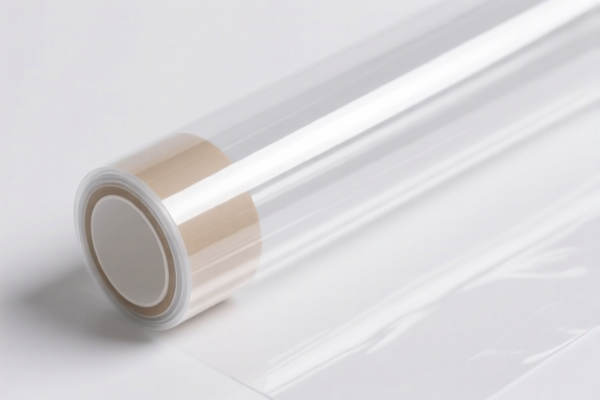
AI Analysis
🎞️ Transparent Film Slides (Transparent Plastic Sheets/Films)
🌐 HS Code Reference & Customs Clearance Guide | 2026 Latest Tariff Analysis | Professional Level Entry Strategy
📌 I. Product Definition & Classification: Do You Really Understand "Transparent Film Slides"?
Transparent film slides are thin, transparent materials primarily made of plastics (cellulose derivatives or other synthetic polymers). In international trade, they are often misclassified. The key distinction lies in their physical form (sheet vs. film) and specific application (photographic slides vs. general plastic sheeting).
⚠️ Key Distinction Points:
- If it is a rigid/translucent sheet for projection or general use → Likely 3920 or 3926.
- If it is a flexible film/web → Likely 3919.
- If it is specifically for photographic projection slides → Likely 3926.90.50.00.
📦 II. HS Code Classification Details (2026 Latest Tariff Authority Comparison)
| HS Code | Product Description | Application Scenario | Material/Form |
|---|---|---|---|
3920.79.10.00 |
Transparent slides for projection; shape: sheet; Material inferred as cellulose derivatives or other plastics | General projection sheets, non-photographic | Sheet |
3920.99.20.00 |
Transparent slides for projection; Material: Plastic; Shape: Sheet/Film | Other plastic board/sheet/film characteristics | Sheet/Film |
3926.90.94.00 |
Transparent slides for projection; Shape: Plastic transparent thin sheet; Material: Plastic | General plastic thin sheets | Sheet |
3926.90.50.00 |
Transparent slides for projection; Use: Photographic slides; Material: Plastic | Specifically for camera/photo projection slides | Sheet |
3919.10.20.55 |
Film transparent sheet; Shape: Thin film/Film; Material: Plastic | Flexible plastic films/rolls | Film |
🔍 Important Reminder:
- Photographic Slides should ideally be classified under3926.90.50.00due to specific use.
- General Plastic Sheets (not for photography) fall under3920or3926.90.94.00.
- Flexible Films (rolls, not rigid sheets) fall under3919.10.20.55.
💰 III. 2026 Latest Tariff Rate Details (Including Surcharges & Policy Add-ons)
✅ Applicable Country: United States (US)
✅ Origin: China (CN)
✅ Effective Date: November 10, 2025 onwards (including subsequent imports)
🎯 1. 3920.79.10.00 —— Projection Transparent Sheets (Cellulose/Other Plastic)
| Item | Content |
|---|---|
| Base Tariff | 6.2% (ad valorem) |
| Section 301 Surcharge | +25.0% (Additional Tariff) |
| Section 122 Tariff | +10.0% (Specific Policy Tariff) |
| Total Tariff Rate | 41.2% |
| Tax Calculation | CIF Value × 41.2% |
| De Minimis Exemption? | ❌ No (High tax burden, unlikely eligible for low-value exemption in practice for bulk/commercial) |
| Legal Basis Path | Base Tariff 6.2% → Section 301 25% → Section 122 10% |
📌 Explanation:
- Base Tariff 6.2%: Standard Most Favored Nation (MFN) rate for general plastic sheets.
- Section 301 Tariff 25%: Imposed on Chinese goods under Trade Act Section 301.
- Section 122 Tariff 10%: Additional surcharge applied to specific plastic materials from China.
- Total 41.2%: A very high combined rate.
🎯 2. 3920.99.20.00 —— Other Plastic Sheets/Films (General Use)
| Item | Content |
|---|---|
| Base Tariff | 4.2% |
| Section 301 Surcharge | +25.0% |
| Section 122 Tariff | +10.0% |
| Total Tariff Rate | 39.2% |
| Tax Calculation | CIF Value × 39.2% |
| De Minimis Exemption? | ❌ No |
| Legal Basis Path | Base Tariff 4.2% → Section 301 25% → Section 122 10% |
📌 Note:
- Lower base tariff (4.2%) compared to3920.79.10.00, but still subject to heavy surcharges.
- Applies to plastic sheets/films that do not fit more specific sub-categories.
🎯 3. 3926.90.94.00 —— Other Plastic Articles (Thin Sheets)
| Item | Content |
|---|---|
| Base Tariff | 0.0% |
| Section 301 Surcharge | +25.0% |
| Section 122 Tariff | +10.0% |
| Total Tariff Rate | 35.0% |
| Tax Calculation | CIF Value × 35.0% |
| De Minimis Exemption? | ❌ No |
| Legal Basis Path | Base Tariff 0% → Section 301 25% → Section 122 10% |
📌 Advantage:
- Zero Base Tariff! This is the most favorable option among general plastic sheet classifications if the product does not qualify as a "photographic slide."
- However, still subject to 35% total tax.
🎯 4. 3926.90.50.00 —— Photographic Slides (Specific Use)
| Item | Content |
|---|---|
| Base Tariff | 3.8% |
| Section 301 Surcharge | +7.5% |
| Section 122 Tariff | +10.0% |
| Total Tariff Rate | 21.3% |
| Tax Calculation | CIF Value × 21.3% |
| De Minimis Exemption? | ❌ No |
| Legal Basis Path | Base Tariff 3.8% → Section 301 7.5% → Section 122 10% |
📌 Critical Insight:
- Lowest Total Tariff (21.3%)!
- Crucial Condition: The product must be explicitly defined and used as photographic projection slides.
- Risk: Misclassification to this code if not actually for photography can lead to severe penalties.
🎯 5. 3919.10.20.55 —— Plastic Films (Rolls/Thin Films)
| Item | Content |
|---|---|
| Base Tariff | 5.8% |
| Section 301 Surcharge | +25.0% |
| Section 122 Tariff | +10.0% |
| Total Tariff Rate | 40.8% |
| Tax Calculation | CIF Value × 40.8% |
| De Minimis Exemption? | ❌ No |
| Legal Basis Path | Base Tariff 5.8% → Section 301 25% → Section 122 10% |
📌 Distinction:
- Applies only if the product is a flexible film (like a roll), not a rigid or semi-rigid sheet.
- High tariff due to base rate and surcharges.
🛠️ IV. Customs Clearance Practical Advice (Avoid Pitfalls Guide)
✅ 1. Preparation Checklist (Essential Documents)
| Document | Required | Description |
|---|---|---|
| ✅ Product Specification Sheet | ✔️ | Must clearly state: Material (Plastic type), Form (Sheet vs. Film), Use (Photographic vs. General) |
| ✅ Product Photos | ✔️ | Clear images showing the item, including any packaging labels indicating "Photographic Slides" or "Plastic Sheets" |
| ✅ Commercial Invoice | ✔️ | Must use precise English description: e.g., "Plastic Transparent Photographic Projection Slides" |
| ✅ Packing List | ✔️ | Details quantity, weight, and dimensions |
| ✅ Material Declaration | ✔️ | Confirm it is 100% plastic (cellulose derivative or other polymer) |
| ✅ Origin Certificate | ✔️ | Proof of Chinese origin (to confirm surcharge applicability) |
✅ 2. Declaration Tips (Key Mnemonics)
🔥 "Know Your Form: Sheet vs. Film, Photo vs. General!"
| Scenario | Correct HS Code | Incorrect Code | Consequence |
|---|---|---|---|
| Photographic Slides | 3926.90.50.00 (21.3%) |
3920.79.10.00 (41.2%) |
Overpaid Tax! ~20% extra cost. |
| General Plastic Sheets | 3926.90.94.00 (35.0%) |
3926.90.50.00 (21.3%) |
Under-declared Tax! Risk of fines & seizure. |
| Flexible Film Rolls | 3919.10.20.55 (40.8%) |
3920... (Sheet codes) |
Misclassification of form. |
| Cellulose-based Sheets | 3920.79.10.00 (41.2%) |
3920.99.20.00 (39.2%) |
Minor tax difference, but material must match. |
✅ 3. Special Cases Handling
| Situation | Recommendation |
|---|---|
| Mixed Items (Slides + Frames) | If slides are packed with frames, declare separately. Frames may have different classification. |
| Unspecified Use | If the product is a clear plastic sheet with no specific photographic use, declare as 3926.90.94.00 to avoid fraud allegations for using the lower "photo" rate. |
| Customs Inquiry | If Customs questions the "Photographic" claim, provide proof of marketing, product manuals, or prior usage as slides. |
| Small Samples | Even for samples, if total tax > $800 (de minimis threshold), duties apply. Ensure proper valuation. |
🌍 V. Global Market Comparison (2026 Latest)
| Country/Region | Recommended HS Code | Base Tariff | Additional Surcharges | Total Estimate | Notes |
|---|---|---|---|---|---|
| 🇺🇸 USA | 3926.90.50.00 (if photo) |
3.8% | 7.5% (301) + 10% (122) | 21.3% | Lowest US Rate |
| 🇺🇸 USA | 3926.90.94.00 (general) |
0.0% | 25.0% (301) + 10% (122) | 35.0% | High tax for general sheets |
| 🇨🇳 China | 3926.90.94.00 |
~6% | None | ~6% | No surcharges |
| 🇪🇺 EU | 3926.90.94.00 |
6.5% | None | 6.5% | No US-style surcharges |
| 🇯🇵 Japan | 3926.90.94.00 |
8.0% | None | 8.0% | Standard MFN |
📌 Conclusion:
- USA is the most expensive market due to Section 301 and Section 122 tariffs.
- Correct Classification is Critical: Misclassifying a general sheet as a "photographic slide" saves 13.7% in tax but carries high compliance risk.
- Best US Strategy: If products are truly for photography, use3926.90.50.00. If not, use3926.90.94.00for the lowest base rate (0%) among sheet categories, despite the 35% total.
📌 VI. Common Errors & Pitfalls (Lessons Learned)
❌ Error 1: Calling all clear plastic items "Photographic Slides" to get the 21.3% rate.
👉 Consequence: Customs may audit, find they are for crafts/general use, and demand back taxes + penalties at 35-41%.
❌ Error 2: Confusing "Sheet" (3920/3926) with "Film" (3919).
👉 Consequence: If imported as rolls (film) but declared as sheets, or vice versa, leads to classification error and delays.
❌ Error 3: Ignoring Section 122 Tariff.
👉 Consequence: Many importers forget the additional 10% surcharge, leading to unexpected costs at border.
❌ Error 4: Using vague descriptions like "Plastic Transparent Sheet."
👉 Consequence: Customs officer may choose the higher base rate or demand detailed documentation, causing delays.
✅ Correct Practice:
"Clear Plastic Photographic Projection Slides, Cellulose Derivative, Non-Perforated, 2026 Model"
(Ensure description matches the specific HS Code requirements)
🎯 VII. Conclusion: Professional Classification Saves Money!
🎯 Remember the Mnemonic:
🔹 "Photos go to 50.50 (35% total), General Sheets go to 94.94 (35% total), Films go to 19 (40% total). Know your use, know your tax!"
🔹 "HS Code determines fate, tax difference is huge, misclassification costs thousands!"
📌 Pro Tip:
- If you are unsure whether your product qualifies as a "Photographic Slide," consult a customs broker before shipping.
- Consider applying for a Binding Tariff Information (BTI) or Advance Ruling in the US if importing large volumes, to secure the lower 21.3% rate legally.
📣 Immediate Action:
📞 Contact a Professional Customs Broker
📝 Provide Product Photos & Specifications
🚀 Accurate Classification = Lower Costs = Faster Clearance
✨ Professional Clearance Starts with Precise Classification!
💼 Every Dollar Saved is a Dollar Earned!
Customer Reviews
About HS Code Classification
The Harmonized System (HS) is an internationally standardized nomenclature developed by the World Customs Organization (WCO) to classify traded products. Over 200 countries use the HS system as the basis for customs tariffs, trade statistics, and import/export regulations.
Each HS code follows a hierarchical structure:
- Chapter (2 digits) — Broad category of goods (e.g., Chapter 84: Machinery and Mechanical Appliances)
- Heading (4 digits) — More specific grouping within the chapter
- Subheading (6 digits) — Internationally standardized breakdown, used by all WCO member countries
- National subdivisions (8-10 digits) — Country-specific extensions for further classification, such as US HTSUS 10-digit codes
Correct HS code classification is essential for smooth customs clearance, accurate duty payment, and compliance with trade regulations. Misclassification can lead to customs delays, overpayment of duties, or penalties.
When importing from CN to US, the applicable tariff rates may include:
- Most-Favored-Nation (MFN) rate — The standard duty rate applied to WTO members
- General rate — Applied to countries without trade agreements
- Trade remedy duties — Additional tariffs such as Section 301 (anti-dumping), Section 232 (national security), or countervailing duties
The information provided on this page is for reference purposes only. For official classification, please consult with your local customs authority or a licensed customs broker.