Transparent Makeup Bag
CN → US| HS Code | Tariff Rate | Origin | Destination | Doc |
|---|---|---|---|---|
| 4205008000 | 35.0% | CN | US | Official Doc |
| 4202329900 | 52.6% | CN | US | Official Doc |
| 4205006000 | 39.9% | CN | US | Official Doc |
| 4202329300 | 52.6% | CN | US | Official Doc |
| 4202329900 | 52.6% | CN | US | Official Doc |
Product Images
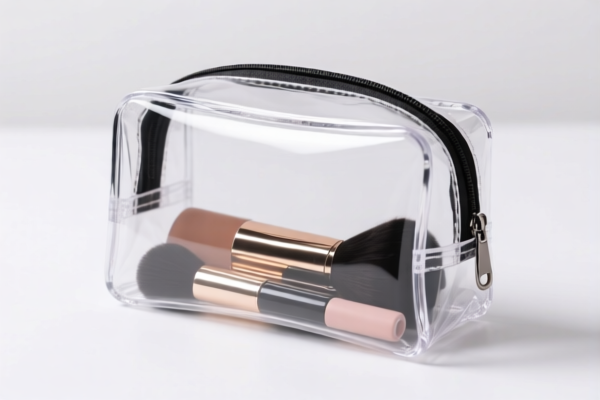
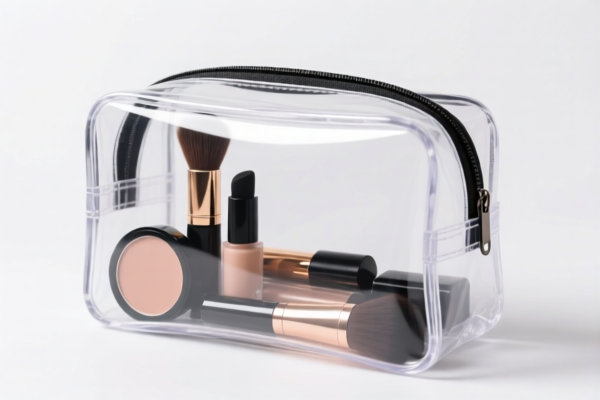
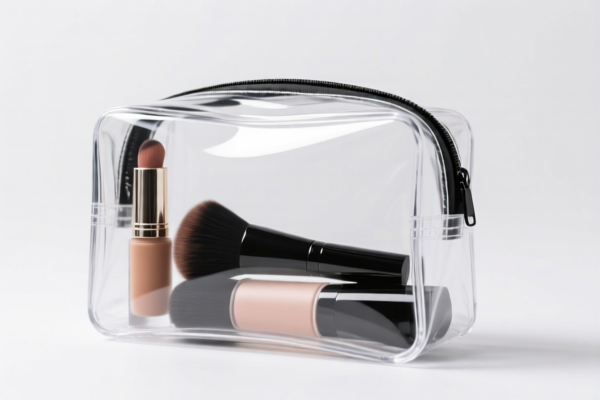
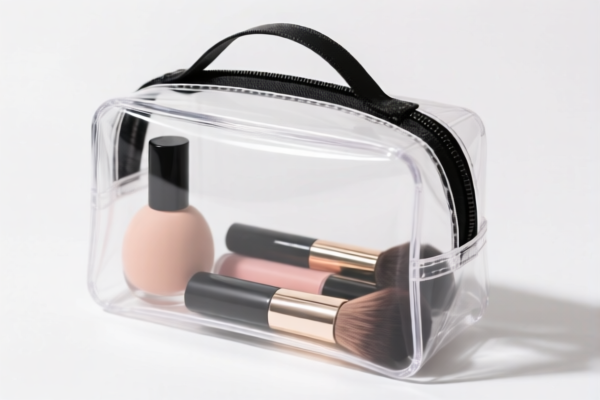
AI Analysis
👜 Transparent Makeup Bag (Cosmetic Pouches & Toiletry Cases)
🌐 HS Code Reference & Customs Clearance Guide | 2026 Latest Tariff Analysis | Professional Entry Strategy
📌 1. Product Definition and Classification: Do You Really Understand "Transparent Makeup Bags"?
Transparent makeup bags are essential items in personal care and travel, used for storing cosmetics, toiletries, and small accessories. In international trade, their classification depends heavily on material composition and functional description. Unlike opaque bags, transparent bags often face stricter scrutiny regarding material verification (plastic vs. textile vs. leather).
⚠️ Key Distinction Points:
- If the exterior surface is textile material (even if clear plastic coating is present) → Generally falls under Chapter 42 (Articles of Leather; Saddle trappings...) specifically heading 4202 (Trunks, suitcases, vanity cases...). - If the product is inferred as leather or synthetic leather based on shape/handling → May fall under 4205 (Other articles of leather or composition leather). - Crucial Note: "Transparent" does not automatically mean "Plastic Chapter 39". Many clear cosmetic bags are made of PVC-coated fabric or TPU-lined textiles, keeping them in Chapter 42.
📦 2. HS Code Classification Details (Based on Provided Data)
| HS Code | Product Description & Logic | Tax Rate | Key Reasoning |
|---|---|---|---|
| 4205.00.80.00 | Other articles of leather or synthetic leather Inferred from leather/synthetic leather products, shape matches finished goods requirements. No material conflict. |
35.0% | Base: 0% + Section 301: 25% + Section 122: 10% |
| 4202.32.99.00 | Articles of apparel or clothing accessories, nesoi: Of textile materials Matches container/bag morphology and carrying function. Exterior inferred as textile material. |
52.6% | Base: 17.6% + Section 301: 25% + Section 122: 10% |
| 4205.00.60.00 | Other articles of leather or composition leather Inferred to be made of leather, synthetic leather, or fabric. Matches bottom-line category for other leather goods. |
39.9% | Base: 4.9% + Section 301: 25% + Section 122: 10% |
| 4202.32.93.00 | Articles of apparel or clothing accessories, nesoi: Of textile materials or plastic sheeting Morphology matches bag/container type. Material inferred as textile or plastic sheeting. |
52.6% | Base: 17.6% + Section 301: 25% + Section 122: 10% |
| 4202.32.99.00 | Duplicate Match: Textile Material Bags Re-matches container/bag morphology and usage. Based on textile exterior inference. No material conflict. |
52.6% | Base: 17.6% + Section 301: 25% + Section 122: 10% |
🔍 重点提醒 (Critical Insight):
- The difference between 35.0% and 52.6% lies in whether the bag is classified as Leather/Synthetic Leather (4205) or Textile/Plastic (4202). - "Transparent" PVC bags are often misclassified. If the base material is a textile fabric coated with clear plastic, it may still be considered "textile" under HTSUS note definitions, leading to the 52.6% rate. If it is purely plastic without textile backing, it might fall under different chapters, but the provided data suggests Chapter 42 classifications. - Section 122 Tariff: The 10% additional tariff applies to specific Chinese-origin goods under Section 122 of the Trade Act.
💰 3. 2026 Latest Tariff Rate Breakdown (Including Surcharges)
✅ Applicable Country: United States (US)
✅ Origin: China (CN) (Implied by Section 122 & 301 context)
✅ Effective Date: Current Trade Policy (2026)
🎯 1. 4205.00.80.00 — Other Articles of Leather/Synthetic Leather
| Item | Content |
|---|---|
| Base Duty Rate | 0% (ad valorem) |
| Section 301 Surcharge | +25% (Under USITC Footnote 9903.88.01) |
| Section 122 Surcharge | +10% (Under IEEPA for specific Chinese goods) |
| Total Duty Rate | 35.0% |
| Calculation | CIF Value × 35.0% |
| De Minimis Exemption | ❌ Not Available (Section 301/122 goods are generally excluded from de minimis benefits) |
| Legal Basis Path | USITC:4205.00.80.00 → SECTION_301 → SECTION_122 |
📌 Explanation:
- If your "transparent makeup bag" is interpreted as having a leather or synthetic leather exterior (even if partially clear), this lower 35% rate might apply. - This classification assumes the product is viewed primarily as a leather article rather than a general textile/plastic bag.
🎯 2. 4202.32.99.00 & 4202.32.93.00 — Textile/Plastic Sheet Articles
| Item | Content |
|---|---|
| Base Duty Rate | 17.6% |
| Section 301 Surcharge | +25% |
| Section 122 Surcharge | +10% |
| Total Duty Rate | 52.6% |
| Calculation | CIF Value × 52.6% |
| De Minimis Exemption | ❌ Not Available |
| Legal Basis Path | USITC:4202.32.99.00 / 4202.32.93.00 → SECTION_301 → SECTION_122 |
📌 Explanation:
- This is the highest risk/high cost classification for transparent bags. - It applies if the bag is deemed to be made of textile materials (e.g., fabric lined with clear PVC) or plastic sheeting without qualifying for lower textile subheadings. - Warning: Many cheap "clear vinyl" bags are actually PVC-coated polyester, which customs may classify under 4202.32, triggering the 17.6% base + 35% surcharges.
🎯 3. 4205.00.60.00 — Other Leather Articles (Intermediate)
| Item | Content |
|---|---|
| Base Duty Rate | 4.9% |
| Section 301 Surcharge | +25% |
| Section 122 Surcharge | +10% |
| Total Duty Rate | 39.9% |
| Calculation | CIF Value × 39.9% |
| Legal Basis Path | USITC:4205.00.60.00 → SECTION_301 → SECTION_122 |
📌 Explanation:
- This is a "catch-all" for leather articles not specified elsewhere. - If your product is made of synthetic leather (PU/TPU) that mimics leather texture, this 39.9% rate is a strategic middle ground between the 35% and 52.6% options.
🛠️ 4. Customs Clearance Practical Advice (Pitfall Avoidance Guide)
✅ 1. Preparation Checklist (Must-Have)
| Document | Required? | Purpose |
|---|---|---|
| Material Composition Statement | ✅ Mandatory | Must specify % of leather, textile, plastic, or synthetic leather. "Transparent" is not a material. |
| Product Photos (Close-up) | ✅ Mandatory | Show stitching, lining, and material texture to prove it's not pure plastic (Ch 39). |
| Commercial Invoice | ✅ Mandatory | Describe as "Cosmetic Bag, Material: Synthetic Leather/Textile," NOT just "Plastic Bag." |
| Material Test Report | ✅ Recommended | Lab report confirming PVC content vs. Fabric backing. |
✅ 2. Classification Strategy (Key Mantra)
🔥 "Material Defines Code, Not Transparency!"
| Scenario | Recommended HS Code | Risk Level |
|---|---|---|
| Pure PVC/Vinyl Sheet (No fabric backing) | Not in provided data, likely Ch 39 | High Risk of Re-classification |
| PVC-coated Textile Fabric | 4202.32.99.00 (52.6%) | High Cost |
| Synthetic Leather (PU/TPU) Appearance | 4205.00.80.00 (35.0%) | Optimal for Cost |
| Mixed Material (Leather trim + Textile body) | 4205.00.60.00 (39.9%) | Moderate Cost |
📌 Pro Tip:
- If the bag is 100% clear plastic, customs may reject Chapter 42 and move it to Chapter 39 (Plastics), which has different rates. However, the provided data only lists Chapter 42 options. - Argument for 4205: If the bag has a "leather-like" feel, stitching, and brand label typical of leather goods, argue for 4205 to secure the 35% rate instead of 52.6%.
✅ 3. Special Cases
| Situation | Handling Advice |
|---|---|
| OEM Private Label | Ensure the invoice reflects the actual material, not just the brand name. |
| "Clear" PVC Bags | Provide a material spec sheet: "PVC-coated Polyester Fabric" to support 4202 classification, or "Synthetic Leather" for 4205. |
| Sets (Bag + Mirrors) | If sold as a set, classify based on the essential character (usually the bag). |
🌍 5. Global Market Comparison (2026)
| Region | Recommended HS Code | Est. Duty Rate | Notes |
|---|---|---|---|
| 🇺🇸 USA | 4205.00.80.00 or 4202.32.99.00 |
35.0% - 52.6% | High due to Section 301/122. |
| 🇨🇳 China | 4202.32.99.00 |
~8-10% | Lower base rate, no US surcharges. |
| 🇪🇺 EU | 4202.32.00 |
12% | No Section 301/122 equivalent. |
| 🇦🇺 Australia | 4202.32.00 |
5% | Preferential rates may apply. |
📌 Conclusion:
- The USA imposes the highest burden on Chinese-made cosmetic bags due to combined tariffs. - Cost Optimization: Try to classify as 4205.00.80.00 (35%) rather than 4202.32.99.00 (52.6%) by emphasizing synthetic leather characteristics over pure textile/plastic.
📌 6. Common Errors & Pitfalls (Lessons Learned)
❌ Error 1: Calling it "Plastic Bag" on the Invoice
👉 Consequence: Customs may reclassify to Chapter 39 or penalize for misdescription.
👉 Fix: Use "Cosmetic Bag" and specify material.
❌ Error 2: Assuming "Transparent" = Low Duty
👉 Consequence: If classified under 4202 (Textile/Plastic), duty is 52.6%.
👉 Fix: Prove material is "Synthetic Leather" for 35% rate.
❌ Error 3: Ignoring Section 122 (10%)
👉 Consequence: Underpayment of 10% + penalties.
👉 Fix: Always include Section 122 in cost calculations for China-origin goods.
🎯 7. Conclusion: Professional Declaration Saves Money
🎯 Key Takeaway:
"Don't just say 'Transparent'. Say 'Material'.
35% (Leather) vs. 52.6% (Textile/Plastic) is a 17.6% difference.
That’s 17.6% more profit in your pocket!"
📌 Action Plan:
1. Test Material: Confirm if your "clear" bag is coated fabric (Textile) or pure synthetic leather.
2. Draft Invoice: Use terms like "Synthetic Leather Cosmetic Bag" if applicable.
3. Calculate: Use 35% as the target rate if material allows; otherwise prepare for 52.6%.
4. Consult Broker: Ask specifically about Section 122 applicability for your supplier's factory code.
📣 Immediate Action:
📞 Contact your customs broker today to review the material specs of your transparent makeup bags.
🚀 Optimize your HS Code classification to avoid the 52.6% pitfall!
✨ Precision in Classification, Profit in Clearance!
💼 Your transparency should be in the bag, not in your costs!
Customer Reviews
About HS Code Classification
The Harmonized System (HS) is an internationally standardized nomenclature developed by the World Customs Organization (WCO) to classify traded products. Over 200 countries use the HS system as the basis for customs tariffs, trade statistics, and import/export regulations.
Each HS code follows a hierarchical structure:
- Chapter (2 digits) — Broad category of goods (e.g., Chapter 84: Machinery and Mechanical Appliances)
- Heading (4 digits) — More specific grouping within the chapter
- Subheading (6 digits) — Internationally standardized breakdown, used by all WCO member countries
- National subdivisions (8-10 digits) — Country-specific extensions for further classification, such as US HTSUS 10-digit codes
Correct HS code classification is essential for smooth customs clearance, accurate duty payment, and compliance with trade regulations. Misclassification can lead to customs delays, overpayment of duties, or penalties.
When importing from CN to US, the applicable tariff rates may include:
- Most-Favored-Nation (MFN) rate — The standard duty rate applied to WTO members
- General rate — Applied to countries without trade agreements
- Trade remedy duties — Additional tariffs such as Section 301 (anti-dumping), Section 232 (national security), or countervailing duties
The information provided on this page is for reference purposes only. For official classification, please consult with your local customs authority or a licensed customs broker.