Transparent Packing Tape
CN → US| HS Code | Tariff Rate | Origin | Destination | Doc |
|---|---|---|---|---|
| 3919905040 | 40.8% | CN | US | Official Doc |
| 3919102040 | 40.8% | CN | US | Official Doc |
| 4811412100 | 35.0% | CN | US | Official Doc |
| 4811411000 | 35.0% | CN | US | Official Doc |
Product Images
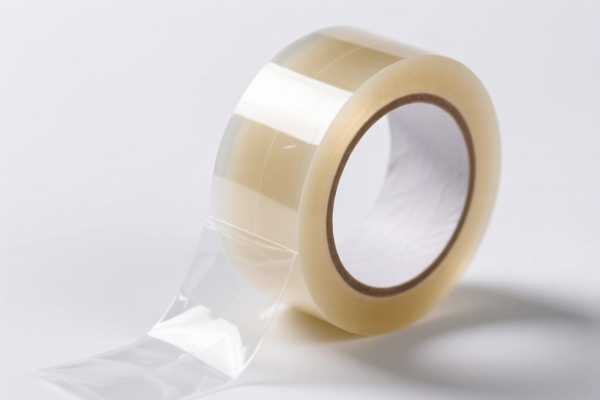
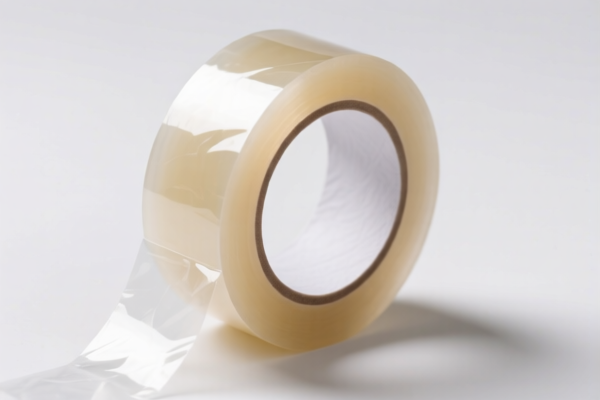
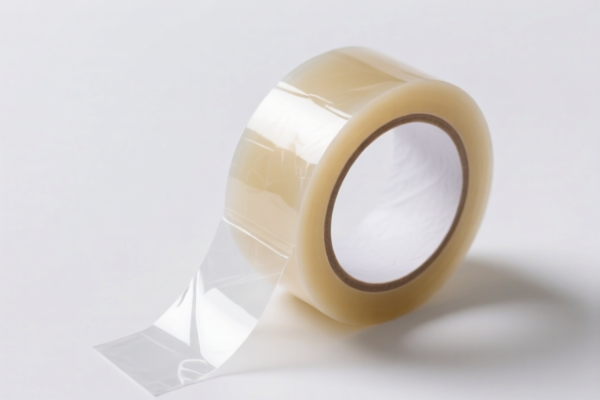
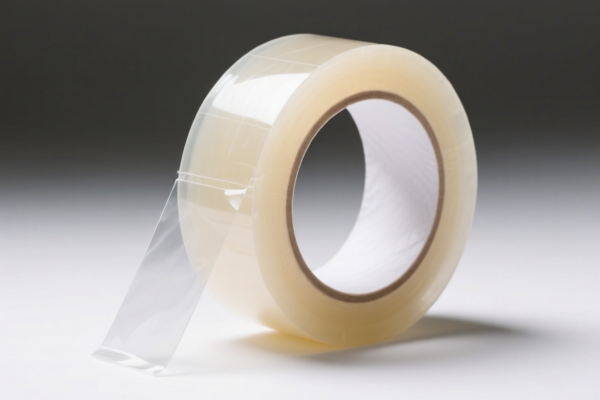
AI Analysis
📦 Transparent Packing Tape (Clear Adhesive Tape)
🌐 HS Code Reference & Customs Clearance Guide | 2026 Latest Tariff Analysis | Strategic Compliance Strategy
📌 I. Product Definition & Classification: Do You Truly Understand "Transparent Packing Tape"?
Transparent Packing Tape is a ubiquitous packaging material used globally for sealing cartons, securing loads, and protecting goods during transit. In international trade, it is primarily classified based on its substrate material (plastic vs. paper) and form (rolls).
Key Distinction Points: * Plastic-Based Tapes: Typically made from polypropylene (BOPP) or PVC. If the primary material is plastic, it falls under Chapter 39. * Paper-Based Tapes: Made from kraft paper with adhesive. If the primary material is paper, it falls under Chapter 48.
⚠️ Critical Classification Insight:
- Most common "clear" packing tapes are plastic (BOPP) based → HS 3919.
- Some "clear" tapes may be thin plastic-coated paper or specialized adhesive papers → HS 4811.
- Without physical testing, customs often rely on the description. If declared as "Plastic," it goes to 3919. If declared as "Adhesive Paper," it goes to 4811. The provided data reflects this ambiguity, leading to two possible classification paths with different tax implications.
📊 II. HS Code Classification Details (2026 Latest Tariff Authority)
| HS Code | Product Description | Material/Substrate | Key Attributes |
|---|---|---|---|
3919.90.50.40 |
Self-adhesive plates, sheets, film, foil, tape, strip and other flat shapes, of plastics (Other/Unspecified) | Plastic (e.g., BOPP, PVC) | "Tape" shape; "Transparent"; Self-adhesive plastic. High uncertainty due to lack of specific plastic subtype. |
3919.10.20.40 |
Self-adhesive plates, sheets, film, foil, tape, strip and other flat shapes, of plastics, in rolls of a width not exceeding 20 cm | Plastic (e.g., BOPP) | "Tape" shape; "Transparent"; Self-adhesive. Specific to narrow rolls (<20cm). |
4811.41.21.00 |
Self-adhesive paper and paperboard, in rolls or sheets, width >36cm; of a kind used for packaging, not in rolls of a width >20cm | Paper (with adhesive/plastic coating) | "Tape" use; "Self-adhesive"; "Sealing/Transparent" film on paper. Assumes paper substrate with plastic film. |
4811.41.10.00 |
Self-adhesive paper and paperboard, in rolls or sheets, width >36cm; of a kind used for other purposes | Paper (with adhesive) | "Tape" shape; "Self-adhesive"; "Transparent/Sealing". Broad category for adhesive paper. |
🔍 Important Note:
- HS 3919 applies if the tape is primarily plastic (most common for "clear" packing tape).
- HS 4811 applies if the tape is primarily paper (often kraft tape, but can include paper-backed clear tapes).
- Risk: Misclassification between Chapter 39 and 48 can lead to duty adjustments and delays. The "summary" in the data suggests that without explicit material declaration, both are plausible, but the tax outcome differs significantly.
💰 III. 2026 Latest Tariff Rate Breakdown (Including Surcharges & Policy Add-ons)
✅ Applicable Country: United States (US)
✅ Origin: China (CN)
✅ Effective Date: November 10, 2025 (and subsequent imports)
🎯 1. Plastic-Based Tapes (3919.90.50.40 & 3919.10.20.40)
| Item | Content |
|---|---|
| Base Tariff | 5.8% (Ad Valorem) |
| Section 301 Surcharge (USITC) | +25.0% (Under USITC Footnote 9903.88.01) |
| IEEPA Surcharge | +10.0% (Against China/Hong Kong products, effective Nov 10, 2025) |
| Total Tax Rate | 40.8% |
| Tax Calculation | CIF Value × 40.8% |
| De Minimis Eligibility | ❌ Not Eligible (deny_de_minimis applies to Section 301 goods) |
| Legal Basis Path | USITC:3919.90.50.40 → FOOTNOTE:9903.88.01 → IEEPA:9903.01.25 |
📌 Explanation:
- 5.8% Base: Standard MFN rate for plastic tapes.
- 25% Section 301: Additional tariff on Chinese plastic products (including tapes).
- 10% IEEPA: New surcharge under International Emergency Economic Powers Act.
- Total 40.8%: This is a very high duty rate. Clearance requires precise declaration to avoid penalties.
🎯 2. Paper-Based Tapes (4811.41.21.00 & 4811.41.10.00)
| Item | Content |
|---|---|
| Base Tariff | 0.0% (Ad Valorem) |
| Section 301 Surcharge (USITC) | +25.0% |
| IEEPA Surcharge | +10.0% |
| Total Tax Rate | 35.0% |
| Tax Calculation | CIF Value × 35.0% |
| De Minimis Eligibility | ❌ Not Eligible (deny_de_minimis applies) |
| Legal Basis Path | USITC:4811.41.21.00 → FOOTNOTE:9903.88.01 → IEEPA:9903.01.25 |
📌 Explanation:
- 0% Base: Paper products often have lower base duties.
- 25% + 10% Surcharges: Still heavily taxed due to Section 301 and IEEPA.
- Total 35.0%: 5 percentage points lower than plastic tapes. This makes correct classification critical for cost optimization.
🛠️ IV. Customs Clearance Practical Advice (Battle-Tested Pitfall Guide)
✅ 1. Required Documentation Checklist (Essential)
| Document | Must Provide | Notes |
|---|---|---|
| ✅ Product Specification Sheet | ✔️ | Must specify material (e.g., BOPP, PVC, Kraft Paper), thickness, width, length, and adhesive type. |
| ✅ Composition Analysis Report | ✔️ | Third-party lab test confirming % of plastic vs. paper substrate. Critical for HS Code dispute. |
| ✅ Product Photos (Clear) | ✔️ | Show the tape, core, packaging, and any labels. |
| ✅ Commercial Invoice | ✔️ | Clearly state "Transparent Packing Tape" and material (e.g., "BOPP Tape" or "Paper Tape"). |
| ✅ Packing List | ✔️ | Detail rolls per carton, dimensions, and weight. |
✅ 2. Declaration Tips (Key Mnemonics)
🔥 "Material First, Then Shape; Plastic vs. Paper, Don't Be Lazy!"
| Scenario | Correct Declaration | Risk of Misclassification |
|---|---|---|
| BOPP Clear Tape | Declare as "Plastic Tape" → HS 3919 |
If declared as "Paper" → Potential 25%+ duty adjustment + penalties |
| Kraft Paper Tape | Declare as "Paper Tape" → HS 4811 |
If declared as "Plastic" → Overpayment of ~5.8% base |
| Mixed/Coated Tape | Declare primary substrate | If ambiguous, Customs may choose the higher tax code or demand lab test |
✅ 3. Special Case Handling
| Situation | Recommendation |
|---|---|
| BOPP vs. PVC | Both are plastic (HS 3919), but some PVC may have different base rates. Specify if possible. |
| Water-Activated Paper Tape | Must declare as "Paper" (HS 4811). Do NOT declare as plastic. |
| "Transparent" Paper Tape | Ensure it is not misclassified as plastic. If it has a plastic film coating, declare as "Plastic-coated Paper" (HS 4811). |
| Small Rolls (<20cm) | If plastic, use 3919.10.20.40. If paper, use 4811.41.10.00 (if >36cm) or other subheads. Width matters! |
🌍 V. Global Market Comparison (2026 Latest)
| Country/Region | Recommended HS Code | Base Duty | Surcharges (China) | Total Estimated Duty |
|---|---|---|---|---|
| 🇺🇸 USA | 3919.90.50.40 (Plastic) |
5.8% | 35% (25%+10%) | 40.8% |
| 🇺🇸 USA | 4811.41.10.00 (Paper) |
0.0% | 35% (25%+10%) | 35.0% |
| 🇨🇳 China | 3919.90.50.40 |
5.8% | None | 5.8% |
| 🇪🇺 EU | 3919.10.20 |
~7-10% | None | ~7-10% |
| 🇯🇵 Japan | 3919.90.90 |
~5-10% | None | ~5-10% |
📌 Conclusion:
- USA is the most expensive market due to Section 301 and IEEPA surcharges.
- Plastic tapes (40.8%) are taxed higher than Paper tapes (35.0%).
- EU and Japan are more favorable for Chinese exports, with no major surcharges.
📌 VI. Common Errors & Pitfalls (Lessons Learned)
❌ Error 1: Declaring "Transparent Tape" without specifying material.
👉 Consequence: Customs may assess the higher tax rate (40.8%) or demand a lab test, delaying clearance by weeks.
❌ Error 2: Calling BOPP tape "Plastic Film" instead of "Tape."
👉 Consequence: Incorrect HS Code (e.g., 3920), leading to rejection or penalties.
❌ Error 3: Ignoring the 25% Section 301 tariff.
👉 Consequence: Underpayment of duties → Back taxes + Interest.
❌ Error 4: Misidentifying Paper vs. Plastic.
👉 Consequence: If Customs determines it's plastic, you owe an additional 5.8% base duty.
✅ Correct Practice:
"BOPP Clear Packing Tape, 48mm x 100m, Self-Adhesive, Plastic Substrate, for Carton Sealing."
🎯 VII. Conclusion: Precise Classification Saves Money!
🎯 Key Takeaways:
🔹 "Plastic vs. Paper: Know Your Substrate!"
🔹 "USA: Expect 35-41% Total Duty. Prepare for Surcharges."
🔹 "Always Declare Material. Ambiguity Costs Money."
📌 Pro Tip:
If your tape is paper-based, you save 5.8% in base duty compared to plastic. However, both are heavily taxed in the US. Consider supply chain diversification if shipping from China to the US.
📣 Immediate Action:
📞 Contact Customs Broker: Provide material specs.
📋 Request Pre-Ruling: For large shipments, get an official HS Code determination from CBP.
🚀 Optimize Costs: If possible, switch to paper-based tapes (if feasible) to save 5.8% base duty.
✨ Professional Clearance Starts with Accurate Classification!
💼 Your Bottom Line Depends on the Details!
Customer Reviews
About HS Code Classification
The Harmonized System (HS) is an internationally standardized nomenclature developed by the World Customs Organization (WCO) to classify traded products. Over 200 countries use the HS system as the basis for customs tariffs, trade statistics, and import/export regulations.
Each HS code follows a hierarchical structure:
- Chapter (2 digits) — Broad category of goods (e.g., Chapter 84: Machinery and Mechanical Appliances)
- Heading (4 digits) — More specific grouping within the chapter
- Subheading (6 digits) — Internationally standardized breakdown, used by all WCO member countries
- National subdivisions (8-10 digits) — Country-specific extensions for further classification, such as US HTSUS 10-digit codes
Correct HS code classification is essential for smooth customs clearance, accurate duty payment, and compliance with trade regulations. Misclassification can lead to customs delays, overpayment of duties, or penalties.
When importing from CN to US, the applicable tariff rates may include:
- Most-Favored-Nation (MFN) rate — The standard duty rate applied to WTO members
- General rate — Applied to countries without trade agreements
- Trade remedy duties — Additional tariffs such as Section 301 (anti-dumping), Section 232 (national security), or countervailing duties
The information provided on this page is for reference purposes only. For official classification, please consult with your local customs authority or a licensed customs broker.