Transparent Pad Printing Tape
CN → US| HS Code | Tariff Rate | Origin | Destination | Doc |
|---|---|---|---|---|
| 3919102055 | 40.8% | CN | US | Official Doc |
| 4811411000 | 35.0% | CN | US | Official Doc |
| 3919102030 | 40.8% | CN | US | Official Doc |
| 3919102030 | 40.8% | CN | US | Official Doc |
| 3506911000 | 35.0% | CN | US | Official Doc |
Product Images
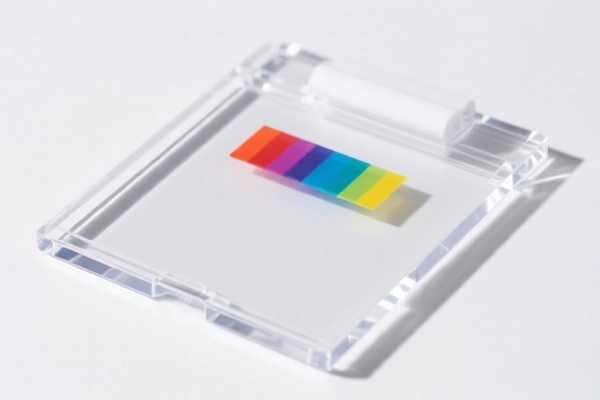
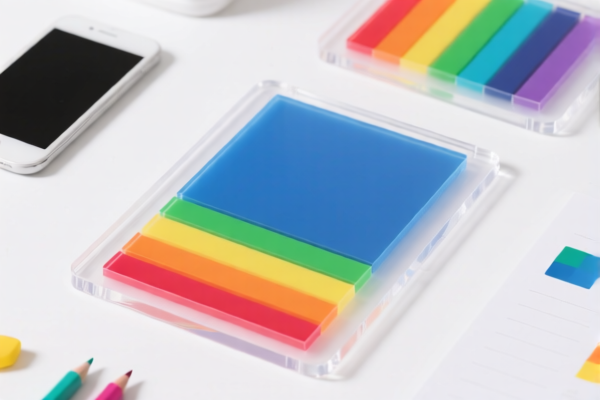
AI Analysis
🎨 Transparent Pad Printing Tape (移印透明胶带)
🌐 HS Code Reference & Customs Clearance Guide | 2026 Latest Tariff Analysis | Professional Strategy for US Import
📌 I. Product Definition & Classification: What Exactly is "Transparent Pad Printing Tape"?
Pad printing tape (also known as silicone transfer tape or silicone tape) is a critical consumable in industrial printing. It consists of a silicone or plastic backing coated with adhesive, used to transfer ink from an etched plate to a substrate.
In international trade, classification depends heavily on material composition and function:
- Plastic/Silicone Backed Tapes: If the tape is made of plastic (like PVC/PET) or silicone rubber with an adhesive layer, it generally falls under Chapter 39 (Plastics) or Chapter 35 (Resins/Adhesives) depending on the primary characteristic.
- Paper/Cellulose Backed Tapes: If the backing is paper-based (less common for high-end pad printing, but possible for low-cost applications), it falls under Chapter 48 (Paper).
⚠️ Key Classification Point:
- "Transparent" is a physical characteristic, not a primary classifier.
- "Pad Printing" implies use with silicone/plastic materials.
- "Tape" implies an adhesive strip format.
- Conflict Resolution: Since the exact material (Silicone vs. Plastic vs. Paper) is not explicitly stated in the name "Transparent Pad Printing Tape," we analyze the most likely scenarios based on industry standards.
📦 II. HS Code Classification Details (2026 Authorized List)
Based on the provided data, here are the four potential HS Codes and their logical derivations:
| HS Code | Product Description | Match Logic | Tax Rate (Total) |
|---|---|---|---|
3919.10.20.30 |
Self-adhesive plastic tape, in rolls, of a width ≤ 20 cm, of other plastics, transparent | Direct Match: Name explicitly includes "Transparent" and "Tape". Fits the description of plastic tape. Width/Length not specified, so assumed compliant. | 40.8% |
3919.10.20.55 |
Self-adhesive plastic tape, in rolls, other (including pad printing tape) | Strong Match: "Tape" form matches "Self-adhesive, strip/roll". Material: Pad printing tape is typically silicone/plastic. Falls under "Other" plastics. | 40.8% |
4811.41.10.00 |
Self-adhesive paper tape, in rolls, of a width ≤ 20 cm | Possible Match: "Transparent" and "Tape" fit. However, pad printing tape is rarely paper-based. Based on "Tape" name, it could be misclassified here if paper-backed. | 35.0% |
3506.91.10.00 |
Prepared glues and other prepared adhesives, containing polymers as base, in forms for retail sale | Functional Match: Tape is an adhesive form. Material: Based on "Transparent" and "Tape", it likely contains polymers (EVA, PET, Acrylic). Fits "Polymer-based adhesive". | 35.0% |
🔍 Critical Analysis:
- Ch 39 (Plastics) is the most common category for silicone/plastic pad printing tapes.
- Ch 35 (Adhesives) is a fallback if the adhesive component is deemed more significant than the backing.
- Ch 48 (Paper) is less likely for professional pad printing but included due to the generic "Tape" descriptor.
💰 III. 2026 Latest Tariff Rate Breakdown (Including Surtaxes)
✅ Applicable Country: United States (US)
✅ Origin: China (CN)
✅ Effective Date: November 10, 2025 (and subsequent imports)
🎯 1. Group A: HS Codes 3919.10.20.30 & 3919.10.20.55
(Plastic/Silicone Self-Adhesive Tape)
| Item | Detail |
|---|---|
| Base Tariff | 5.8% (Ad Valorem) |
| USITC Surtax (Section 301) | +25.0% (Applied to Chinese-origin plastics/tapes) |
| IEEPA Surtax (Section 122) | +10.0% (Additional duty on Chinese goods effective Nov 10, 2025) |
| Total Tariff Rate | 40.8% |
| Calculation Basis | CIF Value × 40.8% |
| De Minimis Exemption | ❌ Not Eligible (deny_de_minimis) |
| Legal Basis Path | USITC:3919.10.20.xx → FOOTNOTE:301_3919 → IEEPA:9903.01.25 |
📌 Explanation:
- 5.8%: Standard MFN duty for self-adhesive plastic tapes.
- 25%: Section 301 tariff specifically targeting plastic goods from China.
- 10%: New "122 Provision" tariff added in late 2025, targeting broad categories of Chinese imports.
- Result: High cost burden. Must be factored into pricing.
🎯 2. Group B: HS Codes 4811.41.10.00 & 3506.91.10.00
(Paper-Based Tape OR Polymer-Based Adhesives)
| Item | Detail |
|---|---|
| Base Tariff | 0.0% (Ad Valorem) |
| USITC Surtax (Section 301) | +25.0% (Applied to Chinese-origin goods in these categories) |
| IEEPA Surtax (Section 122) | +10.0% (Additional duty on Chinese goods) |
| Total Tariff Rate | 35.0% |
| Calculation Basis | CIF Value × 35.0% |
| De Minimis Exemption | ❌ Not Eligible (deny_de_minimis) |
| Legal Basis Path | USITC:4811.41.10.00 or USITC:3506.91.10.00 → FOOTNOTE:301_generic → IEEPA:9903.01.25 |
📌 Explanation:
- 0% Base: Paper tapes (4811) and certain adhesives (3506) have lower or zero base duties.
- However: The 35% total rate is still significant due to the 25% + 10% surcharges.
- Risk: Misclassifying plastic tape as paper/adhesive to save 5.8% base rate may trigger audits if material proof is not provided.
🛠️ IV. Customs Clearance Practical Advice (Best Practices)
✅ 1. Preparation Checklist (Non-Negotiable)
| Document | Required? | Purpose |
|---|---|---|
| ✅ Product Specification Sheet | ✔️ | Must state: Material (Silicone/Paper/Plastic), Width, Roll Length, Adhesive Type. |
| ✅ Material Composition Report | ✔️ | Crucial to distinguish between Ch 39 (Plastic) and Ch 48 (Paper). |
| ✅ Clear Product Photos | ✔️ | Show transparency, backing material, and packaging. |
| ✅ Commercial Invoice | ✔️ | Describe as "Silicone Pad Printing Tape" or "Transparent Adhesive Tape". Avoid vague terms like "Accessory". |
| ✅ Country of Origin Certificate | ✔️ | Confirm China origin for surtax calculation. |
✅ 2. Declaration Strategy (Key Tips)
🔥 “Material is King! Don’t Guess, Prove It!”
| Scenario | Recommended HS Code | Reason |
|---|---|---|
| Silicone/Plastic Backing (Most Common) | 3919.10.20.30 or 3919.10.20.55 |
Accurate material match. Tax: 40.8%. |
| Paper Backing (Rare/Low-cost) | 4811.41.10.00 |
If confirmed paper. Tax: 35.0%. |
| Adhesive Focus (Gel/Paste on Tape) | 3506.91.10.00 |
If adhesive content > backing value. Tax: 35.0%. |
⚠️ Warning:
- Do NOT declare as "Accessories" or "General Adhesives" without proper HS code.
- If you declare3506.91.10.00for a plastic tape, CBP may audit you for misclassification, leading to penalties.
✅ 3. Special Situations
| Situation | Advice |
|---|---|
| Custom Size Rolls | Specify width/length on invoice. If width > 20cm, HS code may change. |
| OEM Branding | No impact on HS code, but ensure brand name doesn’t mislead function. |
| Sample Shipments | Still subject to full tariff. No de minimis exemption for this category. |
🌍 V. Global Market Comparison (2026)
| Country/Region | Recommended HS Code | Total Tariff (China Origin) | Notes |
|---|---|---|---|
| 🇺🇸 USA | 3919.10.20.30 / 3919.10.20.55 |
40.8% | High surtaxes (301 + 122). |
| 🇨🇳 China | 3919.10.20.30 |
5.8% | No additional surtaxes for import. |
| 🇪🇺 EU | 3919.10.00 |
0% - 4% | No Section 301/122 equivalents. Low duty. |
| 🇬🇧 UK | 3919.10.00 |
0% - 4% | Post-Brexit tariffs similar to EU. |
| 🇯🇵 Japan | 3919.10.00 |
0% - 6% | CETPPA benefits may apply. |
📌 Conclusion:
- USA is the most expensive market due to 40.8% total duty.
- EU/UK/Japan offer significant tariff advantages (~0-6%).
- Consider supply chain optimization if shipping primarily to the US.
📌 VI. Common Mistakes & Pitfalls (Blood Lessons)
❌ Mistake 1: Declaring "Pad Printing Tape" as "Office Tape" (4820.10)
👉 Consequence: Misclassification. Customs may reject or impose penalties. Pad printing tape is industrial, not office use.
❌ Mistake 2: Ignoring the "122 Provision" (10% surtax)
👉 Consequence: Underpayment. The new 10% IEEPA tariff is effective Nov 2025. Failing to include it results in back taxes + interest.
❌ Mistake 3: Assuming "Transparent" = Paper (4811)
👉 Consequence: Most transparent pad printing tapes are Silicone/Plastic. Misclassifying leads to audit risk.
❌ Mistake 4: Splitting shipments to avoid thresholds
👉 Consequence: CBP aggressively pursues "smurfing" (splitting shipments). All imports are aggregated.
✅ Correct Approach:
"Silicone Pad Printing Tape, Transparent, 100mm x 50m, Self-Adhesive, For Industrial Use, HS 3919.10.20.55"
🎯 VII. Conclusion: Smart Classification, Cost Control
🎯 Remember the Golden Rule:
🔹 "Material First, Form Second, Surtax Always!"
🔹 "Silicone Tape = 40.8% (US). Paper Tape = 35.0% (US). Don’t Guess!"
🔹 "Total Duty = Base + 301% + 122%. Plan your budget accordingly."
📌 Pro Tip:
If your pad printing tape is sourced from Vietnam, Malaysia, or Thailand, you may qualify for lower or zero surtaxes under US trade agreements.
Recommend Advance Ruling from CBP if your product material is ambiguous (Silicone vs. Plastic).
📣 Immediate Action:
📞 Verify Material Composition → Select Correct HS Code → Calculate 40.8% or 35.0% Duty → Prepare Full Documentation.
🚀 Clear Customs Smoothly, Protect Your Margin, Ship with Confidence!
✨ Professional Clearance Starts with Precise Classification!
💼 Every Percentage Point Counts in Global Trade!
Customer Reviews
About HS Code Classification
The Harmonized System (HS) is an internationally standardized nomenclature developed by the World Customs Organization (WCO) to classify traded products. Over 200 countries use the HS system as the basis for customs tariffs, trade statistics, and import/export regulations.
Each HS code follows a hierarchical structure:
- Chapter (2 digits) — Broad category of goods (e.g., Chapter 84: Machinery and Mechanical Appliances)
- Heading (4 digits) — More specific grouping within the chapter
- Subheading (6 digits) — Internationally standardized breakdown, used by all WCO member countries
- National subdivisions (8-10 digits) — Country-specific extensions for further classification, such as US HTSUS 10-digit codes
Correct HS code classification is essential for smooth customs clearance, accurate duty payment, and compliance with trade regulations. Misclassification can lead to customs delays, overpayment of duties, or penalties.
When importing from CN to US, the applicable tariff rates may include:
- Most-Favored-Nation (MFN) rate — The standard duty rate applied to WTO members
- General rate — Applied to countries without trade agreements
- Trade remedy duties — Additional tariffs such as Section 301 (anti-dumping), Section 232 (national security), or countervailing duties
The information provided on this page is for reference purposes only. For official classification, please consult with your local customs authority or a licensed customs broker.