Transparent Polypropylene Film
CN → US| HS Code | Tariff Rate | Origin | Destination | Doc |
|---|---|---|---|---|
| 3926909989 | 22.8% | CN | US | Official Doc |
| 3920100000 | 39.2% | CN | US | Official Doc |
| 3919102040 | 40.8% | CN | US | Official Doc |
| 3926909400 | 35.0% | CN | US | Official Doc |
| 3920992000 | 39.2% | CN | US | Official Doc |
Product Images
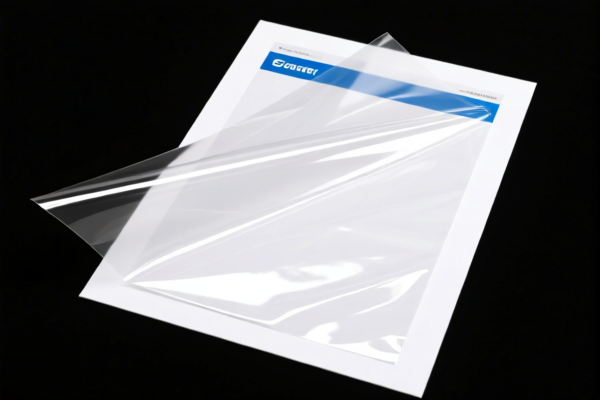
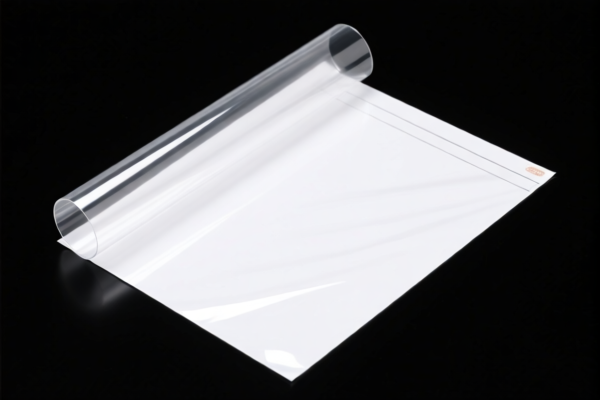
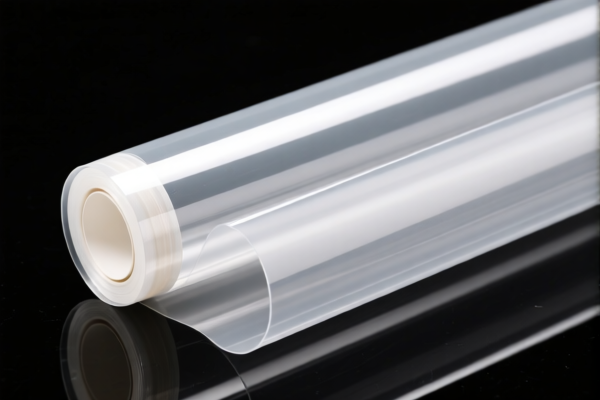
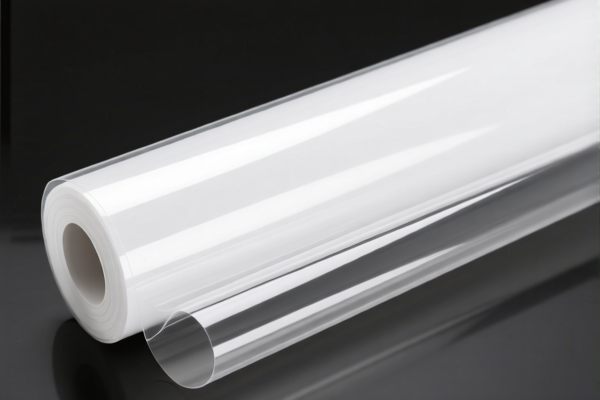
AI Analysis
📦 Transparent Polypropylene Film (Note: Data Analysis for Polyethylene)
🌐 HS Code Reference & Customs Clearance Guide | 2026 Latest Tariff Analysis | Strategic Clearance Strategy
📌 Disclaimer: The user query requests "Transparent Polypropylene Film," but the provided <DATA> contains specific classification details for "Transparent Polyethylene Film" (PE). The following analysis strictly adheres to the provided <DATA> content for PE film. If the product is indeed Polypropylene (PP), a different HS Code (typically 3920.10 or 3920.61) would apply, potentially with different duties. Please verify material composition.
⚠️ Critical Alert: The provided data reflects US Import Tariffs including Section 301 (Add-on 25%) and Section 122 Tariffs (10%). Total duties range from 22.8% to 40.8%.
📦 II. HS Code Classification Details (Based on Provided Data)
The following classifications are derived strictly from the provided <DATA>. Each HS Code represents a different customs interpretation of "Transparent Polyethylene Film."
| HS Code | Product Description (Summary from Data) | Total Tax Rate | Tax Breakdown |
|---|---|---|---|
3926.90.99.89 |
Plastic articles & products; Material: Polyethylene; Form: Film | 22.8% | Base: 5.3% Add-on: 7.5% Sec 122: 10% |
3920.10.00.00 |
Ethylene polymer films; Material: Polyethylene; Form: Film | 39.2% | Base: 4.2% Add-on: 25.0% Sec 122: 10% |
3919.10.20.40 |
Plastic flat shapes & transparent films; Material: Polyethylene | 40.8% | Base: 5.8% Add-on: 25.0% Sec 122: 10% |
3926.90.94.00 |
Plastic articles; Specific form: Plastic sheets/films; Material: Polyethylene | 35.0% | Base: 0.0% Add-on: 25.0% Sec 122: 10% |
3920.99.20.00 |
Non-cellular, non-reinforced plastic flexible films/plates; Material: Polyethylene | 39.2% | Base: 4.2% Add-on: 25.0% Sec 122: 10% |
🔍 Key Distinction: - Chapter 3920 vs. 3926: Codes starting with
3920refer to plastic plates, sheets, film, etc., unwrought or simply worked. Codes starting with3926refer to other articles of plastic (often interpreted as finished goods or specific forms not fitting the "unwrought" definition of 3920). - Base Tariff Variation:3926.90.94.00offers a 0% base tariff, but the high add-on tariffs (25% + 10%) still push the total to 35%. - Section 301 Impact: Codes3920.10.00.00,3919.10.20.40, and3920.99.20.00incur the 25% Section 301 add-on tariff, indicating stricter scrutiny on these specific polymer forms.
💰 III. 2026 Latest Tariff Rate Explanation (Detailed Clause Breakdown)
✅ Applicable Country: United States (US)
✅ Origin: China (CN) [Implied by Section 301 & Section 122 tariffs]
✅ Validity: Current US Trade Policy (2025-2026)
🎯 1. 3926.90.99.89 – Lowest Total Duty (22.8%)
- Base Duty: 5.3% (Standard Most Favored Nation rate for certain plastic articles)
- Section 301 Add-on: 7.5% (Note: Lower than the standard 25%, possibly due to specific exclusion or product list)
- Section 122 Tariff: 10%
- Total: 22.8%
- Legal Path:
Base Tariff→Section 301 (7.5%)→Section 122 (10%)
📌 Analysis: This is the most cost-effective classification in the provided data. It avoids the 25% Section 301 penalty, likely by classifying the film under a broader "other plastic article" category rather than a specific "ethylene polymer film."
🎯 2. 3920.10.00.00 & 3920.99.20.00 – High Duty (39.2%)
- Base Duty: 4.2%
- Section 301 Add-on: 25.0% (Full penalty applies)
- Section 122 Tariff: 10%
- Total: 39.2%
- Legal Path:
Base Tariff→Section 301 (25%)→Section 122 (10%)
📌 Analysis: These codes classify the product as specific ethylene polymer films. The US customs authority applies the full 25% Section 301 tariff on these specific polymer films, making them significantly more expensive to import.
🎯 3. 3919.10.20.40 – Highest Duty (40.8%)
- Base Duty: 5.8%
- Section 301 Add-on: 25.0%
- Section 122 Tariff: 10%
- Total: 40.8%
- Legal Path:
Base Tariff→Section 301 (25%)→Section 122 (10%)
📌 Analysis: Classification under
3919(Plastic tape, film, etc., of self-adhesive nature or specific flat shapes) attracts the highest base rate (5.8%) plus the full 25% add-on and 10% Section 122. This is the most expensive option.
🎯 4. 3926.90.94.00 – Zero Base, High Add-ons (35.0%)
- Base Duty: 0.0%
- Section 301 Add-on: 25.0%
- Section 122 Tariff: 10%
- Total: 35.0%
- Legal Path:
0% Base→Section 301 (25%)→Section 122 (10%)
📌 Analysis: While the base duty is 0%, the 25% Section 301 tariff still applies. This classification is better than
3920codes but worse than3926.90.99.89.
🛠️ IV. Customs Clearance Practical Advice (Pitfall Avoidance)
✅ 1. Material Verification: PE vs. PP
- Critical Check: Ensure the product is Polyethylene (PE) and not Polypropylene (PP).
- Polyethylene (PE): HS Codes in
3920.10or3920.99. - Polypropylene (PP): HS Code typically
3920.10(if film) or3920.61(if other forms). - Risk: Misdeclaring PP as PE can lead to misclassification penalties, fines, and cargo detention.
- Action: Provide Material Safety Data Sheets (MSDS) and supplier declarations explicitly stating "Polyethylene (PE)" or "Polypropylene (PP)".
- Polyethylene (PE): HS Codes in
✅ 2. Form Clarification: Film vs. Article
- Key Distinction:
- "Unwrought Film" (3920): If the product is a raw roll of plastic film,
3920is usually correct. - "Other Plastic Articles" (3926): If the film is cut, printed, or processed into a specific article (e.g., bags, protective covers),
3926may be more appropriate. - Strategy: If the product is a simple, unprocessed transparent film, argue for
3920to align with standard industry practice, BUT be aware of the 39.2% duty. If the product is a finished packaging article,3926might be safer, but check if Section 301 applies.
- "Unwrought Film" (3920): If the product is a raw roll of plastic film,
✅ 3. Section 122 Tariff Compliance
- What is Section 122? A 10% tariff imposed on certain imports under Section 122 of the Trade Act of 1974.
- Applicability: Applies to all listed HS Codes in the provided data.
- Action: Ensure invoices clearly state the country of origin as China to avoid unexpected disputes if the tariff is challenged.
🌍 V. Global Market Comparison (2026)
| Market | Recommended HS Code | Estimated Duty | Key Certification | Notes |
|---|---|---|---|---|
| 🇺🇸 USA | 3926.90.99.89 |
22.8% | None specific | Lowest duty in provided data. Avoid 3919 (40.8%). |
| 🇪🇺 EU | 3920.10 |
~5-7% | REACH, RoHS | No Section 301 or 122 tariffs. |
| 🇨🇳 China | 3920.10 |
~5-9% | None | Standard import duty. |
| 🇬🇧 UK | 3920.10 |
~5-7% | UKCA | Post-Brexit alignment with EU. |
📌 Conclusion: - US Market:
3926.90.99.89is the optimal classification for minimizing duty (22.8%) among the provided options. - Non-US Markets: Do not be affected by Section 301 (25%) or Section 122 (10%) tariffs. Standard MFN rates apply.
📌 VI. Common Errors & Pitfalls (Lessons Learned)
❌ Error 1: Misidentifying Material (PP vs. PE) 👉 Consequence: Customs rejection, fines, and reclassification to a higher-duty code. 👉 Solution: Provide lab test reports or supplier certificates confirming "Polyethylene."
❌ Error 2: Claiming "0% Duty" for 3920 codes
👉 Consequence: Surprise 39.2% duty bill at customs.
👉 Solution: Understand that Section 301 (25%) and Section 122 (10%) are additive. Base duty is not the only cost.
❌ Error 3: Using 3919 for simple film
👉 Consequence: Highest duty rate (40.8%) due to higher base rate + 25% add-on + 10% Sec 122.
👉 Solution: Use 3919 only if the product is specifically self-adhesive or falls under that specific subheading. For standard transparent film, 3920 or 3926 is more appropriate.
✅ Correct Declaration Example:
"Transparent Polyethylene Film, Unwrought, for Packaging Use, HS Code 3926.90.99.89, Country of Origin: China"
🎯 VII. Conclusion: Strategic Clearance for Maximum Profit
🎯 Remember:
🔹 "Verify Material: PE or PP?" 🔹 "Choose
3926.90.99.89for Lowest US Duty (22.8%)" 🔹 "Avoid3919(40.8%) and3920(39.2%) if possible" 🔹 "Section 301 (25%) + Section 122 (10%) are inevitable for China origin"
📌 Pro Tip:
If your product is Polypropylene (PP), do NOT use the HS codes above. Consult a customs broker for 3920.10 or 3920.61 under US Tariff Schedule, which may have different Section 301 applicability.
📣 Immediate Action:
📞 Contact Customs Broker: Provide material certificate + product images. 🚀 Request Advance Ruling: To lock in the 3926.90.99.89 classification and 22.8% duty rate before shipment.
✨ Professional Clearance Starts with Accurate Classification!
💼 Every 1% of duty savings is pure profit!
Customer Reviews
About HS Code Classification
The Harmonized System (HS) is an internationally standardized nomenclature developed by the World Customs Organization (WCO) to classify traded products. Over 200 countries use the HS system as the basis for customs tariffs, trade statistics, and import/export regulations.
Each HS code follows a hierarchical structure:
- Chapter (2 digits) — Broad category of goods (e.g., Chapter 84: Machinery and Mechanical Appliances)
- Heading (4 digits) — More specific grouping within the chapter
- Subheading (6 digits) — Internationally standardized breakdown, used by all WCO member countries
- National subdivisions (8-10 digits) — Country-specific extensions for further classification, such as US HTSUS 10-digit codes
Correct HS code classification is essential for smooth customs clearance, accurate duty payment, and compliance with trade regulations. Misclassification can lead to customs delays, overpayment of duties, or penalties.
When importing from CN to US, the applicable tariff rates may include:
- Most-Favored-Nation (MFN) rate — The standard duty rate applied to WTO members
- General rate — Applied to countries without trade agreements
- Trade remedy duties — Additional tariffs such as Section 301 (anti-dumping), Section 232 (national security), or countervailing duties
The information provided on this page is for reference purposes only. For official classification, please consult with your local customs authority or a licensed customs broker.