Transparent Repair Tape
CN → US| HS Code | Tariff Rate | Origin | Destination | Doc |
|---|---|---|---|---|
| 3919102040 | 40.8% | CN | US | Official Doc |
| 3919905040 | 40.8% | CN | US | Official Doc |
Product Images
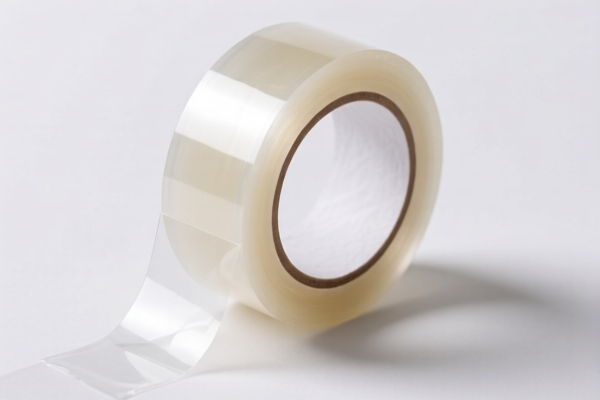
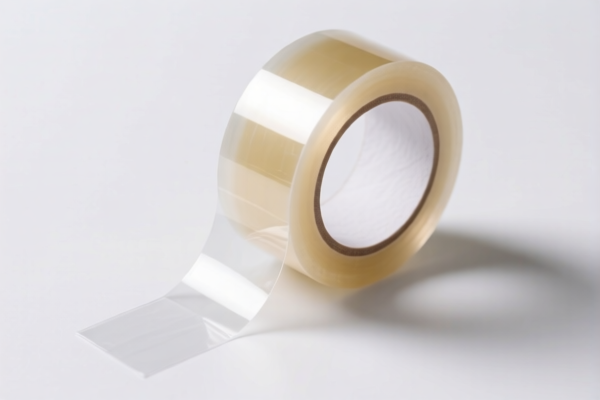
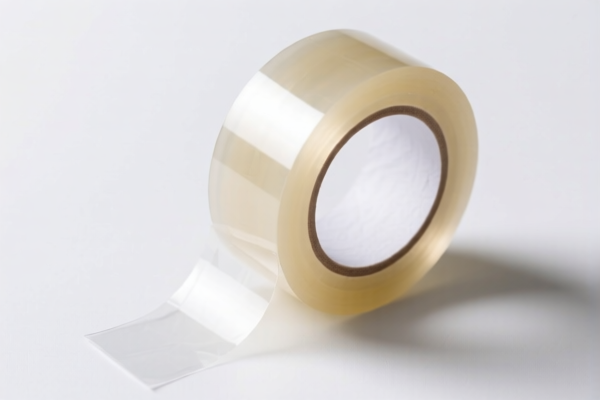
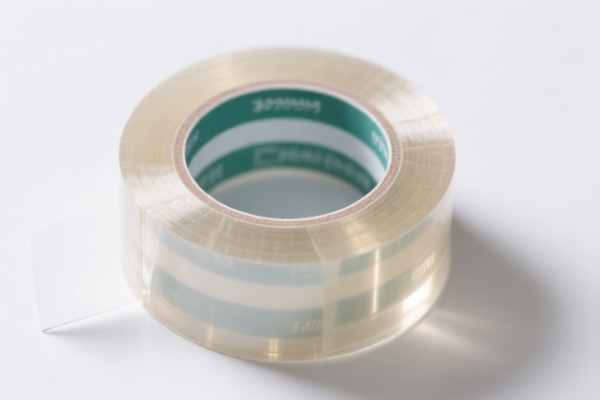
AI Analysis
🩹 Transparent Repair Tape
🌐 HS Code Reference & Customs Clearance Guide | 2026 Latest Tariff Analysis | Professional Entry Strategy
📌 I. Product Definition & Classification: What Exactly Is "Transparent Repair Tape"?
Transparent Repair Tape is a specialized adhesive product primarily used for sealing, joining, or repairing materials (such as plastic, paper, or fabric). In international trade, its classification hinges on two key factors:
1. Material Composition: Typically made of plastics (e.g., PVC, OPP, PET).
2. Form Factor: Self-adhesive, presented in rolls or strips, with transparent attributes.
⚠️ Key Classification Criteria:
- If the tape is plastic-based, self-adhesive, and in rolls → It falls under Chapter 39 (Plastics and Articles Thereof).
- Specifically, it is classified under Heading 39.19 (Plastics articles, self-adhesive plates, sheets, film, foil, tape, strip and other flat shapes, whether or not in rolls).
📦 II. HS Code Classification Details (2026 Latest Tariff Reference)
| HS Code | Product Description | Classification Logic |
|---|---|---|
3919.10.20.40 |
Self-adhesive plastics plates, sheets, film, foil, tape, strip and other flat shapes, in rolls of a width not exceeding 20 cm, of plastics, whether or not in rolls, transparent | Primary Classification: Based on material (plastic), form (tape/strip), and attribute (transparent). Matches the specific subheading for transparent self-adhesive plastic tape. |
3919.90.50.40 |
Other self-adhesive plastics plates, sheets, film, foil, tape, strip and other flat shapes | Alternative Classification: If the tape is considered "other" specific types not covered under 3919.10, or based on specific transparent attribute interpretations. Also plastic-based, self-adhesive, and transparent. |
🔍 Important Note:
- Both codes (3919.10.20.40and3919.90.50.40) reflect the plastic material and self-adhesive tape form.
- The distinction often lies in the specific width, backing material, or exact adhesive composition, but for general transparent repair tape, both are relevant depending on precise product specs.
- Consistency in Taxation: Both HS codes carry the same total tariff rate in this dataset.
💰 III. 2026 Latest Tariff Rate Breakdown (Including Surtaxes & Policy Add-ons)
✅ Applicable Country: United States (US)
✅ Country of Origin: China (CN)
✅ Effective Date: Current applicable rates
🎯 1. HS Code 3919.10.20.40 — Transparent Self-Adhesive Plastic Tape
| Item | Detail |
|---|---|
| Base Duty Rate | 5.8% |
| Section 301 Surcharge | 25.0% |
| Section 122 Tariff | 10.0% |
| Total Tariff Rate | 40.8% |
| Calculation Method | CIF Value × 40.8% |
| De Minimis Exemption | ❌ Not Eligible |
| Legal Basis Path | Base: 5.8% + Section 301: 25.0% + Section 122: 10.0% |
📌 Explanation:
- Base Duty (5.8%): Standard MFN (Most Favored Nation) rate for self-adhesive plastic tape.
- Section 301 Surcharge (25%): Additional tariff imposed on certain Chinese goods under U.S. Trade Act Section 301.
- Section 122 Tariff (10%): Specific additional tariff applicable to certain plastic products from China.
- Total Effective Rate: 40.8% — This is a high tariff rate, significantly impacting landed cost.
🎯 2. HS Code 3919.90.50.40 — Other Self-Adhesive Plastic Tape
| Item | Detail |
|---|---|
| Base Duty Rate | 5.8% |
| Section 301 Surcharge | 25.0% |
| Section 122 Tariff | 10.0% |
| Total Tariff Rate | 40.8% |
| Calculation Method | CIF Value × 40.8% |
| De Minimis Exemption | ❌ Not Eligible |
| Legal Basis Path | Base: 5.8% + Section 301: 25.0% + Section 122: 10.0% |
📌 Note:
- Identical tariff structure to3919.10.20.40.
- Whether classified under 3919.10 or 3919.90, the total tax burden remains 40.8% for Chinese-origin goods entering the US.
🛠️ IV. Customs Clearance Practical Advice (Avoid Pitfalls)
✅ 1. Required Documentation Checklist
| Document | Required | Purpose |
|---|---|---|
| ✅ Product Specification Sheet | ✔️ | Must state material (e.g., PVC, OPP), width, length, adhesive type, and transparency. |
| ✅ Commercial Invoice | ✔️ | Clearly describe as "Transparent Repair Tape" or "Self-Adhesive Plastic Tape". |
| ✅ Packing List | ✔️ | Detail dimensions, weight, and package count. |
| ✅ Material Safety Data Sheet (MSDS) | ✔️ | If adhesive contains hazardous chemicals. |
| ✅ Certificate of Origin (CO) | ✔️ | To prove Chinese origin (triggers 40.8% rate). |
| ✅ Product Photos | ✔️ | Show tape roll, label, and transparent nature. |
✅ 2. Declaration Tips (Key Mnemonic)
🔥 "Be Transparent, Be Plastic, Declare Accurately!"
| Scenario | Correct Declaration | Incorrect Practice |
|---|---|---|
| General Transparent Repair Tape | 3919.10.20.40 or 3919.90.50.40 |
Misclassify as non-plastic (e.g., paper tape) → Wrong HS, potential penalties. |
| Tape with Metal Backing | May fall under different heading (e.g., Chapter 72/73) | Forcing into 3919 → Rejection/Seizure. |
| Small Samples (De Minimis) | ❌ Not Eligible for 80USD exemption due to high tariff rates. | Assuming all small packages are duty-free → Surprise charges. |
✅ 3. Special Handling
| Situation | Advice |
|---|---|
| OEM/Private Label | Provide branding authorization if needed, but HS code remains based on physical attributes. |
| Mixed Shipments | Ensure transparent repair tape is separated from non-plastic tapes for accurate classification. |
| Origin Fraud | Do not misdeclare origin as Vietnam/Malaysia to avoid tariffs → High risk of customs audit and penalties. |
🌍 V. Global Market Comparison (2026 Overview)
| Country/Region | Recommended HS Code | Tariff Rate (China Origin) | Certification | Note |
|---|---|---|---|---|
| 🇺🇸 USA | 3919.10.20.40 / 3919.90.50.40 |
40.8% | None specific | High tariff due to Section 301 & 122. |
| 🇨🇳 China | 3919.10.20.40 |
Low/Exempt (Import) | CCC (if applicable) | Domestic production benefits. |
| 🇪🇺 EU | 3919.10.20.40 |
~5-7% | REACH/RoHS | No Section 301 equivalent, but CE/RoHS compliance needed. |
| 🇬🇧 UK | 3919.10.20.40 |
~5-7% | UKCA | Post-Brexit rules apply. |
| 🇨🇦 Canada | 3919.10.20.40 |
~5-6% | None | CUSMA may apply for non-China origins. |
📌 Conclusion:
- The USA imposes the highest effective tariff (40.8%) on Chinese-made transparent repair tape due to multiple surcharges.
- EU/UK/Canada have significantly lower rates (~5-7%), but require environmental/compliance certifications (REACH, RoHS, UKCA).
📌 VI. Common Mistakes & Pitfall Guide
❌ Mistake 1: Classifying as "Paper Tape" or "Cloth Tape"
👉 Consequence: Wrong HS code → Customs rejection, fines, or retroactive high duties.
✅ Fix: Confirm material is plastic.
❌ Mistake 2: Assuming De Minimis ($800) applies
👉 Consequence: Many e-commerce shipments are audited; if found to be Chinese origin, 40.8% duty + penalties will be charged later.
✅ Fix: Pre-calculate landed cost including 40.8% tariff.
❌ Mistake 3: Ignoring Section 122 Surcharge
👉 Consequence: Underestimating total tax by 10%.
✅ Fix: Always include Section 122 in cost calculations for plastic tapes.
🎯 VII. Conclusion: Professional Clearance, Cost Efficiency
🎯 Remember:
🔹 "Plastic + Self-Adhesive + Transparent = HS 3919"
🔹 "China Origin to US = 40.8% Total Duty"
🔹 "Accurate Declaration Saves Money and Time!"
📌 Pro Tip:
If your tape is originating from Vietnam, Thailand, or Malaysia, you may be eligible for lower or zero tariffs under various Free Trade Agreements (FTAs) and not subject to Section 301/122.
Recommend Advance Ruling with CBP to confirm HS code and duty eligibility before shipping.
📣 Immediate Action:
📞 Consult with a licensed customs broker.
📄 Ensure product specs clearly state "Plastic Material, Self-Adhesive, Transparent."
🚀 Plan your supply chain carefully to manage the 40.8% tariff burden.
✨ Professional Clearance Starts with Accurate Classification!
💼 Every dollar saved on correct classification is pure profit!
Customer Reviews
About HS Code Classification
The Harmonized System (HS) is an internationally standardized nomenclature developed by the World Customs Organization (WCO) to classify traded products. Over 200 countries use the HS system as the basis for customs tariffs, trade statistics, and import/export regulations.
Each HS code follows a hierarchical structure:
- Chapter (2 digits) — Broad category of goods (e.g., Chapter 84: Machinery and Mechanical Appliances)
- Heading (4 digits) — More specific grouping within the chapter
- Subheading (6 digits) — Internationally standardized breakdown, used by all WCO member countries
- National subdivisions (8-10 digits) — Country-specific extensions for further classification, such as US HTSUS 10-digit codes
Correct HS code classification is essential for smooth customs clearance, accurate duty payment, and compliance with trade regulations. Misclassification can lead to customs delays, overpayment of duties, or penalties.
When importing from CN to US, the applicable tariff rates may include:
- Most-Favored-Nation (MFN) rate — The standard duty rate applied to WTO members
- General rate — Applied to countries without trade agreements
- Trade remedy duties — Additional tariffs such as Section 301 (anti-dumping), Section 232 (national security), or countervailing duties
The information provided on this page is for reference purposes only. For official classification, please consult with your local customs authority or a licensed customs broker.