Transparent Seal
CN → US| HS Code | Tariff Rate | Origin | Destination | Doc |
|---|---|---|---|---|
| 3926909989 | 22.8% | CN | US | Official Doc |
| 9611000000 | 20.2% | CN | US | Official Doc |
| 3926904800 | 13.4% | CN | US | Official Doc |
| 4421919880 | 38.3% | CN | US | Official Doc |
| 3926100000 | 15.3% | CN | US | Official Doc |
Product Images
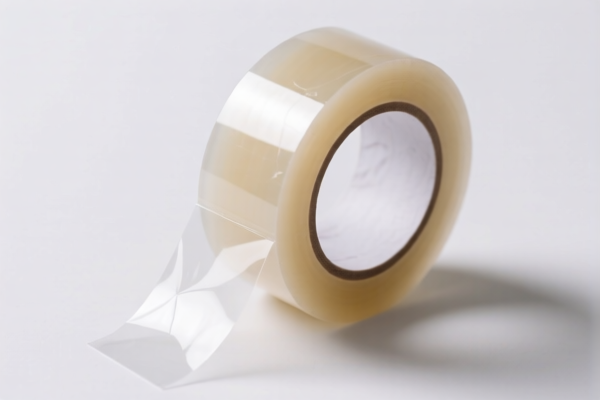
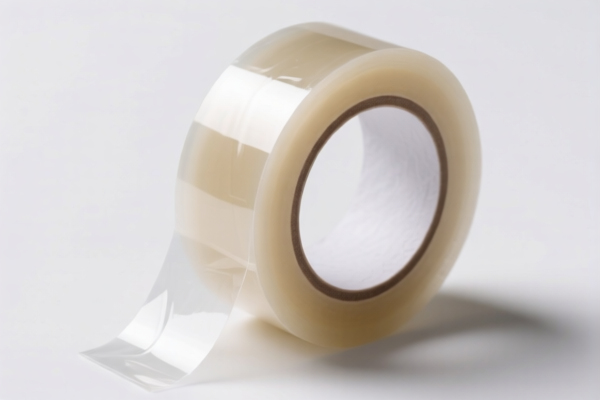
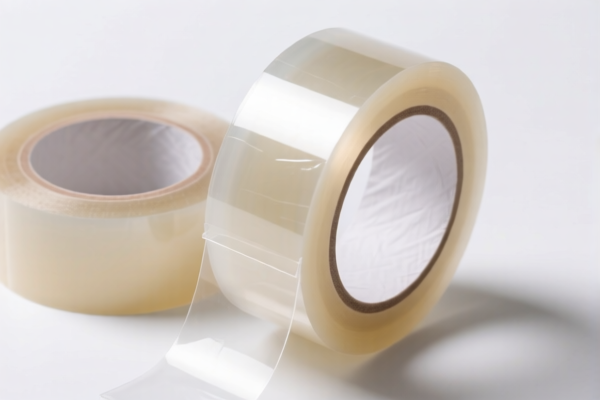
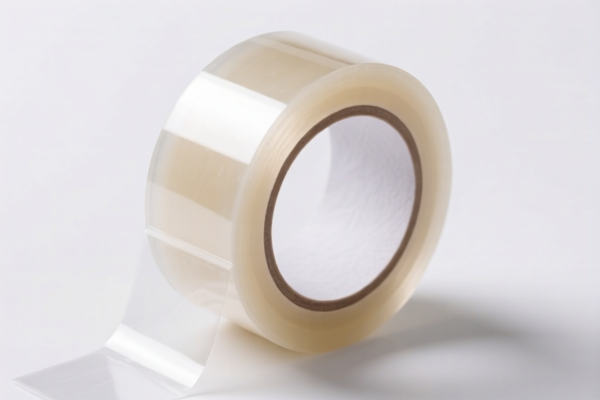
AI Analysis
🔍 Transparent Seal (Clear Adhesive Tape / Sealant)
🌐 HS Code Reference & Customs Clearance Guide | 2026 Latest Tariff Analysis | Professional Level Strategy
📌 I. Product Definition & Classification: Do You Really Understand "Transparent Seals"?
The term "Transparent Seal" is ambiguous in international trade and typically refers to one of two distinct categories based on material and function:
- Adhesive Tapes/Sealing Tapes (Plastic-based): Clear plastic films (PET, PVC, BOPP) with adhesive, used for sealing boxes, bundling, or temporary repairs.
- Stamps/Seals (Plastic or Wood): Rubber or plastic plates with handles, used for imprinting dates, logos, or serial numbers, often featuring a clear acrylic base or handle.
⚠️ Key Distinction Point:
- If it is a roll of adhesive film used for packaging or bonding → It is a Plastic Article or Stationery.
- If it is a hand-held device used for imprinting → It is a Stamp/Seal.
- If it is a wooden item (less common for "transparent" but possible in specific contexts) → It falls under Wood Products.
📦 II. HS Code Classification Details (2026 Latest Tariff Authority Comparison)
Based on the provided data, we analyze the most likely classifications for "Transparent Seal."
| HS Code | Product Description | Application Scenario | Material/Feature | Total Tax Rate |
|---|---|---|---|---|
3926.90.99.89 |
Other articles of plastic, not elsewhere specified | General clear plastic seals, tapes, or non-specific plastic accessories | Plastic | 22.8% |
3926.90.48.00 |
Other plastic articles (No material conflict) | Specific plastic sealing components, transparent plastic seals | Plastic | 13.4% |
3926.10.00.00 |
Office or school supplies of plastic | Plastic staplers, hole punches, or plastic-bound sealing tools | Plastic | 15.3% |
9611.00.00.00 |
Date stamps, sealing stamps, numbering stamps, and similar printing stamps | Hand-held stamping devices with transparent bases or handles | Plastic/Wood/Rubber | 20.2% |
4421.91.98.80 |
Other wooden articles | Rare: Wooden seals or handles if made of wood (Note: "Transparent" usually implies plastic, but this code is in the dataset) | Wood | 38.3% |
🔍 Key Reminder:
- "Transparent Seal" as Tape/Adhesive: Usually falls under Chapter 39 (Plastics). The most precise codes are3926.90.99.89(general) or3926.90.48.00(specific).
- "Transparent Seal" as a Stamping Tool: Falls under Chapter 96 (Articles of Stationery). Code9611.00.00.00is critical for stamping devices.
- Avoid4421...: Only use if the product is explicitly wooden. "Transparent" strongly suggests plastic, so this code (38.3%tax) is likely incorrect unless it's a wooden item with a transparent coating.
💰 III. 2026 Latest Tariff Rate Detailed Analysis (Including Surtaxes, Policy Add-ons)
✅ Applicable Country: United States (US)
✅ Origin: China (CN)
✅ Effective Date: 2025-11-10 onwards (Including subsequent imports)
🎯 1. 3926.90.99.89 —— Other Plastic Articles (General)
| Item | Content |
|---|---|
| Base Tariff | 5.3% (ad valorem) |
| USITC Surtax (Section 301) | +7.5% |
| IEEPA Surtax (Section 122/EO) | +10% (China-origin specific) |
| Total Tax Rate | 22.8% |
| Tax Calculation | CIF Value × 22.8% |
| De Minimis Eligibility | ❌ No (deny_de_minimis) |
| Legal Basis Path | USITC:3926.90.99.89 → FOOTNOTE:301_Section_3 → IEEPA:China_Origin |
📌 Explanation:
- This is a catch-all category for plastic goods not listed elsewhere.
- The 7.5% is the Section 301 tariff.
- The 10% is the additional IEEPA tariff.
- Total 22.8% is a moderate-to-high rate for plastics.
🎯 2. 3926.90.48.00 —— Other Plastic Articles (Specific)
| Item | Content |
|---|---|
| Base Tariff | 3.4% (ad valorem) |
| USITC Surtax (Section 301) | 0.0% |
| IEEPA Surtax (Section 122/EO) | +10% |
| Total Tax Rate | 13.4% |
| Tax Calculation | CIF Value × 13.4% |
| De Minimis Eligibility | ❌ No (deny_de_minimis) |
| Legal Basis Path | USITC:3926.90.48.00 → IEEPA:China_Origin |
📌 Explanation:
- This code has a 0% Section 301 surtax, making it significantly cheaper.
- Strategic Insight: If your "Transparent Seal" is a specific type of plastic article (e.g., a sealing strip, plastic cover), check if it fits3926.90.48.00to save 9.4% compared to the general category.
🎯 3. 3926.10.00.00 —— Office/School Supplies of Plastic
| Item | Content |
|---|---|
| Base Tariff | 5.3% (ad valorem) |
| USITC Surtax (Section 301) | 0.0% |
| IEEPA Surtax (Section 122/EO) | +10% |
| Total Tax Rate | 15.3% |
| Tax Calculation | CIF Value × 15.3% |
| De Minimis Eligibility | ❌ No (deny_de_minimis) |
| Legal Basis Path | USITC:3926.10.00.00 → IEEPA:China_Origin |
📌 Explanation:
- If the seal is part of an office supply (e.g., a plastic stapler that seals documents, or a plastic sealing machine accessory), this code may apply.
- 15.3% is better than the general 22.8%.
🎯 4. 9611.00.00.00 —— Date/Sealing Stamps
| Item | Content |
|---|---|
| Base Tariff | 2.7% (ad valorem) |
| USITC Surtax (Section 301) | +7.5% |
| IEEPA Surtax (Section 122/EO) | +10% |
| Total Tax Rate | 20.2% |
| Tax Calculation | CIF Value × 20.2% |
| De Minimis Eligibility | ❌ No (deny_de_minimis) |
| Legal Basis Path | USITC:9611.00.00.00 → FOOTNOTE:301_Section_3 → IEEPA:China_Origin |
📌 Explanation:
- If the "Transparent Seal" is a stamp (e.g., a clear acrylic base stamp for labeling), this is the correct chapter.
- 20.2% is the rate for stamping devices.
🎯 5. 4421.91.98.80 —— Other Wooden Articles
| Item | Content |
|---|---|
| Base Tariff | 3.3% (ad valorem) |
| USITC Surtax (Section 301) | +25.0% |
| IEEPA Surtax (Section 122/EO) | +10% |
| Total Tax Rate | 38.3% |
| Tax Calculation | CIF Value × 38.3% |
| De Minimis Eligibility | ❌ No (deny_de_minimis) |
| Legal Basis Path | USITC:4421.91.98.80 → FOOTNOTE:301_Section_3 → IEEPA:China_Origin |
📌 Explanation:
- High Risk: If your product is plastic but you misclassify it as wood (4421), you pay 38.3%.
- If it is actually wooden, this is the correct code, but the tax burden is very high.
🛠️ IV. Customs Clearance Practical Advice (Avoid Pitfalls)
✅ 1. Prepare Documentation (All Required)
| Document | Required | Notes |
|---|---|---|
| ✅ Product Specification Sheet | ✔️ | Must specify: Material (Plastic/Wood), Dimensions, Usage (Sealing vs. Stamping). |
| ✅ Photos (Clear) | ✔️ | Show the product clearly. Is it a roll? A stamp? A sheet? |
| ✅ Material Composition Statement | ✔️ | Confirm if it is 100% Plastic (Chapter 39) or Wood (Chapter 44). "Transparent" usually means Plastic. |
| ✅ Commercial Invoice | ✔️ | Describe as "Plastic Sealing Tape, Clear" or "Plastic Hand Stamp, Clear Base". Avoid vague "Transparent Seal". |
| ✅ Packing List | ✔️ | Ensure weight and volume match the declaration. |
✅ 2. Declaration Tips (Key Mantras)
🔥 "Material First, Function Second. Plastic gets 13-23%, Stamps get 20%, Wood gets 38%!"
| Scenario | Correct Declaration | Wrong Practice |
|---|---|---|
| Clear Adhesive Tape | 3926.90.48.00 (if specific) or 3926.90.99.89 |
Misclassify as 9611 (Stamp) → Wrong Chapter |
| Hand-Held Stamp | 9611.00.00.00 |
Misclassify as 3926 (Plastic Toy/Article) → Wrong Function |
| Wooden Stamp Handle | 4421.91.98.80 |
Misclassify as Plastic → 38.3% Tax Risk |
| Office Plastic Sealer | 3926.10.00.00 |
Misclassify as General Plastic → Higher Tax |
✅ 3. Special Cases
| Case | Handling Advice |
|---|---|
| "Transparent Seal" is a Tape | Use Chapter 39. Prefer 3926.90.48.00 (13.4%) if possible to save tax. |
| "Transparent Seal" is a Stamp | Use Chapter 96. Code 9611.00.00.00 (20.2%). |
| Ambiguous Product | Provide both photos and a material statement. Do not guess. |
| OEM Custom Seals | Provide design files to prove it's not a standard commodity if needed for pre-ruling. |
🌍 V. Global Market Comparison (2026 Latest)
| Country/Region | Recommended HS Code | Tax Rate | Certification | Notes |
|---|---|---|---|---|
| 🇺🇸 USA | 3926.90.48.00 / 9611.00.00.00 |
13.4% - 20.2% | None specific for plastic | High tariffs due to Section 301/IEEPA |
| 🇨🇳 China | 3926.90.99.00 |
~5% | CCC (if applicable) | Lower tariffs for export/import |
| 🇪🇺 EU | 3926.90.97 |
0% - 4% | REACH, RoHS | No Section 301 equivalent |
| 🇬🇧 UK | 3926.90.90 |
0% - 5% | UKCA | Post-Brexit rules apply |
| 🇦🇺 Australia | 3926.90.90 |
5% | RCM | No major surtaxes |
📌 Conclusion:
- USA is the most complex market due to layered tariffs (Base + 301 + IEEPA).
- Plastic-based transparent seals are the most common. Aim for3926.90.48.00(13.4%) to minimize costs.
- Wooden items (4421) are rare for "transparent" products and carry a 38.3% tax hit. Avoid unless necessary.
📌 VI. Common Errors & Pitfalls (Blood Lessons)
❌ Mistake 1: Calling it "Transparent Seal" without specifying material.
👉 Result: Customs may guess Wood (4421) → 38.3% Tax!
❌ Mistake 2: Classifying Plastic Tape as "Stationery" (9611).
👉 Result: Wrong Chapter. If it's not a stamp, it's not 9611.
❌ Mistake 3: Ignoring the 10% IEEPA Surtax.
👉 Result: Unexpected bill at clearance. Total tax is not just Base + 301.
❌ Mistake 4: Using 3926.90.99.89 (22.8%) when 3926.90.48.00 (13.4%) applies.
👉 Result: Overpaying 9.4% unnecessarily.
✅ Correct Approach:
"Clear Plastic Adhesive Tape, 12mm x 50m, PET Material, for Package Sealing, HS 3926.90.48.00"
🎯 VII. Conclusion: Precise Classification Saves Money!
🎯 Remember the Mantra:
🔹 "Plastic Seal? Check
3926.90.48.00first (13.4%)."
🔹 "Stamp? Use9611.00.00.00(20.2%)."
🔹 "No Wood! Unless it's actually wood (38.3%)."
📌 Pro Tip:
If your "Transparent Seal" is a custom plastic component, apply for an Advance Ruling with CBP to confirm if 3926.90.48.00 is applicable. This can save 9.4% on every shipment.
📣 Act Now:
📞 Contact your customs broker with photos and material specs.
🚀 Correct Classification = Lower Tax + Smoother Clearance!
✨ Professional Customs Clearance Starts with Accurate Classification!
💼 Your profit margin depends on getting the HS Code right!
Customer Reviews
About HS Code Classification
The Harmonized System (HS) is an internationally standardized nomenclature developed by the World Customs Organization (WCO) to classify traded products. Over 200 countries use the HS system as the basis for customs tariffs, trade statistics, and import/export regulations.
Each HS code follows a hierarchical structure:
- Chapter (2 digits) — Broad category of goods (e.g., Chapter 84: Machinery and Mechanical Appliances)
- Heading (4 digits) — More specific grouping within the chapter
- Subheading (6 digits) — Internationally standardized breakdown, used by all WCO member countries
- National subdivisions (8-10 digits) — Country-specific extensions for further classification, such as US HTSUS 10-digit codes
Correct HS code classification is essential for smooth customs clearance, accurate duty payment, and compliance with trade regulations. Misclassification can lead to customs delays, overpayment of duties, or penalties.
When importing from CN to US, the applicable tariff rates may include:
- Most-Favored-Nation (MFN) rate — The standard duty rate applied to WTO members
- General rate — Applied to countries without trade agreements
- Trade remedy duties — Additional tariffs such as Section 301 (anti-dumping), Section 232 (national security), or countervailing duties
The information provided on this page is for reference purposes only. For official classification, please consult with your local customs authority or a licensed customs broker.