Transparent Sealing Tape
CN → US| HS Code | Tariff Rate | Origin | Destination | Doc |
|---|---|---|---|---|
| 3919102040 | 40.8% | CN | US | Official Doc |
| 3919905040 | 40.8% | CN | US | Official Doc |
| 3919102055 | 40.8% | CN | US | Official Doc |
| 3919102040 | 40.8% | CN | US | Official Doc |
| 4811412100 | 35.0% | CN | US | Official Doc |
Product Images
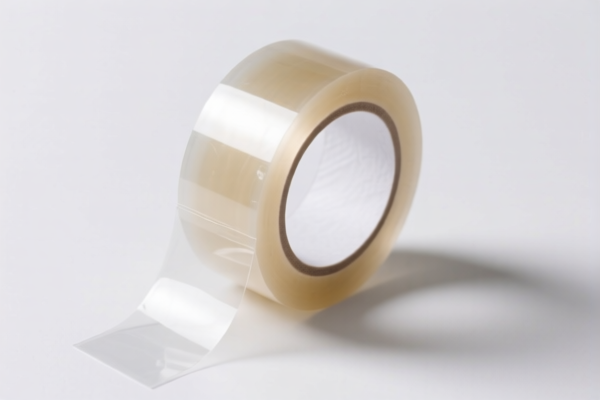



AI Analysis
📦 Transparent Sealing Tape (Plastic & Paper Adhesive Rolls)
🌐 HS Code Reference & Customs Clearance Guide | 2026 Latest Tariff Analysis | Professional Entry Strategy
📌 I. Product Definition & Classification: Do You Really Know "Sealing Tape"?
Transparent sealing tape is one of the most ubiquitous packaging materials in global trade. However, in customs classification, "Plastic" and "Paper" materials are treated as entirely different commodity groups with distinct tariff structures.
In international trade, it is primarily divided into two main categories:
- Plastic Adhesive Tapes (PP/BOPP/PVC): Made from polymer films, transparent, strong tensile strength. These fall under Chapter 39.
- Paper Adhesive Tapes (Masking Tape/Packaging Tape): Made from paper backing with adhesive. These fall under Chapter 48.
⚠️ Key Distinction Point:
- If the material is plastic/film (e.g., BOPP, PP) →归入 3919
- If the material is paper →归入 4811
- Misclassification Risk: Declaring plastic tape as paper (or vice versa) can lead to immediate customs audits, fines, or seizure due to significant tariff differences (40.8% vs. 35.0% for US imports from China).
📦 II. HS Code Classification Details (2026 Latest Tariff Authority Cross-Reference)
Based on the provided data, here are the specific HS Codes and their logical deductions for Transparent Sealing Tape:
| HS Code | Product Description | Material/State | Usage/Attribute | Tax Deduction Logic |
|---|---|---|---|---|
| 3919.10.20.40 | Transparent Tape, Economy Type for Boxing | Plastic | Flat shape, self-adhesive, for boxing | Plastic nature + Flat form + Boxing use → 3919.10.20.40 |
| 3919.90.50.40 | Transparent Tape (General) | Plastic | Flat shape, self-adhesive, general use | Matches "Plastic" + "Flat shape" attributes → 3919.90.50.40 |
| 3919.10.20.55 | Tape for Boxing (Other Category) | Plastic | Flat shape (Band), inferred plastic | Inferred Plastic + Band form + Other category → 3919.10.20.55 |
| 3919.10.20.40 | Plastic Self-Adhesive Flat Tape | Plastic | Flat shape, self-adhesive, boxing use | Plastic self-adhesive + Flat form + Boxing use → 3919.10.20.40 |
| 4811.41.21.00 | Transparent Sealing Tape (Paper) | Paper | Self-adhesive, rolled, paper/cardboard | Adhesive paper/cardboard + Self-adhesive + Rolled → 4811.41.21.00 |
🔍 Critical Note on Logic:
- Plastic Tapes (3919 Series): The logic consistently relies on "Plastic Material" + "Flat Shape/Band Form" + "Self-Adhesive". Specific sub-codes (.20.40vs.90.50.40) depend on precise usage (e.g., "Economy Boxing" vs. "General"). - Paper Tapes (4811 Series): The logic relies on "Adhesive Paper/Cardboard" + "Self-Adhesive Attribute" + "Rolled Form".
💰 III. 2026 Latest Tariff Rate Breakdown (Including Surtaxes & Policy Surcharges)
✅ Applicable Country: United States (US)
✅ Origin: China (CN)
✅ Effective Time: Post-November 2025 (Current Active Surcharges)
🎯 1. Plastic Sealing Tapes (HS Codes: 3919.10.20.40, 3919.90.50.40, 3919.10.20.55)
| Item | Detail |
|---|---|
| Base Tariff Rate | 5.8% |
| Section 301 Surcharge | +25.0% |
| Section 122 Tariff | +10.0% |
| Total Tax Rate | 40.8% |
| Tax Calculation | CIF Value × 40.8% |
| De Minimis Exemption | ❌ Not Eligible (Deny de minimis for these codes under current 301/122 rules) |
| Legal Basis Path | Base Tariff → Section 301 (Footnote) → Section 122 (IEEPA) |
📌 Explanation:
- Base 5.8%: Standard MFN rate for plastic adhesive tapes.
- +25% (Section 301): Additional tariff imposed on Chinese goods under Trade Act Section 301.
- +10% (Section 122): Additional tariff under the International Emergency Economic Powers Act (IEEPA).
- Total 40.8%: This is a very high effective tax rate. Importers must account for this in landing costs.
🎯 2. Paper Sealing Tape (HS Code: 4811.41.21.00)
| Item | Detail |
|---|---|
| Base Tariff Rate | 0.0% |
| Section 301 Surcharge | +25.0% |
| Section 122 Tariff | +10.0% |
| Total Tax Rate | 35.0% |
| Tax Calculation | CIF Value × 35.0% |
| De Minimis Exemption | ❌ Not Eligible |
| Legal Basis Path | Base Tariff → Section 301 (Footnote) → Section 122 (IEEPA) |
📌 Note:
- Although the base tariff is 0%, the surcharges (+35% total) make it cheaper than plastic tape (40.8%) by 5.8 percentage points.
- However, the material classification is strict. You cannot use this code for plastic tape. Misdeclaration here is a serious violation.
🛠️ IV. Customs Clearance Operational Suggestions (Practical Pitfall Avoidance Guide)
✅ 1. Required Documentation Checklist (None Can Be Omitted)
| Document | Must Provide? | Explanation |
|---|---|---|
| ✅ Product Specification Sheet | ✔️ | Must explicitly state Material (Plastic PP/BOPP vs. Paper) and Backing Type. |
| ✅ Product Photos (Clear Label) | ✔️ | Show the roll, the adhesive side, and the packaging label. |
| ✅ Commercial Invoice | ✔️ | Must clearly state "Plastic Adhesive Tape" or "Paper Adhesive Tape". Avoid vague terms like "Packaging Material". |
| ✅ Packing List | ✔️ | Detail dimensions, weight, and quantity. |
| ✅ Customs Declaration Form | ✔️ | Accurate HS Code selection based on material. |
✅ 2. Declaration Tips (Key Mantra)
🔥 "Material is King, Shape is Queen, Name Must Be Specific!"
| Scenario | Correct Declaration | Wrong Practice |
|---|---|---|
| Plastic Tape (BOPP/PP) | Use 3919.10.20.40 or 3919.90.50.40 | Declare as "Paper Tape" → 35% (Risk: Customs Audit + Fine) |
| Paper Tape (Masking) | Use 4811.41.21.00 | Declare as "Plastic Tape" → 40.8% (Overpay) |
| Mixed Shipment | Separate Lines in Invoice | Mixed HS Codes on one line → Rejection/Seizure |
| Vague Name | "Transparent Plastic Sealing Tape" | "Glue Tape" or "Box Tape" → Customs Inquiry |
✅ 3. Special Case Handling
| Scenario | Handling Advice |
|---|---|
| OEM Custom Tape (Printed) | If printed with logos, still classify by base material. Ensure the description mentions "Printed Plastic Adhesive Tape". |
| Wide vs. Narrow Tape | Width does not change the HS Code (3919/4811) for these general uses. Focus on Material. |
| Carton Sealing (Browning Tape) | If it's kraft paper (brown), it's still Paper (4811). If it's clear plastic, it's Plastic (3919). |
| De Minimis (Section 321) | ❌ Cannot be used. Due to Section 301 and 122 surcharges, de minimis exemptions are typically denied for these HS codes from China. |
🌍 V. Global Major Market Customs Comparison (2026 Latest)
| Country/Region | Recommended HS Code | Tariff (China Origin) | Certification | Notes |
|---|---|---|---|---|
| 🇺🇸 USA | 3919.10.20.40 (Plastic) 4811.41.21.00 (Paper) |
40.8% (Plastic) 35.0% (Paper) |
None Specific | High surcharges apply. Material accuracy is critical. |
| 🇨🇳 China | 3919.10.20 4811.41 |
Low/0% (Import Duty) | None | Export from China. No surtaxes. |
| 🇪🇺 EU | 3919.10 4811.41 |
0% - 6.5% | CE (if applicable) | Generally no heavy surtaxes. |
| 🇬🇧 UK | 3919.10 4811.41 |
0% - 6.5% | UKCA | Post-Brexit rules, generally favorable. |
📌 Conclusion:
- The USA imposes the heaviest burden on Chinese-origin sealing tapes due to Section 301 (+25%) and Section 122 (+10%).
- Plastic tape is more expensive (40.8%) than Paper tape (35.0%) due to the 5.8% base tariff difference.
- For US imports, accurately distinguishing between Plastic and Paper is the single most important factor for cost control and compliance.
📌 VI. Common Errors & Pitfall Guide (Lessons Learned)
❌ Error 1: Declaring Plastic Tape as "General Packing Material"
👉 Consequence: Customs may assign a default code with higher rates or require re-classification → Delays + Storage Fees
❌ Error 2: Confusing "Paper Tape" with "Plastic Tape" due to appearance
👉 Consequence: If customs inspects and finds plastic, they will apply 40.8% and impose penalties for misdeclaration.
❌ Error 3: Ignoring Section 122 Tariff
👉 Consequence: Underestimating landed cost by 10%. Many importers only account for Section 301 (25%).
❌ Error 4: Using De Minimis for B2B Shipments
👉 Consequence: Section 321 (De Minimis) is not applicable for goods subject to Section 301/122 surcharges from China → Full Tax + Penalties
✅ Correct Practice:
"Transparent BOPP Plastic Adhesive Tape, 48mm x 66m, Self-Adhesive, Rolls, For Carton Sealing, HS Code 3919.10.20.40"
🎯 VII. Conclusion: Precision in Classification Saves Cost!
🎯 Remember the Mantra:
🔹 "Plastic vs. Paper, Check the Material First!"
🔹 "301 is 25%, 122 is 10%, Total is High!"
🔹 "Paper Tape (35%) < Plastic Tape (40.8%) in US Tariff!"
📌 Tips:
- If you are importing large volumes to the US, consider Supply Chain Diversification (e.g., sourcing from Vietnam or Thailand) to potentially avoid Section 301/122 surcharges if applicable under current rules.
- Always request a Certificate of Material from your supplier to prove whether the tape is Plastic or Paper for customs inspection.
📣 Immediate Action:
📞 Confirm Material with Supplier → Select Correct HS Code (3919 vs 4811) → Calculate Landed Cost (Base + 25% + 10%)
🚀 Accurate Classification, Smooth Customs, Cost Efficiency!
✨ Professional Customs Clearance Starts with Precise Classification!
💼 Your Every Penny of Cost is Worth Precise Calculation!
Customer Reviews
About HS Code Classification
The Harmonized System (HS) is an internationally standardized nomenclature developed by the World Customs Organization (WCO) to classify traded products. Over 200 countries use the HS system as the basis for customs tariffs, trade statistics, and import/export regulations.
Each HS code follows a hierarchical structure:
- Chapter (2 digits) — Broad category of goods (e.g., Chapter 84: Machinery and Mechanical Appliances)
- Heading (4 digits) — More specific grouping within the chapter
- Subheading (6 digits) — Internationally standardized breakdown, used by all WCO member countries
- National subdivisions (8-10 digits) — Country-specific extensions for further classification, such as US HTSUS 10-digit codes
Correct HS code classification is essential for smooth customs clearance, accurate duty payment, and compliance with trade regulations. Misclassification can lead to customs delays, overpayment of duties, or penalties.
When importing from CN to US, the applicable tariff rates may include:
- Most-Favored-Nation (MFN) rate — The standard duty rate applied to WTO members
- General rate — Applied to countries without trade agreements
- Trade remedy duties — Additional tariffs such as Section 301 (anti-dumping), Section 232 (national security), or countervailing duties
The information provided on this page is for reference purposes only. For official classification, please consult with your local customs authority or a licensed customs broker.