Transparent Self Adhesive Tape
CN → US| HS Code | Tariff Rate | Origin | Destination | Doc |
|---|---|---|---|---|
| 4008115000 | 38.3% | CN | US | Official Doc |
| 4008111000 | 35.0% | CN | US | Official Doc |
| 3921110000 | 40.3% | CN | US | Official Doc |
| 3921190090 | 41.5% | CN | US | Official Doc |
| 3919102055 | 40.8% | CN | US | Official Doc |
Product Images
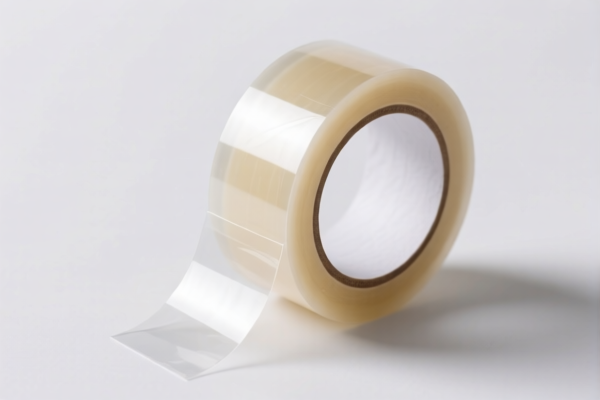
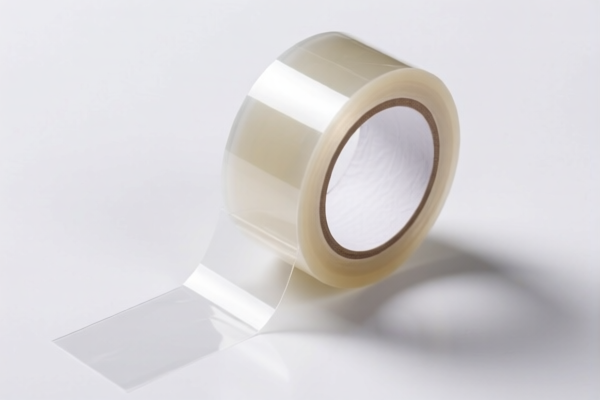
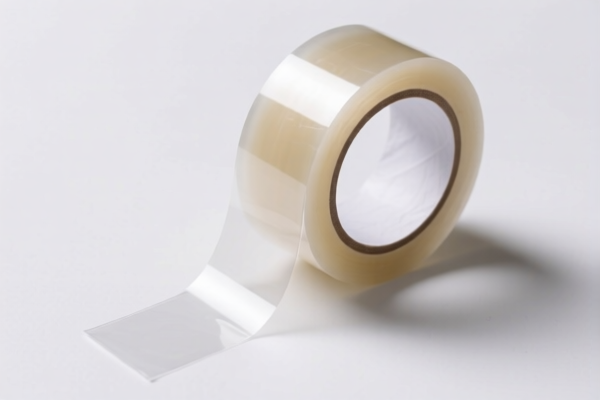
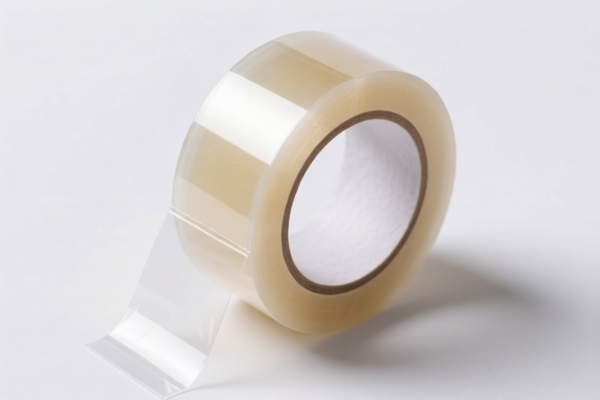
AI Analysis
🎞️ Transparent Self-Adhesive Tape: HS Code Classification & US Customs Clearance Guide
🌐 HS Code Reference & Clearance Strategy | 2026 Latest Tariff Analysis | Professional Customs Strategy
📌 I. Product Definition & Classification: Do You Really Know "Self-Adhesive Tape"?
Transparent self-adhesive tape is a ubiquitous packaging and sealing material. In international trade, its classification strictly depends on the base material (Rubber vs. Plastic) and the physical form (Sheet, Strip, Roll). Misclassification is the #1 cause of customs delays and unexpected tariffs.
Two Main Categories: 1. Rubber-Based Foams (Chapter 40): Made from natural or synthetic rubber foams. 2. Plastic-Based Foams/Strips (Chapter 39): Made from polymers like EVA, PE, PP, or general plastic.
⚠️ Key Distinction Point:
- If the tape core/material is Rubber (foam-like, elastic) → Classify under Chapter 40 (e.g.,4008.11)
- If the tape core/material is Plastic (rigid, semi-rigid, or polymer-based) → Classify under Chapter 39 (e.g.,3921.11,3919.10)
- Note: "Transparent" alone is not a classifier. You must identify the chemical composition.
📦 II. HS Code Classification Details (Based on Provided Data)
Below are the 5 specific HS Codes applicable to Transparent Self-Adhesive Tape, derived strictly from the provided dataset.
| HS Code | Product Description & Material | Form | Tax Rate (Total) | Tax Breakdown |
|---|---|---|---|---|
4008.11.50.00 |
Self-adhesive tape, rubber-based foam. Material: Foam Rubber. Classification: Other foam rubber articles. |
Plate, Sheet, Strip | 38.3% | Base: 3.3% Additional: 25.0% Section 301: 10% |
4008.11.10.00 |
Self-adhesive tape, natural rubber foam. Material: Natural Rubber Foam. Classification: Natural rubber foam plate/sheet/strips. |
Strip (Belt) | 35.0% | Base: 0.0% Additional: 25.0% Section 301: 10% |
3921.11.00.00 |
Self-adhesive tape, plastic-based. Material: Plastic (e.g., EVA or PE Foam). Classification: Other plastic strips. |
Strip (Roll/Tape) | 40.3% | Base: 5.3% Additional: 25.0% Section 301: 10% |
3921.19.00.90 |
Self-adhesive tape, plastic-based. Material: Plastic (e.g., PE or PP). Classification: Other plastic foam plates, sheets, films, foils, strips. |
Strip (Belt) | 41.5% | Base: 6.5% Additional: 25.0% Section 301: 10% |
3919.10.20.55 |
Self-adhesive tape, plastic-based. Material: Plastic (Polymer). Classification: Other plastic self-adhesive flat goods. |
Self-adhesive Flat Tape | 40.8% | Base: 5.8% Additional: 25.0% Section 301: 10% |
🔍 Critical Insight:
- Cheapest Option:4008.11.10.00(Natural Rubber Foam) at 35.0% total tax.
- Most Expensive Option:3921.19.00.90(Other Plastic Foam) at 41.5% total tax.
- Why the difference? Base tariffs vary from 0% to 6.5%. The 25% Additional Tariff and 10% Section 301 Tariff are constant across all these codes for Chinese origin goods.
💰 III. 2026 Latest Tariff Rate Detailed Explanation
✅ Applicable Country: United States (US)
✅ Origin: China (CN)
✅ Effective Time: Current rates apply (25% Additional + 10% Section 301)
🎯 1. Rubber-Based Tapes (Chapter 40)
A. 4008.11.50.00 – Foam Rubber Tape (Other)
| Item | Detail |
|---|---|
| Base Tariff | 3.3% |
| USITC Additional Tariff (Section 301) | +25.0% |
| Section 301 Tariff (122 Clause) | +10.0% |
| Total Effective Tax Rate | 38.3% |
| Calculation | CIF Value × 38.3% |
| De Minimis Exemption | ❌ No (Subject to high tariffs) |
B. 4008.11.10.00 – Natural Rubber Foam Tape
| Item | Detail |
|---|---|
| Base Tariff | 0.0% |
| USITC Additional Tariff (Section 301) | +25.0% |
| Section 301 Tariff (122 Clause) | +10.0% |
| Total Effective Tax Rate | 35.0% |
| Calculation | CIF Value × 35.0% |
| De Minimis Exemption | ❌ No |
📌 Explanation:
- Natural rubber foam (4008.11.10) has a 0% base tariff, making it the most tax-efficient choice among rubber options.
- The 25% and 10% surcharges are mandatory for Chinese-made goods in this category.
🎯 2. Plastic-Based Tapes (Chapter 39)
C. 3921.11.00.00 – Plastic Tape (EVA/PE Foam)
| Item | Detail |
|---|---|
| Base Tariff | 5.3% |
| USITC Additional Tariff (Section 301) | +25.0% |
| Section 301 Tariff (122 Clause) | +10.0% |
| Total Effective Tax Rate | 40.3% |
| Calculation | CIF Value × 40.3% |
D. 3921.19.00.90 – Other Plastic Foam Strip
| Item | Detail |
|---|---|
| Base Tariff | 6.5% |
| USITC Additional Tariff (Section 301) | +25.0% |
| Section 301 Tariff (122 Clause) | +10.0% |
| Total Effective Tax Rate | 41.5% |
| Calculation | CIF Value × 41.5% |
E. 3919.10.20.55 – Plastic Self-Adhesive Flat Goods
| Item | Detail |
|---|---|
| Base Tariff | 5.8% |
| USITC Additional Tariff (Section 301) | +25.0% |
| Section 301 Tariff (122 Clause) | +10.0% |
| Total Effective Tax Rate | 40.8% |
| Calculation | CIF Value × 40.8% |
📌 Explanation:
- Plastic tapes generally have higher base tariffs (5.3%–6.5%) compared to natural rubber foam (0%).
-3921.19.00.90is the most expensive due to the highest base rate (6.5%).
-3919.10.20.55is specific to "self-adhesive flat goods," which may apply to wider or industrial-grade plastic tapes.
🛠️ IV. Clearance Practical Advice (Real-World Pitfall Guide)
✅ 1. Documentation Checklist (Missing one = Delay)
| Document | Required? | Purpose |
|---|---|---|
| ✅ Product Specification Sheet | ✔️ | Must clearly state Material Composition (e.g., "90% EVA Foam, 10% Acrylic Adhesive"). |
| ✅ Material Safety Data Sheet (MSDS) | ✔️ | Proves chemical makeup (Rubber vs. Plastic). |
| ✅ Photos (Clear Labeling) | ✔️ | Show the tape roll, core, and any printed material info. |
| ✅ Commercial Invoice | ✔️ | Must use precise HS Code and description matching the datasheet. |
| ✅ Bill of Lading/Air Waybill | ✔️ | Confirm weight and quantity match invoice. |
| ✅ Certificate of Origin | ✔️ | Essential for verifying China origin (triggering 35-41.5% taxes). |
✅ 2. Declaration Tips (Crucial for Accuracy)
🔥 Rule of Thumb: "Material Dictates Code, Not Transparency!"
| Scenario | Correct HS Code | Incorrect Code | Consequence |
|---|---|---|---|
| EVA Foam Tape (Soft, stretchy, plastic-based) | 3921.11.00.00 or 3921.19.00.90 |
3919.10... |
Possible misclassification penalty. |
| Natural Rubber Foam Tape (Highly elastic, natural scent) | 4008.11.10.00 |
3921... |
Higher Tax (40.3% vs 35.0%) |
| Synthetic Rubber Foam Tape | 4008.11.50.00 |
3921... |
Tax increase (38.3% vs potential lower if misclassified). |
| Clear Packing Tape (Thin, non-foam, cellulose/plastic) | Not in provided data | Any of above | Major Error: These are usually 3919.10 or 3703 depending on exact material. Do not force into foam codes. |
⚠️ Warning:
- If the tape is NOT foam (e.g., thin BOPP packing tape), it may fall under3919.10(Self-adhesive plastic tapes) but not the foam-specific subcodes listed above.
- Ensure your supplier provides the exact polymer type (EVA, PE, PP, Natural Rubber, SBR, etc.).
✅ 3. Special Cases
| Case | Recommendation |
|---|---|
| OEM Custom Tape | Provide client order + technical drawing showing material layers. |
| Mixed Container | Clearly separate foam rubber vs. plastic tape in the packing list. |
| Samples | Even samples are subject to tariffs if value exceeds de minimis or if declared as commercial. |
🌍 V. Global Market Comparison (2026)
| Country | Recommended HS Code | Est. Total Tax (China Origin) | Notes |
|---|---|---|---|
| 🇺🇸 USA | Depends on Material | 35.0% – 41.5% | High tariffs due to Section 301 + Additional Tariff. |
| 🇨🇳 China | Depends on Material | 3.3% – 6.5% | No additional tariffs. Base tariff only. |
| 🇪🇺 EU | Depends on Material | ~3.5% – 7.0% | No Section 301. Standard MFN rates apply. |
| 🇬🇧 UK | Depends on Material | ~3.5% – 7.0% | Post-Brexit rules. No US-style additional tariffs. |
📌 Conclusion:
- The US market is significantly more expensive due to the 35%+ total tax burden.
- Consider tariff engineering: If possible, switch from plastic foam (3921) to natural rubber foam (4008.11.10) to save 6.5% in total taxes.
📌 VI. Common Mistakes & Pitfalls
❌ Mistake 1: Declaring all transparent tape as 3919.10.20.55 without verifying material.
👉 Result: If it's foam, customs may reclassify it to 3921 or 4008, leading to back taxes and fines.
❌ Mistake 2: Ignoring the "Foam" vs. "Non-Foam" distinction.
👉 Result: Thin BOPP tape is not foam. Forcing it into 4008 or 3921 is a serious misdeclaration.
❌ Mistake 3: Assuming "Transparent" means "Low Tax".
👉 Result: Tax is based on material (Rubber/Plastic), not color or transparency.
✅ Best Practice:
“Material First, Form Second, Tax Optimization Third!”
- Identify: Natural Rubber? Synthetic Rubber? EVA? PE? PP?
- Form: Strip? Sheet? Roll?
- Then: Select HS Code.
🎯 VII. Conclusion: Professional Classification Saves Money
🎯 Key Takeaway:
- Natural Rubber Foam Tape (
4008.11.10.00) is the most tax-efficient option at 35.0%.- Plastic Foams range from 40.3% to 41.5%.
- Always provide Material Safety Data Sheets (MSDS) to prove composition.
- Do not guess the HS Code. Misclassification can result in penalties of 20-40% of the cargo value.
📌 Pro Tip:
If you are importing large volumes, consider Advance Ruling (Pre-Classification) from US Customs and Border Protection (CBP) to get a binding decision on your specific tape product. This provides legal certainty and avoids surprise audits.
📣 Immediate Action:
📞 Consult your customs broker with the exact material composition.
📄 Request MSDS from your supplier.
💡 Optimize for4008.11.10.00if natural rubber is feasible.
✨ Accurate Classification. Lower Taxes. Smoother Clearance.
💼 Your Supply Chain Efficiency Starts with the Right HS Code!
Customer Reviews
About HS Code Classification
The Harmonized System (HS) is an internationally standardized nomenclature developed by the World Customs Organization (WCO) to classify traded products. Over 200 countries use the HS system as the basis for customs tariffs, trade statistics, and import/export regulations.
Each HS code follows a hierarchical structure:
- Chapter (2 digits) — Broad category of goods (e.g., Chapter 84: Machinery and Mechanical Appliances)
- Heading (4 digits) — More specific grouping within the chapter
- Subheading (6 digits) — Internationally standardized breakdown, used by all WCO member countries
- National subdivisions (8-10 digits) — Country-specific extensions for further classification, such as US HTSUS 10-digit codes
Correct HS code classification is essential for smooth customs clearance, accurate duty payment, and compliance with trade regulations. Misclassification can lead to customs delays, overpayment of duties, or penalties.
When importing from CN to US, the applicable tariff rates may include:
- Most-Favored-Nation (MFN) rate — The standard duty rate applied to WTO members
- General rate — Applied to countries without trade agreements
- Trade remedy duties — Additional tariffs such as Section 301 (anti-dumping), Section 232 (national security), or countervailing duties
The information provided on this page is for reference purposes only. For official classification, please consult with your local customs authority or a licensed customs broker.