Transparent Sticker
CN → US| HS Code | Tariff Rate | Origin | Destination | Doc |
|---|---|---|---|---|
| 3919102040 | 40.8% | CN | US | Official Doc |
| 3919905040 | 40.8% | CN | US | Official Doc |
| 3404905150 | 35.0% | CN | US | Official Doc |
| 3404901000 | 35.0% | CN | US | Official Doc |
| 4823908680 | 35.0% | CN | US | Official Doc |
Product Images
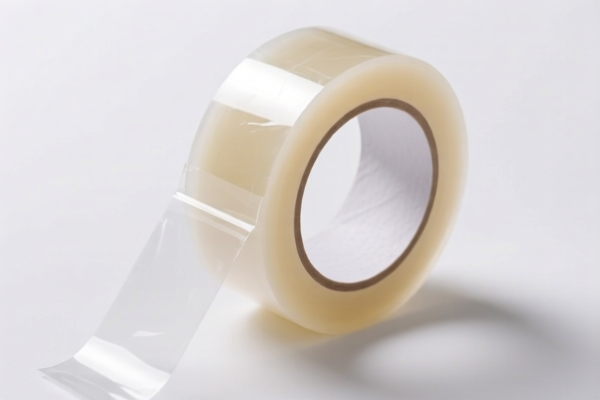
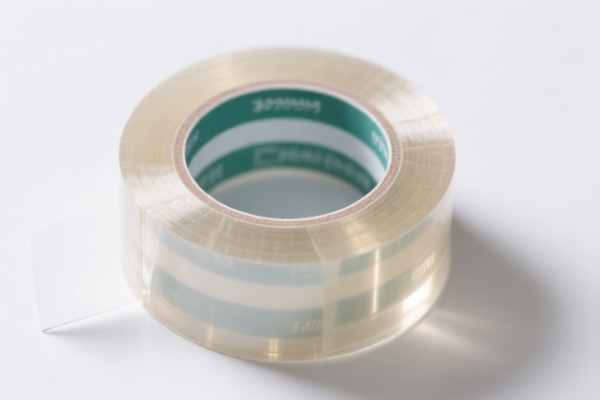
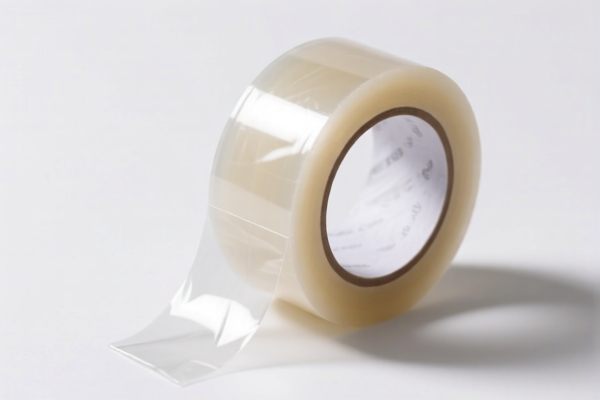
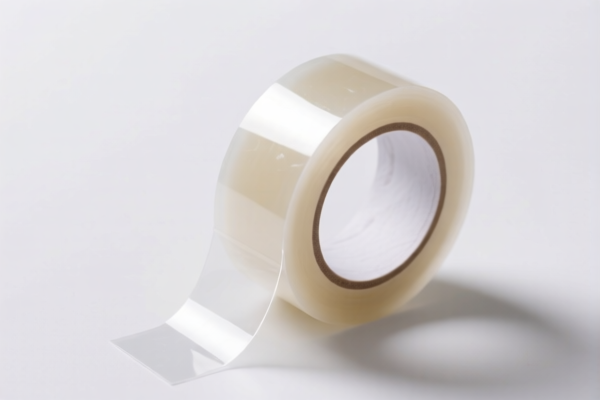
AI Analysis
🏷️ Transparent Wax Seal Sticker (Transparent Adhesive Seal)
🌐 HS Code Reference & Customs Clearance Guide | 2026 Latest Tariff Analysis | Professional Clearance Strategy
📌 I. Product Definition & Classification: Do You Really Understand "Transparent Wax Seal Stickers"?
Transparent Wax Seal Stickers are adhesive labels designed to mimic the appearance of traditional melted wax seals, commonly used for: - Luxury packaging (gifts, cosmetics, wine) - Stationery & scrapbooking - Document sealing (wedding invitations, official letters) - Decorative art
In international trade, their classification depends critically on the material composition and functional definition:
⚠️ Key Classification Distinction:
- If made of plastic/resin or adhesive film (mimicking wax visually) → Classified under Plastic Products (Chapter 39)
- If made of wax (true wax material, possibly with adhesive backing) → Classified under Artificial Waxes (Chapter 34)
- If made of paper/cardstock with a transparent coating → Classified under Paper Products (Chapter 48)
📦 II. HS Code Classification Details (2026 Tariff Schedule)
Based on current trade data and material properties, here are the possible HS Codes for Transparent Wax Seal Stickers:
| HS Code | Product Description | Material Basis | Functional Category |
|---|---|---|---|
3919.10.20.40 |
Transparent Wax Seal Sticker, flat shape, plastic/resin material | Plastic/Resin | Plastic Tapes/Adhesive Sheets |
3919.90.50.40 |
Transparent Wax Seal Sticker, adhesive label, plastic/gelatinous material | Plastic/Gel | Other Plastic Tapes/Adhesive Sheets |
3404.90.51.50 |
Transparent Wax Seal Sticker, wax-based material | Wax (Artificial/Prepared) | Other Artificial Waxes |
3404.90.10.00 |
Transparent Wax Seal Sticker, wax-based, adhesive | Wax (Prepared) | Other Artificial Waxes |
4823.90.86.80 |
Transparent Wax Seal Sticker, paper/cellulose substrate | Paper/Cellulose | Other Paper Products |
🔍 Critical Note:
- The material composition is the deciding factor.
- If the sticker is pure wax (melted and molded), it falls under 3404.
- If it is a plastic film printed to look like wax, it falls under 3919.
- If it is paper with a wax coating or transparent adhesive layer, it falls under 4823.
💰 III. 2026 Latest Tariff Rate Breakdown (Including Additional Taxes & Policy Surcharges)
✅ Applicable Country: United States (US)
✅ Country of Origin: China (CN)
✅ Effective Date: 2025–2026 (including all subsequent imports)
🎯 1. HS Code 3919.10.20.40 & 3919.90.50.40 – Plastic-Based Stickers
| Item | Content |
|---|---|
| Base Tariff | 5.8% (ad valorem) |
| Section 301 Surcharge | +25.0% (China-specific additional duty) |
| Section 122 Duty | +10.0% (additional duty on specific categories) |
| Total Tariff Rate | 40.8% |
| Tax Calculation | CIF Value × 40.8% |
| De Minimis Exemption | ❌ No (not eligible for de minimis relief) |
| Legal Basis Path | Section 301:3919.10.20.40 → Section 301:3919.90.50.40 → Section 122 |
📌 Explanation:
- Plastic-based "wax-like" stickers are heavily taxed due to their classification as plastic products.
- The 25% Section 301 duty and 10% Section 122 duty are applied on top of the base 5.8% rate.
- Total: 40.8% – This is a high tariff category.
🎯 2. HS Code 3404.90.51.50 & 3404.90.10.00 – Wax-Based Stickers
| Item | Content |
|---|---|
| Base Tariff | 0.0% |
| Section 301 Surcharge | +25.0% (China-specific additional duty) |
| Section 122 Duty | +10.0% (additional duty on specific categories) |
| Total Tariff Rate | 35.0% |
| Tax Calculation | CIF Value × 35.0% |
| De Minimis Exemption | ❌ No |
| Legal Basis Path | Section 301:3404.90.51.50 → Section 301:3404.90.10.00 → Section 122 |
📌 Explanation:
- True wax-based stickers have a 0% base tariff, but the Section 301 and Section 122 duties still apply.
- Total: 35.0% – Slightly lower than plastic-based stickers, but still very high.
🎯 3. HS Code 4823.90.86.80 – Paper-Based Stickers
| Item | Content |
|---|---|
| Base Tariff | 0.0% |
| Section 301 Surcharge | +25.0% |
| Section 122 Duty | +10.0% |
| Total Tariff Rate | 35.0% |
| Tax Calculation | CIF Value × 35.0% |
| De Minimis Exemption | ❌ No |
| Legal Basis Path | Section 301:4823.90.86.80 → Section 122 |
📌 Explanation:
- Paper-based stickers also benefit from 0% base tariff, but the Section 301 and Section 122 duties are applied.
- Total: 35.0% – Same as wax-based stickers.
🛠️ IV. Customs Clearance Practical Advice (Avoiding Pitfalls)
✅ 1. Preparation Checklist (Must-Have Documents)
| Document | Required | Purpose |
|---|---|---|
| ✅ Product Specification Sheet | ✔️ | Clarify material (plastic, wax, paper), dimensions, adhesive type |
| ✅ Material Safety Data Sheet (MSDS) | ✔️ | Required for wax-based or chemical-based stickers |
| ✅ Product Photos (Unpacked & Labeled) | ✔️ | Show appearance, texture, and packaging |
| ✅ Commercial Invoice | ✔️ | Clearly state "Transparent Wax Seal Sticker" + HS Code |
| ✅ Packing List | ✔️ | Detail unit count, weight, and packaging type |
| ✅ Certificate of Origin (CO) | ✔️ | Prove origin (China) to apply correct tariffs |
| ✅ Labeling Compliance Document | ✔️ | If applicable (e.g., FDA, CPSC for children's products) |
🔥 Critical Tip:
- Material Declaration is Key: If you misclassify a plastic sticker as wax, you risk back-tariffs + penalties.
- Sample Submission: Provide a physical sample to customs if there's ambiguity.
✅ 2. Classification Strategy (Pro Tips)
| Scenario | Correct Classification | Incorrect Classification | Consequence |
|---|---|---|---|
| Plastic sticker mimicking wax | 3919.10.20.40 / 3919.90.50.40 |
3404.90.10.00 |
Back-tariff + penalty |
| True wax sticker | 3404.90.10.00 / 3404.90.51.50 |
3919.10.20.40 |
Back-tariff + penalty |
| Paper sticker with wax coating | 4823.90.86.80 |
3404.90.10.00 |
Back-tariff + penalty |
| Mixed material (e.g., paper + plastic film) | 3919.10.20.40 (if plastic dominant) |
4823.90.86.80 |
Back-tariff + penalty |
📌 Golden Rule:
"Material Determines HS Code, Not Appearance!"
If it looks like wax but is made of plastic, it's a plastic product.
✅ 3. Special Cases & Risk Mitigation
| Situation | Recommendation |
|---|---|
| Custom Colors/Patterns | Ensure material composition is clear in specs |
| Biodegradable or Eco-Friendly Claims | Provide certifications to avoid scrutiny |
| Bulk Shipments | Pre-consult with customs broker to avoid delays |
| Children's Products | Check CPSC regulations (safety standards) |
| FDA-Regulated (Food Packaging) | Ensure compliance with 21 CFR 175.300 (adhesives) |
🌍 V. Global Market Comparison (2026 Tariff Overview)
| Country/Region | Recommended HS Code | Tariff | Certification | Notes |
|---|---|---|---|---|
| 🇺🇸 USA | 3919.10.20.40 (plastic) / 3404.90.10.00 (wax) |
35–40.8% | FDA/CPSC (if applicable) | High tariffs due to Section 301 & 122 |
| 🇨🇳 China | 3919.10.20.40 / 3404.90.10.00 |
5–10% | CNAS/CCC | Lower tariffs, no Section 301 |
| 🇪🇺 EU | 3919.10.20.40 / 3404.90.10.00 |
2–5% | CE/REACH | No Section 301, lower taxes |
| 🇯🇵 Japan | 3919.10.20.40 / 3404.90.10.00 |
0–5% | JIS | No Section 301 |
| 🇦🇺 Australia | 3919.10.20.40 / 3404.90.10.00 |
5% | APEC | Moderate tariffs |
📌 Conclusion:
- USA has the highest tariffs for Transparent Wax Seal Stickers (35–40.8%).
- EU, Japan, Australia are more tariff-friendly options for re-export.
- Material misclassification is the #1 cause of customs delays and penalties.
📌 VI. Common Mistakes & Pitfalls (Lessons Learned)
❌ Mistake 1: Classifying plastic stickers as wax-based
👉 Consequence: Back-tariff of ~5.8% + penalties + detention
❌ Mistake 2: Not declaring material composition in invoice
👉 Consequence: Customs audit → Delay + Additional Costs
❌ Mistake 3: Mixing materials (e.g., paper + plastic) without clear HS Code
👉 Consequence: Re-classification + Penalty
❌ Mistake 4: Claiming "eco-friendly" without proof
👉 Consequence: Investigation + Fine
✅ Correct Practice:
"Transparent Wax Seal Sticker, Plastic Film, 30x30mm, Adhesive Backing, Material: PET, Color: Clear, Use: Gift Packaging"
🎯 VII. Final Thoughts: Precision Classification = Cost Savings
🎯 Remember the Golden Rules:
🔹 "Material First, Appearance Second!"
🔹 "Plastic = 3919, Wax = 3404, Paper = 4823"
🔹 "Total Tariff = Base + 301 + 122"
🔹 "Misclassification = Back-Tariff + Penalty + Delay"
📌 Pro Tip:
If your product is plastic-based, consider shifting to wax-based (if feasible) to reduce tariff from 40.8% to 35.0%.
Always apply for an Advance Ruling from US Customs (CBP) to avoid surprises.
📣 Take Action Now:
📞 Contact a Customs Broker + Submit Product Samples + File for Pre-Classification
🚀 Clear Your Transparent Wax Seal Stickers smoothly, minimize costs, and maximize profits!
✨ Professional Clearance Starts with Accurate Classification!
💼 Every cent of your cost is worth precise calculation!
Customer Reviews
About HS Code Classification
The Harmonized System (HS) is an internationally standardized nomenclature developed by the World Customs Organization (WCO) to classify traded products. Over 200 countries use the HS system as the basis for customs tariffs, trade statistics, and import/export regulations.
Each HS code follows a hierarchical structure:
- Chapter (2 digits) — Broad category of goods (e.g., Chapter 84: Machinery and Mechanical Appliances)
- Heading (4 digits) — More specific grouping within the chapter
- Subheading (6 digits) — Internationally standardized breakdown, used by all WCO member countries
- National subdivisions (8-10 digits) — Country-specific extensions for further classification, such as US HTSUS 10-digit codes
Correct HS code classification is essential for smooth customs clearance, accurate duty payment, and compliance with trade regulations. Misclassification can lead to customs delays, overpayment of duties, or penalties.
When importing from CN to US, the applicable tariff rates may include:
- Most-Favored-Nation (MFN) rate — The standard duty rate applied to WTO members
- General rate — Applied to countries without trade agreements
- Trade remedy duties — Additional tariffs such as Section 301 (anti-dumping), Section 232 (national security), or countervailing duties
The information provided on this page is for reference purposes only. For official classification, please consult with your local customs authority or a licensed customs broker.