Transparent Storage Bag
CN → US| HS Code | Tariff Rate | Origin | Destination | Doc |
|---|---|---|---|---|
| 3926908700 | 40.3% | CN | US | Official Doc |
| 4202929700 | 52.6% | CN | US | Official Doc |
| 6307909891 | 24.5% | CN | US | Official Doc |
| 3926909989 | 22.8% | CN | US | Official Doc |
| 4202929315 | 52.6% | CN | US | Official Doc |
Product Images
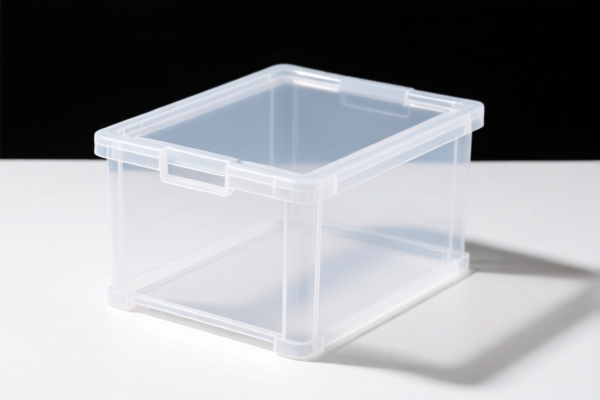
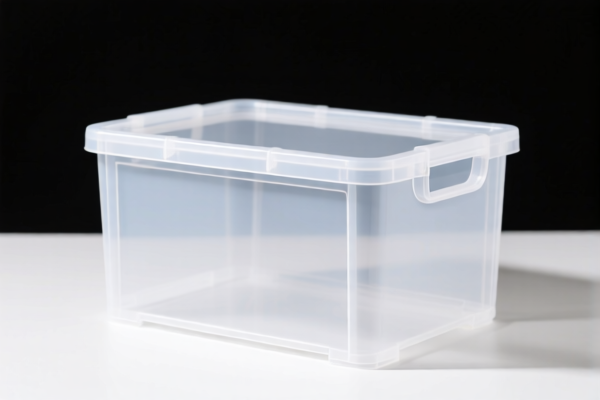
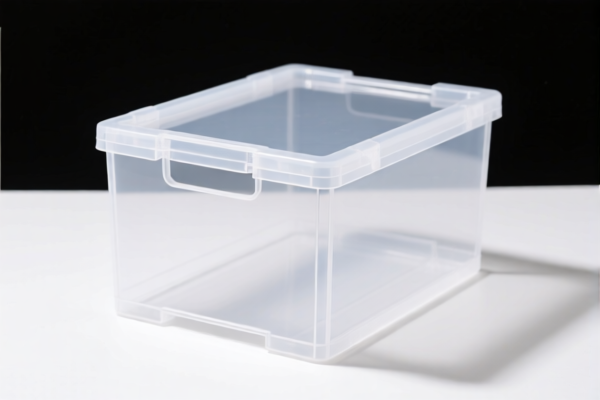

AI Analysis
🖼️ Transparent Storage Bags (Jewelry & General Organizers)
🌐 HS Code Reference & Customs Clearance Guide | 2026 Latest Tariff Analysis | Strategic Classification Strategy
📌 I. Product Definition & Classification: Do You Really Understand "Storage Bags"?
Transparent Storage Bags are versatile organizational tools used for jewelry, cosmetics, stationery, or general household items. In international trade, they are primarily classified based on material composition and functionality:
- Plastic Articles (Chapter 39): If the bag is made entirely of plastic (e.g., PVC, PE) and lacks the specific structural features of a textile bag, it falls under plastic articles.
- Articles of Leather/Plastic Sheets (Chapter 42): If the bag is structured specifically for carrying or storing personal items (like jewelry cases) using plastic sheets, it may be classified as an article of leather or plastics.
- Other Made-up Textile/Plastic Articles (Chapter 63): If the material is considered a "make-up" article not elsewhere specified, particularly if it uses plastic/PVC in a non-structural way.
⚠️ Key Distinction Point:
- If it is a simple flexible pouch made of thin plastic film → Often 3926 or 6307.
- If it is a structured container/case for jewelry → Often 4202.
- Misclassification Risk: Declaring a structured jewelry case as a simple "plastic sheet" article can lead to significantly higher duties due to specific sub-heading rates.
📦 II. HS Code Classification Details (2026 Latest Tariff Authority Comparison)
| HS Code | Product Description | Application Scenario | Material/Structure Analysis |
|---|---|---|---|
3926.90.87.00 |
Other articles of plastics: Transparent storage bag, jewelry storage | Flexible plastic pouches | Soft Plastic: Classified as flexible plastic products. |
4202.92.97.00 |
Articles of leather/plastic sheets: Transparent storage bag, jewelry storage | Structured containers | Plastic Sheet Container: Used for jewelry, made of plastic sheets. |
6307.90.98.91 |
Other made-up articles: Transparent storage bag, jewelry storage | General plastic/PVC items | Other Made-up: Material is plastic or PVC, generic end-use. |
3926.90.99.89 |
Other plastic articles: Transparent storage bag, jewelry storage | General plastic制品 | Plastic Article: General plastic material, unspecified use. |
4202.92.93.15 |
Articles of leather/plastic sheets: Jewelry storage | Non-silk plastic containers | Non-Silk Plastic: Specific to jewelry, non-silk plastic material. |
🔍 Key Reminder:
- 4202 Codes often carry higher base tariffs (17.6%) because they are viewed as "articles of use" rather than raw "plastic materials."
- 3926 Codes generally have lower base tariffs (5.3%) but are subject to different supplementary duties.
- 6307 Codes may offer the lowest total tariff burden depending on the specific "other" sub-category interpretation.
💰 III. 2026 Latest Tariff Rate Detailed Explanation (Including Surcharges & Policy Add-ons)
✅ Applicable Country: United States (US)
✅ Origin: China (CN)
✅ Effective Date: From November 10, 2025 (and subsequent imports)
🎯 1. 3926.90.87.00 —— Plastic Articles: Transparent Storage Bag
| Item | Content |
|---|---|
| Base Duty Rate | 5.3% (ad valorem) |
| Section 301 Surcharge | +25.0% |
| Section 122 Tariff | +10.0% |
| Total Effective Rate | 40.3% |
| Tax Calculation | CIF Value × 40.3% |
| De Minimis Exemption | ❌ Not Eligible (deny_de_minimis) |
| Legal Basis Path | USITC:3926.90.87.00 → Section 301: +25% → Section 122: +10% |
📌 Explanation:
- This classification treats the bag as a general plastic article.
- While the base rate is low (5.3%), the cumulative surcharges bring the total to 40.3%.
- Risk: If customs reclassifies this as a "jewelry case" (4202), the tax could jump to 52.6%.
🎯 2. 4202.92.97.00 —— Articles of Plastic Sheets: Jewelry Storage
| Item | Content |
|---|---|
| Base Duty Rate | 17.6% (ad valorem) |
| Section 301 Surcharge | +25.0% |
| Section 122 Tariff | +10.0% |
| Total Effective Rate | 52.6% |
| Tax Calculation | CIF Value × 52.6% |
| De Minimis Exemption | ❌ Not Eligible (deny_de_minimis) |
| Legal Basis Path | USITC:4202.92.97.00 → Section 301: +25% → Section 122: +10% |
📌 Warning:
- This is the highest tax bracket among the options.
- It applies if the item is deemed a "finished article" for carrying/storing jewelry rather than just a flexible container.
- Avoidance Strategy: Ensure product description emphasizes "flexible packaging" rather than "structured case" if eligible for lower codes.
🎯 3. 6307.90.98.91 —— Other Made-up Articles: Plastic/PVC
| Item | Content |
|---|---|
| Base Duty Rate | 7.0% (ad valorem) |
| Section 301 Surcharge | +7.5% |
| Section 122 Tariff | +10.0% |
| Total Effective Rate | 24.5% |
| Tax Calculation | CIF Value × 24.5% |
| De Minimis Exemption | ❌ Not Eligible (deny_de_minimis) |
| Legal Basis Path | USITC:6307.90.98.91 → Section 301: +7.5% → Section 122: +10% |
📌 Optimization Insight:
- This is currently the most cost-effective classification with a total tax of 24.5%.
- Requires justification that the item is an "other made-up article" (e.g., using plastic/PVC in a specific manufacturing process not covered by Chapter 39 or 42).
- Critical: Must provide proof that it does not fit the definition of "articles of plastic sheets" (Chapter 42).
🎯 4. 3926.90.99.89 —— Other Plastic Articles (General)
| Item | Content |
|---|---|
| Base Duty Rate | 5.3% (ad valorem) |
| Section 301 Surcharge | +7.5% |
| Section 122 Tariff | +10.0% |
| Total Effective Rate | 22.8% |
| Tax Calculation | CIF Value × 22.8% |
| De Minimis Exemption | ❌ Not Eligible (deny_de_minimis) |
| Legal Basis Path | USITC:3926.90.99.89 → Section 301: +7.5% → Section 122: +10% |
📌 Comparison:
- Slightly lower total tax (22.8%) than3926.90.87.00.
- Applies to "other" plastic articles not specifically listed in 87.00.
- Recommendation: If the bag is generic and not specifically for jewelry, this may be a strong candidate. However, specificity (jewelry vs. general) triggers different sub-headings.
🎯 5. 4202.92.93.15 —— Articles of Plastic Sheets: Non-Silk Jewelry Containers
| Item | Content |
|---|---|
| Base Duty Rate | 17.6% (ad valorem) |
| Section 301 Surcharge | +25.0% |
| Section 122 Tariff | +10.0% |
| Total Effective Rate | 52.6% |
| Tax Calculation | CIF Value × 52.6% |
| De Minimis Exemption | ❌ Not Eligible (deny_de_minimis) |
| Legal Basis Path | USITC:4202.92.93.15 → Section 301: +25% → Section 122: +10% |
📌 Note:
- Same high tax rate as4202.92.97.00.
- Specific to "non-silk" plastic containers.
- Avoid: Do not use this code unless the product is definitively a structured, non-silk plastic container for jewelry.
🛠️ IV. Customs Clearance Practical Advice (Pitfall Avoidance Guide)
✅ 1. Required Documentation Checklist
| Document | Mandatory | Description |
|---|---|---|
| ✅ Product Specifications | ✔️ | Material (PVC, PE, PET), Thickness, Size, Usage (Jewelry vs. General) |
| ✅ Product Photos | ✔️ | Clear images showing structure (foldable pouch vs. rigid case) |
| ✅ Commercial Invoice | ✔️ | Accurate description: "Transparent Plastic Storage Bag, for Organizing Small Items" |
| ✅ Packing List | ✔️ | Weight, dimensions, number of pieces |
| ✅ Origin Certificate | ✔️ | Proof of Chinese origin (triggers Section 301 & 122) |
✅ 2. Declaration Strategy (Key Mnemonic)
🔥 "Soft is Plastic (39), Rigid is Case (42), Generic is Other (63), Pick Right, Save Cash!"
| Scenario | Recommended HS Code | Estimated Total Tax | Strategy |
|---|---|---|---|
| Flexible Pouch (Thin, foldable, generic use) | 3926.90.99.89 |
22.8% | Emphasize "flexible" and "general storage" |
| Soft Plastic Jewelry Pouch | 3926.90.87.00 |
40.3% | Specify "jewelry" but keep it flexible |
| Structured/Rigid Jewelry Case | 4202.92.97.00 |
52.6% | High tax, unavoidable if structured |
| PVC/Made-up Article (Non-standard plastic) | 6307.90.98.91 |
24.5% | Argue for "other made-up article" status |
✅ 3. Special Situation Handling
| Situation | Handling Advice |
|---|---|
| OEM Custom Bags | Provide design specs to prove if it's "general" or "specialized." |
| Mixed Materials | If >50% plastic by weight/value, Chapter 39/42 applies. If textile blend, Chapter 63 might be relevant (not in data, but general rule). |
| Jewelry Sets | If bag comes with jewelry, declare separately. Do not bundle. |
| Section 122 Eligibility | All listed codes are subject to Section 122 (10%). Ensure origin is China. |
🌍 V. Global Market Clearance Comparison (2026 Latest)
| Country/Region | Recommended HS Code | Tariff Burden | Certification Requirements | Notes |
|---|---|---|---|---|
| 🇺🇸 USA | 3926.90.99.89 |
22.8% (Lowest) | None | Avoid 4202 if possible. |
| 🇨🇳 China | 3926.90.99.89 |
~5-10% | None | No Section 301/122. |
| 🇪🇺 EU | 3926.90.87 |
0-4.5% | CE (if applicable) | No major surcharges. |
| 🇨🇦 Canada | 3926.90.87 |
0-5% | None | MFN rates apply. |
📌 Conclusion:
- USA Market: The difference between 22.8% and 52.6% is significant.
- Optimization: Aim for3926.90.99.89or6307.90.98.91by positioning the product as a "flexible general storage item" rather than a "jewelry case."
📌 VI. Common Mistakes & Pitfall Guide (Blood Lessons)
❌ Mistake 1: Declaring a rigid jewelry box as a "flexible plastic bag."
👉 Consequence: Customs reclassification → Tax jumps from 22.8% to 52.6% + penalties!
❌ Mistake 2: Ignoring Section 122 Tariff.
👉 Consequence: All these HS codes are subject to a 10% Section 122 surcharge on Chinese goods. If omitted, you will be backdated for payment.
❌ Mistake 3: Using "Textile" HS Codes for Plastic Bags.
👉 Consequence: If material is PVC/PE, it is not textile. Misclassification leads to delays and audits.
❌ Mistake 4: Assuming De Minimis (Section 321) applies.
👉 Consequence: NO. All listed codes are explicitly denied de minimis exemption for Chinese origin goods. Every shipment is taxed.
✅ Correct Declaration Example:
"Transparent Flexible Plastic Storage Bag, Made of PVC, For General Household Organization, Not Specifically for Jewelry, Non-Rigid"
🎯 VII. Conclusion: Professional Declaration, Cost Savings!
🎯 Remember the Mnemonic:
🔹 "Flexible is 39 (22.8%), Structured is 42 (52.6%), General is 63 (24.5%). Pick Wisely!"
🔹 "HS Code Determines Fate, Tax Difference 30%, Declaration Accuracy Saves Fortune!"
📌 Tips:
- If your product is generic (not jewelry-specific), use 3926.90.99.89 (22.8%).
- If it is jewelry-specific, you may be forced into 4202 (52.6%) unless you can argue for 6307 (24.5%).
- Pre-ruling: Consider applying for an Advance Ruling with US Customs to lock in the lower tax rate for 3926 or 6307.
📣 Immediate Action:
📞 Contact a professional customs broker
📤 Provide product samples + clear photos
🚀 Classify Accurately, Clear Customs Smoothly, Maximize Profit!
✨ Professional Customs Clearance Starts with Accurate Classification!
💼 Every cent of cost deserves precise calculation!
Customer Reviews
About HS Code Classification
The Harmonized System (HS) is an internationally standardized nomenclature developed by the World Customs Organization (WCO) to classify traded products. Over 200 countries use the HS system as the basis for customs tariffs, trade statistics, and import/export regulations.
Each HS code follows a hierarchical structure:
- Chapter (2 digits) — Broad category of goods (e.g., Chapter 84: Machinery and Mechanical Appliances)
- Heading (4 digits) — More specific grouping within the chapter
- Subheading (6 digits) — Internationally standardized breakdown, used by all WCO member countries
- National subdivisions (8-10 digits) — Country-specific extensions for further classification, such as US HTSUS 10-digit codes
Correct HS code classification is essential for smooth customs clearance, accurate duty payment, and compliance with trade regulations. Misclassification can lead to customs delays, overpayment of duties, or penalties.
When importing from CN to US, the applicable tariff rates may include:
- Most-Favored-Nation (MFN) rate — The standard duty rate applied to WTO members
- General rate — Applied to countries without trade agreements
- Trade remedy duties — Additional tariffs such as Section 301 (anti-dumping), Section 232 (national security), or countervailing duties
The information provided on this page is for reference purposes only. For official classification, please consult with your local customs authority or a licensed customs broker.