Transparent Tape (Anti static)
CN → US| HS Code | Tariff Rate | Origin | Destination | Doc |
|---|---|---|---|---|
| 3919102040 | 40.8% | CN | US | Official Doc |
| 3919905040 | 40.8% | CN | US | Official Doc |
| 5604100000 | 41.3% | CN | US | Official Doc |
Product Images
AI Analysis
📦 Transparent Tape (Anti-static)
🌐 HS Code Reference & Customs Clearance Guide | 2026 Latest Tariff Analysis | Professional Strategy
📌 Part 1: Product Definition & Classification Logic
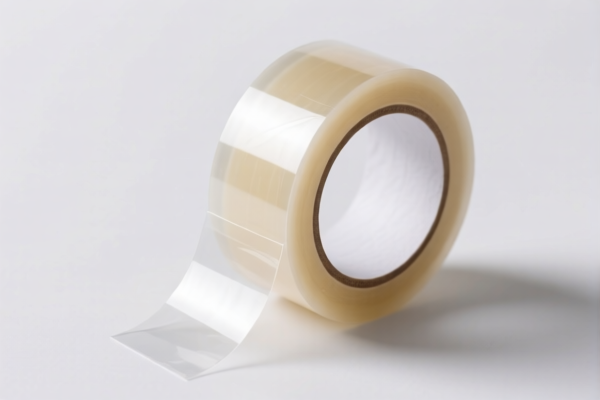
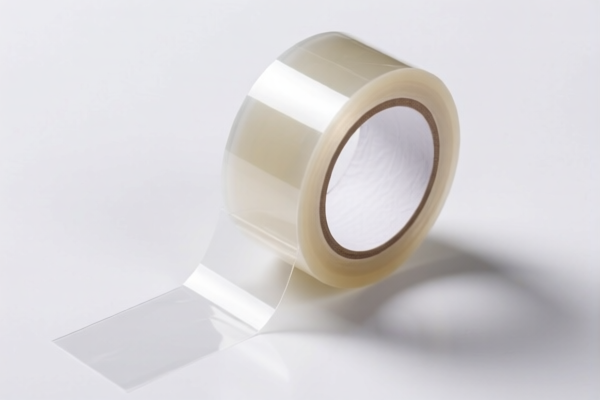
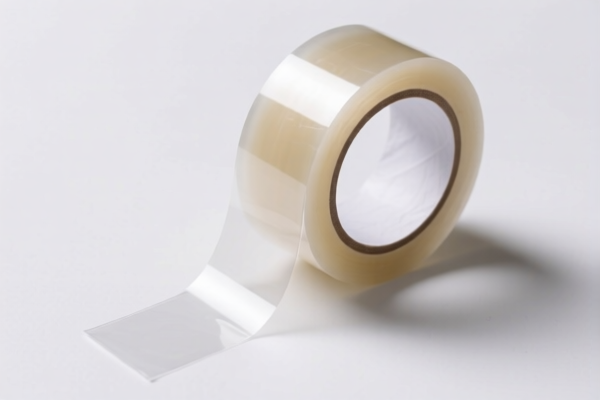
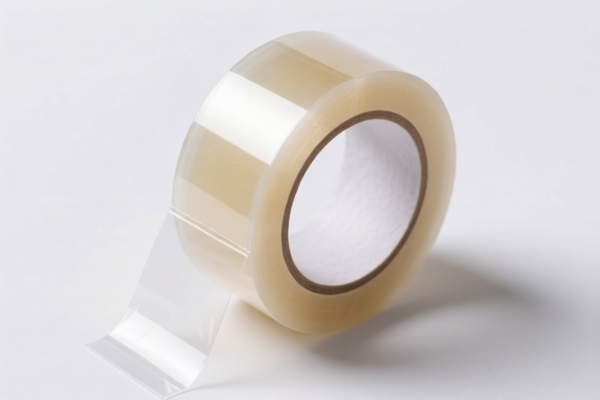
Transparent Anti-static Tape is a specialized adhesive product designed for electronic manufacturing, packaging, and handling of sensitive components. It is characterized by its plastic material composition, self-adhesive flat strip shape, and functional anti-static properties.
In international trade classification, the primary determinant is the material (plastic) and form (self-adhesive strips), rather than the functional attribute (anti-static). Therefore, it falls squarely under Chapter 39 (Plastics and Articles Thereof).
⚠️ Key Distinction Point:
- If the material is clearly identified as plastic/resin → Chapter 39
- If the material is rubber, felt, or non-woven fabric → Chapter 56 (Textiles/Non-wovens)
- Anti-static nature does NOT change the fundamental material classification to electronics or textiles.
📦 Part 2: HS Code Classification Details (Based on Provided Data)
The following HS Codes are derived directly from the provided data context for "Transparent Tape (Anti-static)":
| HS Code | Product Description | Matching Logic | Total Tax Rate (China Origin to US) |
|---|---|---|---|
3919.10.20.40 |
Self-adhesive plates, sheets, film, foil, tape, strip, and other shapes of plastic, whether or not in rolls | High Match: Material is transparent plastic; form is self-adhesive tape; usage is anti-static. Matches "transparent tape" material and form perfectly. | 40.8% |
3919.90.50.40 |
Other self-adhesive plastic products | High Match: "Transparent" and "Tape" match the classification explanation. "Anti-static" is a functional description that does not alter its classification as a self-adhesive plastic flat product. | 40.8% |
5604.10.00.00 |
Thread and strip, coated with rubber or plastic, whether or not covered with textile material | Low Match / Alternative: Based on common sense, plastic/glue is a sticky material. No obvious material or shape conflict with sticky materials, but less precise than Chapter 39 for pure plastic tape. | 41.3% |
🔍 Analysis of Discrepancy:
- Codes3919.10.20.40and3919.90.50.40are the most accurate classifications for plastic transparent tape.
- Code5604.10.00.00is a secondary/alternative possibility if the backing is considered a textile/rubber-coated strip rather than pure plastic film. However, for standard transparent plastic tape, Chapter 39 is preferred.
- Tax Difference: The total tax for Chapter 39 codes is 40.8%, while Chapter 56 is 41.3%.
💰 Part 3: 2026 Latest Tariff Rate Breakdown (Including Surcharges & Policy Add-ons)
✅ Applicable Country: United States (US)
✅ Country of Origin: China (CN)
✅ Effective Time: 2025/2026 (Current Trade Policies)
🎯 1. 3919.10.20.40 & 3919.90.50.40 —— Self-Adhesive Plastic Tape
| Item | Details |
|---|---|
| Base Tariff Rate | 5.8% |
| Section 301 Surcharge (Additional Tariff) | +25.0% (From USITC Footnote 9903.88.01) |
| 122 Clause Tariff (IEEPA) | +10.0% (Targeting China/HK products, effective Nov 2025) |
| Total Effective Tariff Rate | 40.8% |
| Tax Calculation | CIF Value × 40.8% |
| De Minimis Eligibility | ❌ Not Eligible (Due to 301/122 surcharges) |
| Legal Basis Path | IEEPA:9903.01.25 → Section 301:9903.88.01 → USITC:3919.10.20.40 |
📌 Explanation:
- The 5.8% base rate is the standard MFN (Most Favored Nation) tariff for plastic tapes.
- The 25% additional tariff is imposed under Section 301 against specific Chinese goods.
- The 10% 122 Clause tariff is a recent policy addition targeting Chinese imports.
- Combined Total: 40.8%. This is a high-cost category.
🎯 2. 5604.10.00.00 —— Coated Rubber/Plastic Strip (Alternative)
| Item | Details |
|---|---|
| Base Tariff Rate | 6.3% |
| Section 301 Surcharge (Additional Tariff) | +25.0% |
| 122 Clause Tariff (IEEPA) | +10.0% |
| Total Effective Tariff Rate | 41.3% |
| Tax Calculation | CIF Value × 41.3% |
| De Minimis Eligibility | ❌ Not Eligible |
| Legal Basis Path | IEEPA:9903.01.25 → Section 301 → USITC:5604.10.00.00 |
📌 Note:
- Slightly higher than Chapter 39 codes.
- Only use if the product is definitively not pure plastic tape (e.g., has a significant textile or rubber substrate).
🛠️ Part 4: Customs Clearance Practical Advice
✅ 1. Documentation Checklist (Essential)
| Document | Required? | Description |
|---|---|---|
| ✅ Product Specification Sheet | ✔️ | Must specify: Material (e.g., PET, PVC), Thickness, Adhesive Type, Anti-Static Rating (Surface Resistance: 10^6–10^9 ohms). |
| ✅ Product Photos | ✔️ | Clear images of the roll, label, and close-up of the tape structure. |
| ✅ Commercial Invoice | ✔️ | Clearly state "Transparent Anti-Static Tape" and HS Code. |
| ✅ Packing List | ✔️ | Detail net/gross weight, quantity. |
| ✅ Certificate of Origin (CO) | ✔️ | For China origin, required to confirm surcharge applicability. |
| ✅ Safety Data Sheet (SDS) | ✔️ | If hazardous components exist (rare for simple tape, but good practice). |
✅ 2. Declaration Tips (Key Mantras)
🔥 "Material First, Function Second. Plastic = Ch 39. Don't Split!"
| Scenario | Correct Declaration | Incorrect Practice |
|---|---|---|
| Standard Transparent Anti-Static Tape | 3919.10.20.40 or 3919.90.50.40 |
Misdeclare as "Electronics Accessory" (Ch 85) → Audit Risk |
| Tape with Paper Backing | 3919.10.20.40 (if plastic dominant) |
Misdeclare as "Paper Tape" (Ch 48) → Wrong Tax Base |
| Bulk Roll vs. Cut Strips | Declare as "Self-Adhesive Tape" | Declare as "Parts" → Classification Error |
| High-Value ESD Tape | Ensure accurate CIF value | Undervalue to avoid taxes → Penalties |
✅ 3. Special Case Handling
| Situation | Handling Advice |
|---|---|
| OEM Custom Tape | Provide customer order + design specs. Ensure "Anti-Static" is highlighted to justify function, but material remains plastic. |
| Mixed Shipments (Tape + Tools) | Declare separately. Tape under 3919, tools under relevant chapter. Do not combine into one HS code. |
| Small Parcel (De Minimis) | ❌ Do Not Expect Exemption: Due to 301/122 tariffs, Section 321 De Minimis ($800 exemption) does NOT apply to these HS codes from China. Every dollar is taxed. |
🌍 Part 5: Global Market Comparison (2026)
| Country/Region | Recommended HS Code | Tariff (China Origin) | Certification Req. | Notes |
|---|---|---|---|---|
| 🇺🇸 USA | 3919.10.20.40 |
40.8% | No special cert | High tariff due to 301/122 |
| 🇨🇳 China | 3919.10.20.40 |
5.8%–6.3% | N/A (Domestic) | Low base tax |
| 🇪🇺 EU | 3919.10.90 |
3.7% | REACH (if chemicals) | No 301/122 equivalent |
| 🇬🇧 UK | 3919.10.90 |
3.7% | UKCA (if regulated) | Post-Brexit tariff |
| 🇦🇺 Australia | 3919.10.00 |
5.0% | No special cert | Free trade agreement benefits may apply |
📌 Conclusion:
- USA is the most expensive market for this product due to aggressive trade policies (301 + 122).
- EU/UK/AU are significantly cheaper (3.7%–5.0%).
- Consider supply chain diversification (e.g., manufacturing in Vietnam/Mexico) to avoid US surcharges if volume is high.
📌 Part 6: Common Mistakes & Pitfalls (Lessons Learned)
❌ Mistake 1: Claiming "De Minimis" for small shipments from China
👉 Consequence: Customs will assess 40.8% tax + penalties. De Minimis does not apply to Section 301/122 goods.
❌ Mistake 2: Misclassifying as "Electrostatic Discharge Equipment" (Ch 90)
👉 Consequence: Higher scrutiny, potential audit, and incorrect tax base. Tape is a consumable material, not equipment.
❌ Mistake 3: Ignoring "122 Clause"
👉 Consequence: Underpayment of 10% tariff. Recent policy updates require this surcharge on many Chinese plastic products.
❌ Mistake 4: Vague Description ("Tape")
👉 Consequence: Customs may classify based on worst-case scenario or require extensive documentation, causing delays.
✅ Correct Approach:
"Self-adhesive Transparent Anti-Static Tape, PET Material, Roll, HS 3919.10.20.40, Made in China"
🎯 Part 7: Conclusion: Professional Declaration for Cost Control
🎯 Remember the Mantras:
🔹 "Plastic Tape = Ch 39. Anti-static = Feature, Not Class."
🔹 "US Tariff = 40.8%. De Minimis = N/A. Plan Accordingly."
📌 Pro Tip:
If your anti-static tape is shipped from Vietnam, Mexico, or Malaysia, you MAY avoid the 25% Section 301 tariff (check specific rules of origin). However, the 122 Clause may still apply.
Recommendation: Apply for a Pre-Ruling (Advance Ruling) with US CBP for large shipments to confirm the exact HS code and tax liability.
📣 Immediate Action:
📞 Consult a licensed customs broker + Provide Product Spec Sheet + Calculate Landed Cost at 40.8%
🚀 Ensure your anti-static tape clears customs smoothly, avoids penalties, and protects margins!
✨ Professional Clearance Starts with Accurate Classification!
💼 Every Cent Counts in High-Tariff Trade!
Customer Reviews
About HS Code Classification
The Harmonized System (HS) is an internationally standardized nomenclature developed by the World Customs Organization (WCO) to classify traded products. Over 200 countries use the HS system as the basis for customs tariffs, trade statistics, and import/export regulations.
Each HS code follows a hierarchical structure:
- Chapter (2 digits) — Broad category of goods (e.g., Chapter 84: Machinery and Mechanical Appliances)
- Heading (4 digits) — More specific grouping within the chapter
- Subheading (6 digits) — Internationally standardized breakdown, used by all WCO member countries
- National subdivisions (8-10 digits) — Country-specific extensions for further classification, such as US HTSUS 10-digit codes
Correct HS code classification is essential for smooth customs clearance, accurate duty payment, and compliance with trade regulations. Misclassification can lead to customs delays, overpayment of duties, or penalties.
When importing from CN to US, the applicable tariff rates may include:
- Most-Favored-Nation (MFN) rate — The standard duty rate applied to WTO members
- General rate — Applied to countries without trade agreements
- Trade remedy duties — Additional tariffs such as Section 301 (anti-dumping), Section 232 (national security), or countervailing duties
The information provided on this page is for reference purposes only. For official classification, please consult with your local customs authority or a licensed customs broker.